
by Ramil Villar | Apr 4, 2026 | Food & Nutrition Basics
Understanding Palapa: A Traditional Filipino Condiment
An educational overview of Palapa, its ingredients, nutritional aspects, and safe consumption practices.
Palapa is a traditional condiment from the Mindanao region of the Philippines, often used to enhance the flavor of local dishes. Made primarily from ingredients like chili peppers, ginger, shallots, and sometimes coconut, Palapa adds both aroma and spice to meals. This article provides an educational overview of its components, potential nutritional contributions, and safe usage in everyday cooking.
Ingredients and Nutritional Aspects
Palapa typically contains the following components:
- Chili peppers – provide capsaicin, which contributes to spiciness and may support thermogenesis.
- Ginger – contains bioactive compounds such as gingerol, which are associated with flavor and traditional culinary uses.
- Shallots or onions – provide natural flavor, some vitamins, and minerals in small quantities.
- Coconut or coconut oil (optional) – a source of dietary fats, particularly saturated fats.
Culinary Uses
Palapa is commonly added to rice, grilled meats, or seafood dishes. It is generally used in small quantities due to its strong flavor. Being a condiment, it contributes more to taste and culinary enjoyment than significant nutritional intake.
Safe Consumption Notes
- Individuals sensitive to spicy foods should use Palapa in moderation to avoid digestive discomfort.
- Store Palapa in airtight containers and refrigerate if prepared in advance, following general food safety guidelines.
- Those with specific dietary restrictions (e.g., low-sodium or low-fat diets) should check ingredient proportions.
Context
In nutrition science studies, condiments like Palapa are primarily valued for flavor enhancement rather than as a major source of nutrients. Under consumer protection and labeling standards, it is important to ensure homemade or packaged Palapa is properly stored and that ingredient labels, if available, are read for potential allergens or additives. Dietary outcomes from consuming condiments vary individually and depend on overall dietary patterns.
FAQs
- What is Palapa?
Palapa is a traditional Filipino condiment from Mindanao made of chili, ginger, shallots, and sometimes coconut.
- Does Palapa provide significant nutrients?
Palapa contributes small amounts of vitamins and minerals depending on ingredients but is mainly used for flavor.
- How should Palapa be stored?
It should be kept in airtight containers and refrigerated if prepared in advance to maintain safety and freshness.
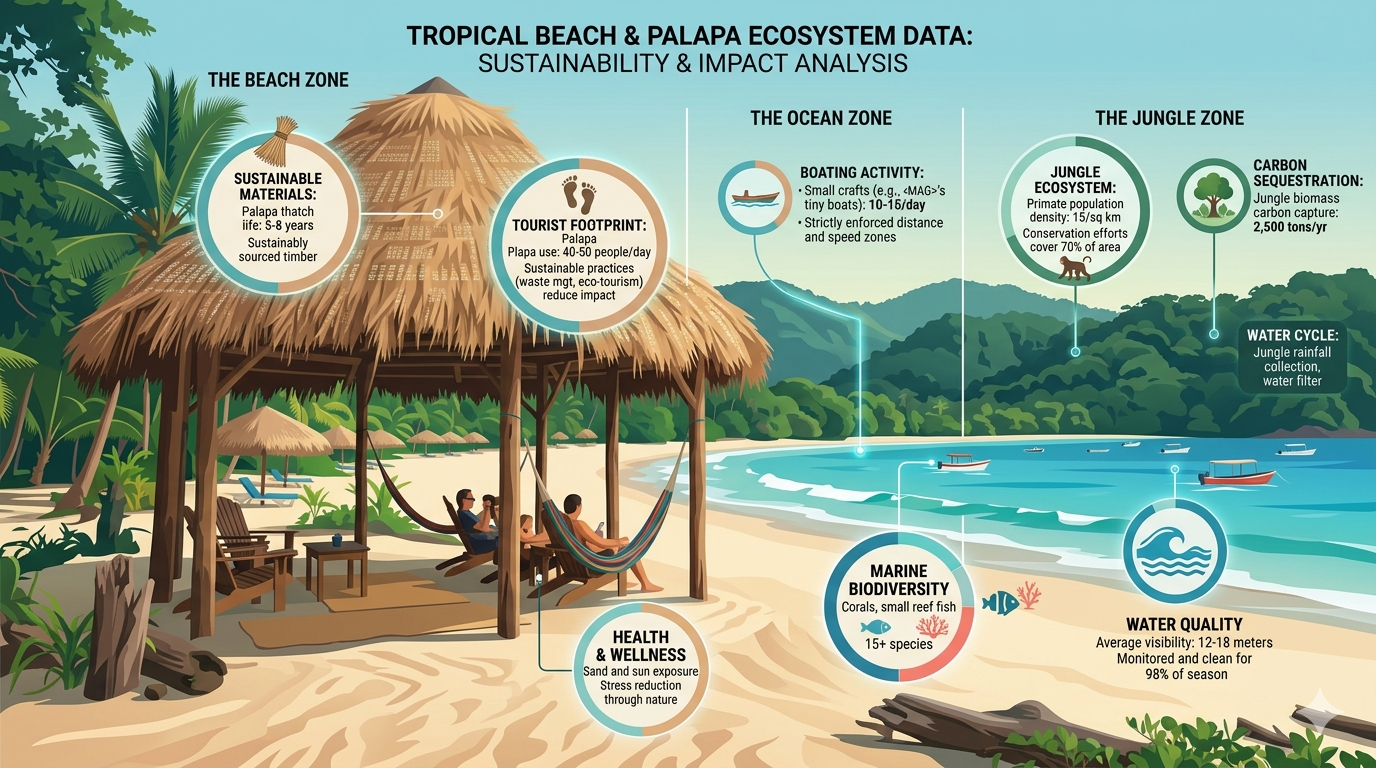
Infographic displaying common ingredients and typical presentation of Palapa.
Trusted Sources
- Department of Health (DOH) Philippines – Food Safety Guidelines
- Food and Drug Administration (FDA Philippines) – Home-Prepared Food Safety
- Academic journals on Philippine culinary ingredients
Disclaimer
This article is for general informational and educational purposes only. It does not constitute professional medical, nutrition, or dietary advice. References to foods, condiments, or recipes do not imply endorsement or guarantee of health outcomes. Readers are encouraged to consult licensed nutritionists, dietitians, or medical professionals for personalized guidance.

by Ramil Villar | Apr 4, 2026 | Food & Nutrition Basics
Tinagtag: An Informational Overview of a Traditional Rice Snack
What tinagtag is, how it’s made, and basic nutrition considerations (informational only)
Tinagtag is a traditional Filipino snack made from rice that is typically pan‑fried until crisp. This article provides an informational overview of tinagtag, describes general nutritional aspects of rice‑based snacks, and outlines considerations for consumers under Philippine food safety and labeling standards. It does not promote any specific brand, make dietary claims, or imply health outcomes.
What Is Tinagtag?
Tinagtag is a rice snack commonly found in some regions of the Philippines. It is prepared by flattening cooked rice into thin forms and pan‑frying the pieces until they turn crisp. The result is a crunchy snack with a texture similar to other crisped rice products.
The name “tinagtag” refers to the process of pressing and crisping the rice, and like many traditional snacks, recipes and preparation can vary by locality and household.
Basic Components and How It’s Made
Rice snacks such as tinagtag are typically made from the following core steps:
- Rice Selection: Typically uses cooked white rice (locally milled), though variations may use other rice types.
- Shaping: Warm cooked rice grains are pressed or flattened into thin sheets or small pieces.
- Drying (Optional): Some traditional methods involve sun‑drying the shaped rice to remove moisture before cooking.
- Cooking Method: The shaped rice is pan‑fried in a small amount of oil until crisp and lightly golden.
- Seasoning: Minimal seasoning may be added to taste, such as salt; in some cases, local herbs or spices may be used.
This description reflects typical communal or homemade preparation and does not reference a specific brand or commercial product.
Neutral Nutritional Considerations
Tinagtag and other rice‑based snacks are primarily comprised of carbohydrates, since rice is a staple grain. In general:
- Carbohydrates: Rice is a source of energy‑providing carbohydrates.
- Fat Content: The frying step can contribute additional fat, depending on the amount and type of oil used.
- Protein & Fiber: Plain rice has modest protein and relatively low fiber compared with whole grains.
- Sodium & Additives: Seasonings and commercial versions may add salt or flavorings; consumers who monitor sodium intake can check labels where available.
Due to variation in preparation and ingredients, exact nutrient content differs from one version to another.
Food Safety & Consumer Awareness (Philippine Context)
Under Philippine standards:
- Food Handling: The Department of Health (DOH) and Food and Drug Administration (FDA Philippines) recommend proper hygiene during preparation to reduce contamination risks.
- Labeling (Packaged Versions): Commercial snack products must comply with labeling requirements under the Food Safety Act and Consumer Act of the Philippines, including ingredient lists and allergen information.
- Ingredient Awareness: Consumers can review packaging labels for oil type, added seasonings, and serving size to make informed choices.
For homemade versions, general safe food handling practices—such as cooking rice thoroughly and using clean utensils—help maintain safety.
Rice Snacks and Nutrition Science
In nutrition science, food grains like rice provide energy through complex carbohydrates. Preparation methods affect nutrient profiles; for example, frying adds dietary fat compared with boiling or steaming. Consuming a variety of foods—including vegetables, lean proteins, and whole grains—can help support nutrient balance.
Nutrient needs differ by individual, and rice snacks are one of many culturally relevant foods enjoyed in moderation as part of overall dietary patterns.
FAQs
What is tinagtag made of?
Tinagtag is typically made from cooked rice that is pressed into thin pieces and pan‑fried until crisp. Variations may exist by region or household.
How does the cooking method affect nutrition?
Pan‑frying can increase the fat content of rice snacks compared with less‑oily cooking methods. Types of oil and amount used contribute to overall fat content.
Are packaged rice snacks required to have labels?
Yes. Under Philippine food labeling regulations, prepackaged snacks should display ingredient lists and nutrition information to help consumers make informed choices.
Trusted Sources
- Department of Health (DOH) – Philippines: official food safety and handling advisories
- Food and Drug Administration (FDA Philippines): food labeling and safety regulations
- Consumer Act of the Philippines (RA 7394): consumer protection provisions
- Food Safety Act of the Philippines: national standards for food production and labeling
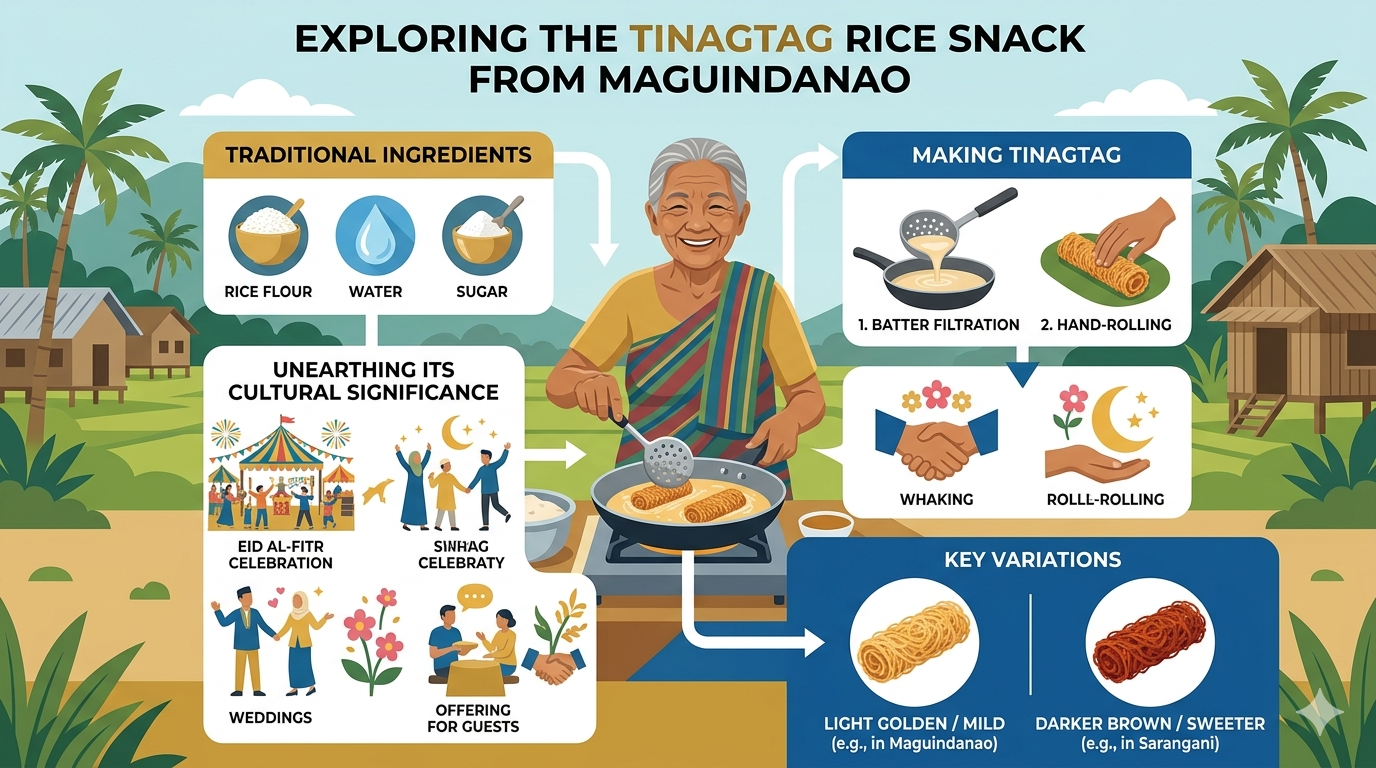
Illustration showing the preparation process and presentation of tinagtag.
Disclaimer
This article is for general informational and educational purposes only. It does not constitute professional medical, nutrition, or dietary advice. References to foods or preparation methods do not imply endorsement or guarantee of health outcomes. Consult licensed nutritionists, dietitians, or medical professionals for personalized guidance.
by Ramil Villar | Apr 4, 2026 | Food & Nutrition Basics
Understanding Sinina: Nutritional Insights into a Traditional Filipino Dish
A neutral overview of Sinina, its ingredients, and dietary considerations.
Sinina, a traditional Filipino dish featuring spiced beef, is commonly prepared with local seasonings such as garlic, pepper, soy sauce, and sometimes vinegar. This article provides an educational overview of the dish’s nutritional composition, ingredient considerations, and general dietary awareness in line with Philippine food safety and consumer protection standards. Readers will learn about macronutrient content, portion considerations, and safe consumption practices.
Ingredients Overview
Typical Sinina recipes include:
- Beef – primary source of protein, iron, and B-vitamins.
- Garlic and onion – flavoring agents with trace antioxidants.
- Vinegar and soy sauce – provide acidity and seasoning; may contribute sodium.
- Spices (black pepper, bay leaves, or local herbs) – minimal macronutrient contribution but enhance taste.
Nutritional Considerations
- Protein: Beef provides essential amino acids required for tissue maintenance.
- Fat: The fat content varies by cut; lean cuts have less saturated fat.
- Sodium: Soy sauce and added salt can increase sodium intake; moderation is advised under Philippine DOH guidelines.
- Micronutrients: Beef supplies iron, zinc, and B-vitamins, which are important for energy metabolism.
Hypothetical Portion Example
A neutral portion for general informational purposes:
- 100 g cooked lean beef
- 1 tablespoon soy sauce
- 1 teaspoon vinegar
- 1 clove garlic and small onion
This hypothetical portion provides an example of protein contribution and a basic macronutrient balance, without implying health outcomes or dietary advice.
Food Safety Notes
- Cook beef thoroughly to at least 63°C (145°F) to reduce microbial risks.
- Use clean utensils and storage containers to comply with Philippine FDA and LGU food handling standards.
- When consuming high-sodium seasonings, monitor overall daily sodium intake to stay within DOH-recommended limits.
Context
In nutrition science studies, beef is recognized as a nutrient-dense protein source. Sinina preparation typically involves marination and simmering, which can alter the fat content depending on the cut used. Under consumer protection and labeling standards, it is important to note sodium content and proper food handling. Dietary intake and nutrient absorption vary individually, and hypothetical portion examples do not predict health outcomes.
FAQs
Q: What macronutrients are in Sinina?
A: Sinina primarily contains protein from beef and small amounts of fat depending on the cut. Carbohydrates are minimal unless added through sauces or accompaniments.
Q: Can Sinina be part of a balanced diet?
A: As an informational example, lean beef provides protein and micronutrients. Overall diet balance depends on variety and portioning across all meals.
Q: Are there common safety considerations?
A: Cook beef thoroughly, practice hygienic food handling, and monitor sodium from seasonings to align with safety standards.
Trusted Sources
- Department of Health (DOH) Philippines – Nutrition Guidelines
- Food and Drug Administration Philippines – Food Safety Guidelines
- Philippine Dietary Reference Intakes (PDRI)
- Academic journals on meat nutrition and food safety
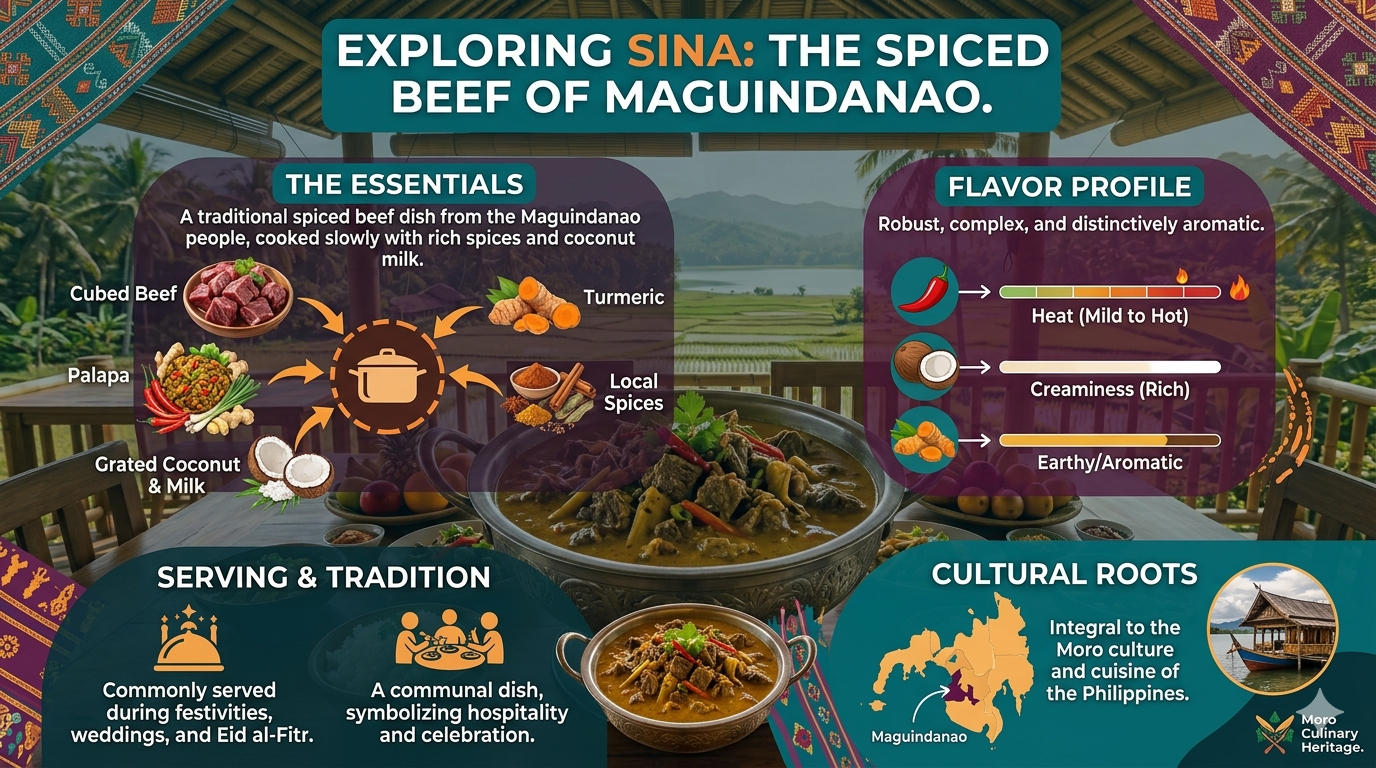
Infographic displaying common ingredients and cooking steps of Sinina.
Disclaimer
This article is for general informational and educational purposes only. It does not constitute professional medical, nutrition, or dietary advice. References to Sinina or its ingredients do not imply endorsement or guarantee of health outcomes. Readers are encouraged to consult licensed nutritionists, dietitians, or medical professionals for personalized guidance.
by Ramil Villar | Apr 4, 2026 | Food & Nutrition Basics
Understanding Pastil: A Neutral Overview of a Traditional Rice Meal
An educational introduction to a rice-based dish commonly prepared in parts of the southern Philippines, including its typical ingredients and basic nutrition context.
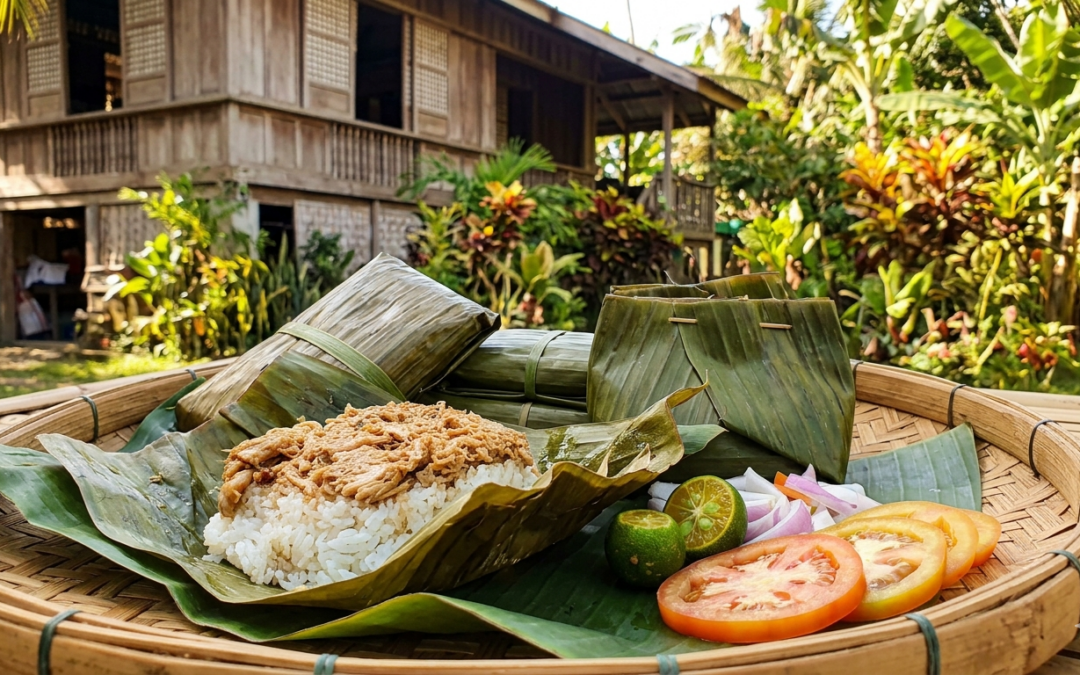
Pastil is a rice-based dish traditionally associated with communities in the southern Philippines, particularly in areas of Mindanao. The meal commonly consists of steamed rice topped with shredded meat and wrapped in banana leaves. This article explains the basic components of pastil, its preparation approach, and how it fits within general nutrition discussions about rice meals and balanced food groups under Philippine food and consumer safety guidance.
What Is Pastil?
Pastil is typically prepared by placing steamed white rice in a banana leaf wrapper and topping it with shredded meat. Chicken is commonly used, although some variations include fish or other proteins depending on regional practices. The shredded meat is usually sautéed with ingredients such as garlic, onions, and mild seasonings.
The banana leaf wrapper functions as a traditional food packaging method. It can help keep the rice compact and portable. In many communities, pastil is sold as a convenient meal or snack due to its simple preparation and compact format.
Typical Ingredients
A basic pastil preparation may include:
- Steamed white rice
- Shredded chicken or other cooked protein
- Garlic and onions
- Cooking oil for sautéing
- Salt or mild seasoning
- Banana leaves for wrapping
Some versions may also include a small portion of a spicy condiment or sauce served separately.
Nutritional Context
From a nutrition perspective, pastil illustrates a common structure found in many rice meals:
- Rice provides carbohydrates, which serve as a primary energy source in many diets.
- Shredded meat contributes protein and certain micronutrients depending on the type of meat used.
- Cooking ingredients such as garlic and onions contribute flavor and small amounts of dietary compounds.
The nutritional profile of any meal can vary based on ingredient quantities, preparation methods, and portion size.
Portion Awareness and Meal Balance
In general nutrition discussions, balanced meals often consider the combination of:
- carbohydrates (such as rice or grains)
- protein sources (such as poultry, fish, legumes, or other foods)
- vegetables or fruits where available
Pastil is primarily composed of rice and protein. Some individuals may choose to include vegetables or other foods in separate dishes as part of a broader meal pattern.
Food Culture and Consumer Awareness
Rice-based meals are widely consumed across the Philippines and many other regions. Traditional dishes like pastil reflect local cooking practices and food accessibility.
Under Philippine food safety and consumer protection frameworks—including guidance from the Department of Health and Food and Drug Administration Philippines—food preparation and food selling practices should follow sanitation, labeling, and safety standards when applicable.
Nutrition outcomes can vary significantly depending on overall dietary patterns, portion sizes, and individual health considerations. For personalized dietary planning, individuals typically consult licensed nutritionists, dietitians, or medical professionals.
FAQs
What type of food is pastil?
Pastil is a rice-based meal wrapped in banana leaves and commonly topped with shredded meat. It is traditionally associated with parts of southern Philippines cuisine.
What food groups are present in pastil?
Pastil generally includes carbohydrates from rice and protein from shredded meat. Additional nutrients depend on the ingredients used during preparation.
Why are banana leaves used in pastil?
Banana leaves are traditionally used as a natural food wrapper. They help contain the rice and meat mixture and are commonly used in various Southeast Asian food preparations.
Trusted Sources
- Department of Health – Nutrition and food safety advisories
- Food and Drug Administration Philippines – Food safety and labeling guidelines
- Food and Nutrition Research Institute – Philippine dietary research publications
- Peer-reviewed food science and nutrition journals
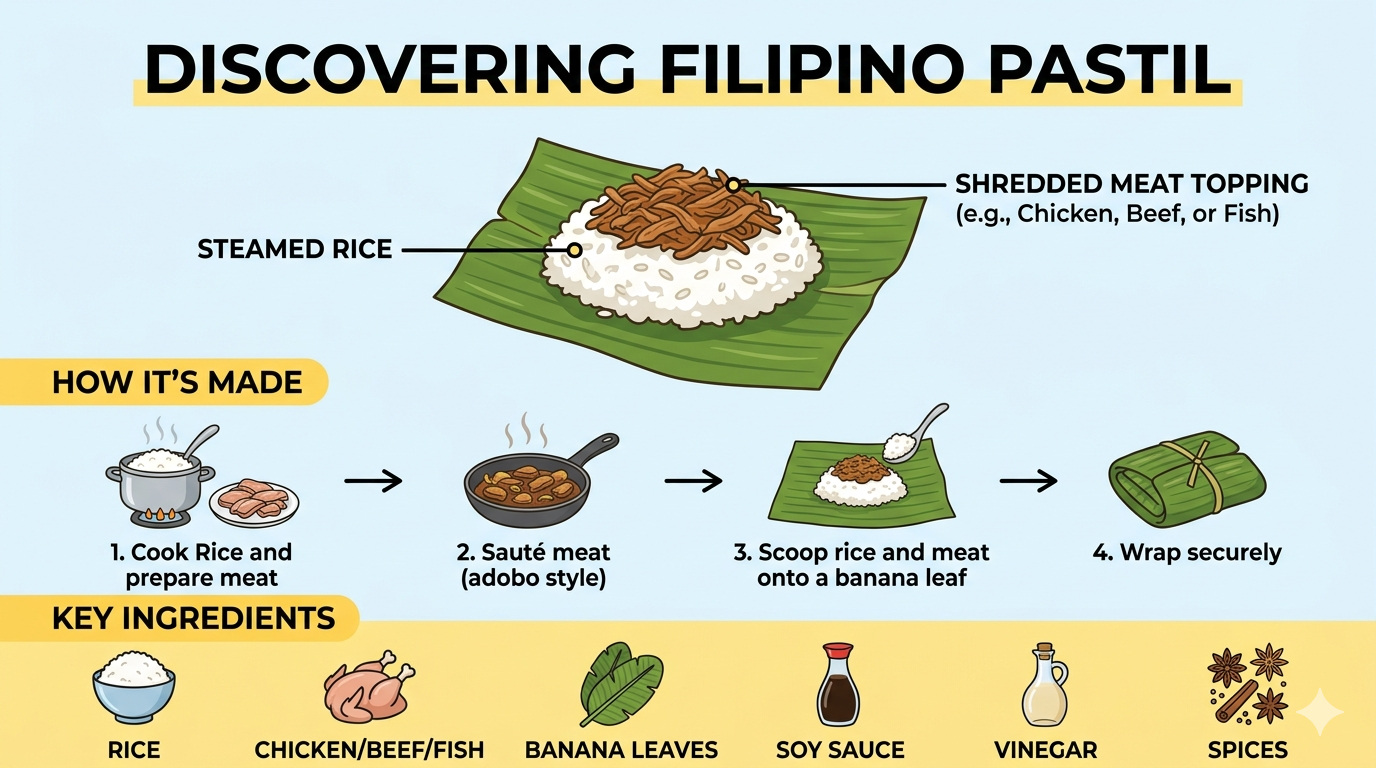
Illustrated layout presenting common ingredients and preparation elements associated with pastil.
Disclaimer
This article is for general informational and educational purposes only. It does not constitute professional medical, nutrition, or dietary advice. References to diets, foods, or supplements do not imply endorsement or guarantee of health outcomes. Readers are encouraged to consult licensed nutritionists, dietitians, or medical professionals for personalized guidance.
by Ramil Villar | Apr 4, 2026 | Food & Nutrition Basics
Understanding Tuna Panga Barbecue: A Neutral Overview of Ingredients, Preparation, and Nutrition Context
An educational look at a commonly served grilled seafood dish and its place within balanced dietary patterns.
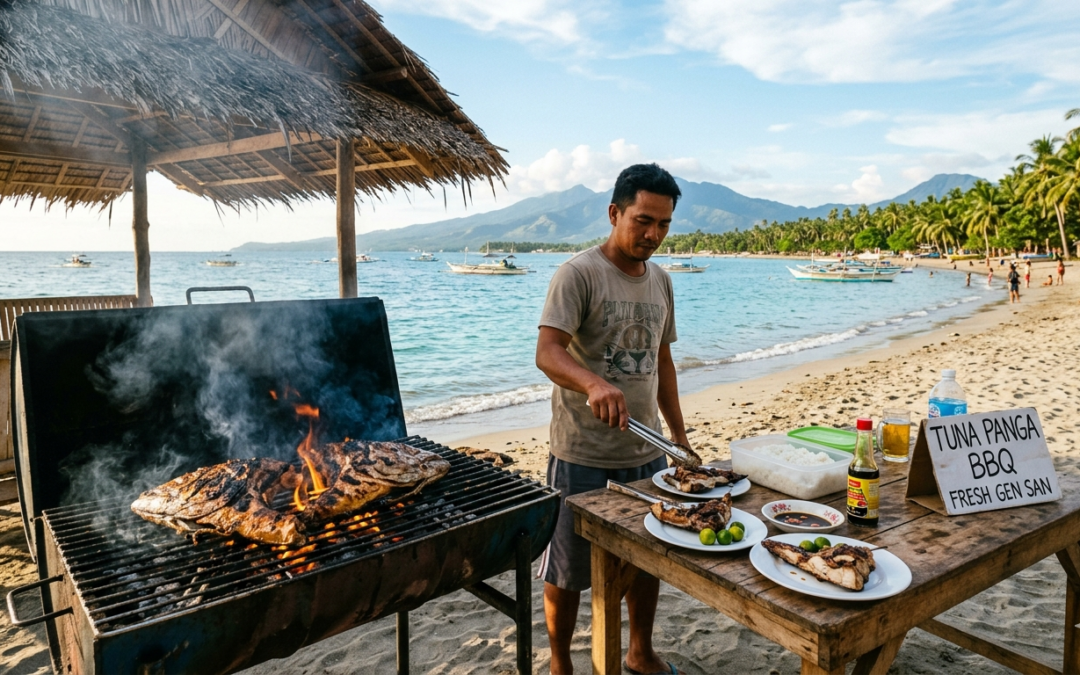
Grilled seafood dishes are widely present in many coastal food cultures, including the Philippines. One example is tuna panga barbecue, a preparation that uses the collar portion of a tuna fish and cooks it over charcoal or an open flame. This article explains the ingredients commonly associated with the dish, the nutritional components typically found in tuna, and general food safety and dietary considerations aligned with guidance from public health authorities such as the Department of Health (DOH) and FDA Philippines.
What Is Tuna Panga Barbecue?
“Tuna panga” refers to the collar section of a tuna, located between the head and body of the fish. This cut contains muscle tissue and natural fat deposits, which can influence texture and flavor when cooked.
In barbecue preparations commonly seen in local markets or restaurants:
- The tuna collar is usually marinated or brushed with seasoning mixtures
- It is grilled over charcoal or a heated grill surface
- The dish may be served with rice, dipping sauces, or vegetable side dishes
Preparation methods vary among households and food establishments.
Typical Ingredients Used in the Dish
Recipes for tuna panga barbecue differ depending on the cook or region. However, commonly reported ingredients include:
- Fresh tuna collar (panga)
- Soy sauce or similar savory seasoning
- Citrus juice such as calamansi
- Garlic
- Sugar or sweet marinade components
- Cooking oil or glaze
These ingredients contribute flavor and surface caramelization during grilling. Ingredient proportions differ depending on culinary preference.
General Nutrition Context of Tuna
Tuna belongs to a group of seafood products commonly discussed in nutrition science due to its nutrient composition. According to food composition references used in dietetics and food science, tuna typically contains:
Macronutrients
- Protein: fish muscle tissue naturally contains protein
- Fat: certain tuna cuts contain moderate amounts of fat
- Minimal carbohydrates unless added through marinades or sauces
Micronutrients commonly associated with tuna
- Selenium
- Vitamin B12
- Niacin (Vitamin B3)
- Phosphorus
The exact nutrient content varies depending on:
- tuna species
- portion size
- cooking method
- additional sauces or marinades
Grilling may alter moisture content and surface texture but does not necessarily represent a uniform nutritional outcome across all preparations.
Food Safety and Handling Considerations
Seafood preparation should follow food safety practices referenced in the Food Safety Act and FDA Philippines food handling guidance. General considerations include:
- Proper refrigeration of raw seafood before cooking
- Thorough cooking using adequate heat
- Avoiding cross-contamination between raw fish and ready-to-eat foods
- Observing hygienic handling practices in kitchens and food stalls
Local government units (LGUs) may also regulate food preparation standards in restaurants and public markets.
Example of a Hypothetical Balanced Meal Context
A grilled seafood dish such as tuna panga barbecue may appear as one component of a broader meal pattern. In nutrition education examples, a meal could include:
- Grilled tuna panga (protein source)
- Steamed rice or another grain (carbohydrate source)
- Cooked or fresh vegetables (fiber and micronutrients)
- Water or non-sweetened beverages for hydration
Meal composition and portion sizes vary depending on dietary needs, cultural habits, and individual preferences.
Dietary Balance and Food Variety
Nutrition science often emphasizes variety across food groups rather than reliance on a single dish or ingredient. Balanced dietary patterns typically consider:
- inclusion of multiple food groups
- portion awareness
- moderation in seasoning or added sugars and sodium
- regular intake of fruits, vegetables, and whole foods
Individual dietary needs differ due to age, lifestyle, and health conditions. Professional guidance may help individuals determine personalized dietary approaches.
FAQs
What part of the fish is tuna panga?
Tuna panga refers to the collar portion of the fish, located between the head and the body. This section contains muscle and fat tissues that influence flavor and texture when grilled.
Is tuna considered a protein source in nutrition discussions?
Fish such as tuna are commonly categorized as protein-containing foods in nutrition frameworks. Nutrient composition may vary by species, portion size, and cooking method.
Why is grilling a common cooking method for seafood?
Grilling exposes food to direct heat from charcoal, gas, or electric grills. This method can produce browning and surface flavor development during cooking.
Trusted Sources
- Department of Health (DOH) Philippines – General nutrition and food safety guidance
- FDA Philippines – Food safety regulations and consumer advisories
- Food and Agriculture Organization (FAO) – Fish nutrition references
- Peer-reviewed journals in nutrition science and food composition
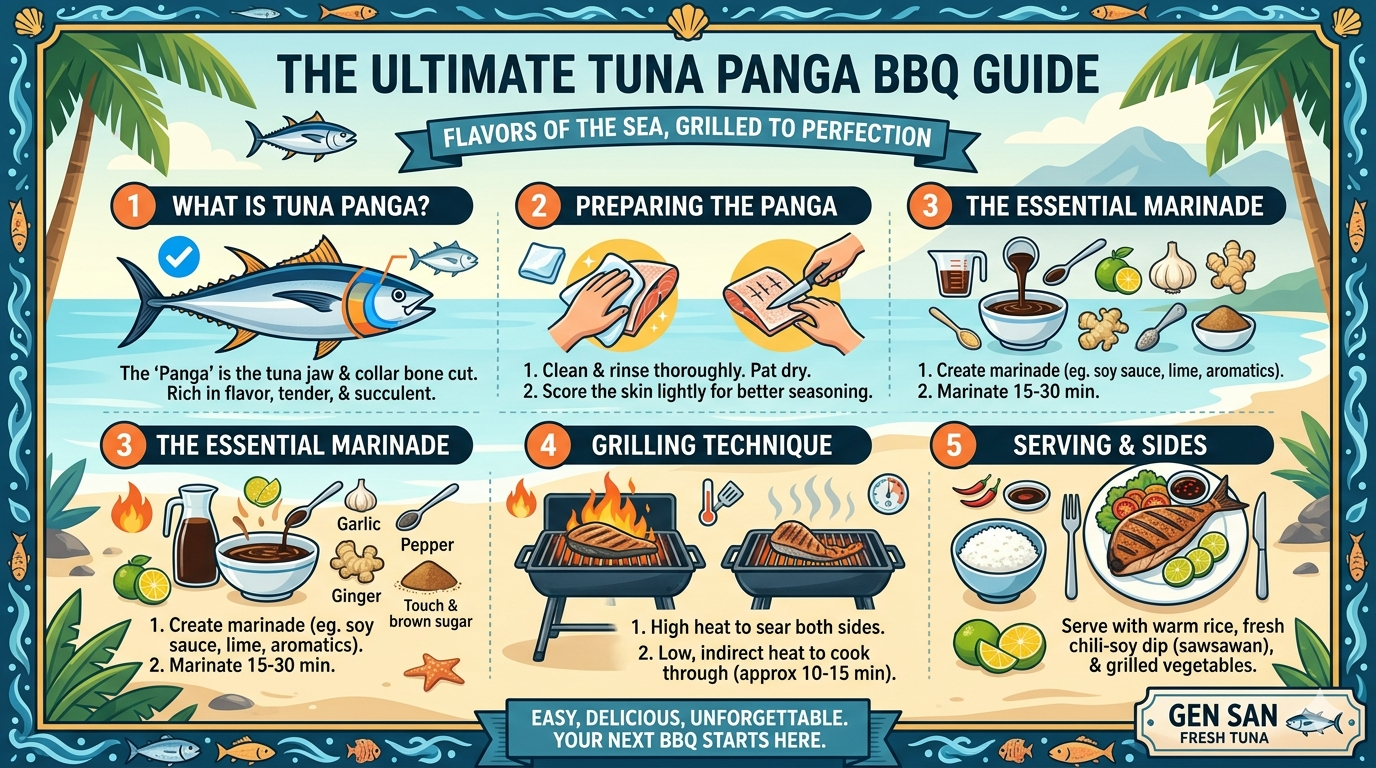
Infographic showing tuna collar cut, marinade elements, and grilling preparation.
Disclaimer
This article is for general informational and educational purposes only. It does not constitute professional medical, nutrition, or dietary advice. References to diets, foods, or supplements do not imply endorsement or guarantee of health outcomes. Readers are encouraged to consult licensed nutritionists, dietitians, or medical professionals for personalized guidance.