Tinagtag: An Informational Overview of a Traditional Rice Snack
What tinagtag is, how it’s made, and basic nutrition considerations (informational only)
Tinagtag is a traditional Filipino snack made from rice that is typically pan‑fried until crisp. This article provides an informational overview of tinagtag, describes general nutritional aspects of rice‑based snacks, and outlines considerations for consumers under Philippine food safety and labeling standards. It does not promote any specific brand, make dietary claims, or imply health outcomes.
What Is Tinagtag?
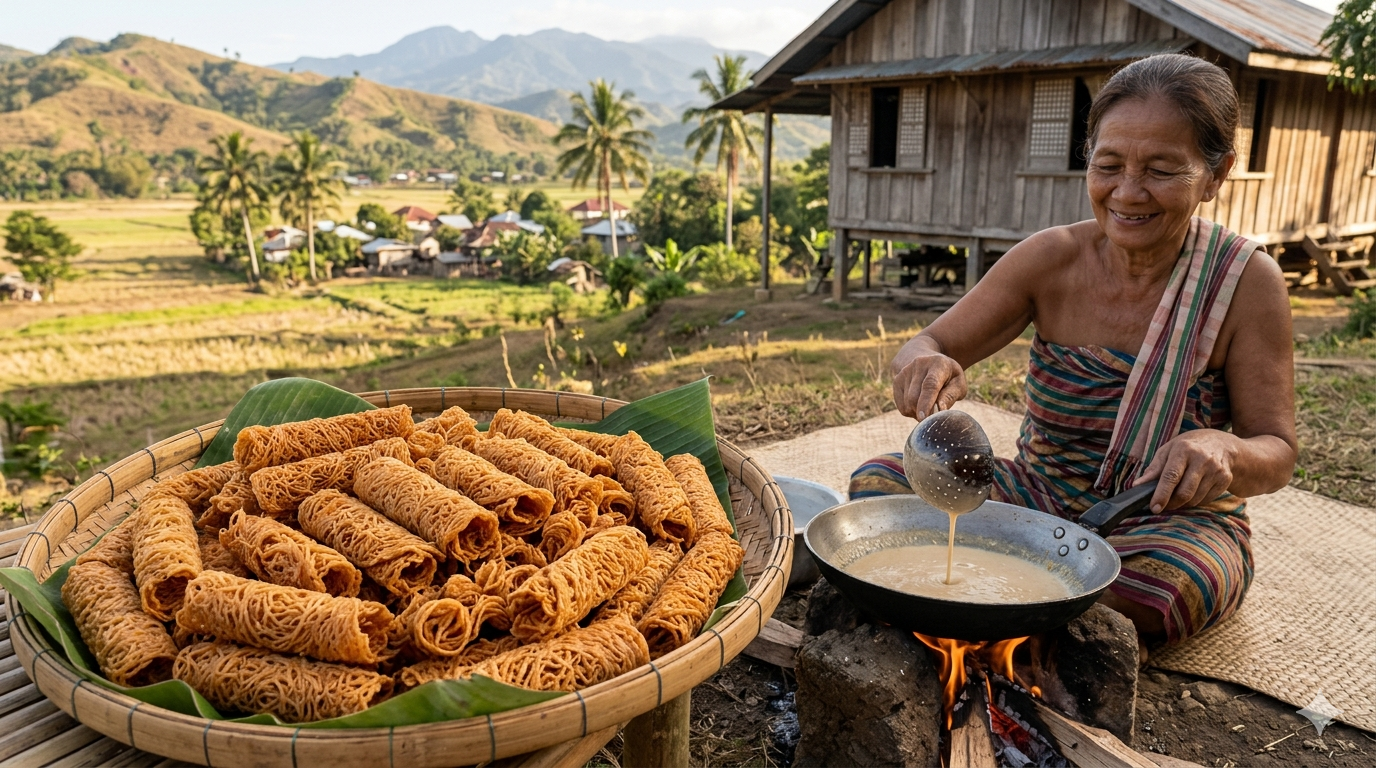
Tinagtag is a rice snack commonly found in some regions of the Philippines. It is prepared by flattening cooked rice into thin forms and pan‑frying the pieces until they turn crisp. The result is a crunchy snack with a texture similar to other crisped rice products.
The name “tinagtag” refers to the process of pressing and crisping the rice, and like many traditional snacks, recipes and preparation can vary by locality and household.
Basic Components and How It’s Made
Rice snacks such as tinagtag are typically made from the following core steps:
- Rice Selection: Typically uses cooked white rice (locally milled), though variations may use other rice types.
- Shaping: Warm cooked rice grains are pressed or flattened into thin sheets or small pieces.
- Drying (Optional): Some traditional methods involve sun‑drying the shaped rice to remove moisture before cooking.
- Cooking Method: The shaped rice is pan‑fried in a small amount of oil until crisp and lightly golden.
- Seasoning: Minimal seasoning may be added to taste, such as salt; in some cases, local herbs or spices may be used.
This description reflects typical communal or homemade preparation and does not reference a specific brand or commercial product.
Neutral Nutritional Considerations
Tinagtag and other rice‑based snacks are primarily comprised of carbohydrates, since rice is a staple grain. In general:
- Carbohydrates: Rice is a source of energy‑providing carbohydrates.
- Fat Content: The frying step can contribute additional fat, depending on the amount and type of oil used.
- Protein & Fiber: Plain rice has modest protein and relatively low fiber compared with whole grains.
- Sodium & Additives: Seasonings and commercial versions may add salt or flavorings; consumers who monitor sodium intake can check labels where available.
Due to variation in preparation and ingredients, exact nutrient content differs from one version to another.
Food Safety & Consumer Awareness (Philippine Context)
Under Philippine standards:
- Food Handling: The Department of Health (DOH) and Food and Drug Administration (FDA Philippines) recommend proper hygiene during preparation to reduce contamination risks.
- Labeling (Packaged Versions): Commercial snack products must comply with labeling requirements under the Food Safety Act and Consumer Act of the Philippines, including ingredient lists and allergen information.
- Ingredient Awareness: Consumers can review packaging labels for oil type, added seasonings, and serving size to make informed choices.
For homemade versions, general safe food handling practices—such as cooking rice thoroughly and using clean utensils—help maintain safety.
Rice Snacks and Nutrition Science
In nutrition science, food grains like rice provide energy through complex carbohydrates. Preparation methods affect nutrient profiles; for example, frying adds dietary fat compared with boiling or steaming. Consuming a variety of foods—including vegetables, lean proteins, and whole grains—can help support nutrient balance.
Nutrient needs differ by individual, and rice snacks are one of many culturally relevant foods enjoyed in moderation as part of overall dietary patterns.
FAQs
What is tinagtag made of?
Tinagtag is typically made from cooked rice that is pressed into thin pieces and pan‑fried until crisp. Variations may exist by region or household.
How does the cooking method affect nutrition?
Pan‑frying can increase the fat content of rice snacks compared with less‑oily cooking methods. Types of oil and amount used contribute to overall fat content.
Are packaged rice snacks required to have labels?
Yes. Under Philippine food labeling regulations, prepackaged snacks should display ingredient lists and nutrition information to help consumers make informed choices.
Trusted Sources
- Department of Health (DOH) – Philippines: official food safety and handling advisories
- Food and Drug Administration (FDA Philippines): food labeling and safety regulations
- Consumer Act of the Philippines (RA 7394): consumer protection provisions
- Food Safety Act of the Philippines: national standards for food production and labeling
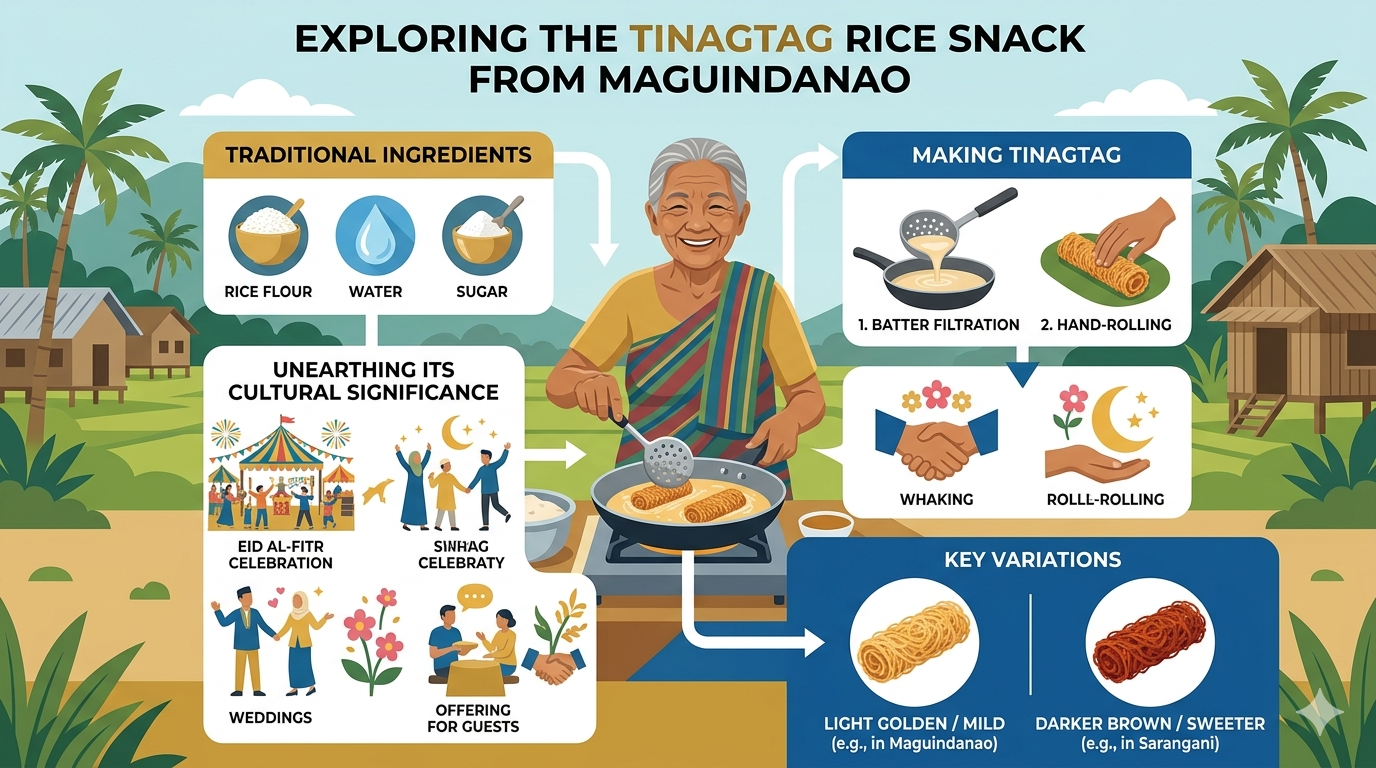
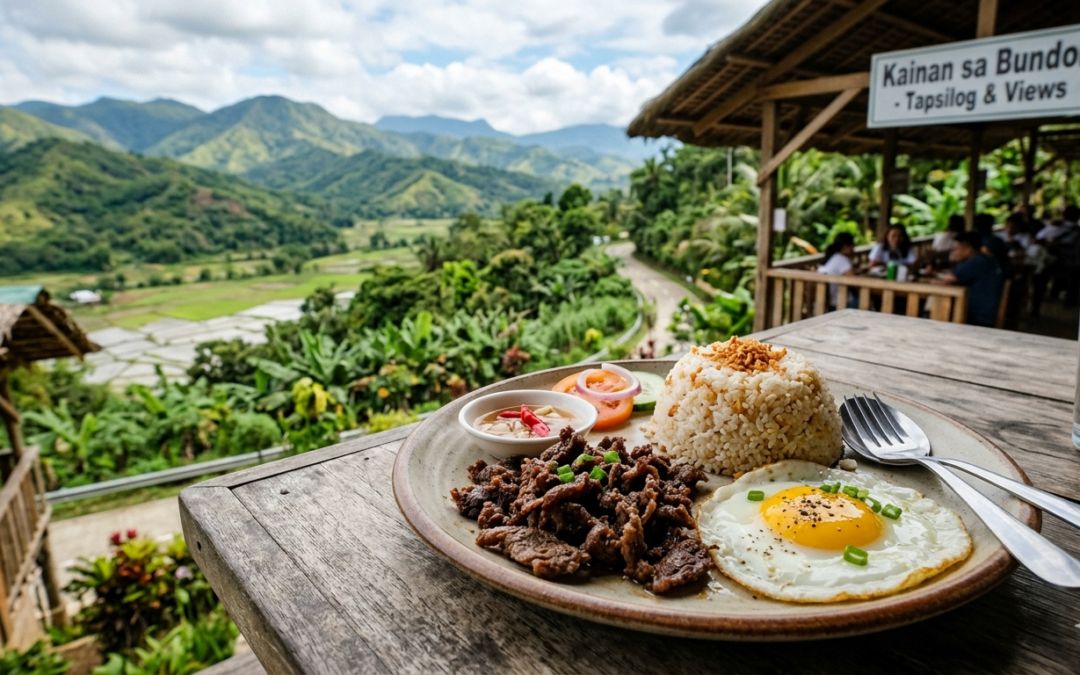
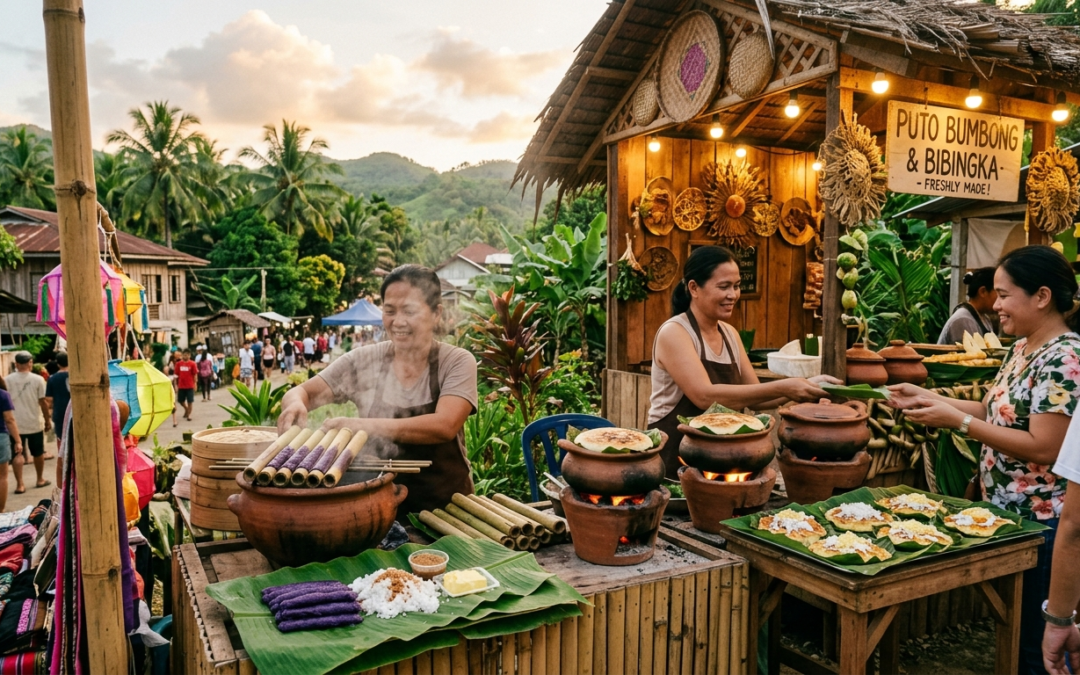
Illustration showing the preparation process and presentation of tinagtag.
Disclaimer
This article is for general informational and educational purposes only. It does not constitute professional medical, nutrition, or dietary advice. References to foods or preparation methods do not imply endorsement or guarantee of health outcomes. Consult licensed nutritionists, dietitians, or medical professionals for personalized guidance.