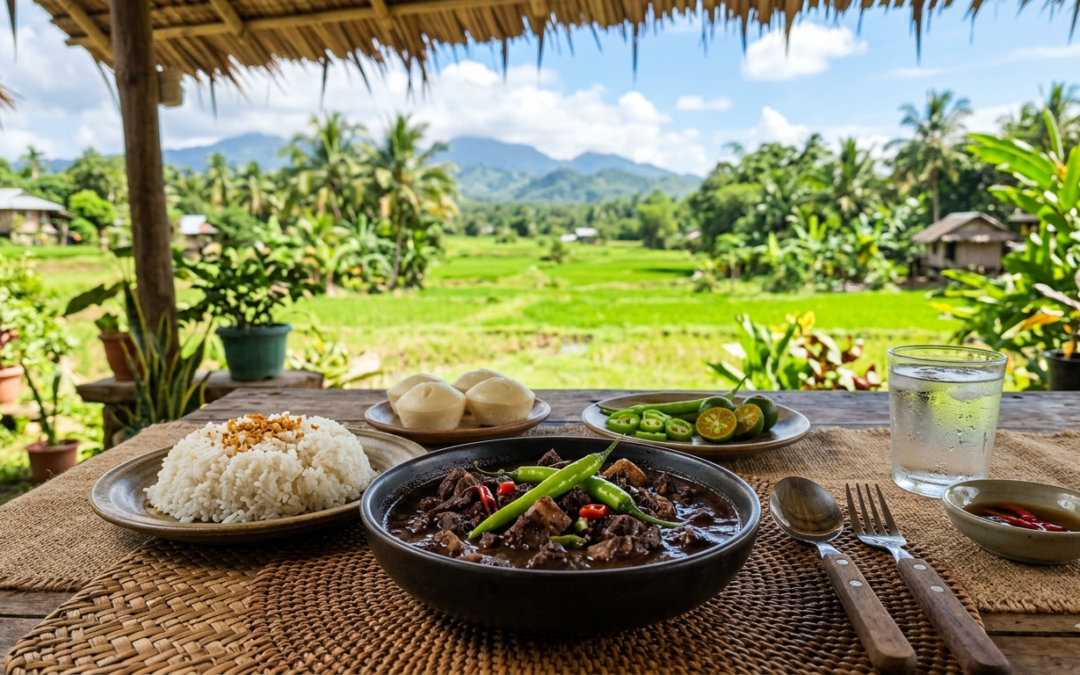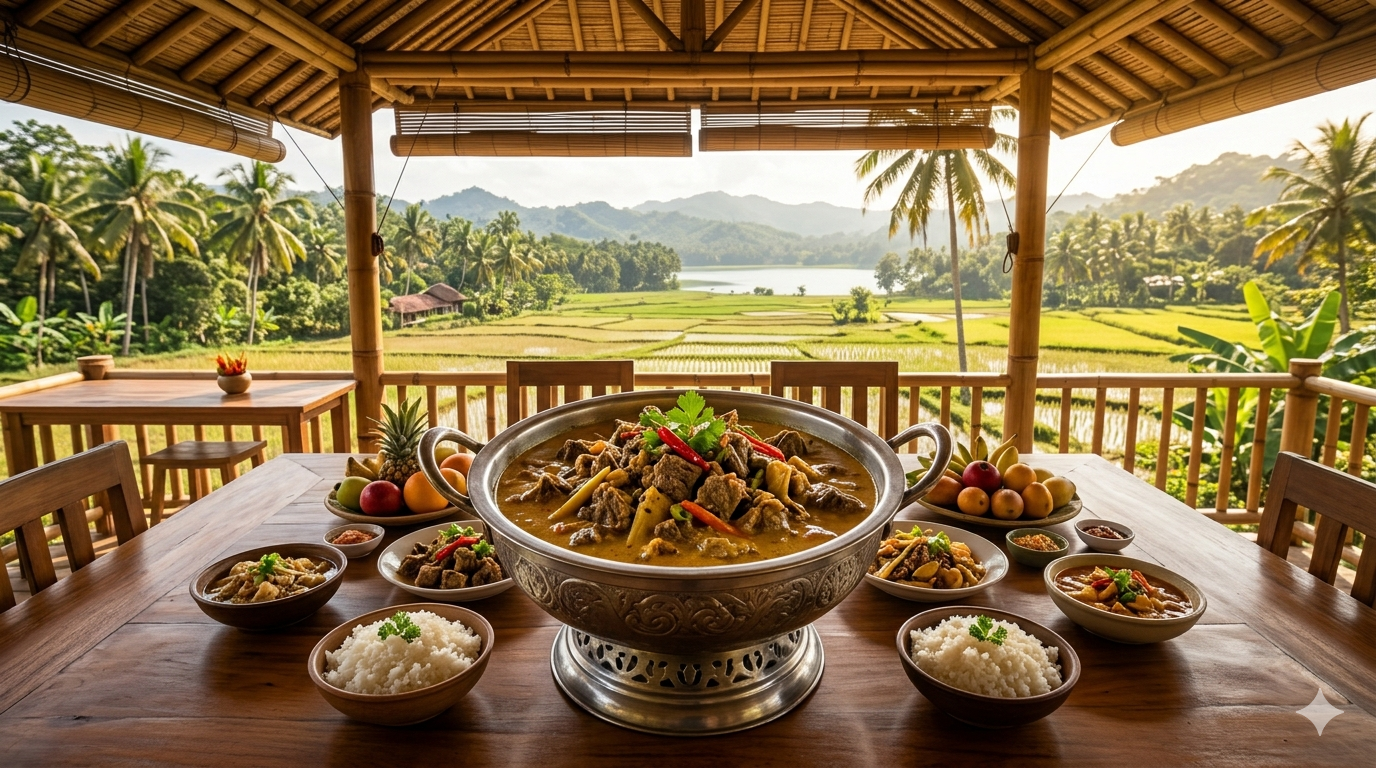
Understanding Sinina: Nutritional Insights into a Traditional Filipino Dish
A neutral overview of Sinina, its ingredients, and dietary considerations.
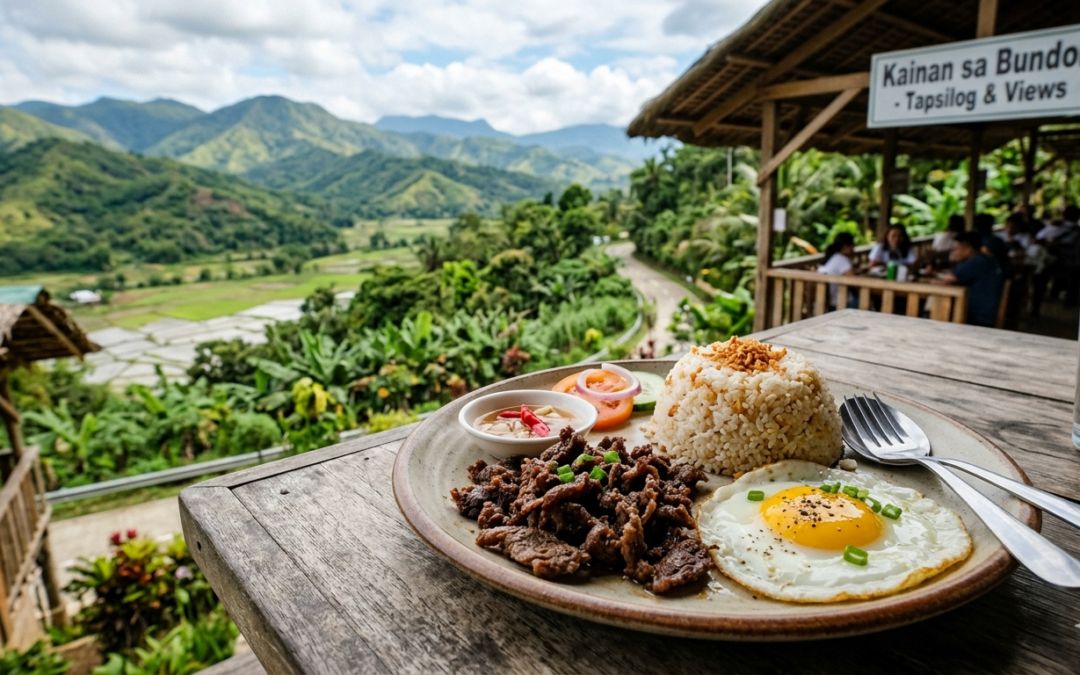
Sinina, a traditional Filipino dish featuring spiced beef, is commonly prepared with local seasonings such as garlic, pepper, soy sauce, and sometimes vinegar. This article provides an educational overview of the dish’s nutritional composition, ingredient considerations, and general dietary awareness in line with Philippine food safety and consumer protection standards. Readers will learn about macronutrient content, portion considerations, and safe consumption practices.
Ingredients Overview
Typical Sinina recipes include:
- Beef – primary source of protein, iron, and B-vitamins.
- Garlic and onion – flavoring agents with trace antioxidants.
- Vinegar and soy sauce – provide acidity and seasoning; may contribute sodium.
- Spices (black pepper, bay leaves, or local herbs) – minimal macronutrient contribution but enhance taste.
Nutritional Considerations
- Protein: Beef provides essential amino acids required for tissue maintenance.
- Fat: The fat content varies by cut; lean cuts have less saturated fat.
- Sodium: Soy sauce and added salt can increase sodium intake; moderation is advised under Philippine DOH guidelines.
- Micronutrients: Beef supplies iron, zinc, and B-vitamins, which are important for energy metabolism.
Hypothetical Portion Example
A neutral portion for general informational purposes:
- 100 g cooked lean beef
- 1 tablespoon soy sauce
- 1 teaspoon vinegar
- 1 clove garlic and small onion
This hypothetical portion provides an example of protein contribution and a basic macronutrient balance, without implying health outcomes or dietary advice.
Food Safety Notes
- Cook beef thoroughly to at least 63°C (145°F) to reduce microbial risks.
- Use clean utensils and storage containers to comply with Philippine FDA and LGU food handling standards.
- When consuming high-sodium seasonings, monitor overall daily sodium intake to stay within DOH-recommended limits.
Context
In nutrition science studies, beef is recognized as a nutrient-dense protein source. Sinina preparation typically involves marination and simmering, which can alter the fat content depending on the cut used. Under consumer protection and labeling standards, it is important to note sodium content and proper food handling. Dietary intake and nutrient absorption vary individually, and hypothetical portion examples do not predict health outcomes.
FAQs
Q: What macronutrients are in Sinina?
A: Sinina primarily contains protein from beef and small amounts of fat depending on the cut. Carbohydrates are minimal unless added through sauces or accompaniments.
Q: Can Sinina be part of a balanced diet?
A: As an informational example, lean beef provides protein and micronutrients. Overall diet balance depends on variety and portioning across all meals.
Q: Are there common safety considerations?
A: Cook beef thoroughly, practice hygienic food handling, and monitor sodium from seasonings to align with safety standards.
Trusted Sources
- Department of Health (DOH) Philippines – Nutrition Guidelines
- Food and Drug Administration Philippines – Food Safety Guidelines
- Philippine Dietary Reference Intakes (PDRI)
- Academic journals on meat nutrition and food safety
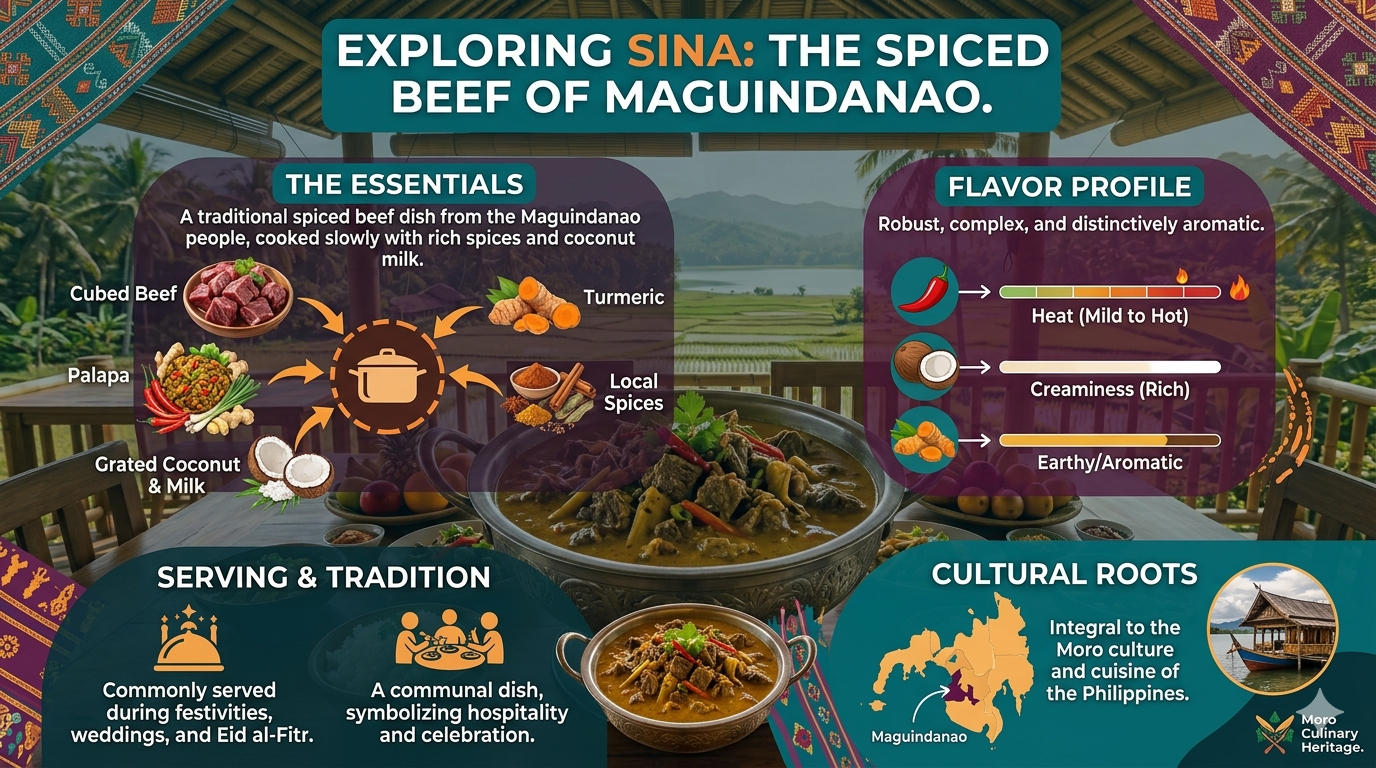
Infographic displaying common ingredients and cooking steps of Sinina.
Disclaimer
This article is for general informational and educational purposes only. It does not constitute professional medical, nutrition, or dietary advice. References to Sinina or its ingredients do not imply endorsement or guarantee of health outcomes. Readers are encouraged to consult licensed nutritionists, dietitians, or medical professionals for personalized guidance.