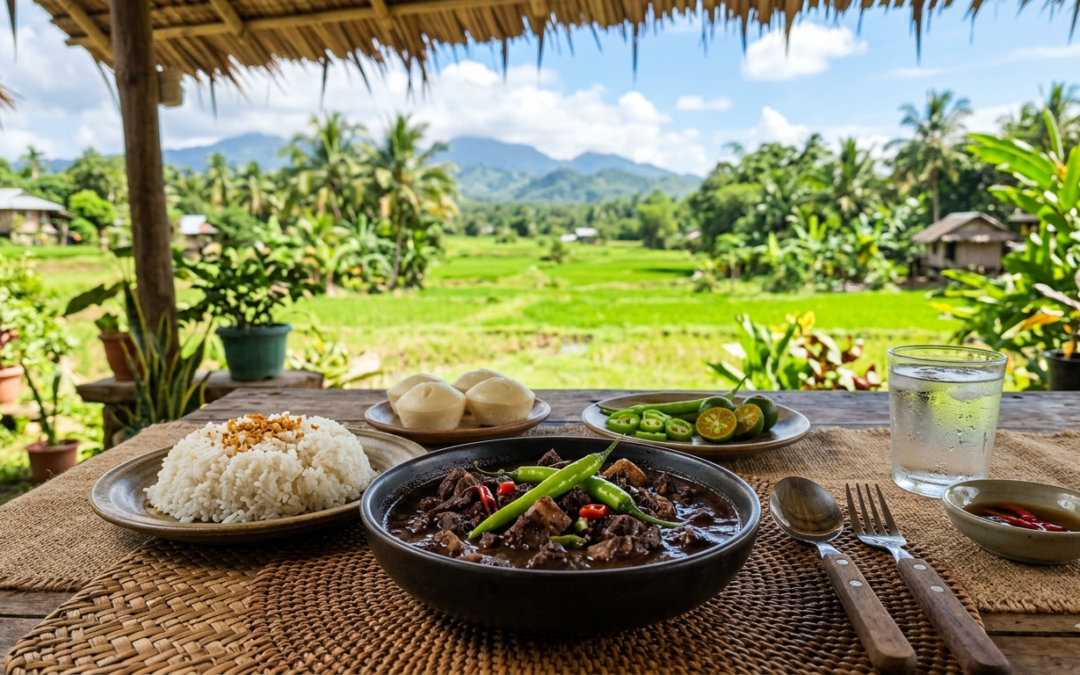
Understanding Pastil: A Neutral Overview of a Traditional Rice Meal
An educational introduction to a rice-based dish commonly prepared in parts of the southern Philippines, including its typical ingredients and basic nutrition context.
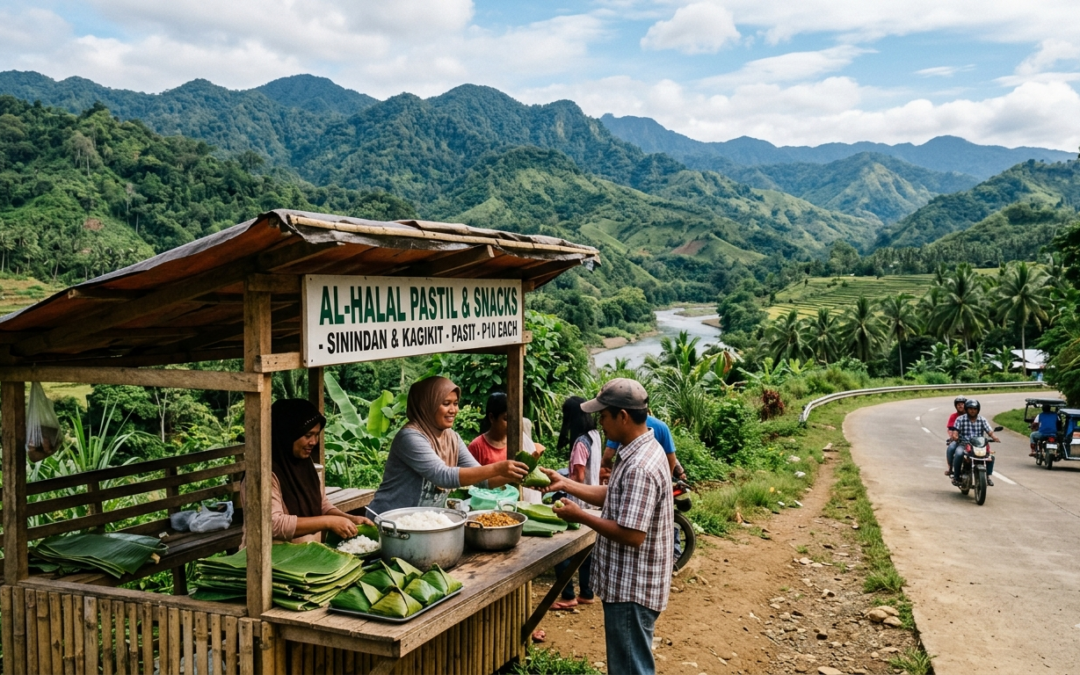
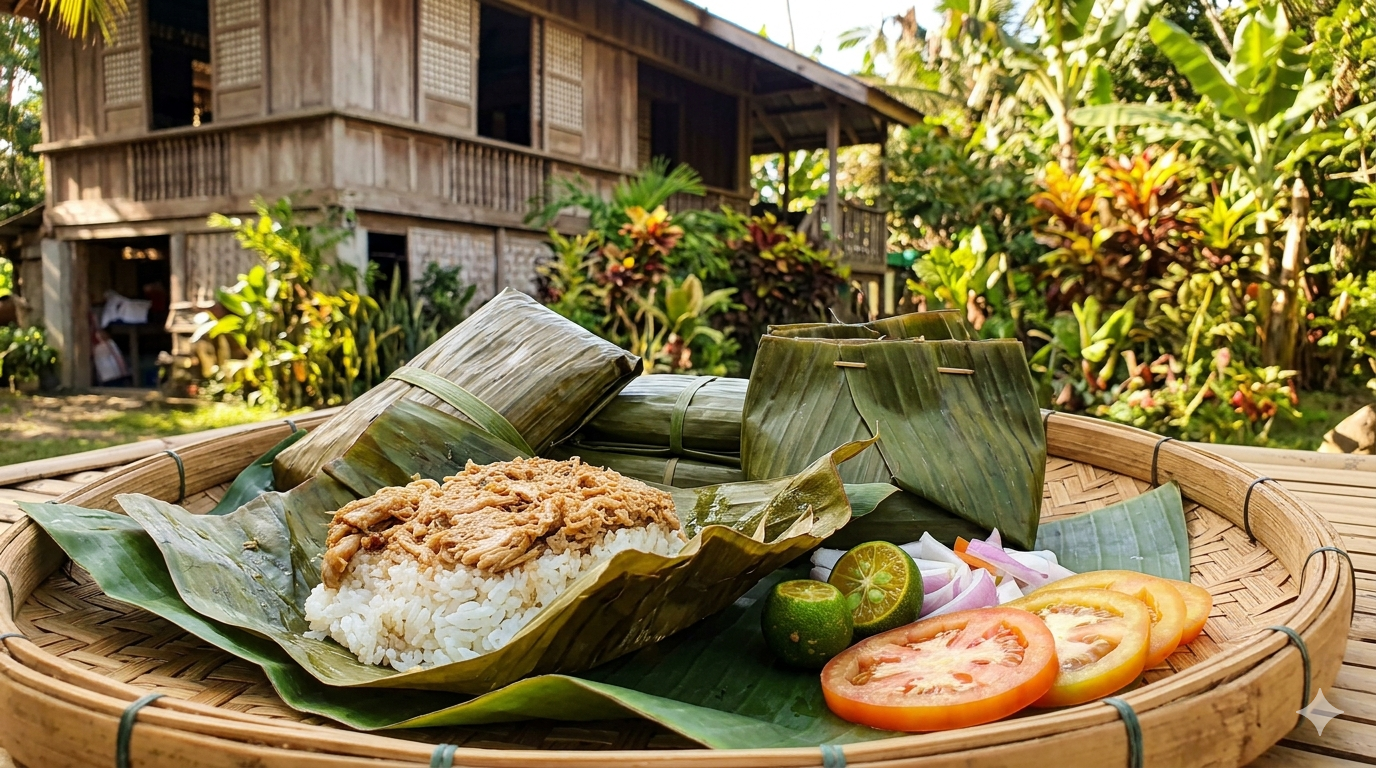
Pastil is a rice-based dish traditionally associated with communities in the southern Philippines, particularly in areas of Mindanao. The meal commonly consists of steamed rice topped with shredded meat and wrapped in banana leaves. This article explains the basic components of pastil, its preparation approach, and how it fits within general nutrition discussions about rice meals and balanced food groups under Philippine food and consumer safety guidance.
What Is Pastil?
Pastil is typically prepared by placing steamed white rice in a banana leaf wrapper and topping it with shredded meat. Chicken is commonly used, although some variations include fish or other proteins depending on regional practices. The shredded meat is usually sautéed with ingredients such as garlic, onions, and mild seasonings.
The banana leaf wrapper functions as a traditional food packaging method. It can help keep the rice compact and portable. In many communities, pastil is sold as a convenient meal or snack due to its simple preparation and compact format.
Typical Ingredients
A basic pastil preparation may include:
- Steamed white rice
- Shredded chicken or other cooked protein
- Garlic and onions
- Cooking oil for sautéing
- Salt or mild seasoning
- Banana leaves for wrapping
Some versions may also include a small portion of a spicy condiment or sauce served separately.
Nutritional Context
From a nutrition perspective, pastil illustrates a common structure found in many rice meals:
- Rice provides carbohydrates, which serve as a primary energy source in many diets.
- Shredded meat contributes protein and certain micronutrients depending on the type of meat used.
- Cooking ingredients such as garlic and onions contribute flavor and small amounts of dietary compounds.
The nutritional profile of any meal can vary based on ingredient quantities, preparation methods, and portion size.
Portion Awareness and Meal Balance
In general nutrition discussions, balanced meals often consider the combination of:
- carbohydrates (such as rice or grains)
- protein sources (such as poultry, fish, legumes, or other foods)
- vegetables or fruits where available
Pastil is primarily composed of rice and protein. Some individuals may choose to include vegetables or other foods in separate dishes as part of a broader meal pattern.
Food Culture and Consumer Awareness
Rice-based meals are widely consumed across the Philippines and many other regions. Traditional dishes like pastil reflect local cooking practices and food accessibility.
Under Philippine food safety and consumer protection frameworks—including guidance from the Department of Health and Food and Drug Administration Philippines—food preparation and food selling practices should follow sanitation, labeling, and safety standards when applicable.
Nutrition outcomes can vary significantly depending on overall dietary patterns, portion sizes, and individual health considerations. For personalized dietary planning, individuals typically consult licensed nutritionists, dietitians, or medical professionals.
FAQs
What type of food is pastil?
Pastil is a rice-based meal wrapped in banana leaves and commonly topped with shredded meat. It is traditionally associated with parts of southern Philippines cuisine.
What food groups are present in pastil?
Pastil generally includes carbohydrates from rice and protein from shredded meat. Additional nutrients depend on the ingredients used during preparation.
Why are banana leaves used in pastil?
Banana leaves are traditionally used as a natural food wrapper. They help contain the rice and meat mixture and are commonly used in various Southeast Asian food preparations.
Trusted Sources
- Department of Health – Nutrition and food safety advisories
- Food and Drug Administration Philippines – Food safety and labeling guidelines
- Food and Nutrition Research Institute – Philippine dietary research publications
- Peer-reviewed food science and nutrition journals
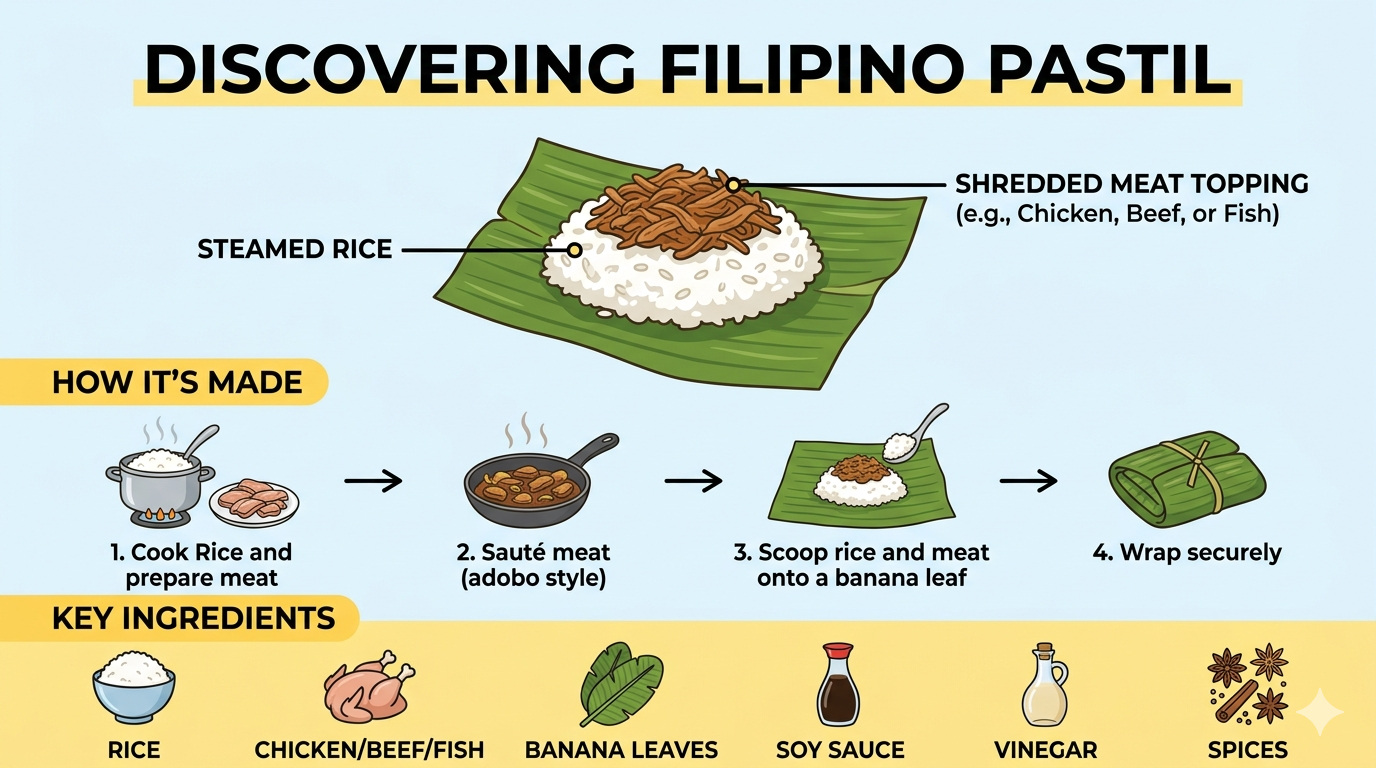
Illustrated layout presenting common ingredients and preparation elements associated with pastil.
Disclaimer
This article is for general informational and educational purposes only. It does not constitute professional medical, nutrition, or dietary advice. References to diets, foods, or supplements do not imply endorsement or guarantee of health outcomes. Readers are encouraged to consult licensed nutritionists, dietitians, or medical professionals for personalized guidance.