by Ramil Villar | Apr 4, 2026 | Food & Nutrition Basics
Piyanggang: An Educational Overview of a Filipino Dish
A neutral look at Piyanggang, its ingredients, and nutritional considerations.
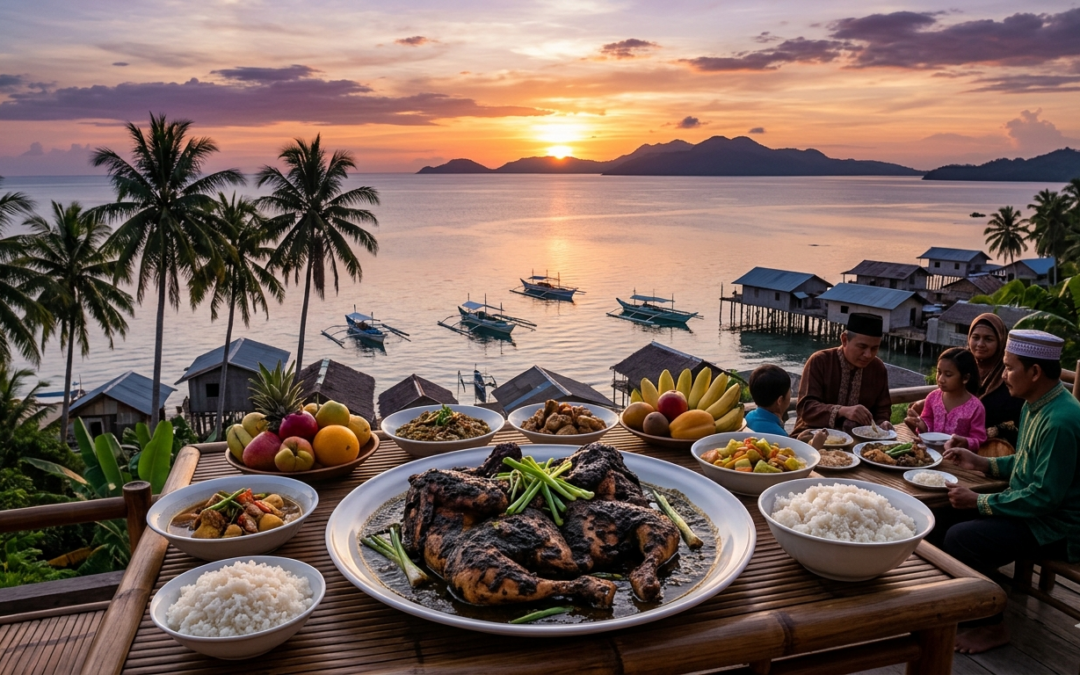
Piyanggang is a traditional Filipino dish originating from the Tausug people of Mindanao. This article provides an educational overview of the dish, its common ingredients, and neutral insights into its nutritional components. It references Philippine food safety and labeling standards as issued by the Department of Health (DOH) and the Food and Drug Administration (FDA).
What is Piyanggang?
Piyanggang is typically made from chicken or other protein sources marinated in a mix of turmeric, coconut milk, and spices. It is commonly cooked slowly to allow flavors to meld. The dish often includes ingredients like garlic, onions, and chili, which contribute to its aromatic profile.
Nutritional Components
- Protein: Primarily from chicken or other protein sources.
- Fat: From coconut milk, which contains saturated fats; moderation can help manage intake.
- Carbohydrates: Minimal, mostly from small amounts of added vegetables or accompaniments like rice.
- Micronutrients: Turmeric provides curcumin, a plant compound with ongoing research on antioxidant properties; garlic and onions provide trace vitamins and minerals.
Hypothetical Meal Planning Context
A neutral example of including Piyanggang in a meal plan:
- 100 grams of Piyanggang chicken
- ½ cup steamed vegetables
- ½ cup cooked rice
This represents a balanced plate in terms of protein, fat, and carbohydrate distribution without implying health or weight outcomes.
Food Safety Considerations
- Ensure chicken is properly cooked to an internal temperature of 74°C (165°F) to reduce the risk of foodborne illness.
- Store coconut milk and spices according to packaging instructions to maintain quality and safety.
- Wash vegetables thoroughly before preparation.
Context
In nutrition science studies, traditional Filipino dishes like Piyanggang provide a mix of macronutrients and bioactive compounds. Under consumer protection and labeling standards, portion control and ingredient awareness are important for general dietary planning. Dietary results vary individually, and personal health needs should be assessed by licensed nutrition or medical professionals.
FAQs
Q: What is the main ingredient in Piyanggang?
A: The main ingredient is typically chicken, marinated in turmeric and coconut milk.
Q: Is Piyanggang high in fat?
A: The fat content depends on the use of coconut milk, which contains saturated fat. Portions can be adjusted as part of general meal planning.
Q: Can Piyanggang be part of a balanced diet?
A: In nutrition education, Piyanggang can be included in meals with complementary vegetables and grains for macronutrient balance.
Trusted Sources
- Department of Health Philippines: Food Safety Guidelines
- Food and Drug Administration Philippines: Food Labeling and Nutrition Standards
- Philippine Dietary Reference Intakes (PDRI)
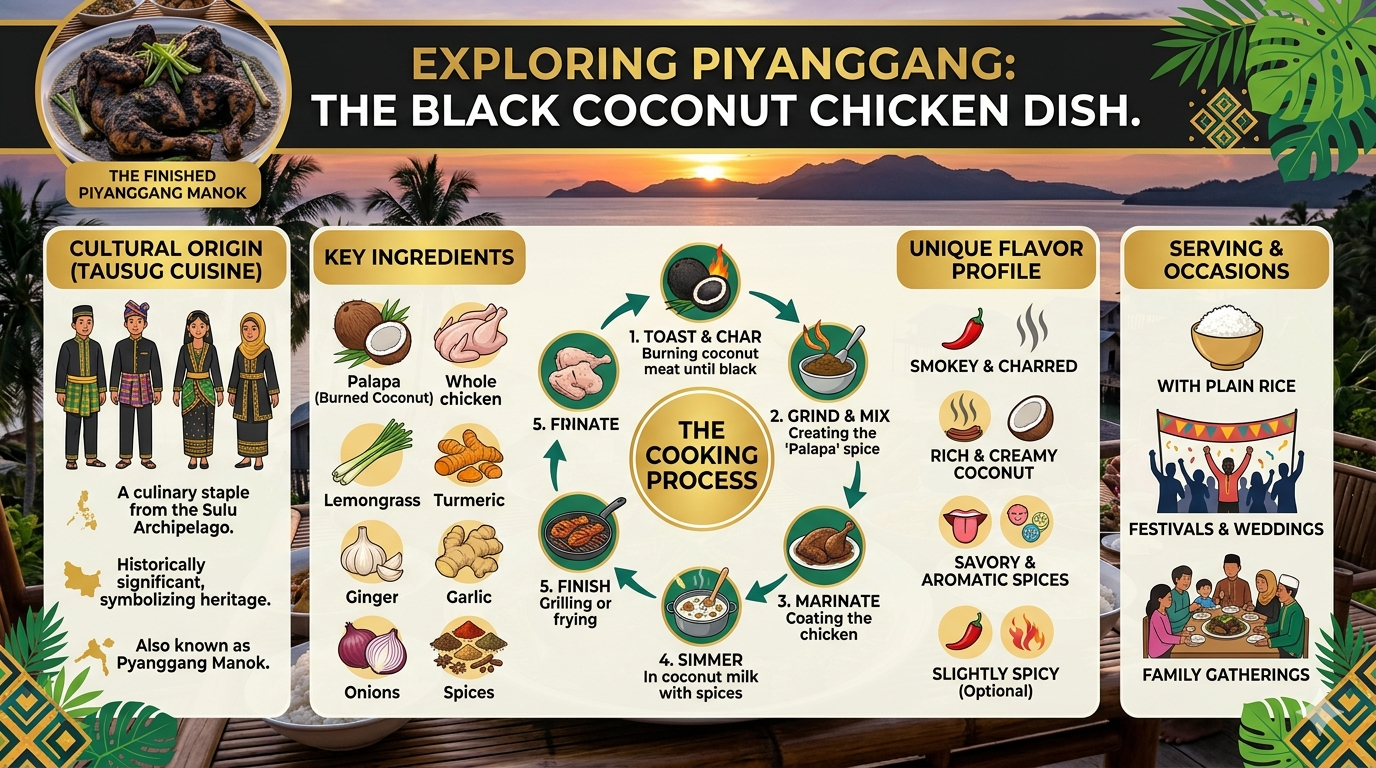
Visual infographic depicting common ingredients and preparation steps for Piyanggang.
Disclaimer
This article is for general informational and educational purposes only. It does not constitute professional medical, nutrition, or dietary advice. References to Piyanggang or ingredients do not imply endorsement or guarantee of health outcomes. Readers are encouraged to consult licensed nutritionists, dietitians, or medical professionals for personalized guidance.
by Ramil Villar | Apr 4, 2026 | Food & Nutrition Basics
Tiyula Itum: Traditional Filipino Black Soup and Its Nutritional Overview
An educational overview of Tiyula Itum, its ingredients, and dietary considerations.
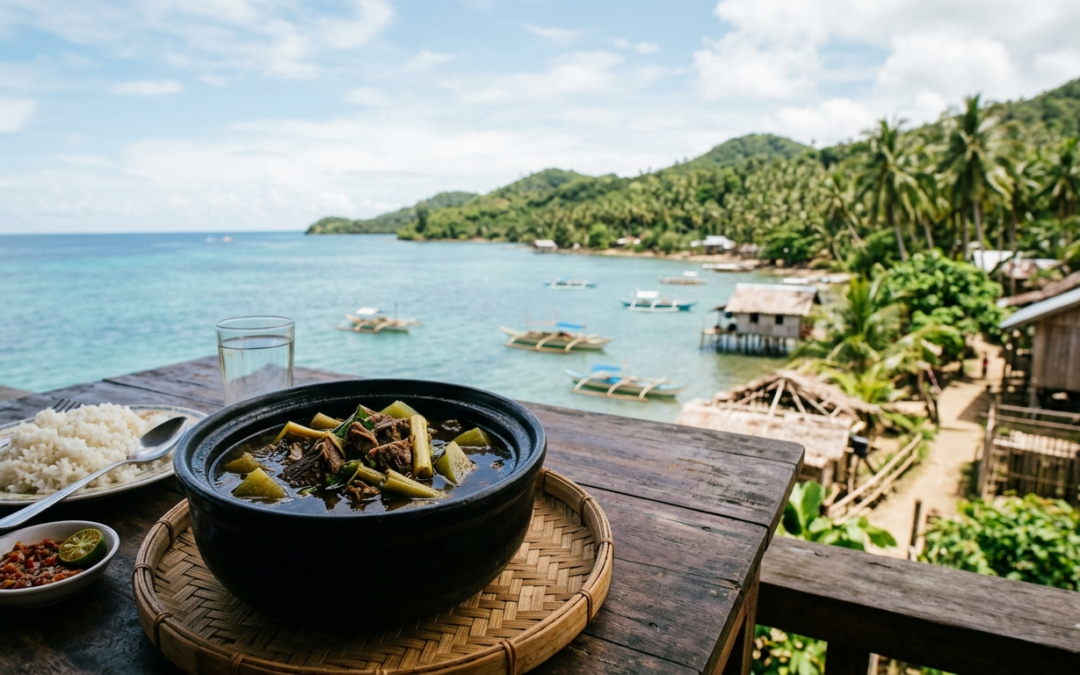
Tiyula Itum is a traditional Filipino dish from the Tausug people of Mindanao. It is a black-colored soup primarily made with beef or goat meat, coconut milk, and burnt coconut for coloring. This article provides a neutral exploration of its typical ingredients, nutritional components, and general dietary considerations under Philippine food safety and consumer protection guidelines.
Ingredients and Nutritional Components
Tiyula Itum is generally prepared using the following ingredients:
- Meat (beef or goat): A source of protein, iron, and vitamin B12. Protein supports cellular function and tissue repair.
- Burnt coconut (charred coconut meat): Provides color and a small amount of dietary fiber. Charred components may contain trace antioxidants but are mostly used for flavoring and appearance.
- Coconut milk: Contains saturated fat and contributes to energy intake; also a source of potassium and magnesium.
- Spices (e.g., turmeric, ginger, garlic, lemongrass, chili): Add flavor and phytochemicals but generally contribute minimal macronutrients.
- Rice (commonly served as a side): A carbohydrate source providing energy and fiber if unrefined.
Dietary Considerations
- Portion balance: Combining protein, fats, and carbohydrates supports overall nutrient balance.
- Saturated fat intake: Coconut milk is high in saturated fat, so moderation is advisable, particularly for individuals monitoring lipid intake.
- Food safety: Under Philippine food safety standards (DOH, FDA), meat should be properly cooked to reduce microbial contamination. Proper handling and storage are essential.
Hypothetical Nutrient Breakdown (per 1 serving, approx. 250g)
| Nutrient |
Approximate Amount |
| Calories |
250–350 kcal |
| Protein |
15–20 g |
| Fat |
15–20 g (mostly from coconut milk) |
| Carbohydrates |
10–15 g |
| Fiber |
1–2 g |
| Sodium |
Variable (depends on added salt and seasoning) |
Context
In nutrition science studies, traditional dishes like Tiyula Itum are recognized for cultural and culinary value rather than specific health outcomes. Under consumer protection and labeling standards, it is important to understand ingredient content, portion sizes, and preparation methods. Dietary results vary individually, and consulting licensed nutrition or medical professionals can help with personal dietary planning.
FAQs
Q1: What is Tiyula Itum?
A traditional black-colored soup from Mindanao, Philippines, typically made with meat, coconut milk, and charred coconut.
Q2: What nutrients does it provide?
Primarily protein, saturated fats, and some micronutrients like iron, potassium, and magnesium.
Q3: Is Tiyula Itum considered a balanced meal?
It contains protein and fats, and when paired with a carbohydrate source like rice, it can contribute to a balanced macronutrient intake. Individual needs vary.
Trusted Sources
- Department of Health (DOH) Philippines — Food Safety Guidelines
- Food and Drug Administration (FDA) Philippines — Nutrition Labeling References
- Academic references on Filipino culinary practices (peer-reviewed journals on food science and nutrition)
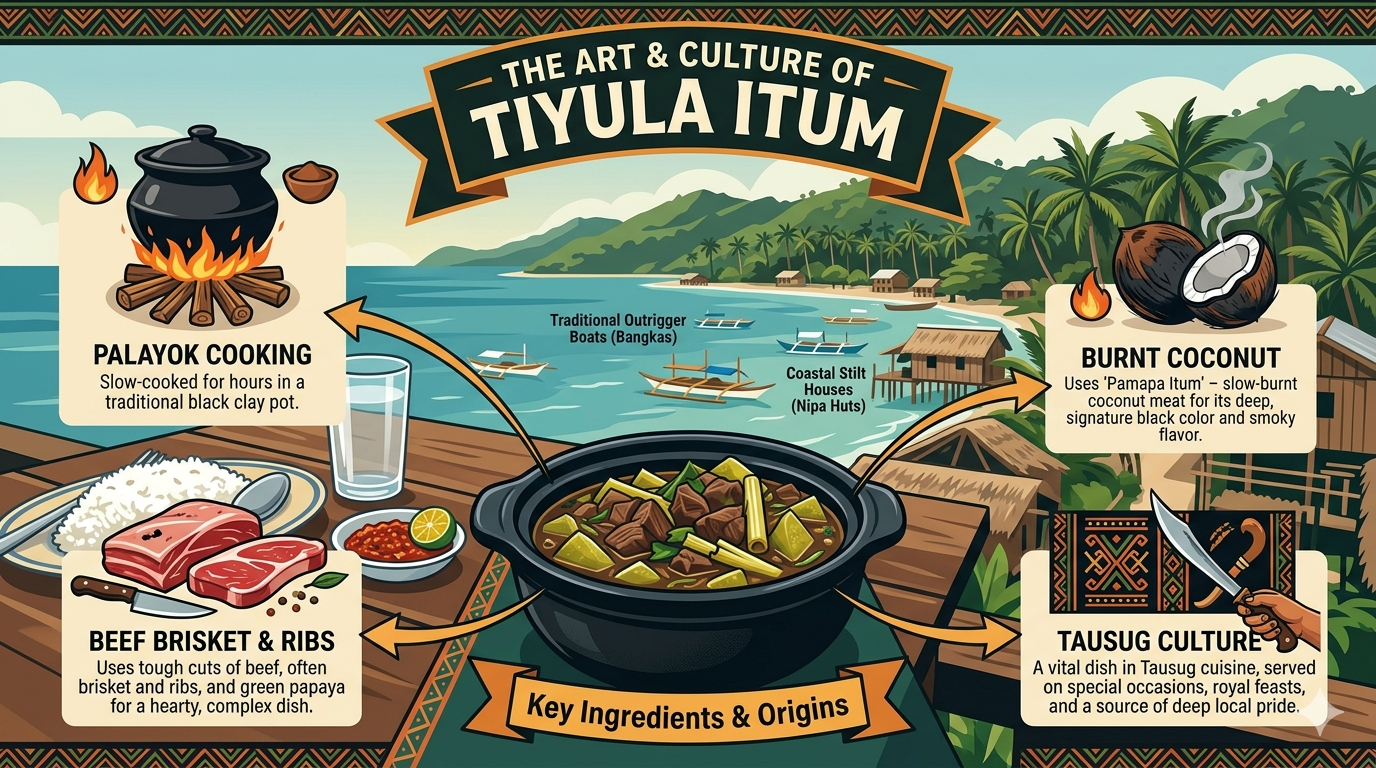
Illustrative infographic displaying key ingredients of Tiyula Itum soup
Disclaimer
This article is for general informational and educational purposes only. It does not constitute professional medical, nutrition, or dietary advice. References to dishes, foods, or ingredients do not imply endorsement or guarantee of health outcomes. Readers are encouraged to consult licensed nutritionists, dietitians, or medical professionals for personalized guidance.
by Ramil Villar | Apr 4, 2026 | Food & Nutrition Basics
Understanding Dudol: A Traditional Filipino Sweet Delicacy
A neutral overview of ingredients, nutrition, and cultural context.
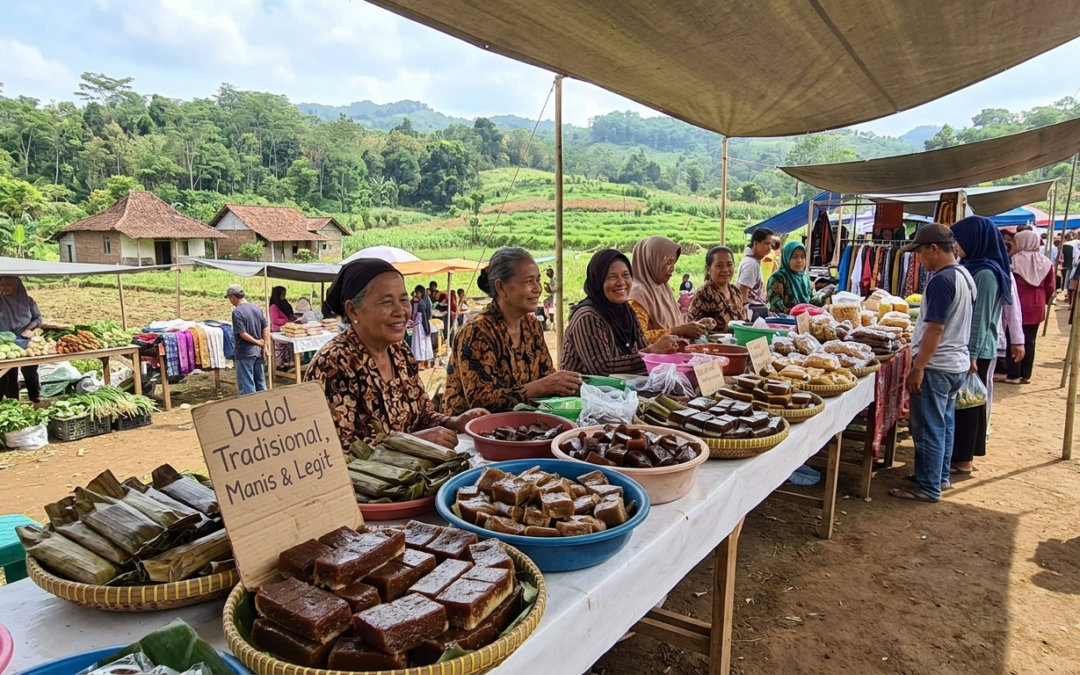
Dudol is a traditional Filipino sweet delicacy commonly made from glutinous rice flour, coconut milk, and sugar. It is often prepared during local festivals, family gatherings, and special occasions. This article provides an informational overview of dudol, including its basic ingredients, nutritional considerations, and safe consumption practices, aligned with general food safety standards under the Department of Health (DOH) and Food and Drug Administration (FDA Philippines).
Ingredients and Preparation
Dudol typically contains the following ingredients:
- Glutinous rice flour – provides carbohydrates as a primary energy source.
- Coconut milk – adds fat and flavor, containing medium-chain triglycerides.
- Sugar – provides simple carbohydrates and sweetness.
- Optional flavorings – such as pandan leaves, chocolate, or nuts, which can add minor amounts of micronutrients.
Preparation usually involves cooking the mixture over low heat while stirring continuously until it reaches a sticky, gelatinous texture. It is then cooled and cut into small portions.
Nutritional Considerations
From a nutrition perspective, dudol is primarily an energy-dense carbohydrate source. A typical serving provides calories from sugar and glutinous rice, along with fats from coconut milk. It contains minimal protein and micronutrients unless fortified or enhanced with additional ingredients such as nuts.
Safe consumption considerations include:
- Portion awareness, as dudol is high in sugar and fat.
- Food handling hygiene, ensuring it is cooked thoroughly and stored in a clean environment to prevent microbial contamination.
- Reading ingredient labels if commercially packaged dudol is purchased, especially for added preservatives or artificial flavorings.
Hypothetical Portion Example
A small piece (approximately 50 grams) of dudol may provide:
- Carbohydrates: ~25–30 g
- Fat: ~4–6 g
- Protein: ~1 g
- Sugars: ~10–15 g
This example is for illustrative purposes only and may vary depending on recipe and serving size.
Context
In nutrition science studies, foods like dudol are considered occasional treats rather than staple items due to their high sugar content. Under consumer protection and labeling standards, packaged dudol should clearly display ingredient lists, allergen warnings, and expiration dates to comply with FDA and DTI regulations. Diet planning typically involves balancing energy-dense treats with nutrient-dense foods such as fruits, vegetables, lean proteins, and whole grains.
Dietary outcomes vary individually, and dudol consumption should be incorporated mindfully within an overall balanced diet. Licensed nutritionists or dietitians can provide guidance tailored to personal nutritional needs.
FAQs
What is dudol?
Dudol is a sticky, sweet Filipino delicacy made primarily from glutinous rice flour, coconut milk, and sugar. It is often consumed during special occasions and festivals.
Is dudol nutritious?
Dudol provides energy mainly from carbohydrates and fat. It contains minimal protein and micronutrients, so it is considered an occasional treat rather than a daily staple.
How should dudol be stored?
Homemade dudol should be kept in a clean, airtight container and consumed within a few days to prevent spoilage. Commercially packaged dudol should follow the storage instructions indicated on the label.
Trusted Sources
- Department of Health Philippines. Food Safety Guidelines.DOH
- Food and Drug Administration Philippines. Food Labeling Regulations. FDA Philippines
- Food Science and Nutrition Journals, peer-reviewed studies on carbohydrate-rich traditional foods
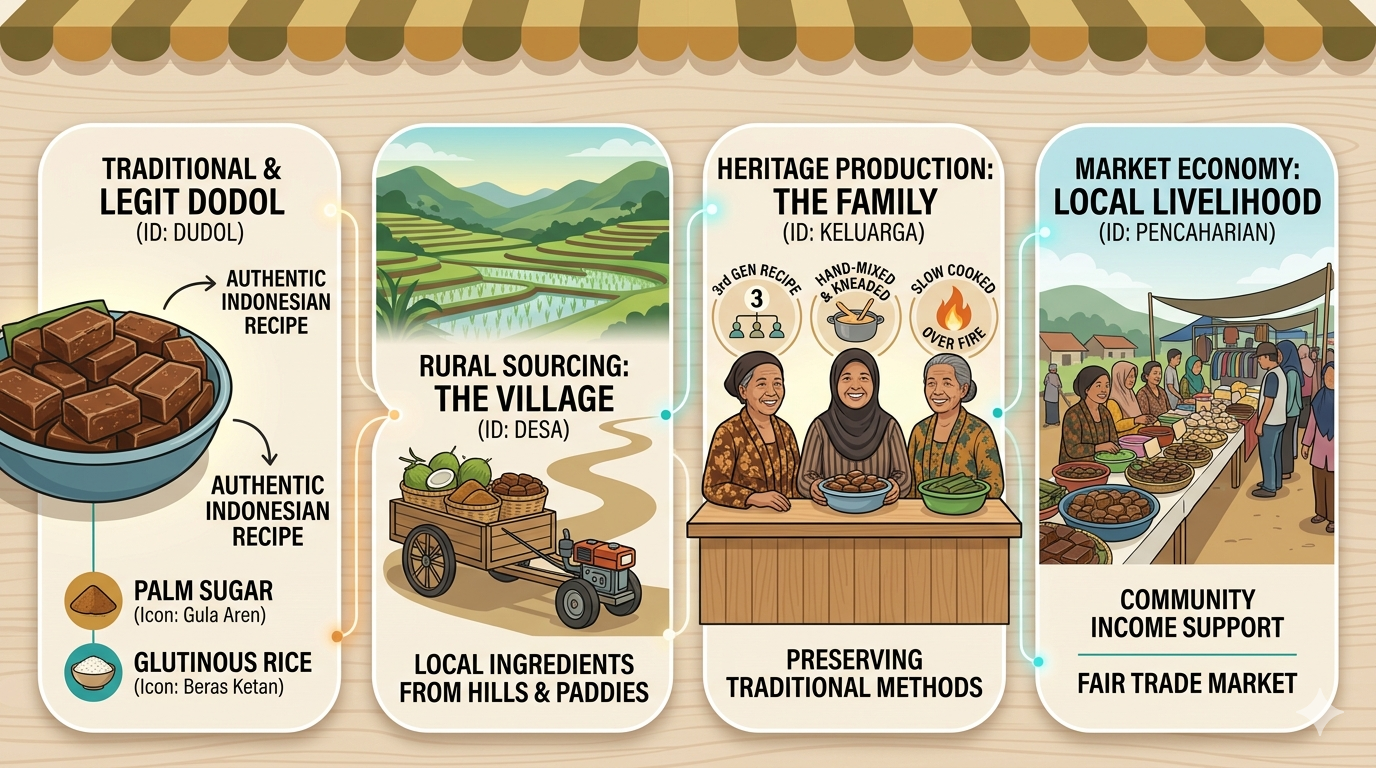
Infographic illustrating dudol ingredients and traditional preparation steps.
Disclaimer
This article is for general informational and educational purposes only. It does not constitute professional medical, nutrition, or dietary advice. References to foods do not imply endorsement or guarantee of health outcomes. Readers are encouraged to consult licensed nutritionists, dietitians, or medical professionals for personalized guidance.
by Ramil Villar | Apr 4, 2026 | Food & Nutrition Basics
Understanding Randang: Nutritional and Cultural Insights into the Maranao Version
A neutral overview of ingredients, macronutrients, and meal planning considerations.
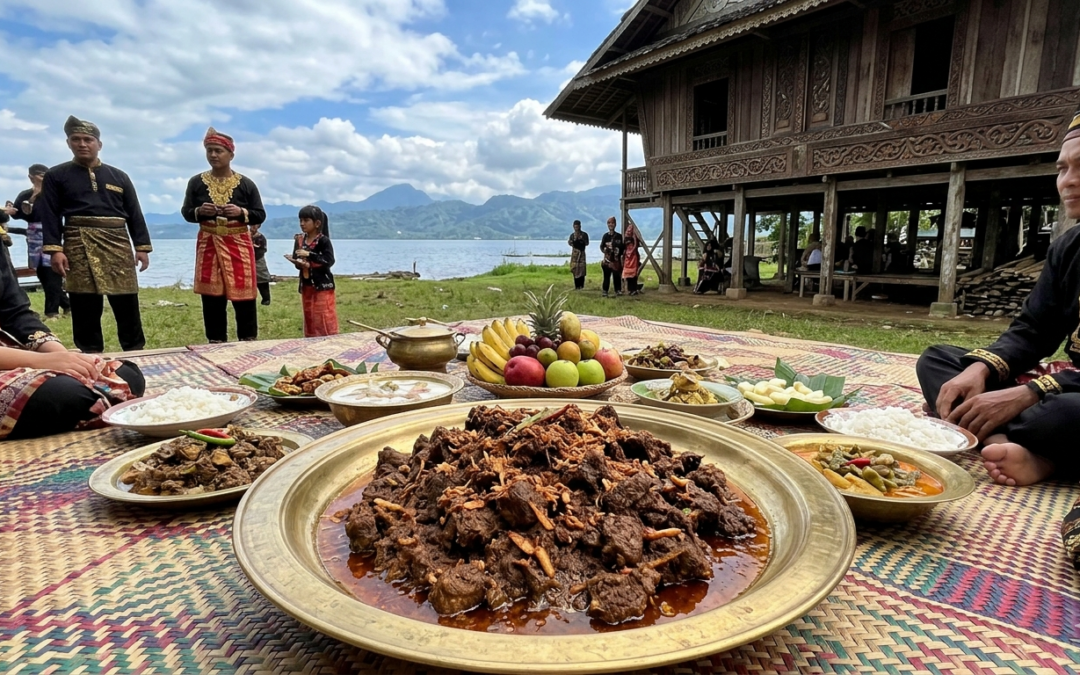
Randang, the Maranao variation of a slow-cooked meat dish, is a staple in Mindanaoan cuisine. This article provides an educational overview of its nutritional components, key ingredients, and hypothetical ways it can fit into balanced meal planning. It references general nutrition principles and Philippine consumer protection standards as outlined by the DOH, FDA, and DTI.
Ingredients and Composition
Maranao Randang typically includes:
- Protein sources: beef, goat, or chicken
- Coconut milk: provides fat, mainly saturated fatty acids
- Spices and aromatics: garlic, ginger, turmeric, lemongrass, chili, and onions
- Optional additions: potatoes, carrots, or other root vegetables
These ingredients contribute macronutrients:
- Protein: important for muscle maintenance and cellular function
- Fat: coconut milk adds energy-dense lipids, mostly saturated fat
- Carbohydrates: present in added vegetables or when served with rice
Micronutrients can include:
- Iron and zinc from meat
- Vitamin C, potassium, and dietary fiber from vegetables
- Phytonutrients from herbs and spices
Hypothetical Meal Planning Considerations
In neutral meal planning, Randang can be considered a protein- and fat-rich dish. Some educational tips for planning around it:
- Portioning meat appropriately (roughly 85–100g cooked per person as a reference)
- Including a variety of vegetables to balance fiber and micronutrient intake
- Serving with moderate portions of rice or whole grains for carbohydrate balance
- Combining with water or other beverages to maintain hydration
These are illustrative examples only, not prescriptive advice. Individual dietary needs vary.
Safe Preparation and Consumer Awareness
Under Philippine food safety standards:
- Ensure meat is fully cooked to prevent foodborne illness
- Store leftovers promptly at safe temperatures
- Read ingredient labels if using packaged coconut milk or spice mixes to check for additives, sodium content, or preservatives
Context
In nutrition science studies, traditional dishes like Randang provide insight into macronutrient distribution and regional dietary patterns. Under consumer protection and labeling standards, awareness of portion size, cooking methods, and ingredient composition supports informed dietary choices. Results of including any dish in a diet vary individually, and consulting licensed nutrition or medical professionals is recommended for personalized guidance.
FAQs
What is Randang?
Randang is a slow-cooked meat dish originating from the Maranao people of Mindanao, Philippines, characterized by coconut milk, spices, and sometimes vegetables.
What are the main nutrients in Randang?
Randang primarily provides protein from meat, fats from coconut milk, and micronutrients from spices and vegetables.
How can Randang fit into balanced meal planning?
It can be part of a balanced meal by pairing with vegetables and appropriate portions of rice or grains, focusing on nutrient variety and moderation.
Trusted Sources
- Department of Health (DOH) Philippines – Nutrition and Food Safety Advisories
- Food and Drug Administration (FDA Philippines) – Food Labeling Guidelines
- Philippine Dietary Reference Intakes (PDRI) – Nutrient Guidelines
- Peer-reviewed journals on Southeast Asian cuisine and nutrition
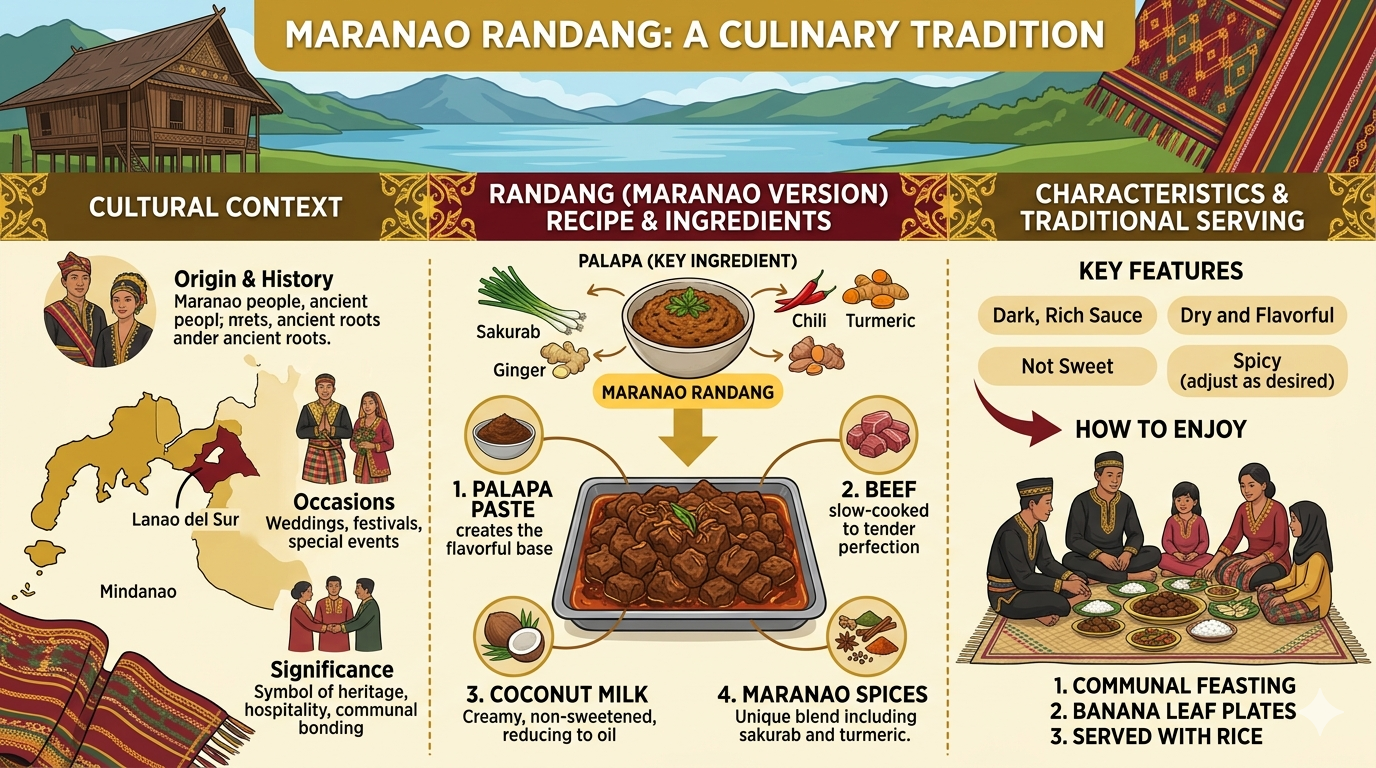
Infographic depicting key ingredients and cooking process of Maranao Randang.
Disclaimer
This article is for general informational and educational purposes only. It does not constitute professional medical, nutrition, or dietary advice. References to dishes, ingredients, or preparation methods do not imply endorsement or guarantee of health outcomes. Readers are encouraged to consult licensed nutritionists, dietitians, or medical professionals for personalized guidance.
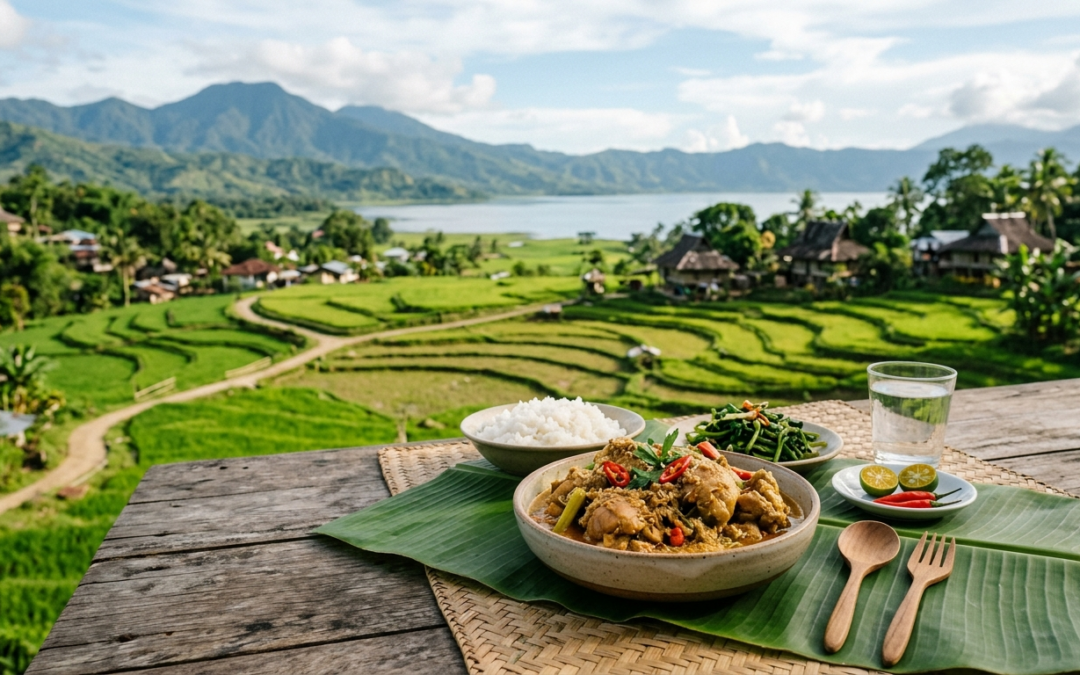
by Ramil Villar | Apr 4, 2026 | Food & Nutrition Basics
Understanding Piaparan Manok: Nutritional and Culinary Overview
A neutral guide to the traditional Filipino dish Piaparan Manok, its ingredients, and dietary considerations.
Piaparan Manok is a traditional Filipino dish from the Maranao people of Mindanao, commonly prepared with chicken, coconut, and local spices. This article provides a neutral overview of its key ingredients, macronutrient content, and hypothetical meal planning considerations. Information aligns with guidance from the Department of Health (DOH) and the Food and Drug Administration (FDA Philippines) regarding safe food preparation, ingredient labeling, and nutrition awareness.
Core Ingredients and Nutritional Components
- Chicken – provides protein and essential amino acids. Skinless chicken is lower in fat, while dark meat has higher fat content.
- Coconut milk – contains saturated fat and contributes to the energy content of the dish. Coconut also provides small amounts of minerals like manganese.
- Piaparan spice mix (palapa) – includes ingredients such as ginger, turmeric, chili, and shallots. These contribute flavor, antioxidants, and micronutrients.
- Vegetables (optional additions) – some variations include eggplant, squash, or green beans, which add dietary fiber, vitamins, and minerals.
Macronutrient Considerations
Piaparan Manok is primarily a source of:
- Protein – from the chicken.
- Fat – primarily from coconut milk.
- Carbohydrates – minimal unless served with rice or other staples.
- Fiber and micronutrients – dependent on added vegetables and spices.
Hypothetical Meal Planning Context
In neutral dietary planning, Piaparan Manok can be incorporated as part of a mixed meal with:
- Steamed or boiled vegetables for additional fiber.
- A measured portion of rice or other carbohydrate source for balanced energy intake.
- Hydration with water or non-sweetened beverages.
Safe Preparation Notes
- Cook chicken to an internal temperature of 74°C (165°F) to reduce microbial risk.
- Store coconut milk and leftovers in refrigeration to prevent spoilage.
- Check ingredient labels for additives or preservatives if using packaged coconut milk or spice mixes.
Context
In nutrition science studies, dishes like Piaparan Manok provide insight into balancing protein, fat, and micronutrients in traditional diets. Under Philippine consumer protection and labeling standards, food preparers and consumers should verify ingredient sources, maintain proper storage, and ensure cooking practices minimize microbial risks. Nutrient content will vary depending on ingredient amounts, preparation methods, and portion sizes. For personalized nutrition advice, consultation with licensed nutritionists or dietitians is recommended.
FAQs
What is Piaparan Manok?
Piaparan Manok is a traditional Maranao chicken dish cooked with coconut milk and a spice mixture called palapa.
What nutrients are in Piaparan Manok?
It contains protein from chicken, saturated fat from coconut milk, and micronutrients from spices and optional vegetables.
How can it fit into a meal plan?
It can be part of a balanced meal alongside vegetables and a carbohydrate source, with portion control for overall energy intake.
Trusted Sources
- Department of Health Philippines – Food Safety and Nutrition Guidelines
- Food and Drug Administration Philippines – Safe Food Handling and Labeling
- University of the Philippines Manila, College of Public Health – Nutrition Science References
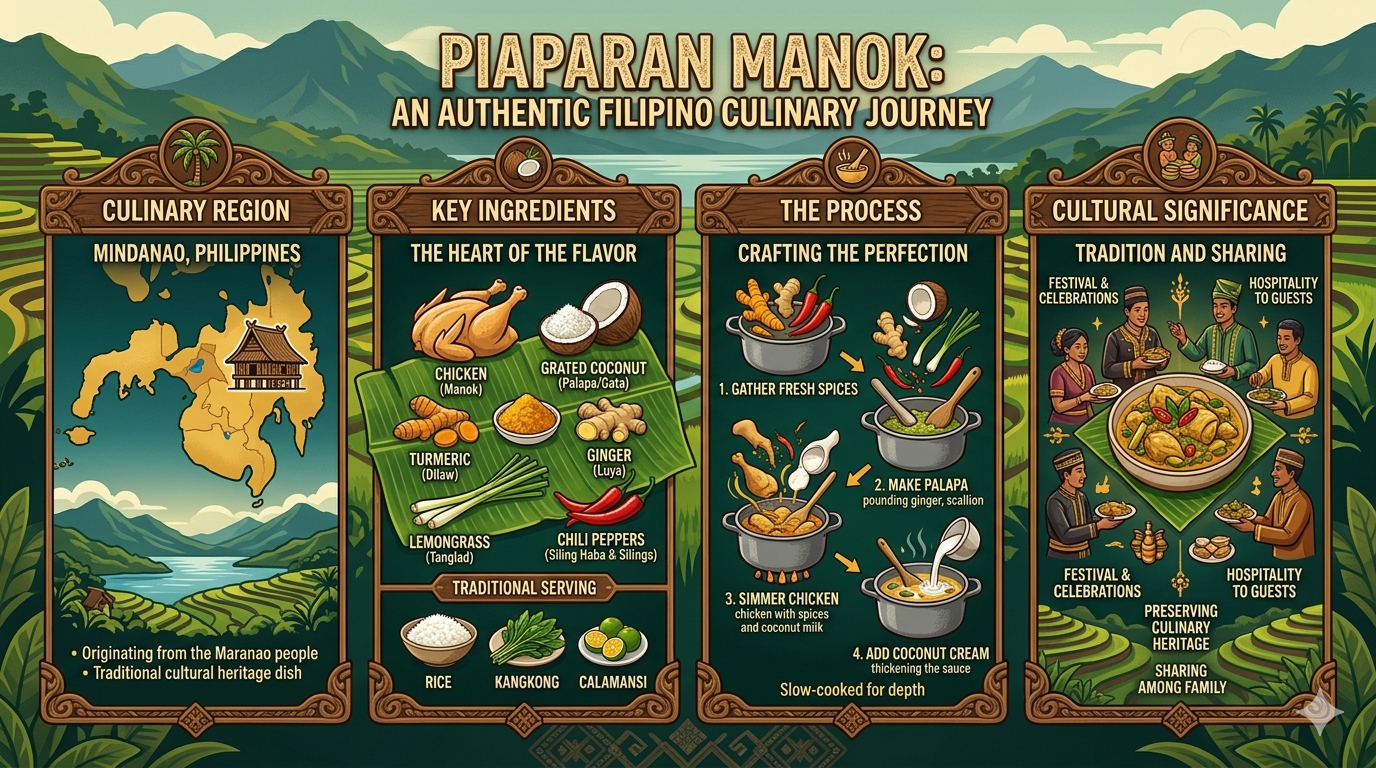
Visual summary of Piaparan Manok ingredients and preparation steps
Disclaimer
This article is for general informational and educational purposes only. It does not constitute professional medical, nutrition, or dietary advice. References to foods or ingredients do not imply endorsement or guarantee of health outcomes. Readers are encouraged to consult licensed nutritionists, dietitians, or medical professionals for personalized guidance.