Understanding Tuna Panga Barbecue: A Neutral Overview of Ingredients, Preparation, and Nutrition Context
An educational look at a commonly served grilled seafood dish and its place within balanced dietary patterns.
Grilled seafood dishes are widely present in many coastal food cultures, including the Philippines. One example is tuna panga barbecue, a preparation that uses the collar portion of a tuna fish and cooks it over charcoal or an open flame. This article explains the ingredients commonly associated with the dish, the nutritional components typically found in tuna, and general food safety and dietary considerations aligned with guidance from public health authorities such as the Department of Health (DOH) and FDA Philippines.
What Is Tuna Panga Barbecue?
“Tuna panga” refers to the collar section of a tuna, located between the head and body of the fish. This cut contains muscle tissue and natural fat deposits, which can influence texture and flavor when cooked.
In barbecue preparations commonly seen in local markets or restaurants:
- The tuna collar is usually marinated or brushed with seasoning mixtures
- It is grilled over charcoal or a heated grill surface
- The dish may be served with rice, dipping sauces, or vegetable side dishes
Preparation methods vary among households and food establishments.
Typical Ingredients Used in the Dish
Recipes for tuna panga barbecue differ depending on the cook or region. However, commonly reported ingredients include:
- Fresh tuna collar (panga)
- Soy sauce or similar savory seasoning
- Citrus juice such as calamansi
- Garlic
- Sugar or sweet marinade components
- Cooking oil or glaze
These ingredients contribute flavor and surface caramelization during grilling. Ingredient proportions differ depending on culinary preference.
General Nutrition Context of Tuna
Tuna belongs to a group of seafood products commonly discussed in nutrition science due to its nutrient composition. According to food composition references used in dietetics and food science, tuna typically contains:
Macronutrients
- Protein: fish muscle tissue naturally contains protein
- Fat: certain tuna cuts contain moderate amounts of fat
- Minimal carbohydrates unless added through marinades or sauces
Micronutrients commonly associated with tuna
- Selenium
- Vitamin B12
- Niacin (Vitamin B3)
- Phosphorus
The exact nutrient content varies depending on:
- tuna species
- portion size
- cooking method
- additional sauces or marinades
Grilling may alter moisture content and surface texture but does not necessarily represent a uniform nutritional outcome across all preparations.
Food Safety and Handling Considerations
Seafood preparation should follow food safety practices referenced in the Food Safety Act and FDA Philippines food handling guidance. General considerations include:
- Proper refrigeration of raw seafood before cooking
- Thorough cooking using adequate heat
- Avoiding cross-contamination between raw fish and ready-to-eat foods
- Observing hygienic handling practices in kitchens and food stalls
Local government units (LGUs) may also regulate food preparation standards in restaurants and public markets.
Example of a Hypothetical Balanced Meal Context
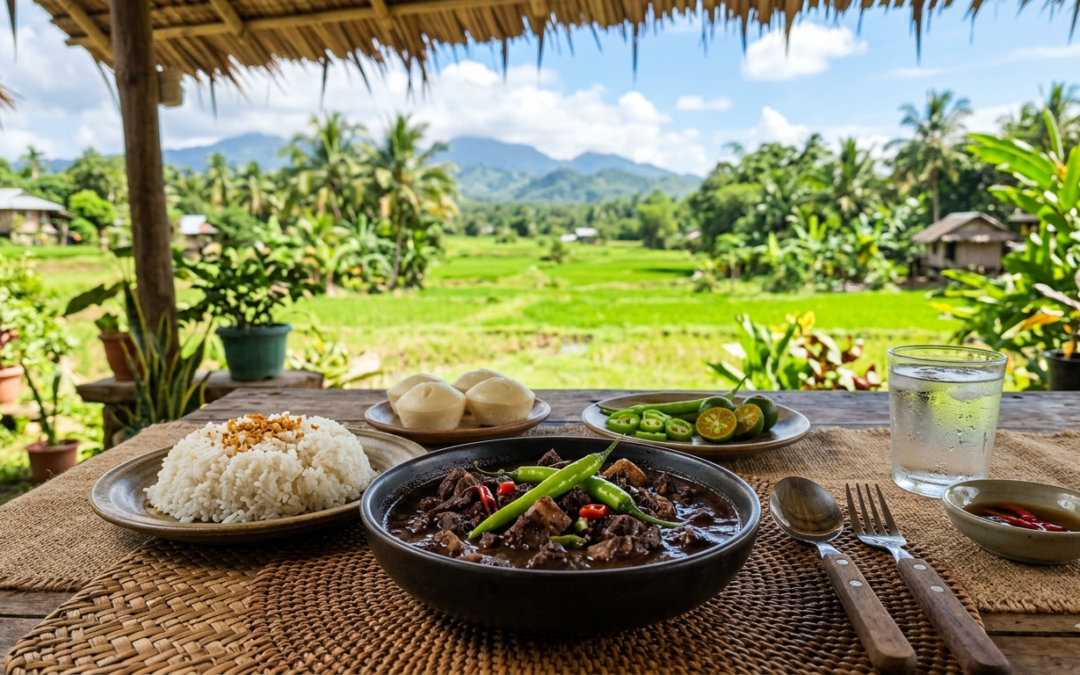
A grilled seafood dish such as tuna panga barbecue may appear as one component of a broader meal pattern. In nutrition education examples, a meal could include:
- Grilled tuna panga (protein source)
- Steamed rice or another grain (carbohydrate source)
- Cooked or fresh vegetables (fiber and micronutrients)
- Water or non-sweetened beverages for hydration
Meal composition and portion sizes vary depending on dietary needs, cultural habits, and individual preferences.
Dietary Balance and Food Variety
Nutrition science often emphasizes variety across food groups rather than reliance on a single dish or ingredient. Balanced dietary patterns typically consider:
- inclusion of multiple food groups
- portion awareness
- moderation in seasoning or added sugars and sodium
- regular intake of fruits, vegetables, and whole foods
Individual dietary needs differ due to age, lifestyle, and health conditions. Professional guidance may help individuals determine personalized dietary approaches.
FAQs
What part of the fish is tuna panga?
Tuna panga refers to the collar portion of the fish, located between the head and the body. This section contains muscle and fat tissues that influence flavor and texture when grilled.
Is tuna considered a protein source in nutrition discussions?
Fish such as tuna are commonly categorized as protein-containing foods in nutrition frameworks. Nutrient composition may vary by species, portion size, and cooking method.
Why is grilling a common cooking method for seafood?
Grilling exposes food to direct heat from charcoal, gas, or electric grills. This method can produce browning and surface flavor development during cooking.
Trusted Sources
- Department of Health (DOH) Philippines – General nutrition and food safety guidance
- FDA Philippines – Food safety regulations and consumer advisories
- Food and Agriculture Organization (FAO) – Fish nutrition references
- Peer-reviewed journals in nutrition science and food composition
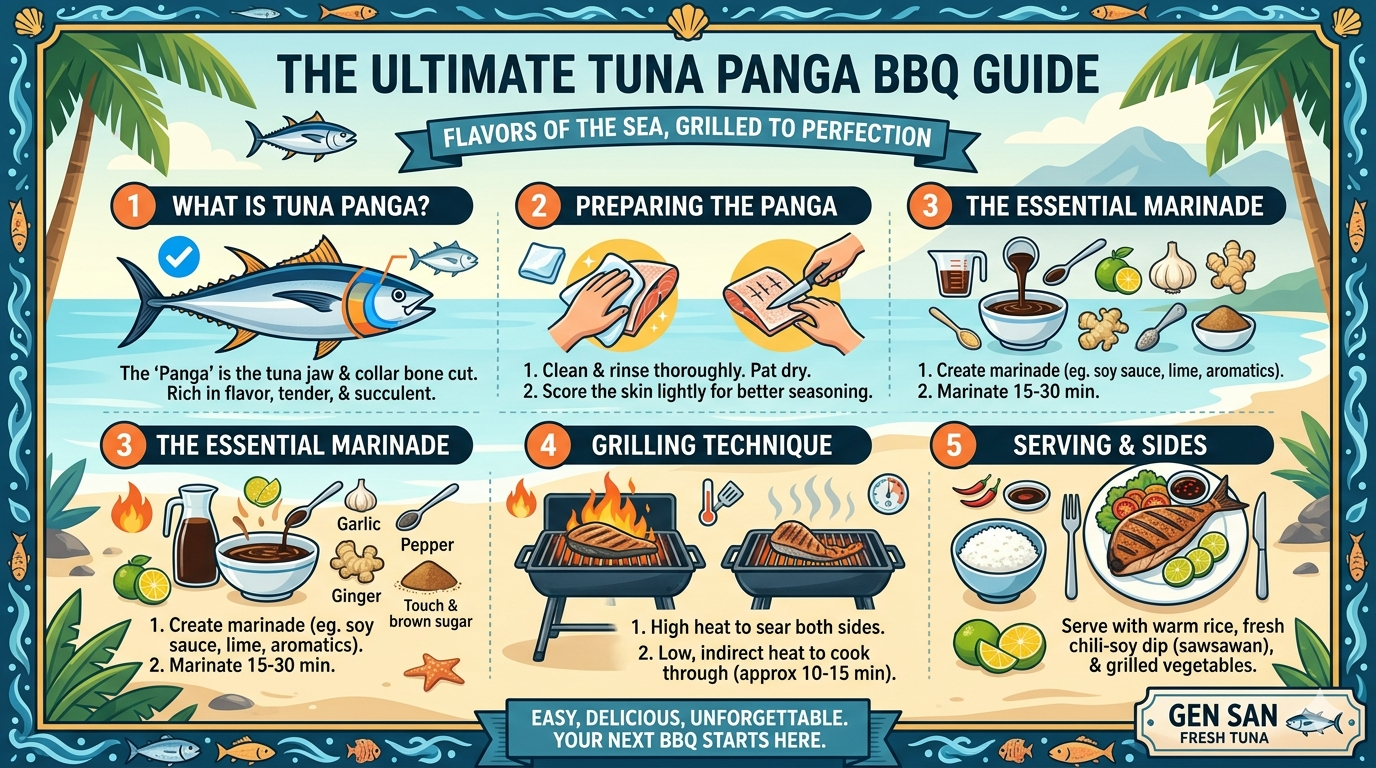
Infographic showing tuna collar cut, marinade elements, and grilling preparation.
Disclaimer
This article is for general informational and educational purposes only. It does not constitute professional medical, nutrition, or dietary advice. References to diets, foods, or supplements do not imply endorsement or guarantee of health outcomes. Readers are encouraged to consult licensed nutritionists, dietitians, or medical professionals for personalized guidance.