by Ramil Villar | Apr 3, 2026 | Food & Nutrition Basics
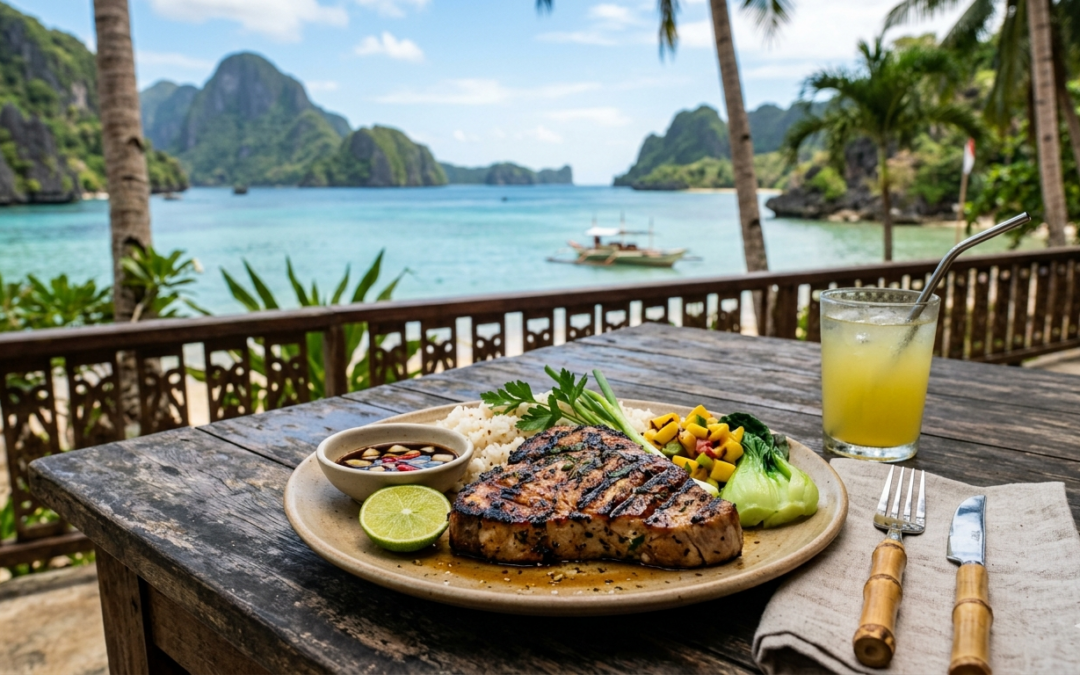
Grilled Tuna Belly: Nutritional Insights and Safe Preparation
A neutral overview of tuna belly nutrition, safe grilling practices, and portion considerations.
This article provides an informational overview of grilled tuna belly, including its nutrient composition, culinary preparation, and consumer considerations. The content aligns with Philippine food safety and labeling standards, referencing DOH and FDA guidelines. Readers will learn about tuna belly as a protein source, hypothetical serving suggestions, and safe handling practices.
Nutritional Profile of Tuna Belly
Tuna belly is the fatty ventral portion of the tuna fish. Nutritionally, it contains:
- Protein: Essential for cellular repair and muscle function.
- Omega-3 fatty acids: Polyunsaturated fats associated with cardiovascular and brain health in general nutrition studies.
- Fat content: Higher than other tuna cuts, contributing to energy density.
- Vitamins and minerals: Includes vitamin D, selenium, and B-complex vitamins.
Note: Nutrient composition varies by tuna species and portion size. Nutrition studies emphasize moderation due to higher fat and calorie content compared to lean cuts.
Safe Grilling and Handling Practices
Under Philippine food safety standards:
- Temperature: Cook tuna belly to an internal temperature of 63°C (145°F) to minimize bacterial contamination.
- Storage: Keep raw tuna at ≤4°C and consume within 24 hours of purchase.
- Cross-contamination: Use separate utensils and cutting boards for raw and cooked seafood.
- Marination: Acidic marinades (e.g., vinegar or citrus) may add flavor but do not replace proper cooking.
Hypothetical Serving Example
A neutral, illustrative serving for educational purposes:
| Component |
Portion |
Approximate Nutrients* |
| Grilled tuna belly |
100 g |
200 kcal, 22 g protein, 12 g fat |
| Steamed vegetables |
150 g |
50 kcal, 4 g protein, 0 g fat |
| Brown rice |
100 g cooked |
130 kcal, 2.5 g protein, 0.5 g fat |
*Values are estimates based on nutritional databases and are for educational purposes only. Actual values vary by species, cut, and cooking method.
Consumer Awareness Considerations
- Mercury content: Tuna, including belly cuts, may contain trace mercury. Pregnant individuals and children are advised to follow DOH guidance for seafood consumption.
- Labeling: When purchasing packaged tuna, check for product origin, storage instructions, and expiration dates.
- Supplement vs food: Nutrients from whole foods like tuna are different from supplements. Whole food intake should follow general dietary guidelines.
Context
In nutrition science studies, tuna belly is recognized as a protein- and fat-containing fish cut that provides energy and essential nutrients. Under consumer protection and labeling standards in the Philippines, seafood products must indicate handling instructions, shelf life, and source to ensure safety. Dietary results from tuna consumption vary individually, and professional guidance may be sought for specific dietary planning.
FAQs
Q: What nutrients does tuna belly provide?
Tuna belly contains protein, omega-3 fatty acids, and vitamins such as D and B-complex. It also provides minerals like selenium.
Q: Is grilled tuna belly safe to eat?
When properly cooked to at least 63°C (145°F) and stored under safe temperature conditions, tuna belly is considered safe for consumption.
Q: How should tuna belly be portioned?
Portions vary by dietary needs. Hypothetical educational portions are typically around 100 g per serving for nutrient illustration.
Trusted Sources
- Department of Health, Philippines — Seafood Safety Guidelines
- FDA Philippines — Labeling and Food Handling Regulations
- USDA FoodData Central — Tuna Nutritional Information
- Peer-reviewed journals on omega-3 fatty acids and protein content in seafood
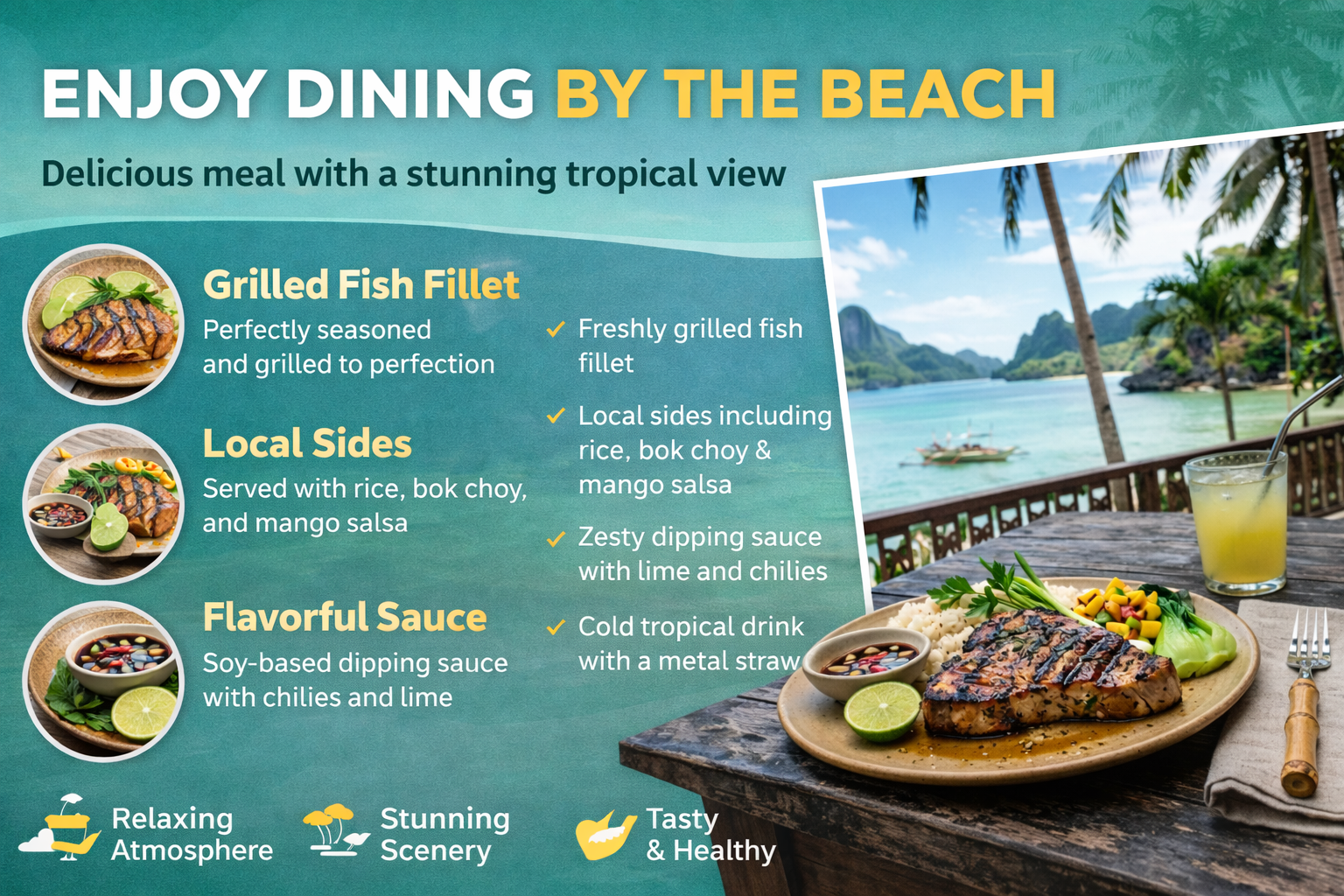
Visual infographic of grilled tuna belly, nutrient composition, and cooking illustrations.
Disclaimer
This article is for general informational and educational purposes only. It does not constitute professional medical, nutrition, or dietary advice. References to tuna or seafood do not imply endorsement or guarantee of health outcomes. Readers are encouraged to consult licensed nutritionists, dietitians, or medical professionals for personalized guidance.
by Ramil Villar | Apr 3, 2026 | Food & Nutrition Basics
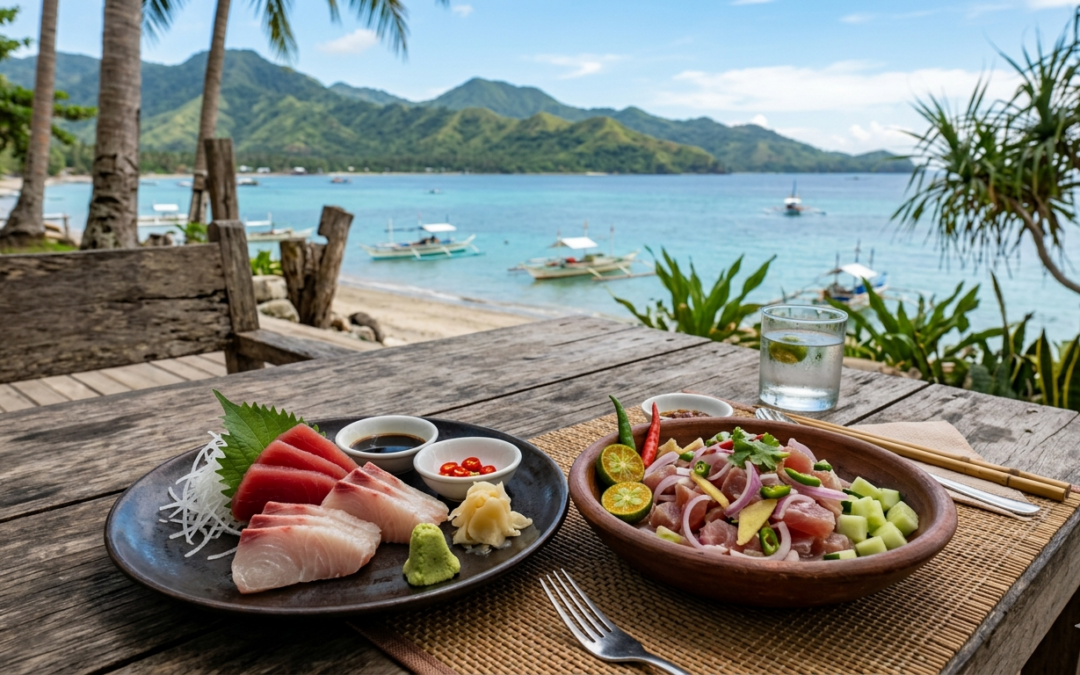
Tuna Sashimi and Kinilaw na Tuna: Nutritional Overview and Safe Consumption Practices
A neutral guide to the nutritional aspects, food safety, and meal planning considerations for raw tuna dishes.
This article provides an educational overview of tuna served raw, including sashimi and kinilaw preparations. It covers basic nutritional information, food safety considerations under Philippine regulatory standards, and hypothetical meal planning examples. References include guidelines from the Department of Health (DOH), the Food and Drug Administration (FDA Philippines), and recognized nutrition research sources.
Nutritional Overview of Tuna
Tuna is a protein-rich seafood commonly consumed raw in various cuisines. Its nutritional profile typically includes:
- Protein: Supports maintenance of body tissues; tuna is a high-quality protein source.
- Fats: Contains omega-3 fatty acids, which are essential polyunsaturated fats. Levels vary by species.
- Micronutrients: Provides vitamins such as B12 and D, and minerals including selenium and iodine.
- Calories: Moderate calorie content per 100g serving (varies by species).
Tuna is low in carbohydrates and naturally contains no dietary fiber.
Food Safety Considerations
Consuming raw fish carries potential microbiological and chemical risks. In the Philippines, the following are recommended under FDA and DOH guidelines:
- Source Verification: Purchase tuna from licensed suppliers adhering to food safety standards.
- Storage Temperature: Maintain cold-chain storage at 0–4°C to limit bacterial growth.
- Freshness Assessment: Check color, smell, and texture; avoid tuna showing discoloration or off-odors.
- Parasite Risk: Freezing tuna to −20°C for at least 7 days can reduce parasite exposure (per FDA seafood guidance).
- Hygienic Preparation: Ensure utensils and surfaces are sanitized before handling raw fish.
Under Philippine regulations, restaurants offering kinilaw or sashimi are required to comply with LGU sanitation and food handling standards.
Hypothetical Meal Planning Example
A neutral, illustrative daily meal plan including raw tuna could be:
| Meal |
Item |
Portion |
Key Nutrients |
| Breakfast |
Brown rice with steamed vegetables |
1 cup |
Carbs, fiber, vitamins |
| Lunch |
Kinilaw na tuna |
100g |
Protein, omega-3, selenium |
| Snack |
Fresh fruit (e.g., mango) |
1 medium |
Vitamin C, fiber |
| Dinner |
Grilled chicken breast with leafy greens |
120g protein |
Protein, vitamins A & K, fiber |
This example demonstrates how raw tuna can be included as part of a nutrient-diverse diet. Portion sizes are for illustration only; individual dietary needs vary.
Context
In nutrition science studies, raw fish consumption provides protein and essential fatty acids but requires careful handling to minimize microbial and parasitic risks. Under consumer protection and labeling standards, all seafood must meet freshness, sourcing, and storage criteria.
Dietary planning typically involves nutrient balance and portion control. Tuna can contribute to overall protein intake but should be consumed as part of a varied diet including vegetables, grains, and other protein sources.
FAQs
What is sashimi?
Sashimi refers to thinly sliced raw fish or seafood served without rice, often accompanied by condiments such as soy sauce or wasabi.
What is kinilaw na tuna?
Kinilaw is a Filipino dish where raw tuna is marinated in vinegar or citrus juice with optional vegetables and seasonings.
Are there safety concerns with eating raw tuna?
Yes. Raw tuna may carry bacteria or parasites. Safe consumption involves sourcing from licensed suppliers, proper refrigeration, and hygienic preparation.
Trusted Sources
- Department of Health (DOH Philippines) – Food Safety Guidelines
- Food and Drug Administration (FDA Philippines) – Seafood Handling Advisory
- National Oceanic and Atmospheric Administration (NOAA) – Consumer Seafood Guide
- Peer-reviewed nutrition journals on seafood nutrient composition
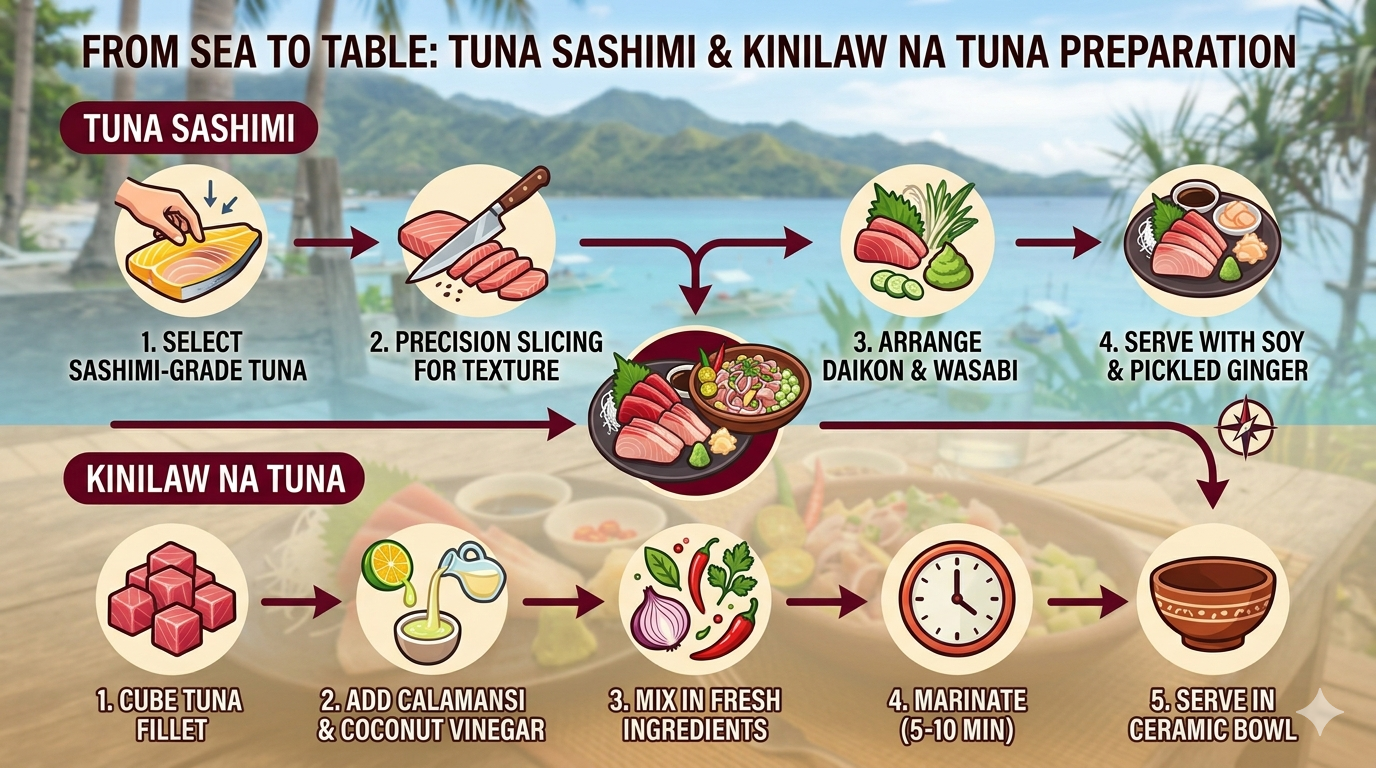
Infographic displaying tuna types and raw preparation methods.
Disclaimer
This article is for general informational and educational purposes only. It does not constitute professional medical, nutrition, or dietary advice. References to foods or dishes do not imply endorsement or guarantee of health outcomes. Readers are encouraged to consult licensed nutritionists, dietitians, or medical professionals for personalized guidance.
by Ramil Villar | Apr 3, 2026 | Food & Nutrition Basics
Philippine Chocolate Tablea Products: An Educational Overview
Understanding nutrition, food composition, and consumer awareness
This article provides a neutral, factual overview of chocolate tablea products commonly found in the Philippines. It explains what tablea are, their typical composition and macronutrient characteristics, how to read food labels on packaged versions, and consumer safety considerations under Philippine food standards (DOH, FDA Philippines, DTI). The content is educational and does not promote specific brands or make health claims.
What Are Chocolate Tablea?
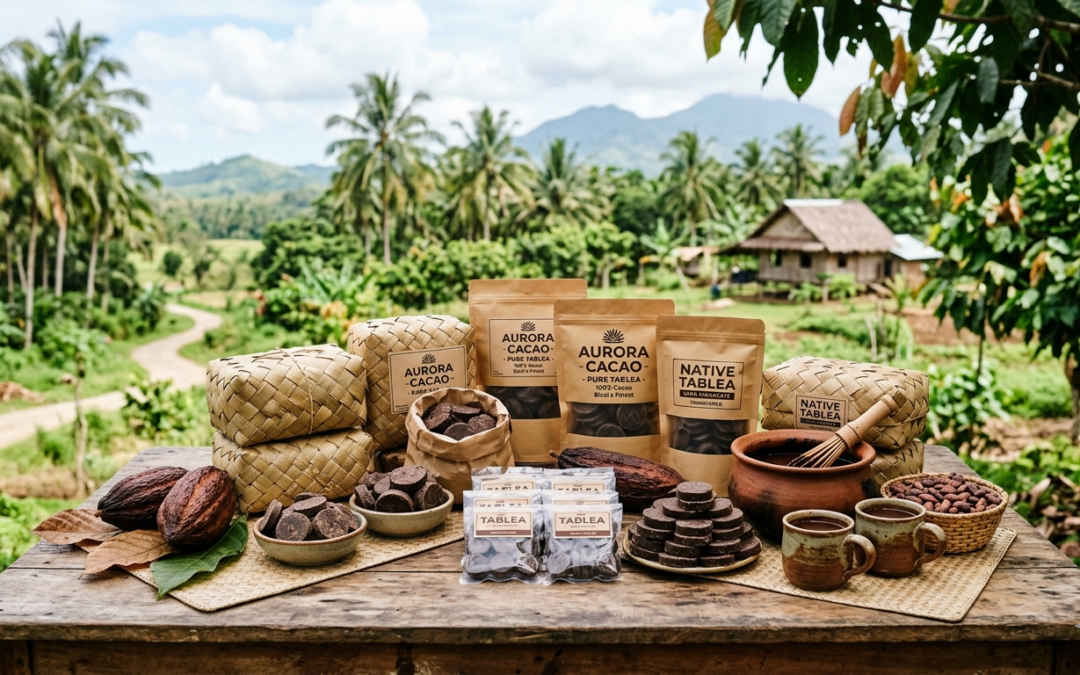
“Tablea” (also spelled tablia) refers to small discs, tablets, or blocks made from ground and roasted Theobroma cacao beans. Traditionally used in Filipino households to make hot chocolate drinks (e.g., tsokolate), tablea represent minimally processed cacao solids and cocoa butter — the natural components of the cacao seed.
In processed form, tablea may sometimes have added ingredients for texture or flavor, such as sugar or milk solids. Products vary by manufacturer and formulation. Under Philippine food labeling standards, packaged tablea must declare ingredients and nutrition information if required by Food Safety Act and FDA labeling rules.
Typical Composition & Nutrient Concepts
Chocolate tablea products generally contain three broad components:
- Cacao solids: contain fiber and plant‑based compounds naturally present in cacao.
- Cocoa butter: the fat portion of cacao beans.
- Added ingredients (varies): such as sugar, milk powder, or lecithin — these change nutrient profiles.
Macronutrient Characteristics
In general (varies by product formulation):
- Energy (calories): Tablea are energy‑dense because of fats and carbohydrates.
- Fat: Mostly derived from cocoa butter; includes saturated and unsaturated fatty acids.
- Carbohydrates: Includes sugars if added; natural carbohydrates from cacao.
- Protein: Minimal amounts present naturally.
These descriptors are educational; specific nutrient amounts must be obtained from the packaged product’s nutrition facts label.
How to Read Nutrition Labels on Tablea Products
In the Philippines, packaged food products must comply with labeling requirements under the Food Safety Act and FDA guidelines. Labels typically include:
- Ingredient List: Ingredients in descending order by weight.
- If sugar or milk solids appear high on the list, the product may contain more of those than pure cacao.
- Nutrition Facts Panel:
- Serving size
- Energy (calories)
- Total fat, saturated fat
- Carbohydrates (including total sugars)
- Protein
- Sodium (when declared)
- Allergens: Some products may declare milk or soy.
Reading these elements can help consumers understand what nutrients are present and in what amounts relative to the portion size.
Consumer Awareness & Safety
Philippine Food Standards Context
- Packaged tablea products sold in the Philippines should be registered or notified with the Food and Drug Administration (FDA Philippines) and comply with labeling standards enforced by DTI and DOH.
- Numerical nutrition values (e.g., calories per serving) are for informational purposes and do not imply health or weight outcomes.
Shopping Tips (Educational Awareness Only)
- Look for clear ingredient lists rather than vague terms.
- Compare products by nutrition facts panel to understand fat and sugar content.
- Be aware of added sweeteners — higher sugar content means more calories from sugars.
This information is for general consumer awareness and does not constitute dietary advice.
Food Composition & Dietary Planning
In nutrition science, foods are described by their nutrient content, not by effect claims. Tablea products vary widely:
- Traditional tablea is primarily ground cacao with minimal additives.
- Commercially processed tablea may include sweeteners or milk components that change macronutrient balance.
Dietary planning typically involves balancing sources of fats, carbohydrates, and proteins across meals. Consumers who include tablea‑based beverages in foods or drinks can consider how those portions contribute to their overall daily nutrient intake without implying that the product itself has specific health outcomes.
FAQs
What are chocolate tablea?
They are discs or blocks made from roasted, ground cacao beans used traditionally to prepare hot chocolate beverages.
Do tablea products vary in nutrition?
Yes. Nutrient content can differ depending on added ingredients such as sugar or milk, which is why reading labels is informative.
How can consumers make informed choices?
Consumers can read ingredient lists and nutrition panels on packaged foods to understand nutrients like fat, sugars, and calories per serving.
Trusted Sources
- FDA Philippines — official food labeling guidelines
- Department of Health (DOH), Philippines — food safety advisories
- Academic nutrition science texts on food composition
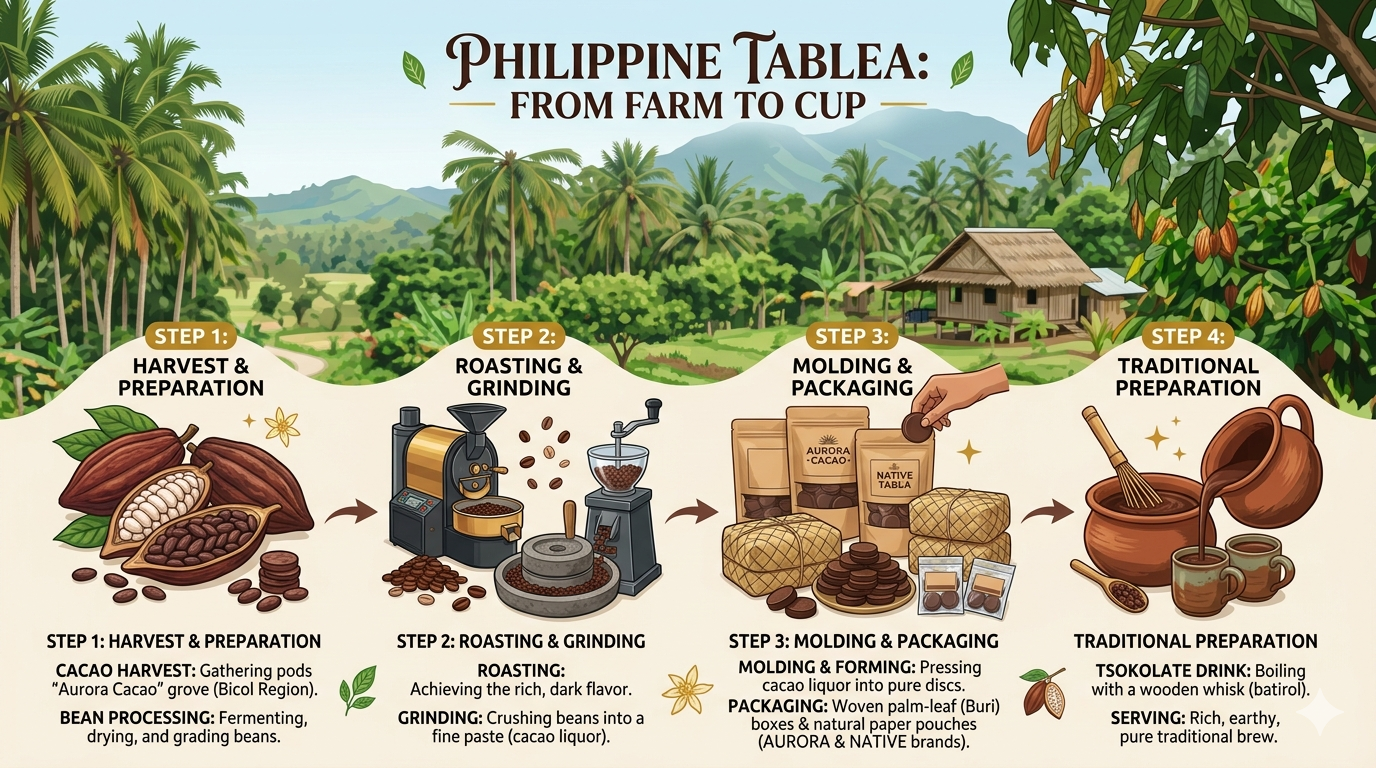
Illustration of chocolate tablea ingredients and component percentages
Disclaimer
This article is for general informational and educational purposes only. It does not constitute professional medical, nutrition, or dietary advice. References to foods or nutrients do not imply endorsement or guarantee of health outcomes. For personalized guidance, readers are encouraged to consult licensed nutritionists, dietitians, or medical professionals.
by Ramil Villar | Apr 3, 2026 | Food & Nutrition Basics
Piyanggang Manok: Nutritional Overview and Culinary Context
A neutral look at the ingredients, macronutrients, and meal considerations of a traditional Filipino dish.
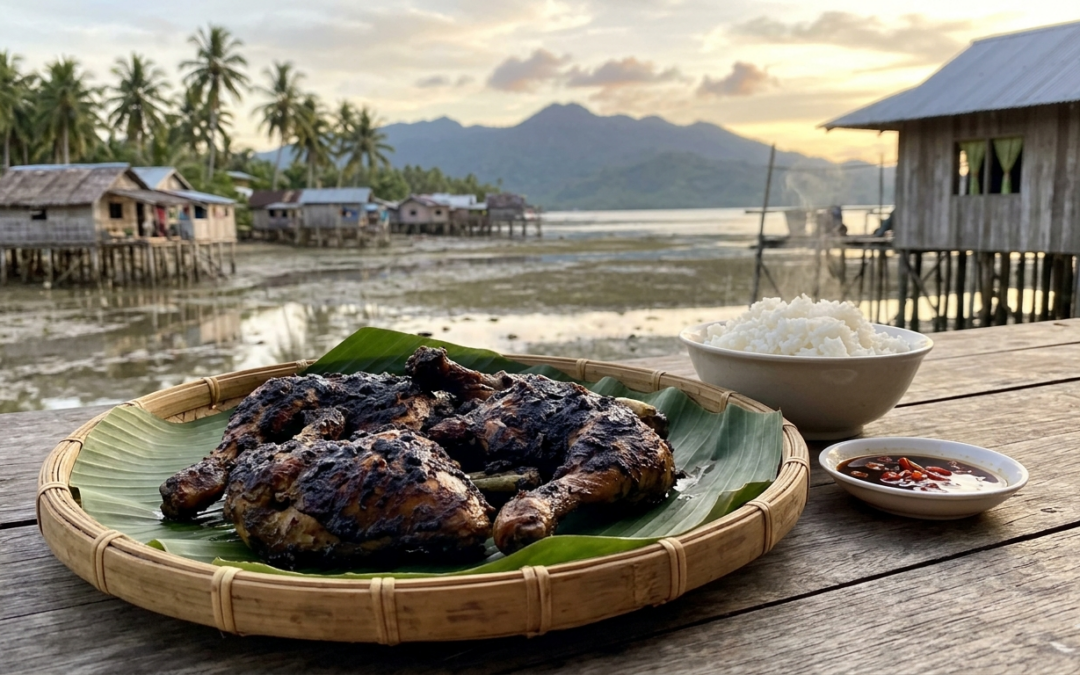
Piyanggang Manok is a traditional Filipino chicken dish originating from the Tausug region of Mindanao. Known for its distinctive use of turmeric and coconut milk, this dish combines protein-rich chicken with various spices and herbs. Under Philippine food safety and labeling standards, understanding the nutritional components of dishes like Piyanggang Manok can help consumers make informed dietary decisions. This article reviews the typical ingredients, macronutrient content, and considerations for incorporating the dish into a balanced meal plan.
Ingredients and Nutrition
Piyanggang Manok typically includes:
- Chicken (breast or thigh) – source of protein and B vitamins
- Turmeric – contains curcumin, a plant-based compound with antioxidant properties
- Coconut milk – provides fats, primarily medium-chain triglycerides
- Garlic, onions, ginger – aromatic vegetables contributing small amounts of fiber and micronutrients
- Lemongrass, chili, and other spices – flavor components with minimal caloric impact
Macronutrient Overview (approximate per 1 cup serving):
- Protein: 20–25 g
- Fat: 10–15 g (depending on coconut milk quantity)
- Carbohydrates: 5–10 g (from spices and minor vegetable content)
- Fiber: 1–2 g
Nutritional content varies based on portion size, cooking method, and ingredients. For example, using chicken breast reduces fat content, while additional coconut milk increases it.
Hypothetical Meal Planning Scenario
A neutral meal plan including Piyanggang Manok might be:
- 1 cup Piyanggang Manok
- ½ cup steamed brown rice or a local rice variety
- 1 cup sautéed or steamed vegetables (e.g., sitaw, ampalaya, or pechay)
This combination provides a balance of protein, carbohydrates, and fiber, while incorporating local, nutrient-dense foods. Portion sizes can be adjusted according to individual dietary needs or preferences.
Safe Eating and Consumer Considerations
- When preparing Piyanggang Manok, ensure chicken is cooked to a safe internal temperature (≥74°C / 165°F) to reduce the risk of foodborne illness.
- Consumers using canned or packaged coconut milk should check expiration dates and ingredient lists.
- For individuals monitoring fat intake, moderating coconut milk quantity or using light coconut milk may be considered.
Context
In nutrition science studies, traditional dishes such as Piyanggang Manok can be evaluated for macronutrient composition and dietary patterns. Under Philippine consumer protection and labeling standards, accurate ingredient identification and preparation safety are emphasized. Dietary outcomes vary individually, and inclusion of any food should consider overall meal balance and personal nutrition requirements. Consulting licensed nutrition or medical professionals is recommended for tailored dietary guidance.
FAQs
What is Piyanggang Manok?
Piyanggang Manok is a Filipino chicken dish seasoned with turmeric, coconut milk, and aromatic spices, originating from the Tausug people of Mindanao.
What are the main nutrients in Piyanggang Manok?
It provides protein from chicken, fats from coconut milk, and small amounts of fiber and micronutrients from spices and aromatics.
Can it be part of a balanced meal?
When paired with vegetables and grains, Piyanggang Manok can contribute to a meal with a mix of macronutrients, suitable for general dietary planning.
Trusted Sources
- Department of Health Philippines – Nutrition Guidelines (https://doh.gov.ph/nutrition)
- Food and Drug Administration Philippines – Food Safety and Labeling Guidelines (https://www.fda.gov.ph/)
- Philippine Dietary Reference Intakes (PDRI) – Food and Nutrition Research Institute, DOST
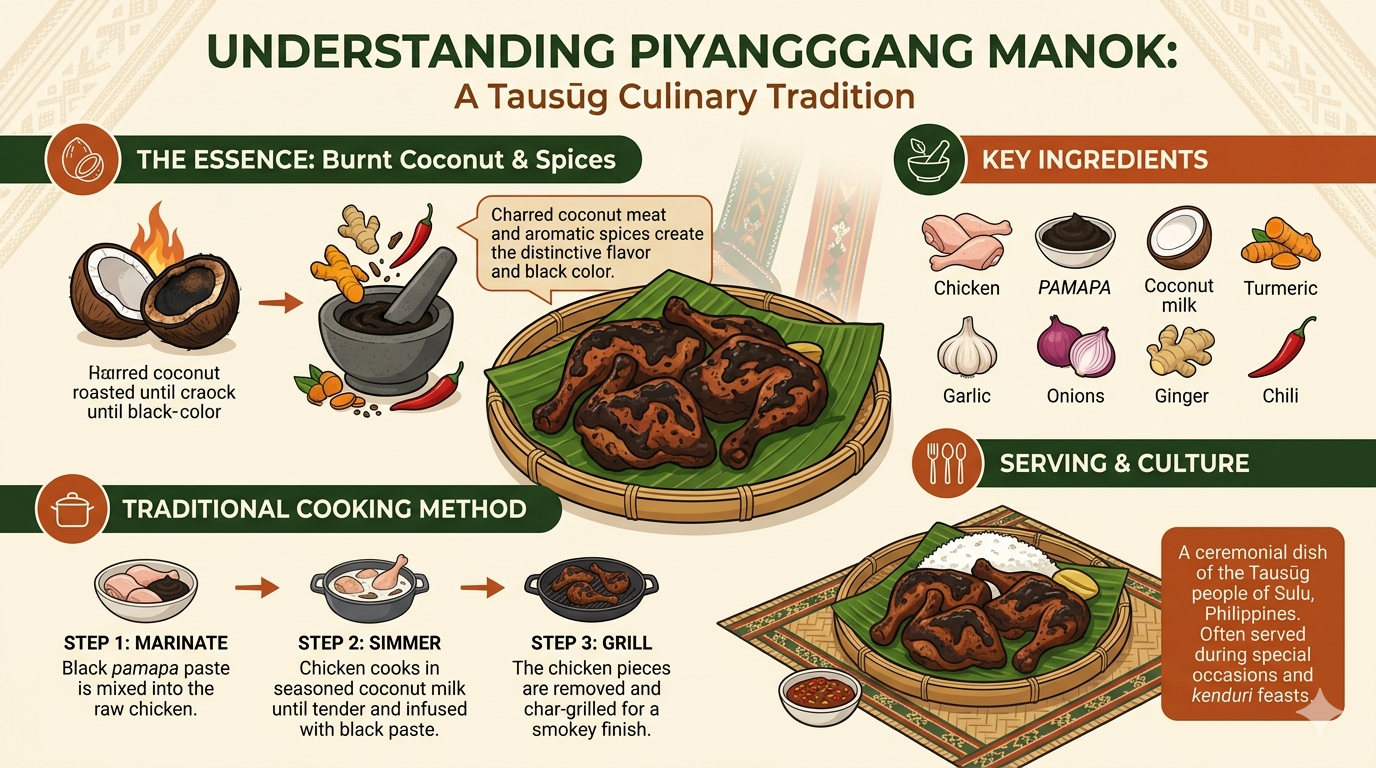
Illustrative infographic showing the components of Piyanggang Manok
Disclaimer
This article is for general informational and educational purposes only. It does not constitute professional medical, nutrition, or dietary advice. References to dishes, foods, or ingredients do not imply endorsement or guarantee of health outcomes. Readers are encouraged to consult licensed nutritionists, dietitians, or medical professionals for personalized guidance.
by Ramil Villar | Apr 3, 2026 | Food & Nutrition Basics
Kinilaw: Understanding the Filipino Raw Fish Dish
A neutral overview of kinilaw, its ingredients, preparation principles, and nutritional considerations.
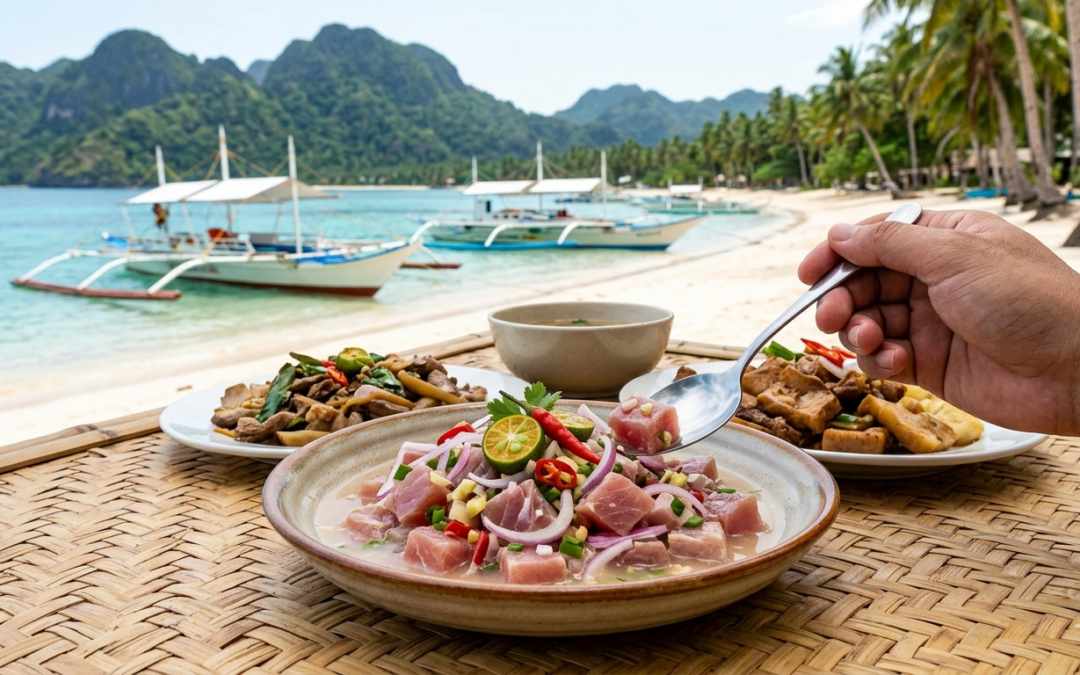
Kinilaw is a traditional Filipino dish commonly made from raw seafood marinated in vinegar or citrus juice. Under Philippine food safety and consumer protection standards, proper handling of raw ingredients is important to reduce the risk of foodborne illness. This article provides an educational overview of kinilaw, including its typical ingredients, preparation practices, and nutritional considerations. Readers will learn about safe consumption, nutrient content, and food labeling awareness relevant to this dish.
Ingredients and Common Preparation
Kinilaw typically includes:
- Raw seafood such as fish (tuna, tanigue, or mackerel), shrimp, or squid
- Acidic marinating agents like vinegar, calamansi, or lemon juice
- Optional vegetables and aromatics such as onions, ginger, tomatoes, and chili peppers
- Seasonings like salt and pepper
The acidic marinade partially denatures the proteins in seafood, giving the dish its characteristic texture. However, marination does not fully eliminate bacteria or parasites, so proper seafood sourcing and hygiene are important.
Nutritional Overview
Kinilaw can be part of a nutrient-rich diet when consumed safely. Typical nutrients include:
- Protein: High-quality protein from seafood
- Omega-3 fatty acids: Present in certain fish like tuna or mackerel
- Vitamins and minerals: Including vitamin D, vitamin B12, iodine, and selenium
- Low in carbohydrates: Unless additional ingredients like fruits or condiments are added
Portion sizes and frequency of consumption should be considered in the context of overall dietary balance. Kinilaw can be complemented with vegetables or whole grains to increase fiber intake.
Safe Consumption Practices
Under DOH and FDA Philippines guidelines:
- Use fresh or properly frozen seafood from reputable sources
- Marinate in acidic solutions immediately before serving
- Keep ingredients refrigerated until preparation
- Avoid cross-contamination with raw meats or unwashed utensils
These steps help reduce the risk of foodborne illnesses while maintaining the traditional characteristics of kinilaw.
Context
In nutrition science studies, raw seafood is recognized as a source of lean protein and essential fatty acids, but it also carries potential microbial or parasitic hazards. Under Philippine consumer protection and labeling standards, seafood should be sold with proper freshness indicators and storage guidance. Diet planning typically involves balancing protein intake with other macronutrients, and nutrient results may vary individually depending on overall diet and health status. Consultation with licensed nutritionists or dietitians is recommended for personalized dietary guidance.
FAQs
What is kinilaw?
Kinilaw is a Filipino dish made from raw seafood marinated in vinegar, citrus juice, or other acidic liquids, often with vegetables and seasonings.
Is kinilaw nutritious?
Kinilaw provides protein, omega-3 fatty acids, and several vitamins and minerals. Nutrient content depends on the type of seafood used.
How can kinilaw be prepared safely?
Safe preparation involves using fresh seafood, proper refrigeration, and immediate marination before consumption to reduce microbial risks.
Trusted Sources
- Department of Health (DOH) Philippines — Food Safety Advisory: Raw Seafood
- Food and Drug Administration (FDA Philippines) — Guidelines on Fish Handling and Storage
- Philippine Council for Agriculture, Aquatic and Natural Resources Research and Development (PCAARRD) — Nutritional Composition of Local Seafood
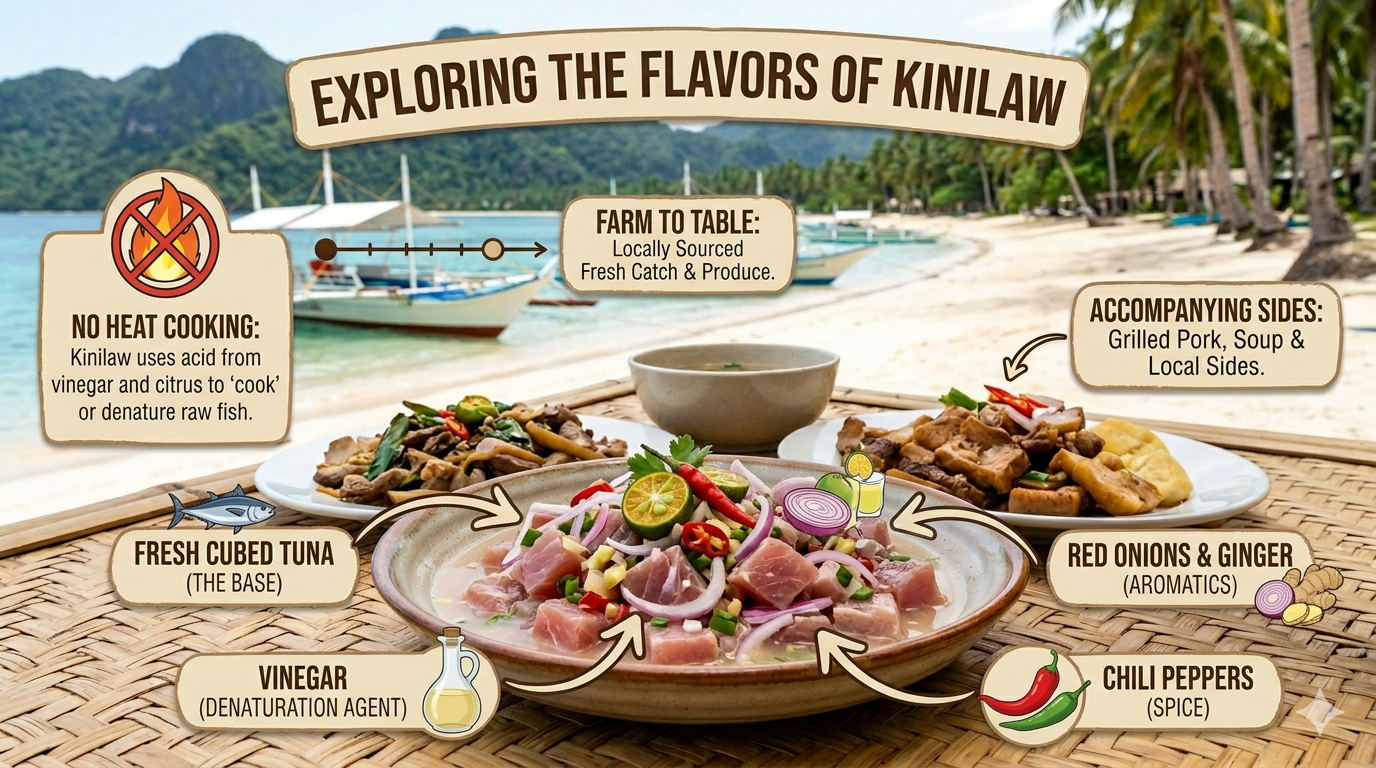
Step-by-step infographic illustrating the composition and preparation of kinilaw
Disclaimer
This article is for general informational and educational purposes only. It does not constitute professional medical, nutrition, or dietary advice. References to kinilaw, seafood, or preparation practices do not imply endorsement or guarantee of health outcomes. Readers are encouraged to consult licensed nutritionists, dietitians, or medical professionals for personalized guidance.