Grilled Tuna Belly: Nutritional Insights and Safe Preparation
A neutral overview of tuna belly nutrition, safe grilling practices, and portion considerations.
This article provides an informational overview of grilled tuna belly, including its nutrient composition, culinary preparation, and consumer considerations. The content aligns with Philippine food safety and labeling standards, referencing DOH and FDA guidelines. Readers will learn about tuna belly as a protein source, hypothetical serving suggestions, and safe handling practices.
Nutritional Profile of Tuna Belly
Tuna belly is the fatty ventral portion of the tuna fish. Nutritionally, it contains:
- Protein: Essential for cellular repair and muscle function.
- Omega-3 fatty acids: Polyunsaturated fats associated with cardiovascular and brain health in general nutrition studies.
- Fat content: Higher than other tuna cuts, contributing to energy density.
- Vitamins and minerals: Includes vitamin D, selenium, and B-complex vitamins.
Note: Nutrient composition varies by tuna species and portion size. Nutrition studies emphasize moderation due to higher fat and calorie content compared to lean cuts.
Safe Grilling and Handling Practices
Under Philippine food safety standards:
- Temperature: Cook tuna belly to an internal temperature of 63°C (145°F) to minimize bacterial contamination.
- Storage: Keep raw tuna at ≤4°C and consume within 24 hours of purchase.
- Cross-contamination: Use separate utensils and cutting boards for raw and cooked seafood.
- Marination: Acidic marinades (e.g., vinegar or citrus) may add flavor but do not replace proper cooking.
Hypothetical Serving Example
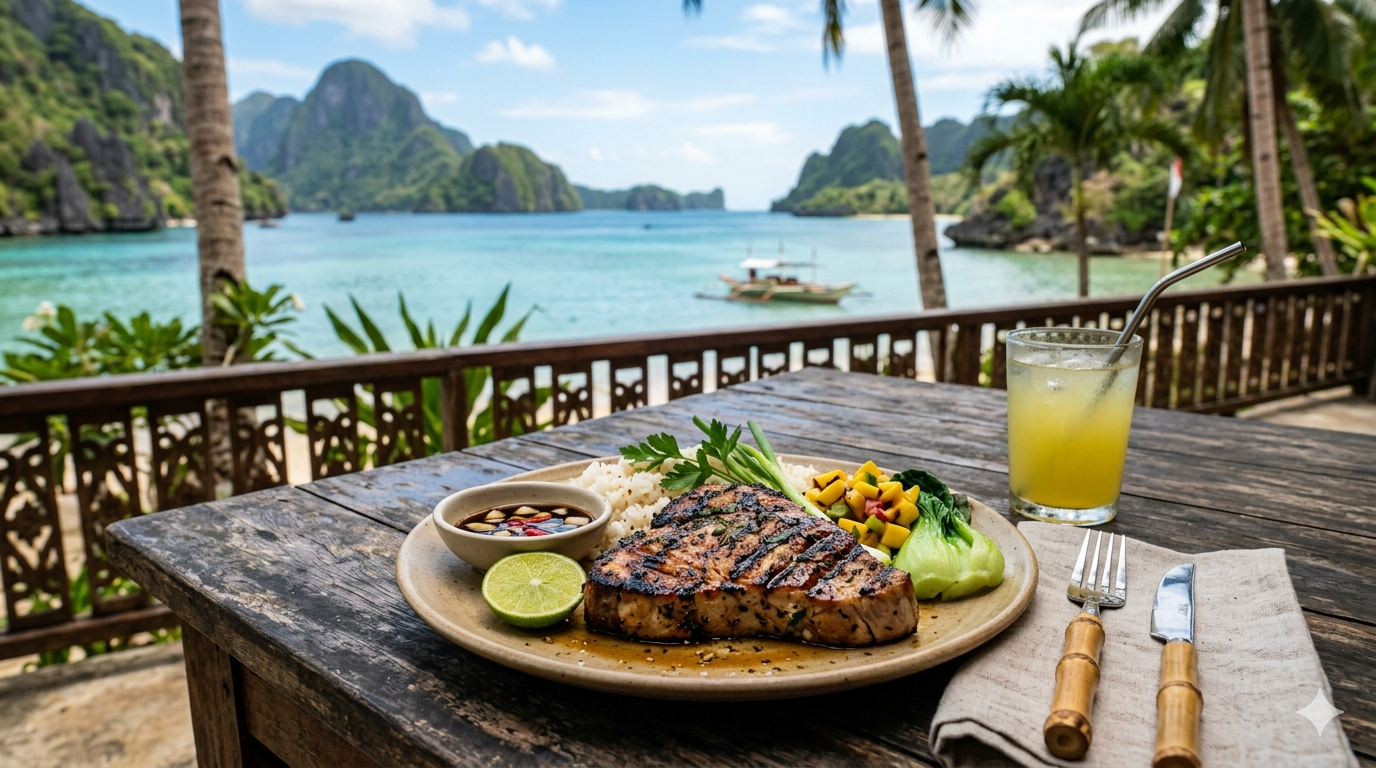
A neutral, illustrative serving for educational purposes:
| Component | Portion | Approximate Nutrients* |
|---|---|---|
| Grilled tuna belly | 100 g | 200 kcal, 22 g protein, 12 g fat |
| Steamed vegetables | 150 g | 50 kcal, 4 g protein, 0 g fat |
| Brown rice | 100 g cooked | 130 kcal, 2.5 g protein, 0.5 g fat |
*Values are estimates based on nutritional databases and are for educational purposes only. Actual values vary by species, cut, and cooking method.
Consumer Awareness Considerations
- Mercury content: Tuna, including belly cuts, may contain trace mercury. Pregnant individuals and children are advised to follow DOH guidance for seafood consumption.
- Labeling: When purchasing packaged tuna, check for product origin, storage instructions, and expiration dates.
- Supplement vs food: Nutrients from whole foods like tuna are different from supplements. Whole food intake should follow general dietary guidelines.
Context
In nutrition science studies, tuna belly is recognized as a protein- and fat-containing fish cut that provides energy and essential nutrients. Under consumer protection and labeling standards in the Philippines, seafood products must indicate handling instructions, shelf life, and source to ensure safety. Dietary results from tuna consumption vary individually, and professional guidance may be sought for specific dietary planning.
FAQs
Q: What nutrients does tuna belly provide?
Tuna belly contains protein, omega-3 fatty acids, and vitamins such as D and B-complex. It also provides minerals like selenium.
Q: Is grilled tuna belly safe to eat?
When properly cooked to at least 63°C (145°F) and stored under safe temperature conditions, tuna belly is considered safe for consumption.
Q: How should tuna belly be portioned?
Portions vary by dietary needs. Hypothetical educational portions are typically around 100 g per serving for nutrient illustration.
Trusted Sources
- Department of Health, Philippines — Seafood Safety Guidelines
- FDA Philippines — Labeling and Food Handling Regulations
- USDA FoodData Central — Tuna Nutritional Information
- Peer-reviewed journals on omega-3 fatty acids and protein content in seafood
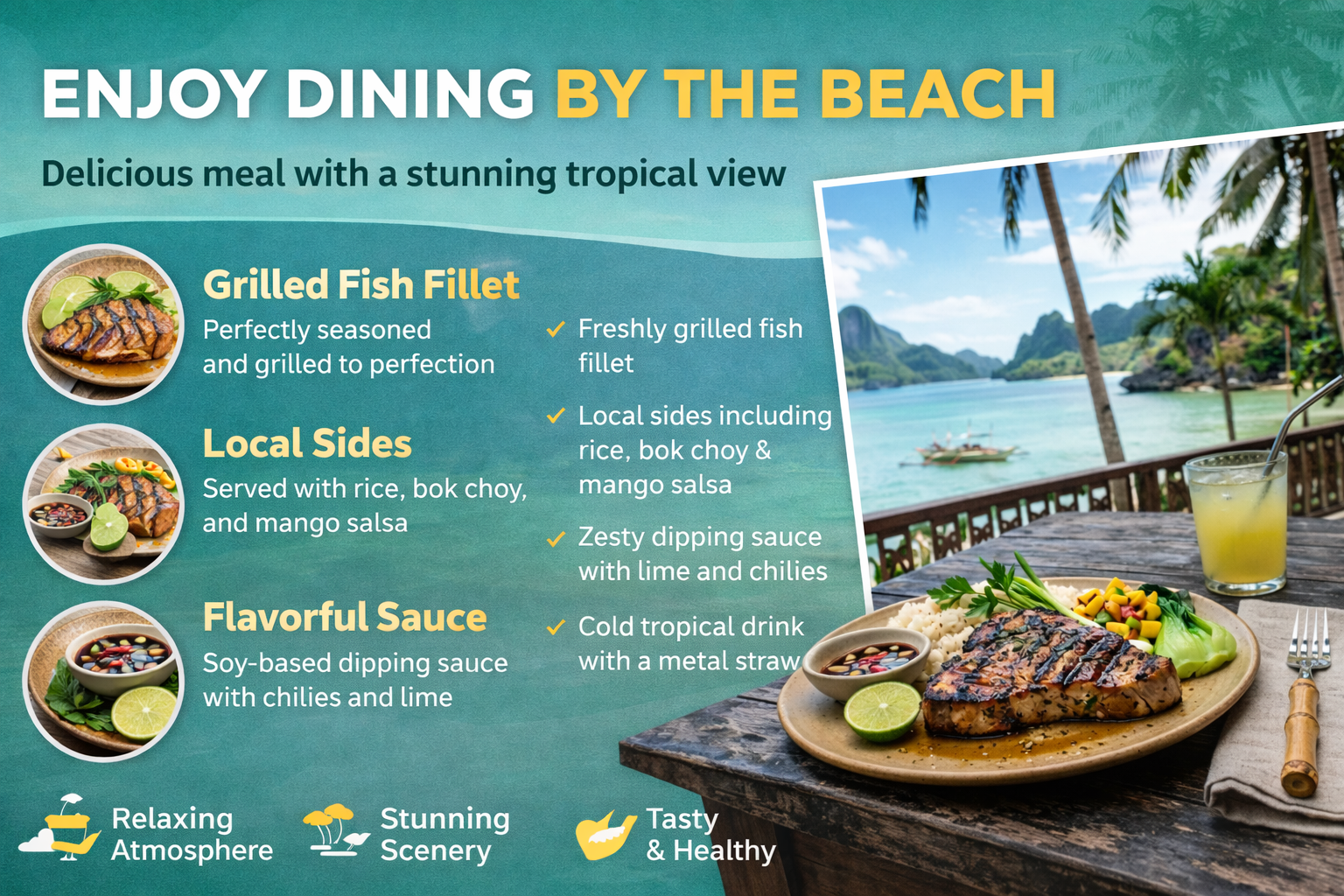
Visual infographic of grilled tuna belly, nutrient composition, and cooking illustrations.
Disclaimer
This article is for general informational and educational purposes only. It does not constitute professional medical, nutrition, or dietary advice. References to tuna or seafood do not imply endorsement or guarantee of health outcomes. Readers are encouraged to consult licensed nutritionists, dietitians, or medical professionals for personalized guidance.