
by Ramil Villar | Apr 3, 2026 | Food & Nutrition Basics
Grilled Tuna Panga: An Educational Overview of a Protein-Rich Seafood Choice
A neutral discussion of tuna panga nutrition, preparation considerations, and consumer awareness.
Grilled tuna panga is a cut from the lower jaw of the tuna fish, commonly used in Filipino cuisine for its firm texture and protein content. This article provides an overview of its nutritional components, general culinary preparation, and considerations for safe consumption, in line with Department of Health (DOH) and Food and Drug Administration (FDA Philippines) guidance. Readers will gain a neutral understanding of its macronutrient profile, potential dietary use, and labeling awareness.
Nutritional Principles
Tuna panga is primarily a source of protein, with moderate levels of fat and minimal carbohydrates. Its nutrient profile can contribute to daily protein intake and provide essential amino acids. Tuna also contains micronutrients such as vitamin B12, selenium, and omega-3 fatty acids, which are studied for their role in overall nutrition.
- Protein: Supports tissue maintenance and repair.
- Fat: Includes healthy omega-3 fatty acids, beneficial for general cellular function.
- Micronutrients: Vitamin B12 and selenium are present in small amounts, contributing to overall dietary balance.
Food Science & Dietary Considerations
- Safe Handling: Tuna panga should be kept at safe refrigeration temperatures (≤ 4°C) before cooking to prevent bacterial growth.
- Cooking Methods: Grilling is a common method, which reduces added fats compared to frying. Cooking should ensure the internal temperature reaches safe levels to minimize microbial risks.
- Portion Awareness: Serving sizes can vary; an educational guideline is 100–150 grams per meal, allowing integration into balanced dietary plans without implying weight or health outcomes.
Hypothetical Meal Example
A neutral illustrative meal could include:
- 120 g grilled tuna panga
- 1 cup steamed vegetables (e.g., squash, string beans)
- ½ cup cooked brown rice
This example demonstrates balanced macronutrient distribution without promising health or body results.
Consumer Awareness
- Label Reading: When purchasing packaged or frozen tuna panga, check for labeling compliance under FDA Philippines, including expiration date, storage instructions, and country of origin.
- Product Authenticity: Verify vendors’ credentials and ensure the product is sourced through reputable suppliers to avoid food safety risks.
- Supplement Caution: Any omega-3 supplements derived from tuna should be considered separately and checked for authenticity and dosage guidance in official references.
Context
In nutrition science studies, tuna and other seafood are recognized for their protein density and micronutrient content. Under consumer protection and labeling standards, seafood products must indicate storage, preparation, and origin information. Dietary planning typically involves balancing protein sources with carbohydrates, fats, and vegetables. Nutritional outcomes vary individually, and licensed dietitians or medical professionals provide personalized guidance.
FAQs
What is tuna panga?
Tuna panga is the lower jaw section of the tuna fish, valued for its firm texture and protein content.
What nutrients are found in grilled tuna panga?
It contains protein, moderate fat including omega-3 fatty acids, and micronutrients like vitamin B12 and selenium.
How can tuna panga fit into a meal plan?
It can be part of a balanced meal combined with vegetables and grains, with portion sizes guided by educational dietary recommendations.
Trusted Sources
- Department of Health (DOH) Philippines – Nutrition Guidelines
- Food and Drug Administration (FDA Philippines) – Seafood Safety References
- Philippine Nutrition Foundation – Dietary Protein Guidance
- Peer-reviewed journals on seafood nutrient composition
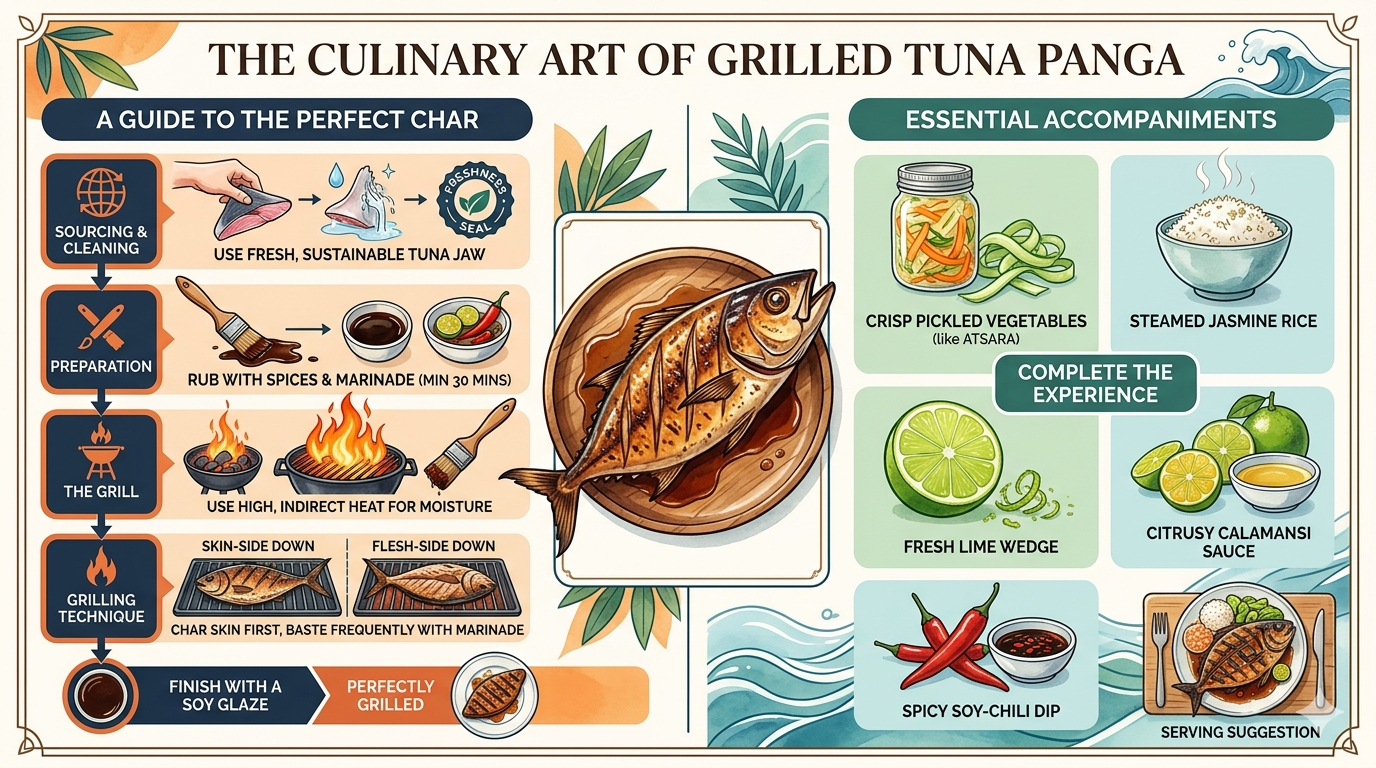
Graphical representation of nutrients in a typical grilled tuna panga portion
Disclaimer
This article is for general informational and educational purposes only. It does not constitute professional medical, nutrition, or dietary advice. References to foods or preparation methods do not imply endorsement or guarantee of health outcomes. Readers are encouraged to consult licensed nutritionists, dietitians, or medical professionals for personalized guidance.

by Ramil Villar | Apr 3, 2026 | Food & Nutrition Basics
Pomelo: An Educational Overview of Its Nutritional Profile
A neutral guide to the nutrients, dietary considerations, and consumer awareness of pomelo.
Pomelo is a citrus fruit commonly found in Southeast Asia, including the Philippines. This article provides a neutral overview of its nutrient content, dietary role, and safe consumption practices. It also highlights relevant food labeling and consumer guidance based on DOH and FDA Philippines standards.
Nutritional Composition
Pomelo is a source of water, carbohydrates, dietary fiber, and small amounts of protein. It contains vitamins and minerals, notably vitamin C, potassium, and folate. Its natural sugars contribute to energy content, while fiber supports digestive health.
Macronutrients & Micronutrients (per 100g, approximate)
| Nutrient |
Content |
| Calories |
38 kcal |
| Carbohydrates |
9.6 g |
| Dietary Fiber |
1 g |
| Protein |
0.8 g |
| Fat |
0.04 g |
| Vitamin C |
61 mg |
| Potassium |
216 mg |
| Folate |
16 µg |
Dietary Role
Pomelo can be included as part of a balanced diet emphasizing variety across food groups. It may be consumed fresh, juiced, or in salads. Portion control is informational, with typical serving sizes ranging from 100–200 g per snack or meal component.
Consumer Awareness
- Verify freshness by selecting fruits without visible mold or damage.
- Check labeling if purchased pre-packed, noting origin, weight, and expiration.
- Wash thoroughly before consumption to remove surface contaminants.
Context
In nutrition science studies, citrus fruits like pomelo contribute to overall nutrient variety in diets. Under Philippine consumer protection and labeling standards, accurate fruit labeling ensures transparency about origin and nutrient content. Dietary results vary individually; personal nutrition needs depend on age, activity level, and health conditions.
FAQs
What nutrients are in pomelo?
Pomelo provides carbohydrates, fiber, vitamin C, potassium, and small amounts of protein and folate.
Is pomelo high in calories?
Pomelo is relatively low in calories, with approximately 38 kcal per 100 grams.
How is pomelo typically consumed?
Pomelo can be eaten fresh, juiced, or added to salads as part of a varied diet.
Trusted Sources
- Department of Health (DOH) Philippines, Nutrition Guidelines
- FDA Philippines, Food Labeling Guidelines
- USDA FoodData Central (for citrus nutrient values)
- Peer-reviewed nutrition journals on fruit nutrient composition
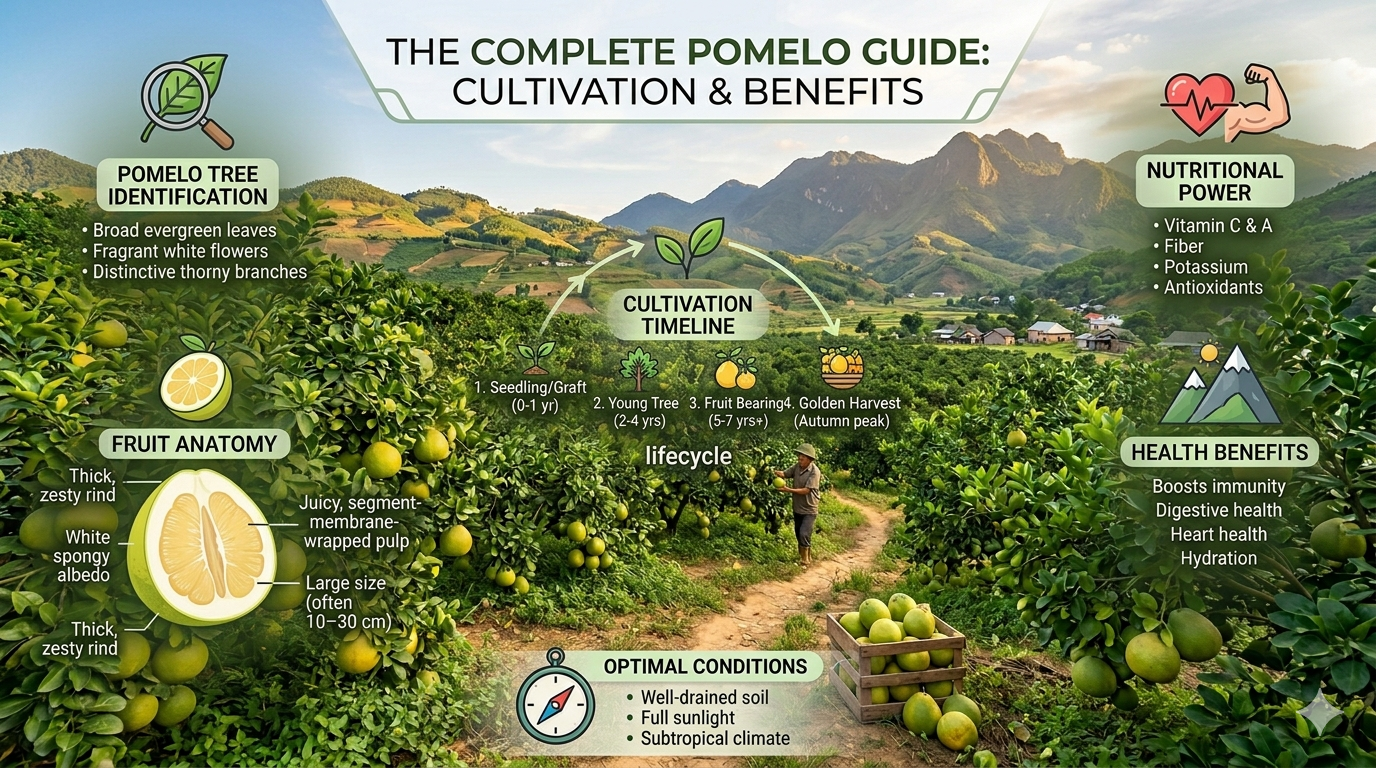
Infographic displaying macronutrients and micronutrients of pomelo
Disclaimer
This article is for general informational and educational purposes only. It does not constitute professional medical, nutrition, or dietary advice. References to foods or fruits do not imply endorsement or guarantee of health outcomes. Readers are encouraged to consult licensed nutritionists, dietitians, or medical professionals for personalized guidance.

by Ramil Villar | Apr 3, 2026 | Food & Nutrition Basics
Exploring Durian Treats: Nutritional Overview and Considerations
A neutral guide to durian-based foods, nutrient content, and safe consumption.
Durian, often called the “king of fruits” in Southeast Asia, is known for its distinctive aroma and creamy texture. This article provides an educational overview of durian-based treats, their nutritional components, and considerations for balanced inclusion in diets. It aligns with Philippine food safety and labeling standards from the Department of Health (DOH) and Food and Drug Administration (FDA Philippines).
Nutritional Profile of Durian
Durian contains carbohydrates, dietary fiber, fats, and protein. It also provides vitamins, including vitamin C and some B-complex vitamins, as well as minerals such as potassium, magnesium, and iron. Nutrient content can vary depending on ripeness and preparation methods.
Common Durian Treats
- Durian Candy or Toffee – Often made with durian puree and sugar; these are higher in added sugars and calories compared to raw fruit.
- Durian Ice Cream – Combines durian pulp with dairy or non-dairy bases; nutrient content depends on added ingredients.
- Durian Pancakes or Pastries – Typically use flour, sugar, and durian filling; portions may influence calorie and carbohydrate intake.
- Durian Chips – Sliced durian, sometimes fried or baked; may be higher in fats depending on preparation.
Safe Consumption Considerations
- Portion awareness is key since durian-based treats often contain additional sugars or fats.
- Individuals with specific dietary restrictions, such as diabetes, may want to monitor intake due to naturally occurring and added sugars.
- Fresh durian should be handled and stored according to standard food safety practices to prevent spoilage.
Context
In nutrition science studies, durian is recognized as an energy-dense fruit with unique macronutrient composition. Under consumer protection and labeling standards, packaged durian treats must indicate ingredients, nutritional information, and potential allergens. Nutrient intake from durian treats varies individually based on age, activity level, and overall diet. Licensed nutrition or medical professionals provide individualized guidance if needed.
FAQs
What nutrients are found in durian?
Durian contains carbohydrates, fats, protein, dietary fiber, vitamin C, B vitamins, potassium, magnesium, and iron. Nutrient amounts vary by ripeness and preparation.
Are durian treats high in calories?
Many durian-based candies, pastries, and ice creams include added sugars or fats, making them higher in calories than raw durian.
How should durian be stored?
Fresh durian should be stored in cool, dry conditions. Packaged treats should follow manufacturer storage instructions to maintain safety and freshness.
Trusted Sources
- Department of Health (DOH) Philippines — Food Safety Advisories
- Food and Drug Administration (FDA Philippines) — Labeling Guidelines
- Peer-reviewed journals on tropical fruit nutrition and dietary composition
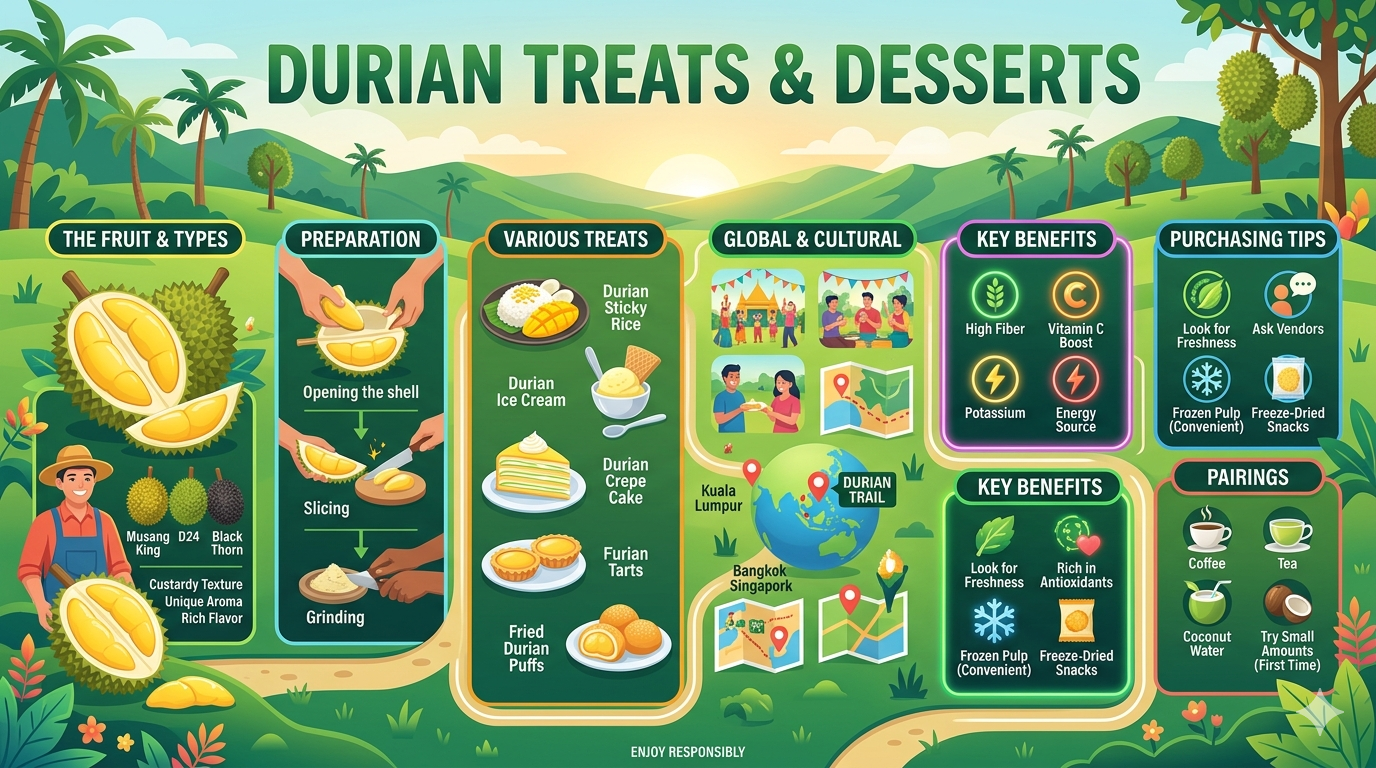
Illustration showing nutrient composition of durian snacks and desserts.
Disclaimer
This article is for general informational and educational purposes only. It does not constitute professional medical, nutrition, or dietary advice. References to durian, foods, or treats do not imply endorsement or guarantee of health outcomes. Readers are encouraged to consult licensed nutritionists, dietitians, or medical professionals for personalized guidance.
by Ramil Villar | Apr 3, 2026 | Food & Nutrition Basics
Exploring Bukidnon Beef: Nutritional Insights and Meal Planning
A neutral overview of beef nutrition, food preparation considerations, and illustrative meal ideas using Bukidnon beef.
This article provides an educational overview of beef, focusing on Bukidnon-sourced beef. It covers nutritional components, safe preparation practices, and sample meal planning examples. Information is presented in accordance with Philippine food safety and labeling standards (DOH, FDA Philippines, DTI) and global nutrition guidance. Readers will gain an understanding of how beef can contribute to balanced diets without implying health or weight outcomes.
Nutritional Overview of Beef
Beef is a source of several macronutrients and micronutrients. Key components include:
- Protein: Supports tissue maintenance and growth; content varies by cut.
- Fat: Includes saturated and unsaturated fats; trimming visible fat can adjust fat intake.
- Micronutrients: Iron, zinc, vitamin B12, and other B vitamins.
Beef from Bukidnon may vary in nutrient content depending on breed, feed, and cut type. Nutrient density is higher in lean cuts.
Food Safety and Preparation
Under Philippine food safety regulations (FDA Philippines, DOH), handling and preparation of beef should follow these guidelines:
- Store at appropriate refrigeration temperatures (≤ 4°C) or freeze for longer-term storage.
- Cook beef to internal temperatures that reduce microbial risks (≥ 63°C for medium-rare, ≥ 71°C for well-done).
- Avoid cross-contamination with raw vegetables or cooked foods.
- Follow LGU and FDA labeling guidelines when purchasing packaged beef products.
Hypothetical Meal Planning with Bukidnon Beef
These examples are illustrative only and do not imply any health or weight outcomes.
Example 1: Beef and Vegetable Stir-Fry
- 100 g lean Bukidnon beef strips
- 1 cup mixed vegetables (carrots, bell peppers, green beans)
- 1 tsp cooking oil
- Serve with ½ cup cooked brown rice
Nutrient snapshot (approximate):
- Protein: 20 g
- Carbohydrates: 22 g
- Fat: 7 g
Example 2: Beef Nilaga (Boiled Beef Soup)
- 120 g lean beef chunks
- 1 cup cabbage, ½ cup potatoes, ½ cup corn
- Herbs and spices for flavor
- Serve with 1 cup rice
Nutrient snapshot (approximate):
- Protein: 22 g
- Carbohydrates: 35 g
- Fat: 8 g
Example 3: Beef Salad
- 80 g grilled beef slices
- 1 cup leafy greens (lettuce, spinach)
- ½ cup cucumber, tomatoes, onion
- Light vinaigrette (1 tsp oil + vinegar)
Nutrient snapshot (approximate):
- Protein: 18 g
- Carbohydrates: 8 g
- Fat: 6 g
These examples illustrate balanced nutrient distribution and variety; portion sizes can be adjusted according to individual needs under professional guidance.
Context
In nutrition science studies, beef provides high-quality protein and bioavailable micronutrients such as iron and B vitamins. Under consumer protection and labeling standards in the Philippines, accurate sourcing, storage, and preparation information is required for all meat products. Diet planning typically involves balancing macronutrients, considering portion sizes, and including a variety of foods. Nutrient content and dietary effects vary individually, and personal nutrition goals should be discussed with licensed nutritionists or medical professionals.
FAQs
What nutrients are found in beef?
Beef contains protein, fat, iron, zinc, and vitamin B12, among other nutrients. Levels vary by cut and preparation method.
What is lean beef?
Lean beef refers to cuts with lower visible fat content. Lean options may provide protein with relatively less fat.
How can beef be included in meal planning?
Beef can be combined with vegetables, grains, and legumes to create balanced meals. Portion sizes and frequency depend on individual nutrition goals.
Trusted Sources
- Department of Health (DOH Philippines) – Nutrition Advisories
- Food and Drug Administration Philippines – Food Safety Guidelines
- Philippine Dietetic Association – Nutritional Guidelines
- Peer-reviewed journals: Journal of Food Science, Nutrition Research Reviews
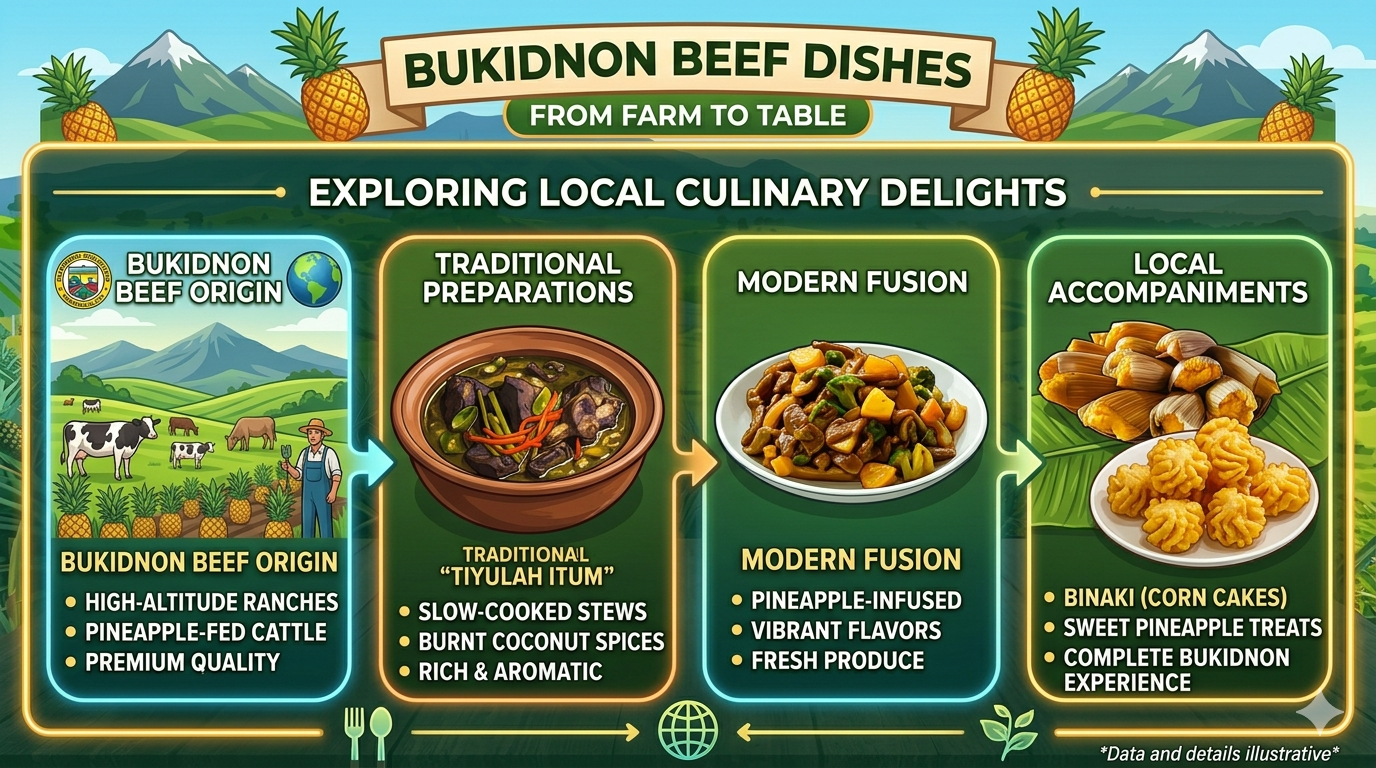
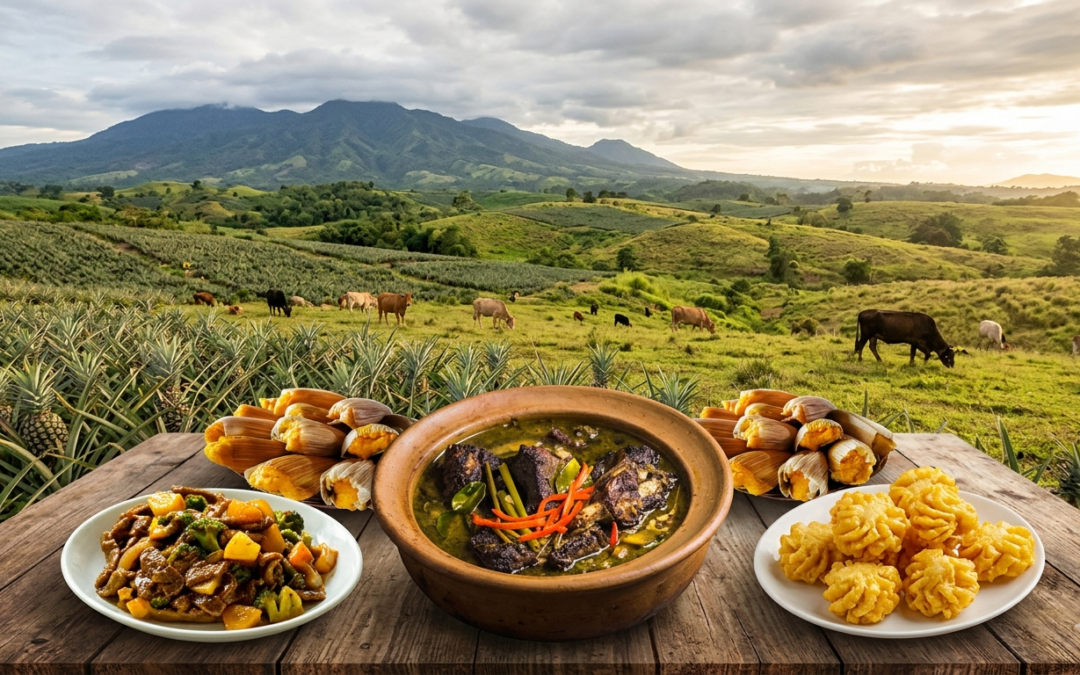
Infographic illustrating beef cut types, macronutrient content, and sample meal ideas
Disclaimer
This article is for general informational and educational purposes only. It does not constitute professional medical, nutrition, or dietary advice. References to foods or meal examples do not imply endorsement or guarantee of health outcomes. Readers are encouraged to consult licensed nutritionists, dietitians, or medical professionals for personalized guidance.

by Ramil Villar | Apr 3, 2026 | Food & Nutrition Basics
Exploring Pineapple Delicacies: Nutritional Insights and Educational Overview
A neutral guide to pineapple-based foods, nutrient content, and safe consumption practices.
Pineapple is a tropical fruit widely used in Filipino cuisine and desserts. This article provides an educational overview of pineapple-based delicacies, highlighting their nutritional composition, typical macronutrients and micronutrients, and safe dietary considerations. It also discusses how these foods fit into balanced meal planning without implying specific health outcomes. References are aligned with the Department of Health (DOH), Food and Drug Administration (FDA Philippines), and other official nutrition standards.
Nutritional Profile of Pineapple
Pineapple contains natural sugars, dietary fiber, vitamin C, manganese, and small amounts of B-vitamins. Its water content contributes to hydration, while antioxidants in the fruit support general nutrition. Pineapple is generally consumed fresh, canned, or incorporated into desserts and cooked dishes.
Common Pineapple-Based Delicacies in the Philippines
- Pineapple Upside-Down Cake – Typically made with pineapple slices, sugar, butter, and flour. Provides carbohydrates, small amounts of protein, and added sugars.
- Pineapple Tarts / Baked Pastries – Often include pineapple jam and dough. They are energy-dense due to sugar and fat content.
- Fresh Fruit Salads – Pineapple is combined with other fruits. Offers a balance of carbohydrates, fiber, and vitamin C.
- Pineapple-Infused Drinks / Smoothies – Contain fruit juice or puree. Nutrient content varies with added ingredients such as milk, yogurt, or sugar.
Hypothetical Nutrient Breakdown Example
A simple serving of fresh pineapple (1 cup, ~165 g) contains approximately:
- Calories: 82 kcal
- Carbohydrates: 22 g
- Sugars: 16 g (naturally occurring)
- Protein: 0.9 g
- Fat: 0.2 g
- Fiber: 2.3 g
- Vitamin C: 79 mg (88% of RDA for adults)
- Manganese: 1.5 mg (76% of RDA for adults)
This breakdown is illustrative only and does not imply specific health benefits or dietary outcomes.
Safe Consumption and Dietary Considerations
- Pineapple delicacies often contain added sugars or fats. Moderation is advisable as part of balanced meal planning.
- Consumers should review packaged ingredients and labels to verify sugar, fat, and preservative content in processed pineapple products.
- Individuals with specific dietary restrictions, such as diabetes or allergies, may consider portion control and ingredient composition.
Context
In nutrition science studies, fruit-based desserts provide energy primarily from carbohydrates and added sugars. Under consumer protection and labeling standards in the Philippines, processed pineapple products must display ingredients, nutritional content, and expiration dates per FDA regulations. Diet planning typically involves balancing fruit intake with other macronutrients and considering overall energy needs. Nutritional outcomes vary individually, and personalized guidance from licensed nutrition or medical professionals is recommended for dietary adjustments.
FAQs
What nutrients are in pineapple?
Pineapple contains carbohydrates, dietary fiber, vitamin C, manganese, and small amounts of B-vitamins.
Are pineapple-based desserts considered healthy?
These foods provide energy and nutrients but may include added sugars and fats. Nutritional content varies by recipe.
How can I include pineapple in balanced meal planning?
Pineapple can be part of meals or snacks alongside protein, healthy fats, and other fruits or vegetables for nutrient variety.
Trusted Sources
- Department of Health Philippines – Nutrition Facts and Dietary Guidelines
- FDA Philippines – Food Labeling Guidelines
- Food and Nutrition Research Journal, peer-reviewed studies on tropical fruits
- Academy of Nutrition and Dietetics – Fruit and Dietary Fiber Facts
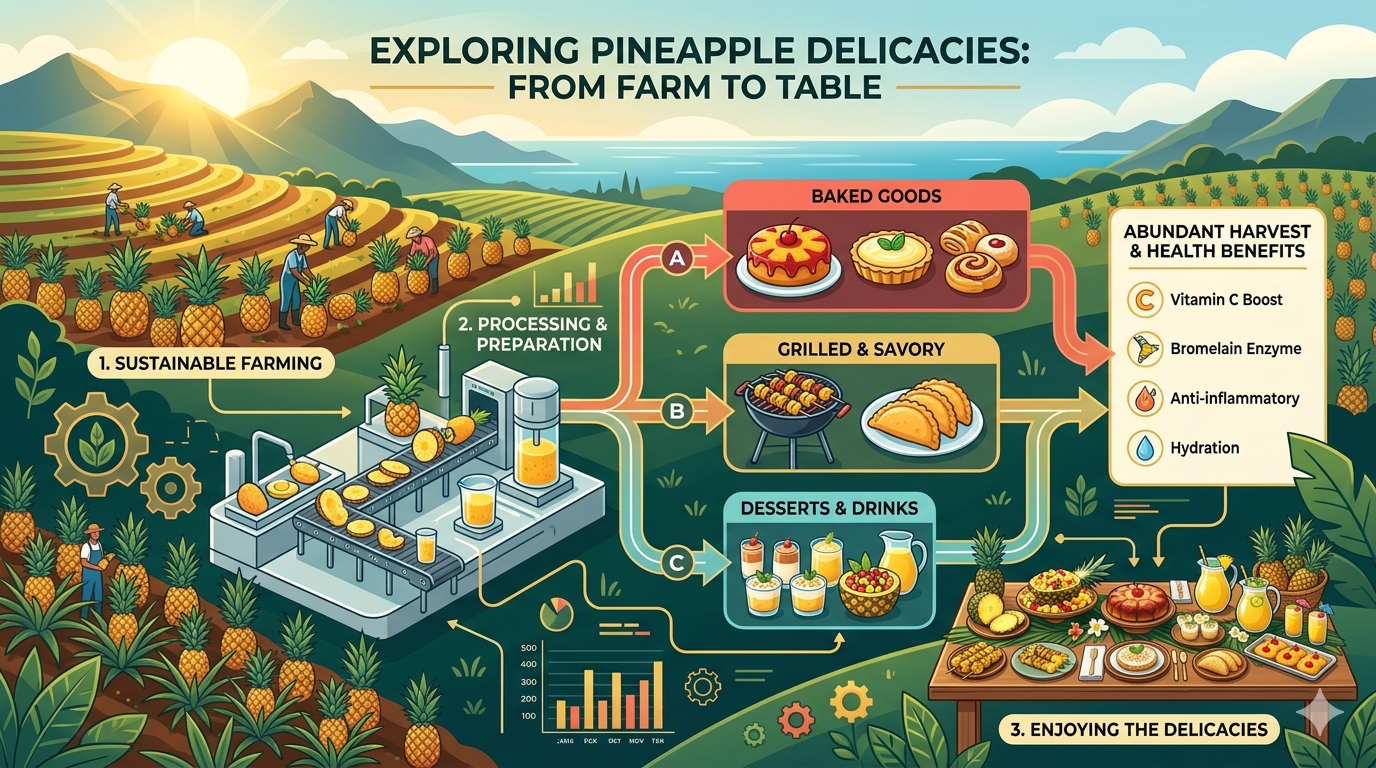
Infographic illustrating types of pineapple-based foods and typical ingredients
Disclaimer
This article is for general informational and educational purposes only. It does not constitute professional medical, nutrition, or dietary advice. References to pineapple foods or recipes do not imply endorsement or guarantee of health outcomes. Readers are encouraged to consult licensed nutritionists, dietitians, or medical professionals for personalized guidance.