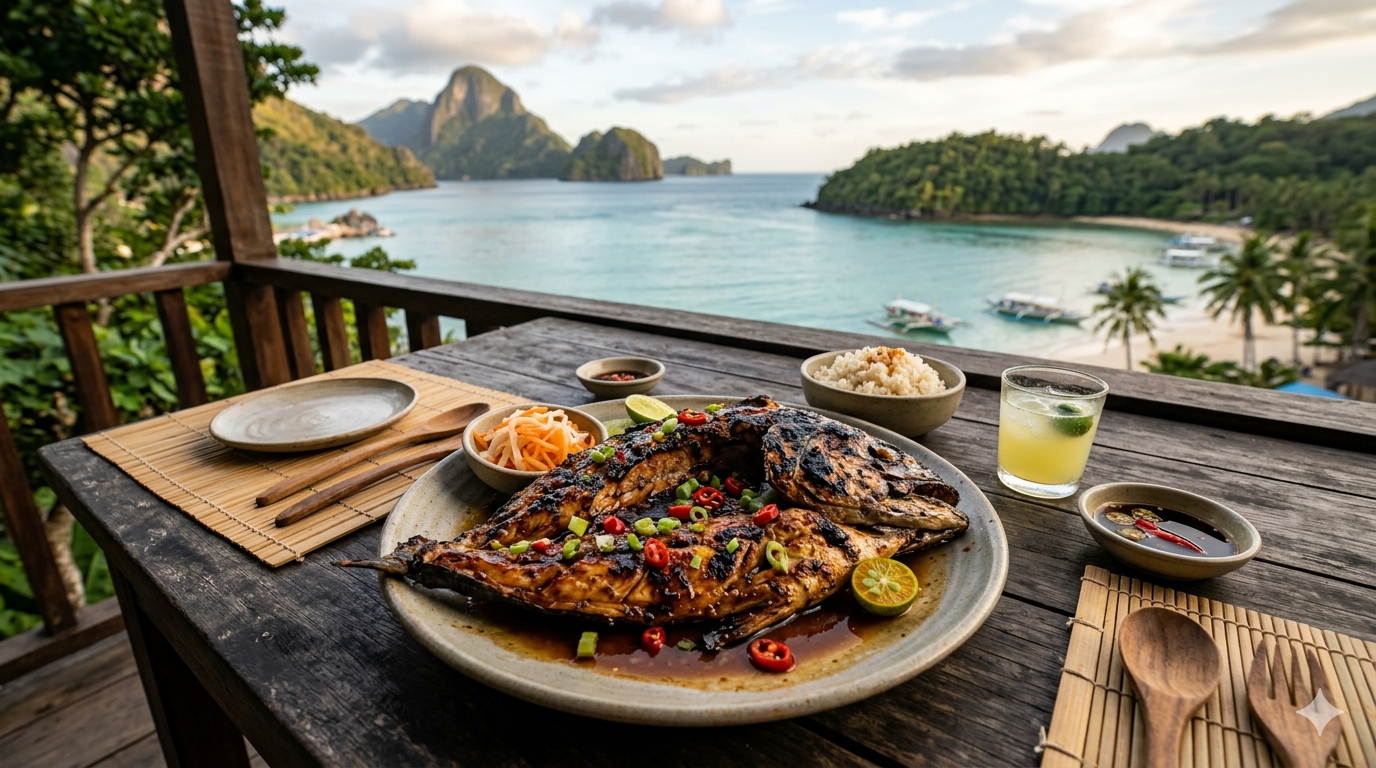
Grilled Tuna Panga: An Educational Overview of a Protein-Rich Seafood Choice
A neutral discussion of tuna panga nutrition, preparation considerations, and consumer awareness.
Grilled tuna panga is a cut from the lower jaw of the tuna fish, commonly used in Filipino cuisine for its firm texture and protein content. This article provides an overview of its nutritional components, general culinary preparation, and considerations for safe consumption, in line with Department of Health (DOH) and Food and Drug Administration (FDA Philippines) guidance. Readers will gain a neutral understanding of its macronutrient profile, potential dietary use, and labeling awareness.
Nutritional Principles
Tuna panga is primarily a source of protein, with moderate levels of fat and minimal carbohydrates. Its nutrient profile can contribute to daily protein intake and provide essential amino acids. Tuna also contains micronutrients such as vitamin B12, selenium, and omega-3 fatty acids, which are studied for their role in overall nutrition.
- Protein: Supports tissue maintenance and repair.
- Fat: Includes healthy omega-3 fatty acids, beneficial for general cellular function.
- Micronutrients: Vitamin B12 and selenium are present in small amounts, contributing to overall dietary balance.
Food Science & Dietary Considerations
- Safe Handling: Tuna panga should be kept at safe refrigeration temperatures (≤ 4°C) before cooking to prevent bacterial growth.
- Cooking Methods: Grilling is a common method, which reduces added fats compared to frying. Cooking should ensure the internal temperature reaches safe levels to minimize microbial risks.
- Portion Awareness: Serving sizes can vary; an educational guideline is 100–150 grams per meal, allowing integration into balanced dietary plans without implying weight or health outcomes.
Hypothetical Meal Example
A neutral illustrative meal could include:
- 120 g grilled tuna panga
- 1 cup steamed vegetables (e.g., squash, string beans)
- ½ cup cooked brown rice
This example demonstrates balanced macronutrient distribution without promising health or body results.
Consumer Awareness
- Label Reading: When purchasing packaged or frozen tuna panga, check for labeling compliance under FDA Philippines, including expiration date, storage instructions, and country of origin.
- Product Authenticity: Verify vendors’ credentials and ensure the product is sourced through reputable suppliers to avoid food safety risks.
- Supplement Caution: Any omega-3 supplements derived from tuna should be considered separately and checked for authenticity and dosage guidance in official references.
Context
In nutrition science studies, tuna and other seafood are recognized for their protein density and micronutrient content. Under consumer protection and labeling standards, seafood products must indicate storage, preparation, and origin information. Dietary planning typically involves balancing protein sources with carbohydrates, fats, and vegetables. Nutritional outcomes vary individually, and licensed dietitians or medical professionals provide personalized guidance.
FAQs
What is tuna panga?
Tuna panga is the lower jaw section of the tuna fish, valued for its firm texture and protein content.
What nutrients are found in grilled tuna panga?
It contains protein, moderate fat including omega-3 fatty acids, and micronutrients like vitamin B12 and selenium.
How can tuna panga fit into a meal plan?
It can be part of a balanced meal combined with vegetables and grains, with portion sizes guided by educational dietary recommendations.
Trusted Sources
- Department of Health (DOH) Philippines – Nutrition Guidelines
- Food and Drug Administration (FDA Philippines) – Seafood Safety References
- Philippine Nutrition Foundation – Dietary Protein Guidance
- Peer-reviewed journals on seafood nutrient composition
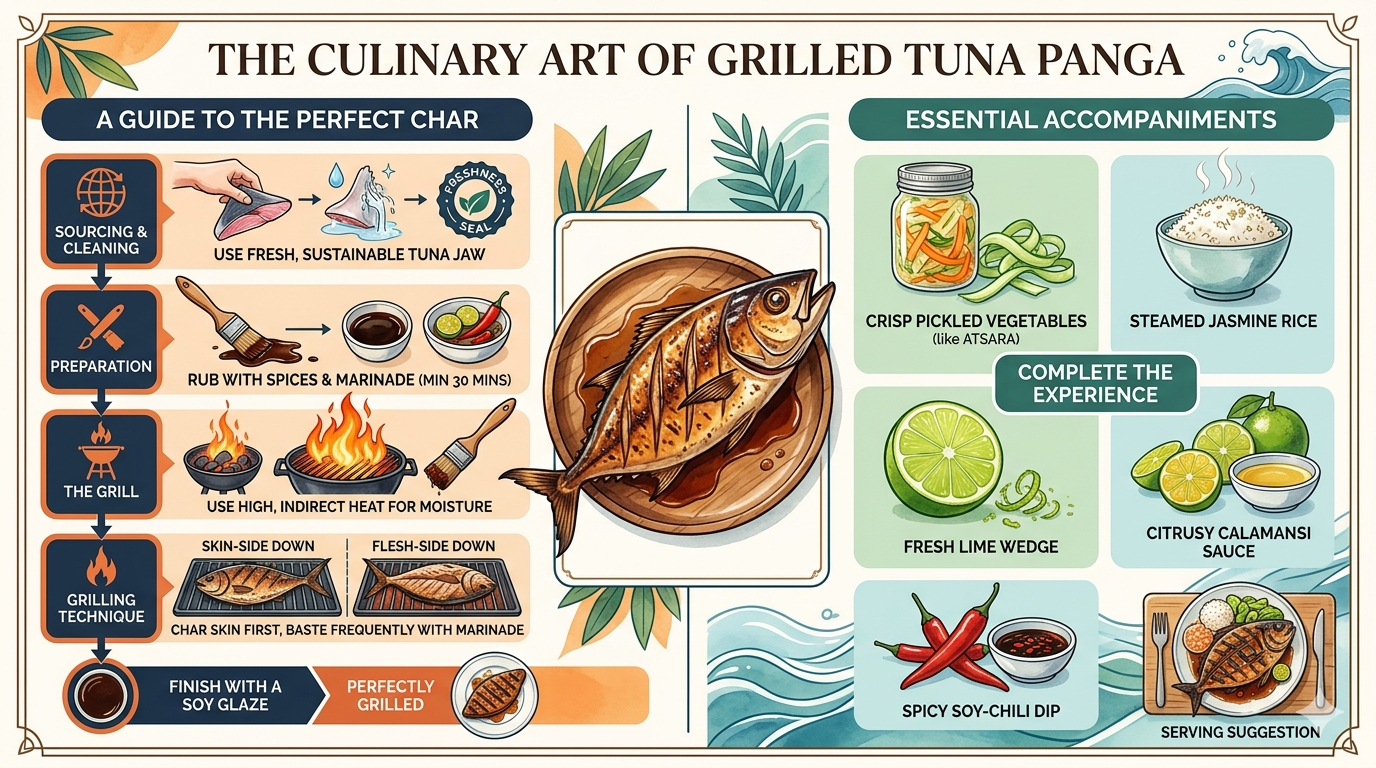
Graphical representation of nutrients in a typical grilled tuna panga portion
Disclaimer
This article is for general informational and educational purposes only. It does not constitute professional medical, nutrition, or dietary advice. References to foods or preparation methods do not imply endorsement or guarantee of health outcomes. Readers are encouraged to consult licensed nutritionists, dietitians, or medical professionals for personalized guidance.