by Ramil Villar | Apr 3, 2026 | Food & Nutrition Basics
Binaki: Understanding the Traditional Filipino Corn Snack
A neutral overview of ingredients, preparation, and nutritional considerations.
Binaki is a traditional Filipino snack originating from the Visayas region. It is typically made from grated corn, coconut milk, sugar, and sometimes butter or margarine, wrapped in corn husks, and steamed. This article provides an educational overview of its typical composition, preparation methods, and nutritional aspects, referencing Philippine food safety and labeling guidelines.
Ingredients and Preparation
Binaki primarily consists of:
- Corn kernels – grated or ground, forming the base of the snack.
- Coconut milk – adds moisture and fat content.
- Sugar – used in varying amounts for sweetness.
- Optional fat – butter or margarine may be included.
- Corn husks – used as wrapping for steaming.
The mixture is combined, wrapped securely, and steamed until set. Traditional preparation does not involve frying or added preservatives.
Nutritional Considerations
Binaki contains:
- Carbohydrates – mainly from corn and sugar.
- Fat – from coconut milk and any added butter or margarine.
- Protein – small amounts from corn.
- Fiber – from corn solids and husks during preparation.
- Micronutrients – such as vitamin C, B-vitamins, and magnesium, naturally present in corn.
Consumption of binaki provides energy from carbohydrates and fats. Portion size and frequency may influence overall caloric intake.
Food Safety and Labeling Awareness
Under Philippine FDA and DOH standards:
- Packaged binaki should have ingredient lists and production information.
- Homemade or market-prepared binaki should follow safe food handling practices, including proper steaming, storage, and hygiene.
- Consumers should verify freshness and avoid binaki showing signs of spoilage (mold, off-odor).
Context
In nutrition science studies, corn-based snacks like binaki are recognized as energy-dense foods that provide carbohydrates and fats but may contain added sugar. Dietary results and energy intake vary individually. Consumers seeking personalized guidance on diet or nutrient balance should consult licensed nutritionists, dietitians, or medical professionals.
FAQs
What is binaki made of?
Binaki is typically made from grated corn, coconut milk, sugar, and sometimes butter, wrapped in corn husks and steamed.
Is binaki a high-calorie snack?
Binaki contains carbohydrates and fats, contributing to its energy content. Nutrient composition varies depending on added sugar or butter.
Can I store binaki safely?
Steamed binaki should be stored in a clean, covered container. Refrigeration is recommended if not consumed immediately.
Trusted Sources
- Department of Health (DOH) Philippines – Food Safety Advisories
- Food and Drug Administration (FDA Philippines) – Guidelines on Processed Foods and Labeling
- Academic journals on Philippine traditional foods and nutrition
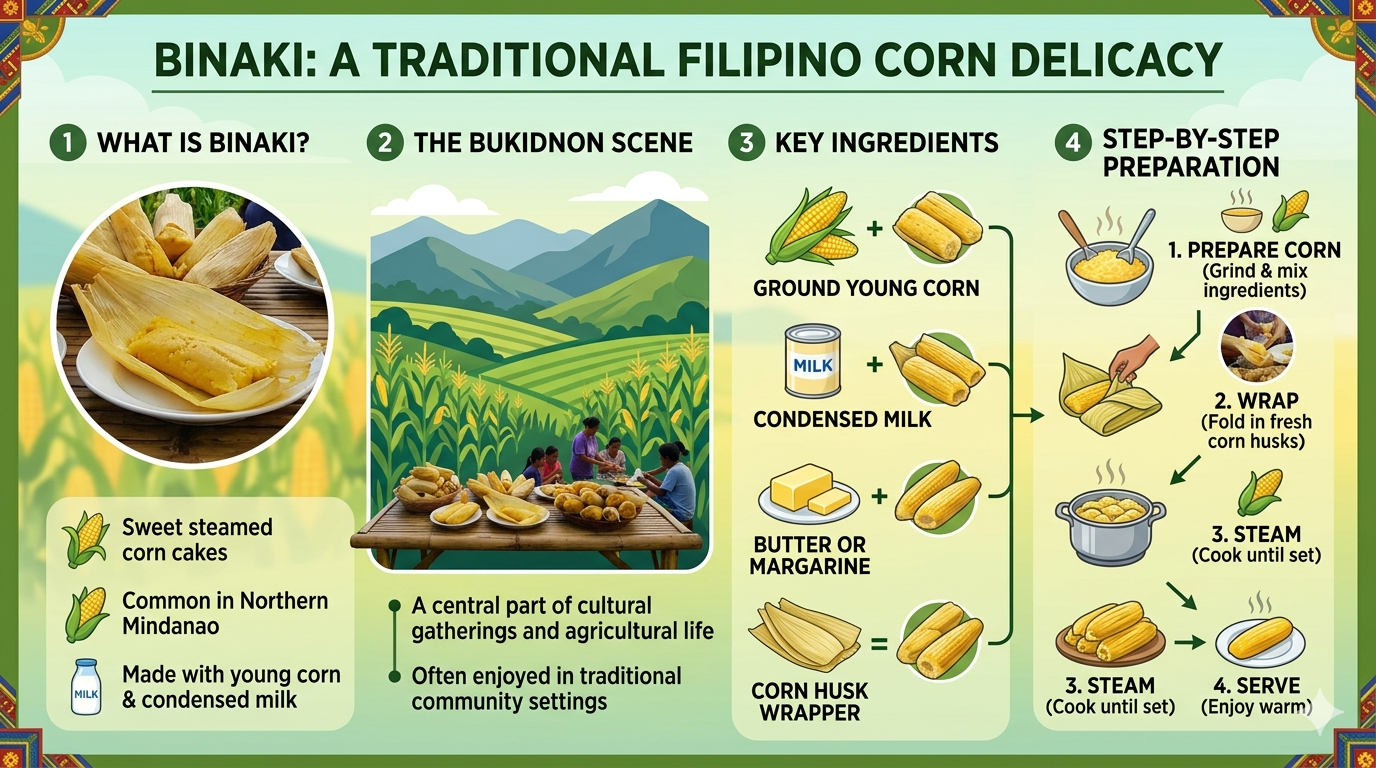
Infographic depicting the ingredients and steaming method for traditional binaki.
Disclaimer
This article is for general informational and educational purposes only. It does not constitute professional medical, nutrition, or dietary advice. References to foods or preparation methods do not imply endorsement or guarantee of health outcomes. Readers are encouraged to consult licensed nutritionists, dietitians, or medical professionals for personalized guidance.

by Ramil Villar | Apr 3, 2026 | Food & Nutrition Basics
Hypothetical Nutritional Profile: 100 g Portion of Lechon (Roasted Pork)
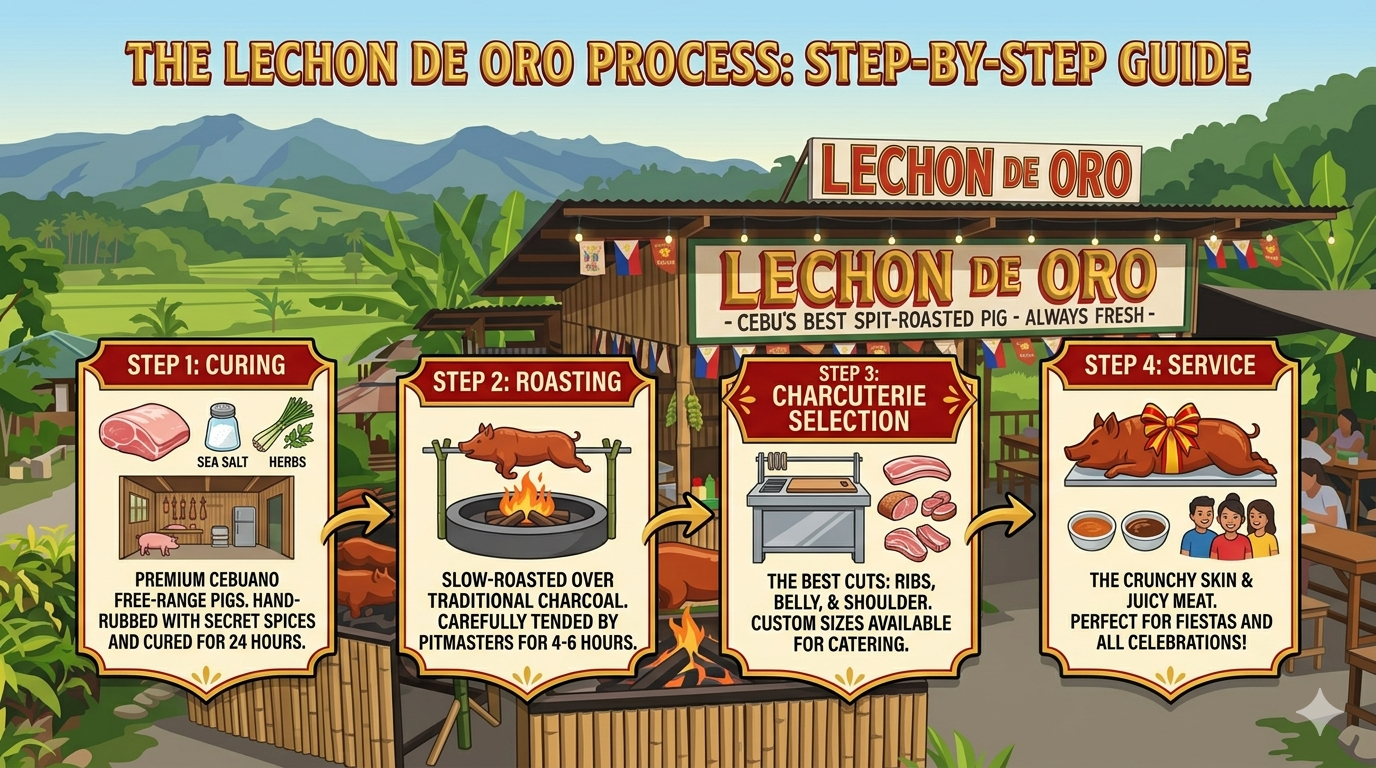
Infographic illustrating Lechon de Oro preparation and presentation.
| Nutrient |
Approximate Amount |
Notes |
| Energy |
300–350 kcal |
Mostly from fat; varies by skin vs lean meat ratio |
| Protein |
20–22 g |
High-quality animal protein |
| Total Fat |
25–28 g |
Includes saturated and unsaturated fats |
| Saturated Fat |
9–11 g |
Moderate; frequent consumption may impact cardiovascular health if part of a high-fat diet |
| Carbohydrates |
0–2 g |
Minimal; depends on marinade or glaze |
| Cholesterol |
70–90 mg |
Present in animal products |
| Sodium |
200–350 mg |
Depends on seasoning and added salt |
| Micronutrients |
Iron, Zinc, B Vitamins |
Provides essential nutrients for red blood cells and metabolism |
Dietary Considerations
- Lechon is energy-dense due to high fat content. Pairing with vegetables and fiber-rich sides can help balance meals in a culturally relevant, neutral way.
- Portion control is key in general dietary planning, especially when including fatty meats.
- Cooking methods (roasting vs deep-frying) influence fat content.
Hypothetical Meal Example
| Meal Component |
Example Portion |
Notes |
| Protein |
100 g lechon |
Provides ~20 g protein |
| Carbohydrate |
½ cup steamed rice |
Neutral, culturally typical |
| Vegetable |
1 cup boiled or sautéed greens |
Adds fiber, vitamins, and minerals |
| Beverage |
Water or unsweetened tea |
Supports hydration |
Educational
- Lechon can be enjoyed in moderation as part of a balanced meal.
- Understanding macronutrient content (protein, fat, carbs) helps contextualize energy intake.
- Consumer awareness: When buying pre-made lechon (e.g., branded or local vendors), check for freshness, cooking methods, and ingredient lists.
Trusted Sources
Disclaimer
This overview is for educational purposes only. It does not constitute medical, dietary, or personalized nutrition advice. Nutrient content varies by preparation, portion size, and individual needs. For personalized guidance, consult a licensed nutritionist, dietitian, or medical professional.

by Ramil Villar | Apr 3, 2026 | Food & Nutrition Basics
Understanding Pastel: A Nutritional Perspective on Sweet Bread
A neutral overview of pastel as a food item, its ingredients, and considerations for balanced eating.
Pastel is a traditional Filipino sweet bread often filled with custard, cream, or fruit-based spreads. This article provides an educational overview of pastel, including its typical ingredients, nutritional composition, and considerations for incorporating it into a varied diet. The discussion aligns with guidelines from the Department of Health (DOH), the Food and Drug Administration (FDA Philippines), and general consumer protection standards.
Ingredients and Composition
Pastel typically contains the following components:
- Flour: Usually all-purpose or bread flour, providing carbohydrates.
- Sugar: Contributes to energy content but should be consumed in moderation.
- Eggs and Dairy: Often used in the filling or dough for protein, fat, and micronutrients such as calcium and vitamin D.
- Fats: Butter, margarine, or vegetable oils may be used, contributing saturated and unsaturated fats.
- Fillings: Custard, cheese, or fruit preserves supply varying amounts of sugar, protein, and micronutrients depending on the recipe.
Nutritional Considerations
- Carbohydrates: Pastel is primarily a source of energy from carbohydrates.
- Proteins and Fats: Eggs, milk, and butter contribute to protein and fat content, including essential amino acids and fatty acids.
- Micronutrients: Eggs and dairy provide calcium, vitamin D, and B vitamins. Fruit fillings may add small amounts of vitamin C.
- Sugars and Calories: Sweet bread is energy-dense; portion control is recommended for overall dietary balance.
Hypothetical Serving Example
A single medium pastel (approximately 80–100 g) may provide:
- Carbohydrates: 30–40 g
- Protein: 3–5 g
- Fat: 5–8 g
- Sugars: 10–15 g
This example illustrates typical nutrient contributions without implying any health outcome.
Consumer Awareness Tips
- Label Reading: When buying packaged pastel, examine nutrition labels for calorie content, sugar, and fat.
- Ingredient Verification: Check for additives, preservatives, and allergens if relevant.
- Portion Guidance: Moderate consumption is consistent with general dietary balance principles.
Context Section
In nutrition science studies, sweet breads like pastel are classified as energy-dense foods. Under consumer protection and labeling standards in the Philippines, food items must display accurate ingredient lists and nutrition information. Diet planning typically involves balancing energy-dense foods with nutrient-dense options such as vegetables, fruits, and whole grains. Dietary outcomes vary individually, and consultation with licensed nutrition or medical professionals is recommended for personalized guidance.
FAQs
What is pastel?
Pastel is a Filipino sweet bread often filled with custard, cream, or fruit-based spreads. It is primarily a source of carbohydrates and energy.
How does pastel fit into a balanced diet?
Pastel can be included in a varied diet as an occasional energy source, alongside nutrient-dense foods such as vegetables, fruits, and lean protein.
What should I check when buying pastel?
Consumers can review nutrition labels, ingredients, and allergen information to make informed choices, as required under FDA Philippines standards.
Trusted Sources
- Department of Health (DOH Philippines) — Nutrition Guidelines
- Food and Drug Administration (FDA Philippines) — Food Labeling Standards
- Philippine Dietetic Association — Official Nutrition References
- Peer-reviewed nutrition journals on carbohydrate and sweet bread consumption
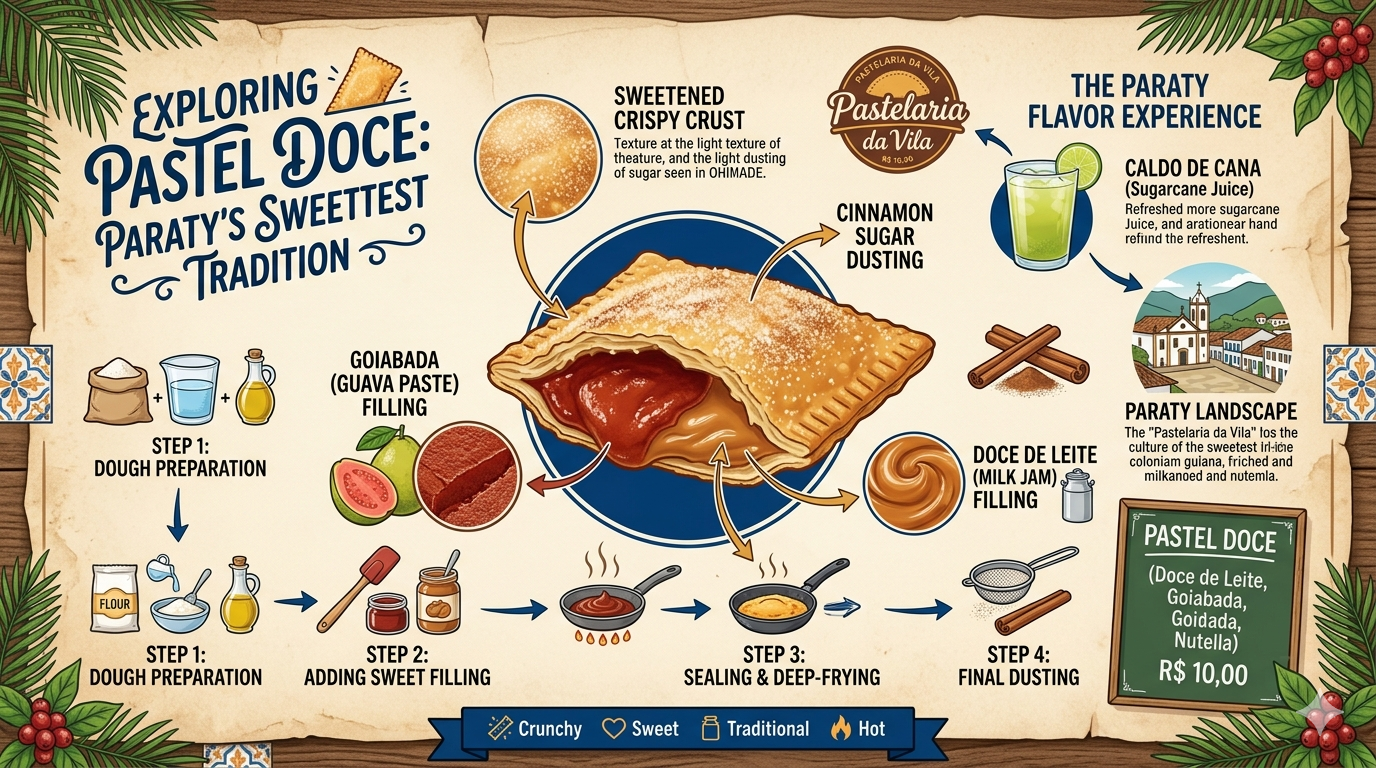
Illustrative infographic showing pastel bread ingredients and typical components.
Disclaimer
This article is for general informational and educational purposes only. It does not constitute professional medical, nutrition, or dietary advice. References to foods like pastel do not imply endorsement or guarantee of health outcomes. Readers are encouraged to consult licensed nutritionists, dietitians, or medical professionals for personalized guidance.
by Ramil Villar | Apr 3, 2026 | Food & Nutrition Basics
Understanding Sinuglaw: A Nutritional Overview of a Filipino Dish
A neutral exploration of ingredients, nutritional components, and meal considerations
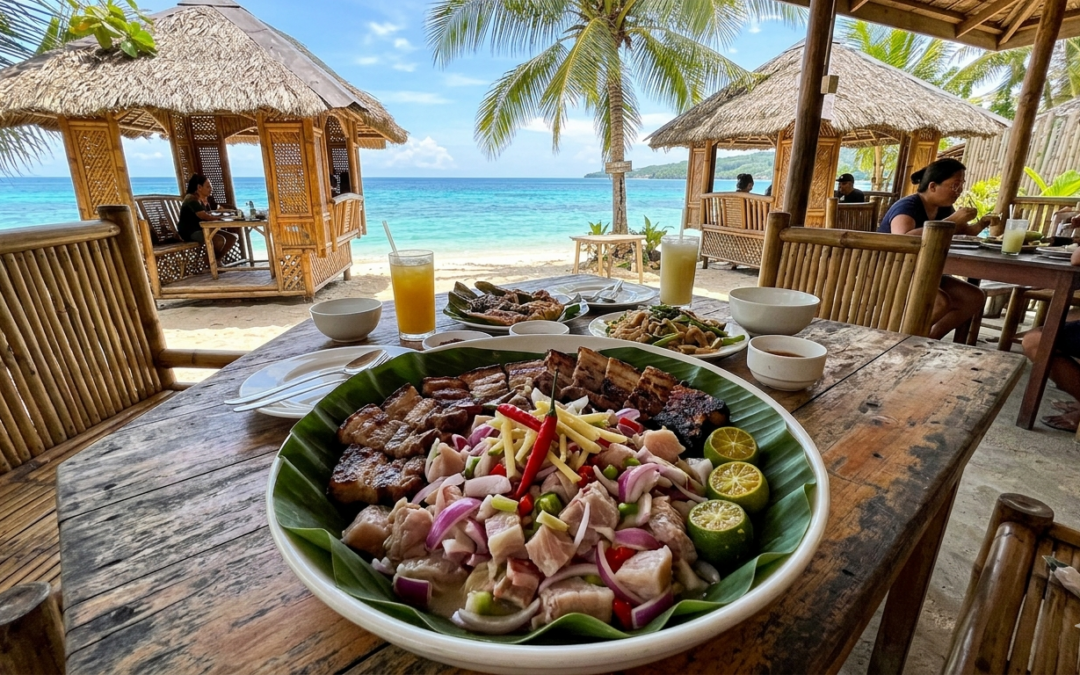
Sinuglaw is a Filipino dish that combines grilled (sinugba) and raw (kinilaw) seafood, typically pork belly and fish, seasoned with vinegar, citrus, and spices. This article provides an educational look at its composition, nutrient considerations, and safe consumption practices in the Philippine context.
Nutritional Overview
Sinuglaw contains multiple food groups, including:
- Protein sources – raw fish provides omega-3 fatty acids, while grilled pork offers saturated and unsaturated fats.
- Acidic components – vinegar and citrus juice contribute flavor and can slightly reduce surface bacterial load.
- Vegetables and aromatics – onions, ginger, and chili may provide micronutrients and antioxidants.
From a macronutrient perspective:
| Component |
Typical Contribution |
| Protein |
Supports muscle and tissue maintenance (from fish and pork) |
| Fat |
Provides energy; includes both saturated and unsaturated fats |
| Carbohydrates |
Minimal, primarily from any added vegetables or marinades |
| Fiber |
Low unless accompanied by vegetable garnishes |
Micronutrients may include vitamin C (from citrus), B vitamins (from pork), and minerals like phosphorus and selenium (from fish).
Safe Consumption Considerations
Under Philippine food safety standards (FDA Philippines, DOH):
- Raw seafood in kinilaw-style dishes must be fresh and sourced from reputable suppliers.
- Marination in vinegar or citrus does not fully eliminate foodborne pathogens.
- Grilled components should reach safe internal temperatures to reduce bacterial risk.
- Individuals with weakened immune systems, pregnant individuals, or those sensitive to raw seafood should exercise caution.
Hypothetical Meal Planning Context
Sinuglaw can be part of a balanced meal if combined with:
- Vegetable servings – leafy greens or root vegetables for fiber and micronutrients.
- Rice or whole grains – for additional energy and carbohydrate balance.
- Hydration – water or other non-sweetened beverages.
This example illustrates nutrient balance rather than prescribing intake or portion sizes. Dietary outcomes vary individually.
Context
In nutrition science studies, mixed protein dishes like Sinuglaw are recognized for their combination of macronutrients and cultural significance in Filipino cuisine. Under consumer protection and labeling standards, it is important to prepare, source, and handle both raw and cooked proteins safely. Diet planning typically involves balancing protein, fats, carbohydrates, and micronutrients.
FAQs
Q1: What is Sinuglaw?
A Filipino dish combining grilled pork and raw seafood, often seasoned with vinegar and citrus.
Q2: What nutrients are in Sinuglaw?
It provides protein, fats, and small amounts of vitamins and minerals depending on the ingredients.
Q3: Are there safety concerns with Sinuglaw?
Yes. Raw seafood should be sourced responsibly, and proper food handling is necessary to reduce the risk of foodborne illness.
Trusted Sources
- Department of Health Philippines: Food Safety Guidelines (FDA Philippines)
- Food and Drug Administration Philippines: Guidelines for Raw Seafood
- Peer-reviewed nutrition journals on protein and seafood consumption
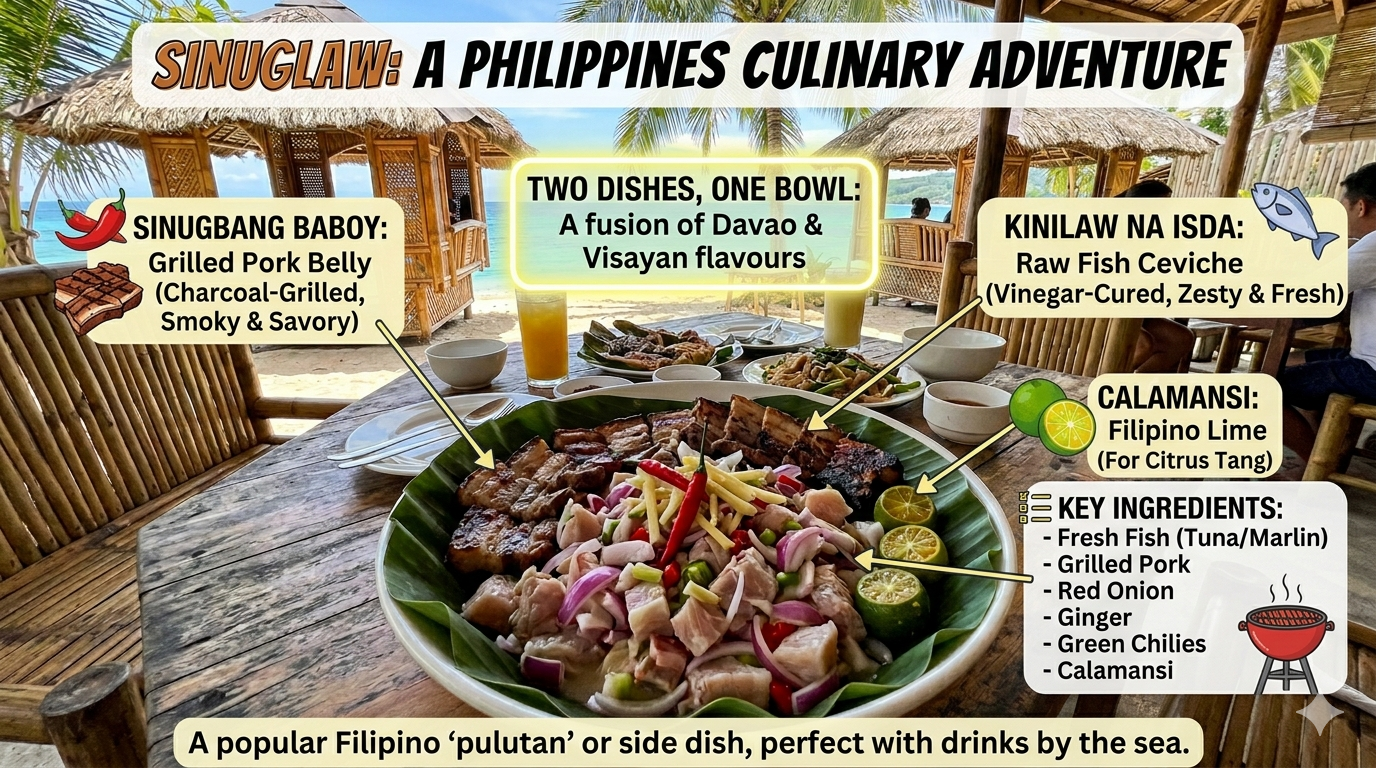
Ingredient composition and macronutrient categories of Sinuglaw
Disclaimer
This article is for general informational and educational purposes only. It does not constitute professional medical, nutrition, or dietary advice. References to dishes or ingredients do not imply endorsement or guarantee of health outcomes. Readers are encouraged to consult licensed nutritionists, dietitians, or medical professionals for personalized guidance.

by Ramil Villar | Apr 3, 2026 | Food & Nutrition Basics
Chavacano-Style Seafood Dishes: Educational Guide on Nutrition and Meal Planning
A neutral overview of Chavacano-influenced seafood recipes, nutrient content, and safe meal planning practices.
This article provides an educational overview of Chavacano-style seafood dishes, focusing on nutritional content, macronutrients, and safe preparation methods. It highlights how seafood contributes to balanced diets while considering Philippine food safety and labeling standards regulated by the DOH, FDA, and DTI. Readers will learn about nutrient composition, hypothetical meal planning, and consumer awareness when including seafood in meals.
Nutritional Principles in Seafood
Seafood is a source of high-quality protein, omega-3 fatty acids, and micronutrients such as iodine, selenium, and vitamin B12. Protein contributes to tissue maintenance and repair, while omega-3 fatty acids are associated with heart health in general nutrition studies. Micronutrients play essential roles in metabolic processes.
Chavacano-style seafood dishes often include shrimp, fish, crab, or squid, combined with local vegetables and seasonings. Cooking methods—such as steaming, grilling, or lightly sautéing—can influence nutrient retention, particularly water-soluble vitamins like vitamin C and B-complex vitamins.
Food Groups and Nutrient Balance
A typical Chavacano-inspired seafood meal may include:
- Protein sources: Fish (bangus, tilapia), shrimp, crab
- Vegetables: Tomato, bell pepper, onion
- Carbohydrates: Rice or cassava
- Fats: Minimal, often from cooking oil or seafood naturally
Balancing seafood with vegetables and whole grains can contribute to nutrient diversity, including dietary fiber, antioxidants, and minerals. Portion control and variety are key in diet planning, without implying any guaranteed health or weight outcomes.
Hypothetical Meal Planning Example
Illustrative Lunch Plate:
- 100 g grilled bangus (approx. 20 g protein, 5 g fat)
- 1 cup steamed vegetables (fiber, vitamin C, potassium)
- 1/2 cup cooked rice (carbohydrates, B vitamins)
Illustrative Dinner Plate:
- 80 g shrimp sautéed with garlic and tomato
- 1/2 cup cassava or corn
- 1 cup mixed greens salad
These examples provide nutrient diversity while maintaining neutral portion sizes. Actual nutritional needs vary individually.
Consumer Awareness and Safe Practices
- Seafood freshness: Check for FDA-regulated handling and storage guidelines.
- Label reading: For packaged seafood or seasonings, verify origin, ingredients, and expiration dates.
- Allergens: Shellfish is a common allergen. Read labels carefully.
- Cooking safety: Ensure seafood reaches proper internal temperatures to reduce microbial risks.
Context
In nutrition science studies, seafood contributes to protein intake and supplies essential micronutrients. Under Philippine consumer protection and labeling standards, food safety, freshness, and accurate labeling are regulated by the FDA and DOH. Diet planning typically involves nutrient balance, portion awareness, and dietary variety. Individual nutrient requirements differ, and readers are encouraged to consult licensed nutrition or medical professionals for personalized guidance.
FAQs
What is a balanced seafood meal?
A balanced seafood meal includes a protein source such as fish or shrimp, vegetables for fiber and micronutrients, and a carbohydrate source for energy. Portions should be neutral and varied.
What nutrients are commonly found in seafood?
Seafood provides protein, omega-3 fatty acids, vitamin B12, iodine, and selenium. Cooking methods can affect nutrient retention.
How can I safely include seafood in meals?
Check for freshness, follow FDA storage guidelines, cook thoroughly, and read labels for allergens or preservatives.
Trusted Sources
- Department of Health (DOH Philippines) – Food and Nutrition Guidelines
- Food and Drug Administration Philippines – Seafood Handling and Labeling
- FAO/WHO Guidelines on Fish and Seafood Nutrition
- Peer-reviewed journals: Journal of Food Science, Nutrition Reviews
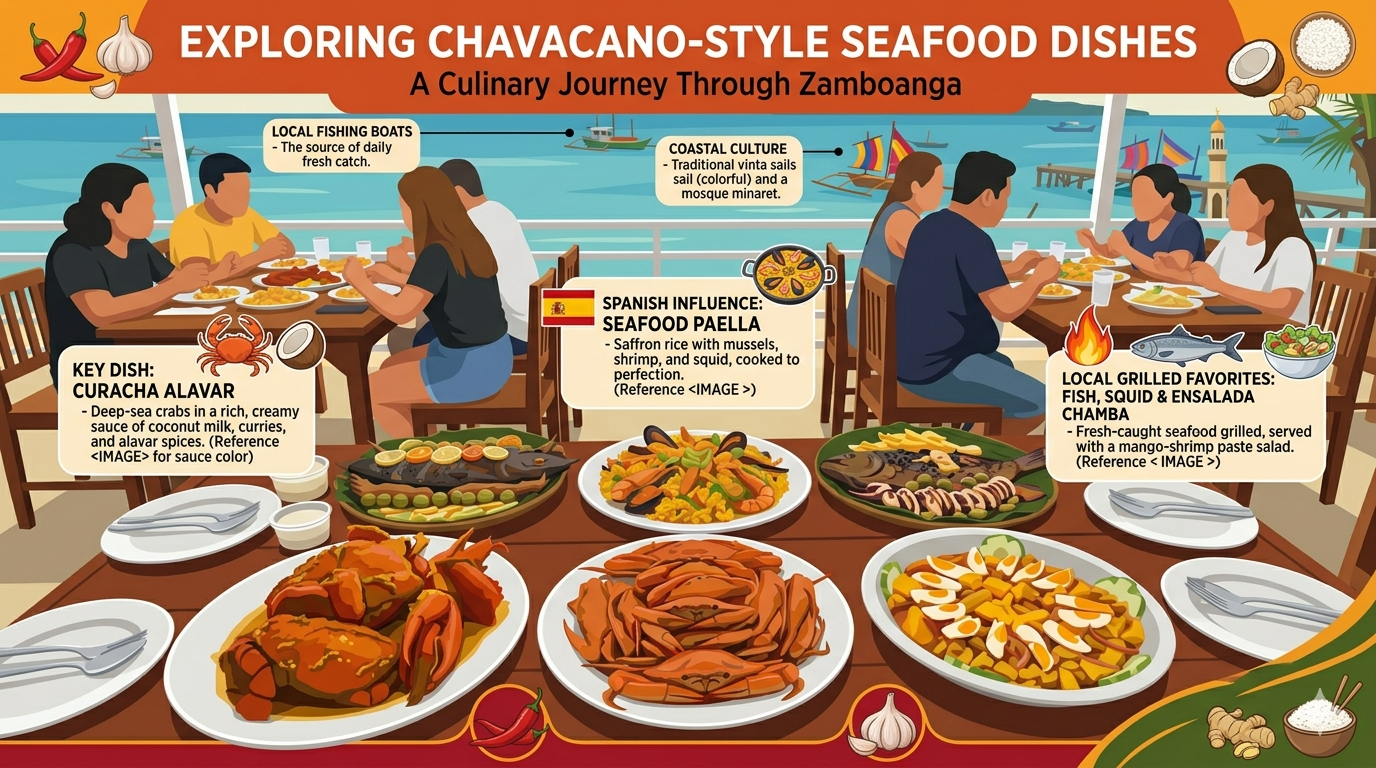
Illustration of common Chavacano seafood dishes with corresponding ingredient groups and nutrient information.
Disclaimer
This article is for general informational and educational purposes only. It does not constitute professional medical, nutrition, or dietary advice. References to seafood or dishes do not imply endorsement or guarantee of health outcomes. Readers are encouraged to consult licensed nutritionists, dietitians, or medical professionals for personalized guidance.