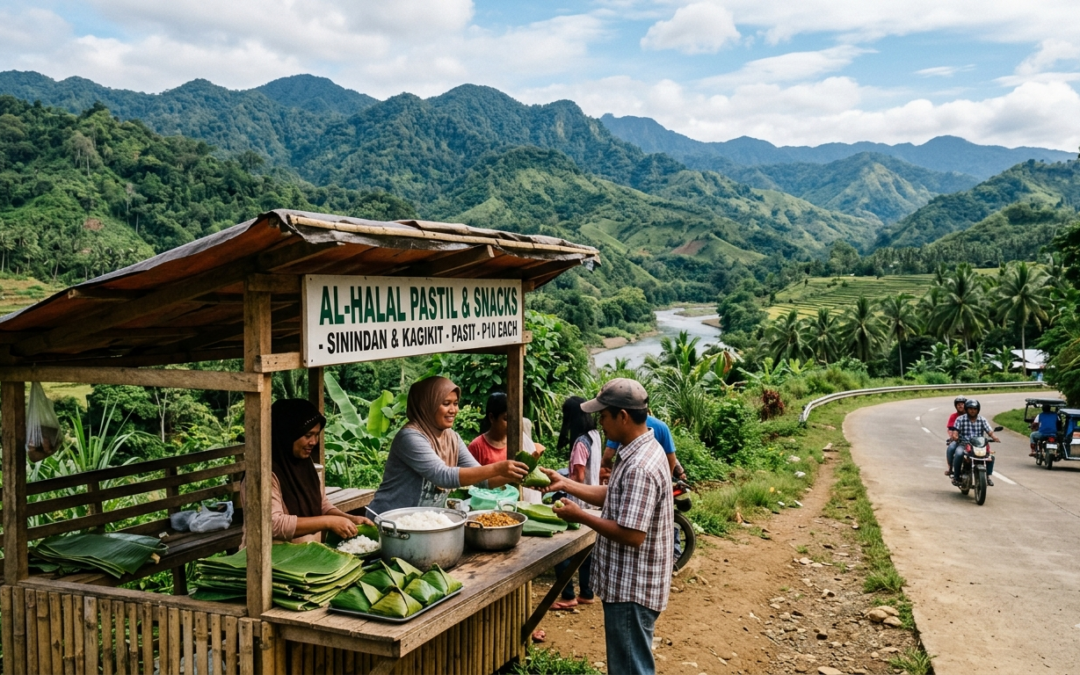
Pastil (Mindanao)

Pastil is a traditional Mindanao dish featuring steamed rice, shredded meat, and banana leaf wrapping.

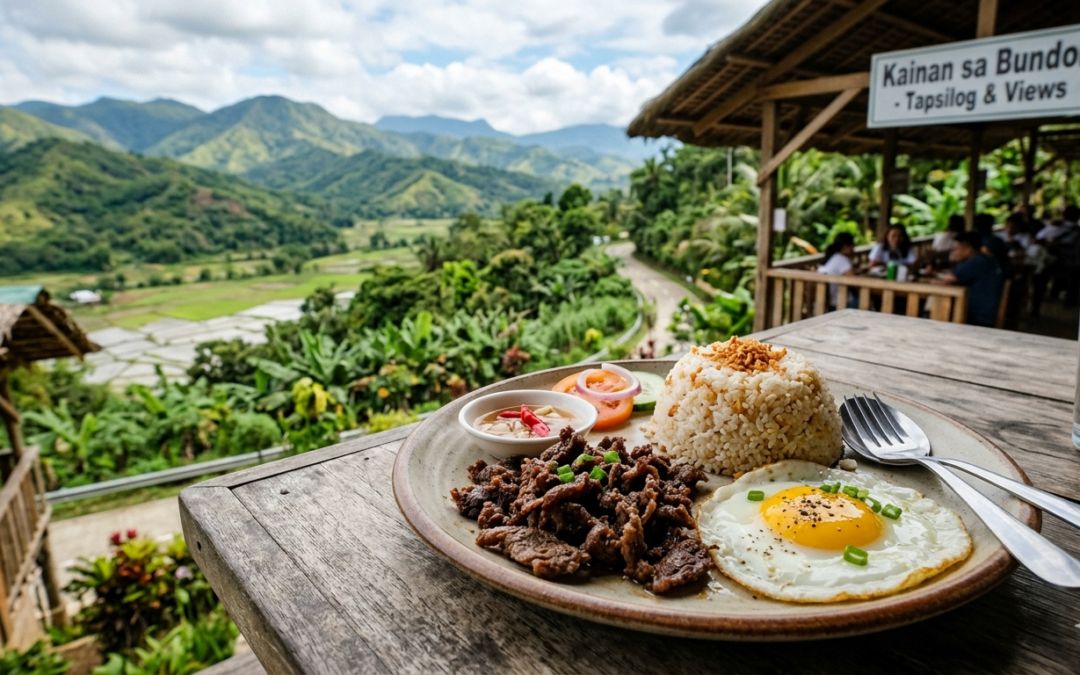
Tapsilog

Neutral summary of Tapsilog’s components, composition, and general nutritional considerations.

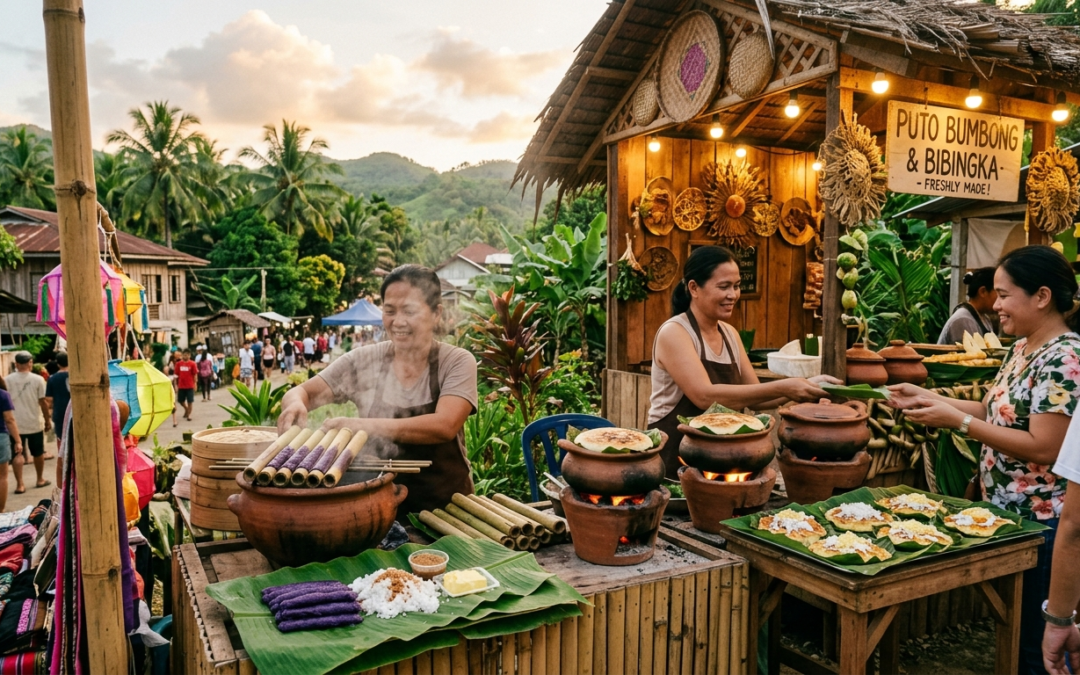
Puto bumbong / bibingka

A neutral guide to Filipino rice cakes puto bumbong and bibingka, including ingredients, preparation, and seasonal context.

Kinilaw

Neutral overview of kinilaw, its common ingredients, preparation, and illustrative composition.

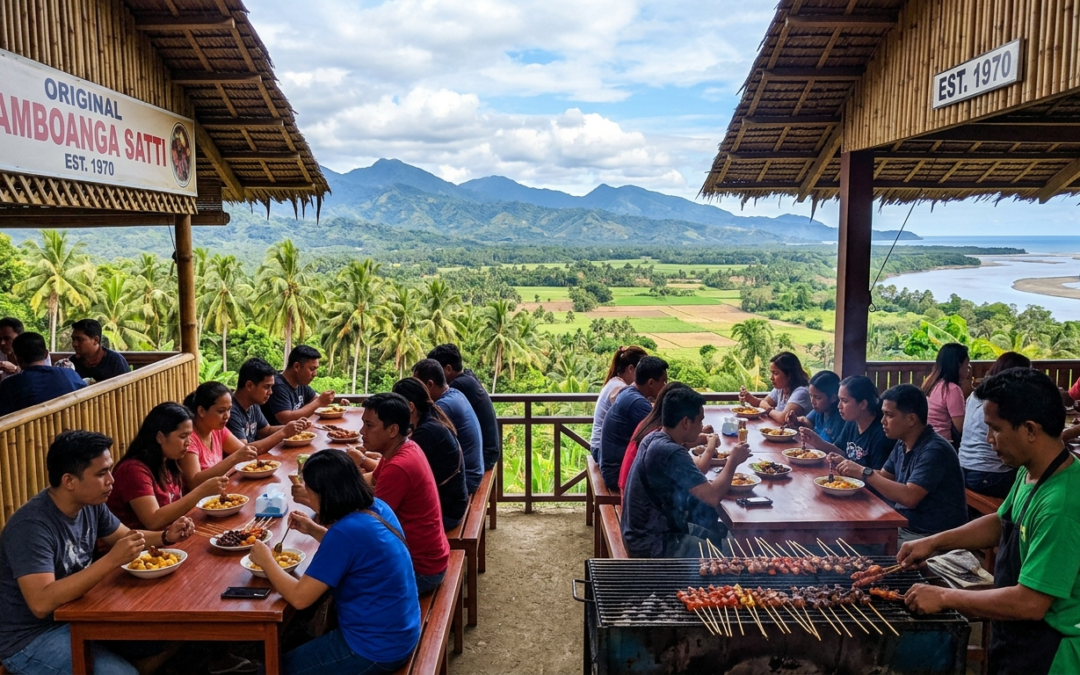
Satti (Zamboanga)

Satti is a skewered meat dish from Zamboanga, Philippines, illustrating regional culinary traditions.

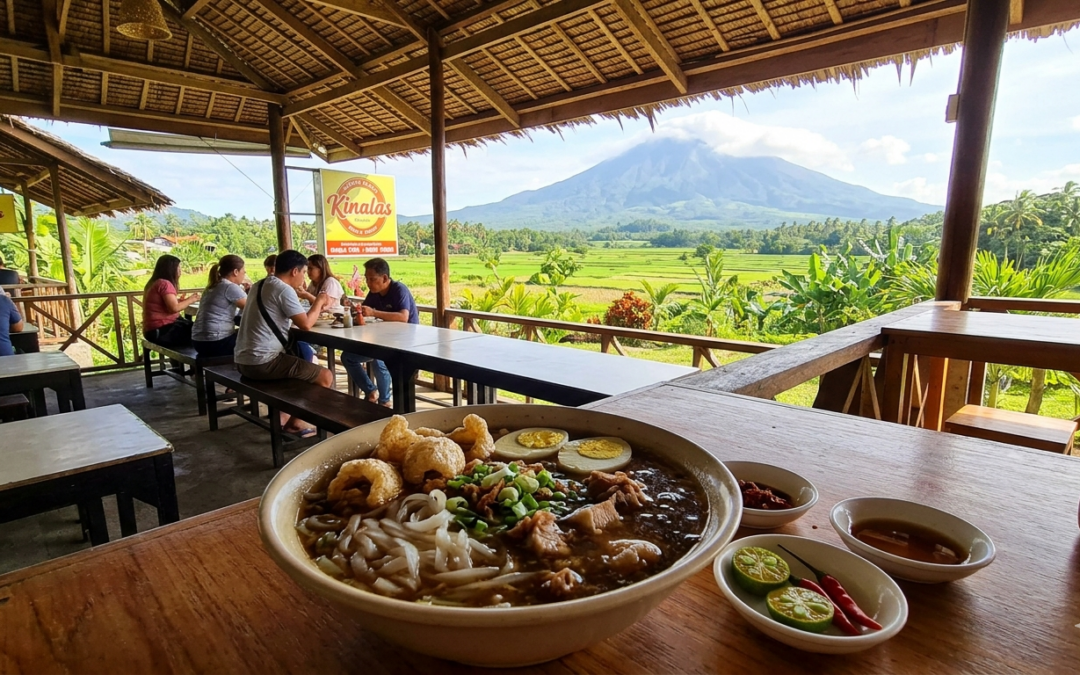
Kinalas (Bicol)

An educational overview of Kinalas, a Bicol noodle dish, including typical ingredients and preparation context.

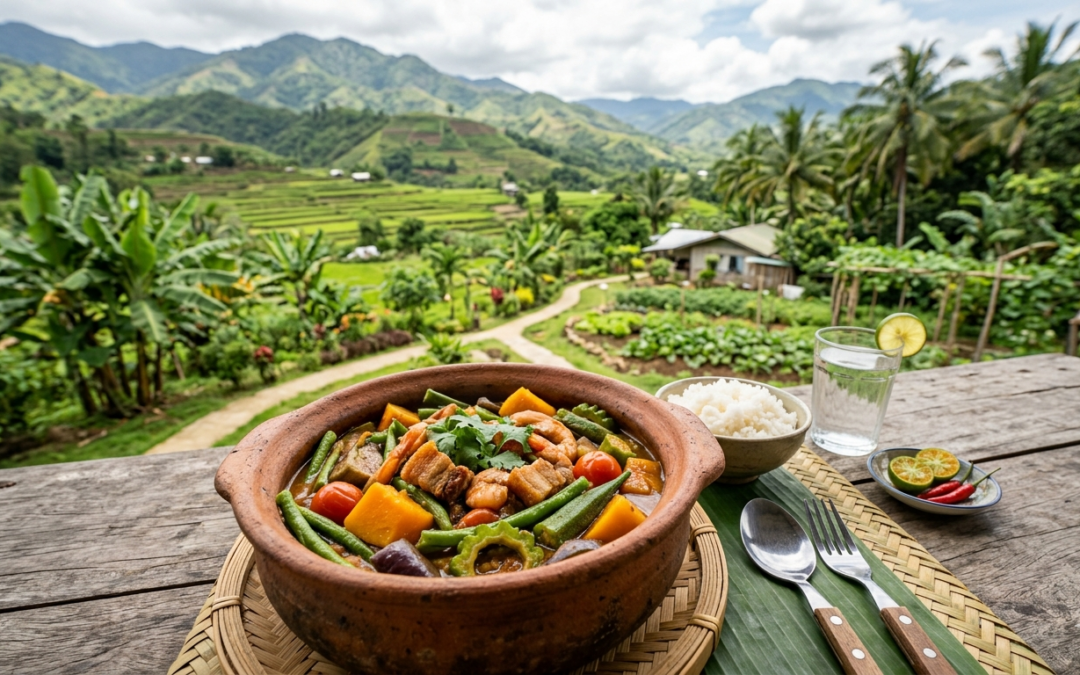
Pinakbet

Neutral overview of Pinakbet, a traditional Filipino vegetable dish with common ingredients.

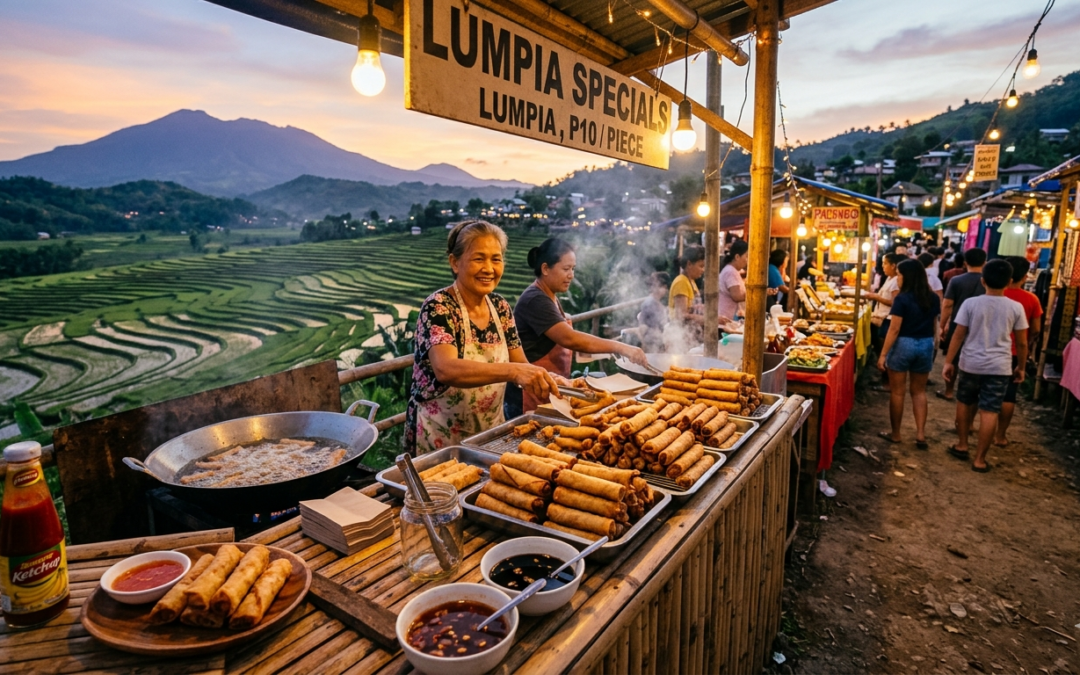
Lumpia

A neutral guide to lumpia, its common ingredients, preparation styles, and dietary information.

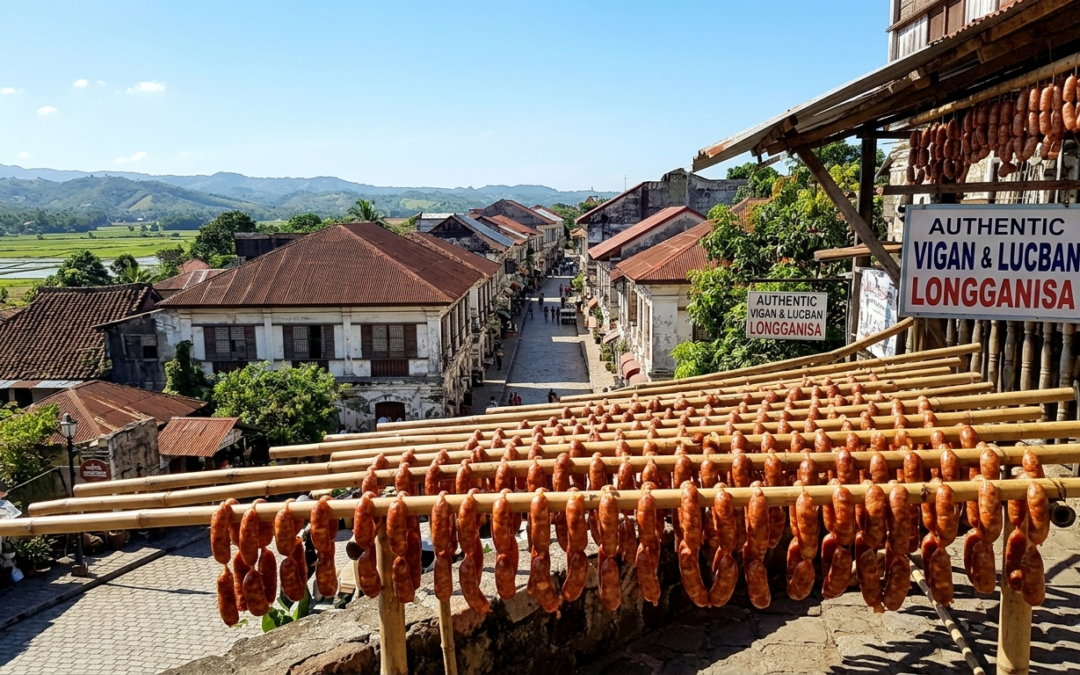
Longganisa (Vigan / Lucban)

Overview of Vigan and Lucban longganisa, their ingredients, and preparation methods.

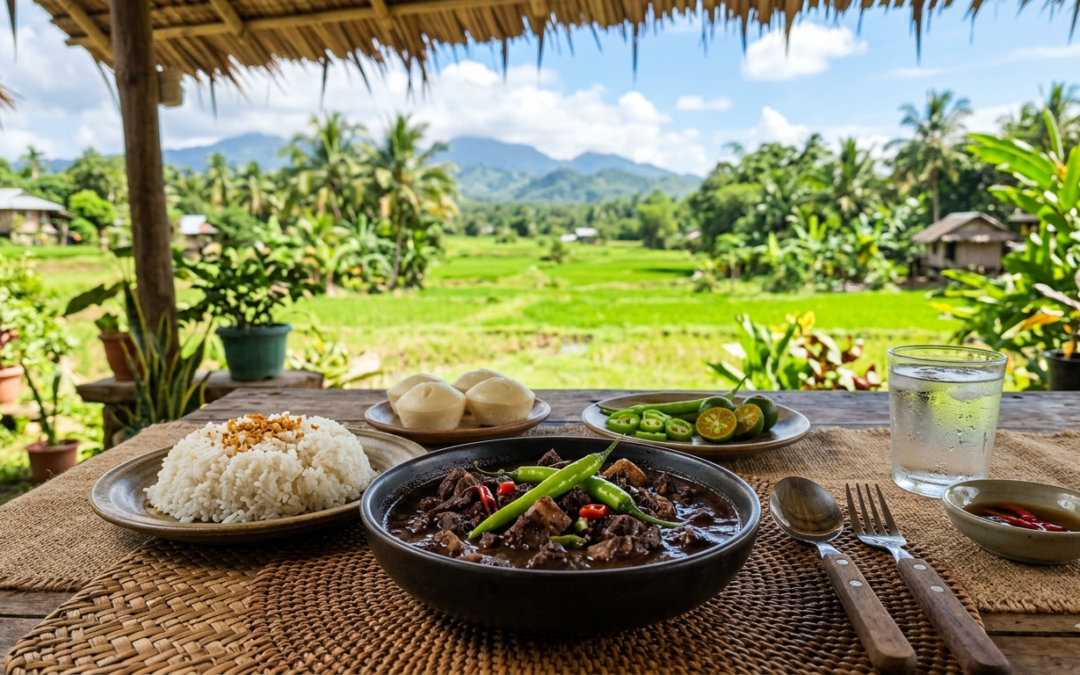
Dinuguan

Dinuguan is a Filipino pork blood stew; this article covers its ingredients, preparation, and culinary context.

Lechon de Oro


Hypothetical Nutritional Profile: 100 g Portion of Lechon (Roasted Pork)
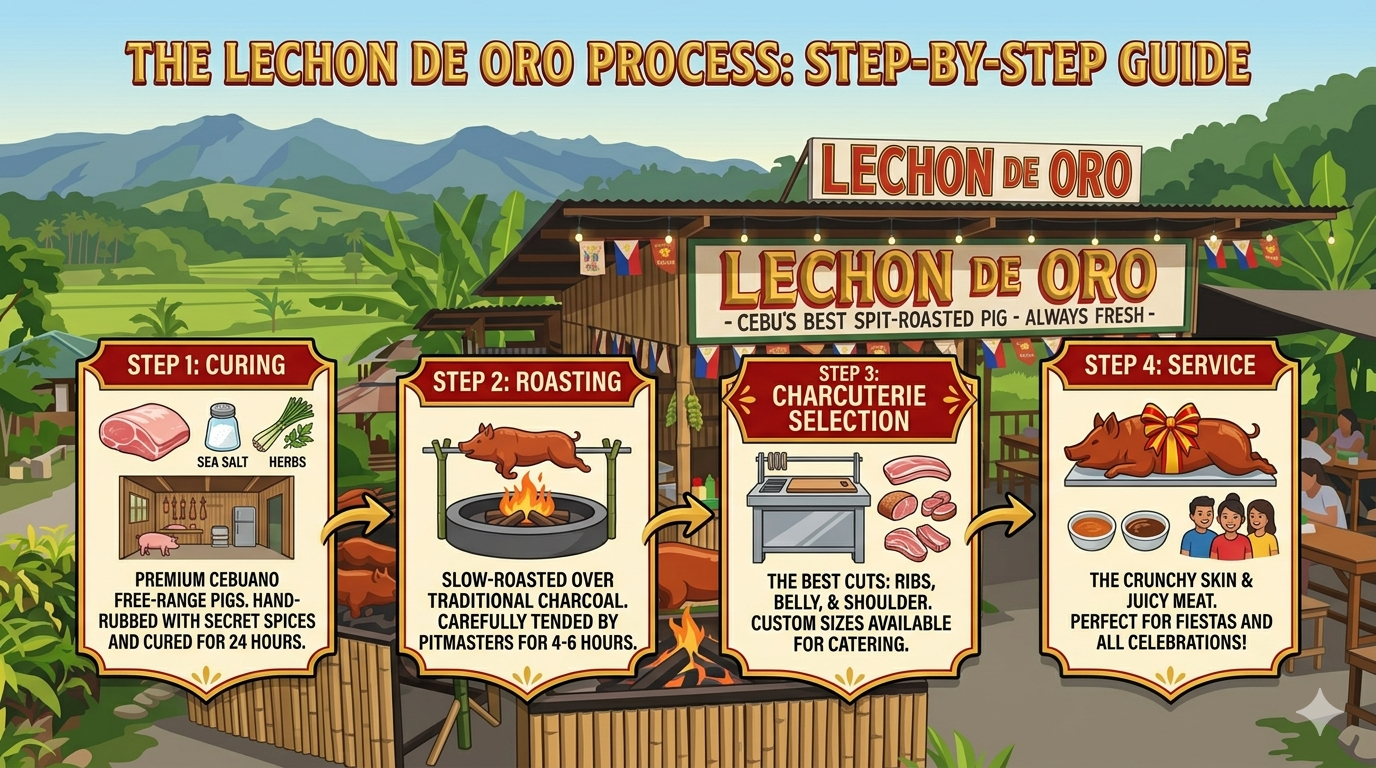
 

Infographic showing preparation steps and cultural context of Lechon de Oro.

Infographic illustrating Lechon de Oro preparation and presentation.


Nutrient Approximate Amount Notes
Energy 300–350 kcal Mostly from fat; varies by skin vs lean meat ratio
Protein 20–22 g High-quality animal protein
Total Fat 25–28 g Includes saturated and unsaturated fats
Saturated Fat 9–11 g Moderate; frequent consumption may impact cardiovascular health if part of a high-fat diet
Carbohydrates 0–2 g Minimal; depends on marinade or glaze
Cholesterol 70–90 mg Present in animal products
Sodium 200–350 mg Depends on seasoning and added salt
Micronutrients Iron, Zinc, B Vitamins Provides essential nutrients for red blood cells and metabolism


Dietary Considerations

  • Lechon is energy-dense due to high fat content. Pairing with vegetables and fiber-rich sides can help balance meals in a culturally relevant, neutral way.
  • Portion control is key in general dietary planning, especially when including fatty meats.
  • Cooking methods (roasting vs deep-frying) influence fat content.


Hypothetical Meal Example

Meal Component Example Portion Notes
Protein 100 g lechon Provides ~20 g protein
Carbohydrate ½ cup steamed rice Neutral, culturally typical
Vegetable 1 cup boiled or sautéed greens Adds fiber, vitamins, and minerals
Beverage Water or unsweetened tea Supports hydration


Educational

  • Lechon can be enjoyed in moderation as part of a balanced meal.
  • Understanding macronutrient content (protein, fat, carbs) helps contextualize energy intake.
  • Consumer awareness: When buying pre-made lechon (e.g., branded or local vendors), check for freshness, cooking methods, and ingredient lists.


Trusted Sources

  • Department of Health (DOH) Philippines – Nutrition Guidelines
  • Food and Drug Administration (FDA Philippines) – Food Safety Advisory
  • Philippine Society for Nutrition, Dietetics & Wellness – Nutrition Resources
  • Academic nutrition references: USDA FoodData Central – Pork, roasted, skin-on


Disclaimer

This overview is for educational purposes only. It does not constitute medical, dietary, or personalized nutrition advice. Nutrient content varies by preparation, portion size, and individual needs. For personalized guidance, consult a licensed nutritionist, dietitian, or medical professional.

<a href="https://princesangreyna.com/author/ramilvillar/" target="_self">Ramil Villar</a>

Ramil Villar

Author

Ramil Villar is a student content writer who contributes to YMYL (Your Money or Your Life) content for businesses that require high standards of accuracy, trust, and reliability. As a working student, he began writing professionally to support his studies while pursuing a career in tourism. Ramil focuses on creating clear, responsible, and research-driven content that helps readers make informed decisions, aligning with modern E-E-A-T (Experience, Expertise, Authoritativeness, and Trustworthiness) content standards.
  • Reviewed by: Roland Diaz
  • Credentials: Editorial Content Production Manager
  • Compliance: Global Government Rules, Google Algorithm Compliance, YMYL, and EEAT. Etc. 
<a href="https://princesangreyna.com/author/ramilvillar/" target="_self">Ramil Villar</a>

Ramil Villar

Author

Ramil Villar is a student content writer who contributes to YMYL (Your Money or Your Life) content for businesses that require high standards of accuracy, trust, and reliability. As a working student, he began writing professionally to support his studies while pursuing a career in tourism. Ramil focuses on creating clear, responsible, and research-driven content that helps readers make informed decisions, aligning with modern E-E-A-T (Experience, Expertise, Authoritativeness, and Trustworthiness) content standards.
  • Reviewed by: Roland Diaz
  • Credentials: Editorial Content Production Manager
  • Compliance: Global Government Rules, Google Algorithm Compliance, YMYL, and EEAT. Etc.Â