Chavacano-Style Seafood Dishes: Educational Guide on Nutrition and Meal Planning
A neutral overview of Chavacano-influenced seafood recipes, nutrient content, and safe meal planning practices.
This article provides an educational overview of Chavacano-style seafood dishes, focusing on nutritional content, macronutrients, and safe preparation methods. It highlights how seafood contributes to balanced diets while considering Philippine food safety and labeling standards regulated by the DOH, FDA, and DTI. Readers will learn about nutrient composition, hypothetical meal planning, and consumer awareness when including seafood in meals.
Nutritional Principles in Seafood
Seafood is a source of high-quality protein, omega-3 fatty acids, and micronutrients such as iodine, selenium, and vitamin B12. Protein contributes to tissue maintenance and repair, while omega-3 fatty acids are associated with heart health in general nutrition studies. Micronutrients play essential roles in metabolic processes.
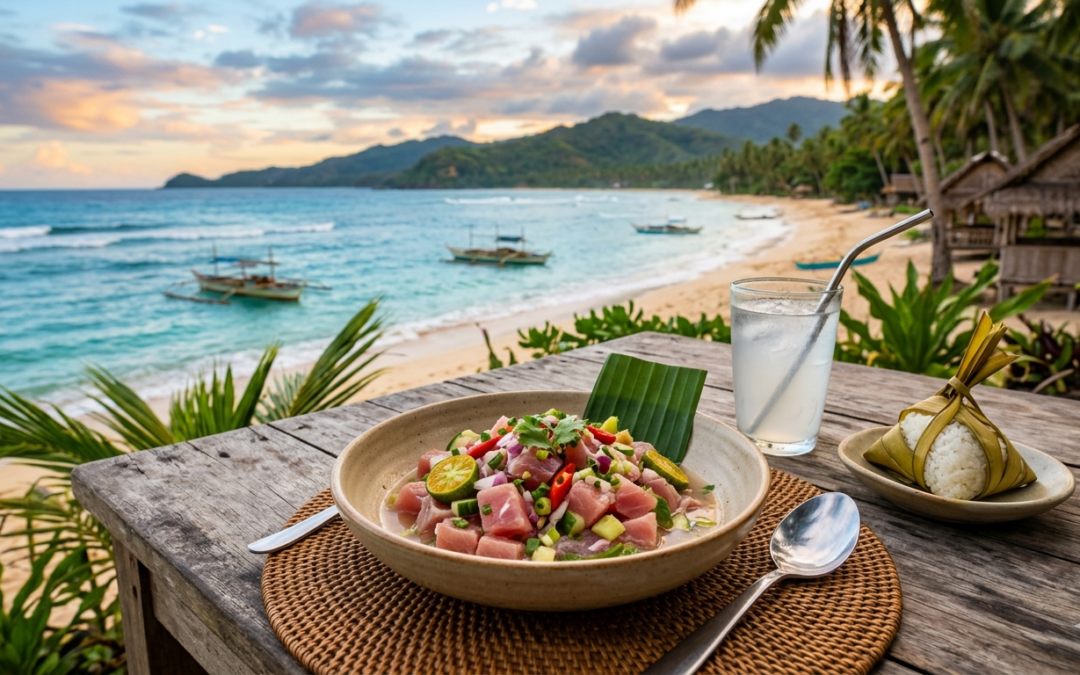
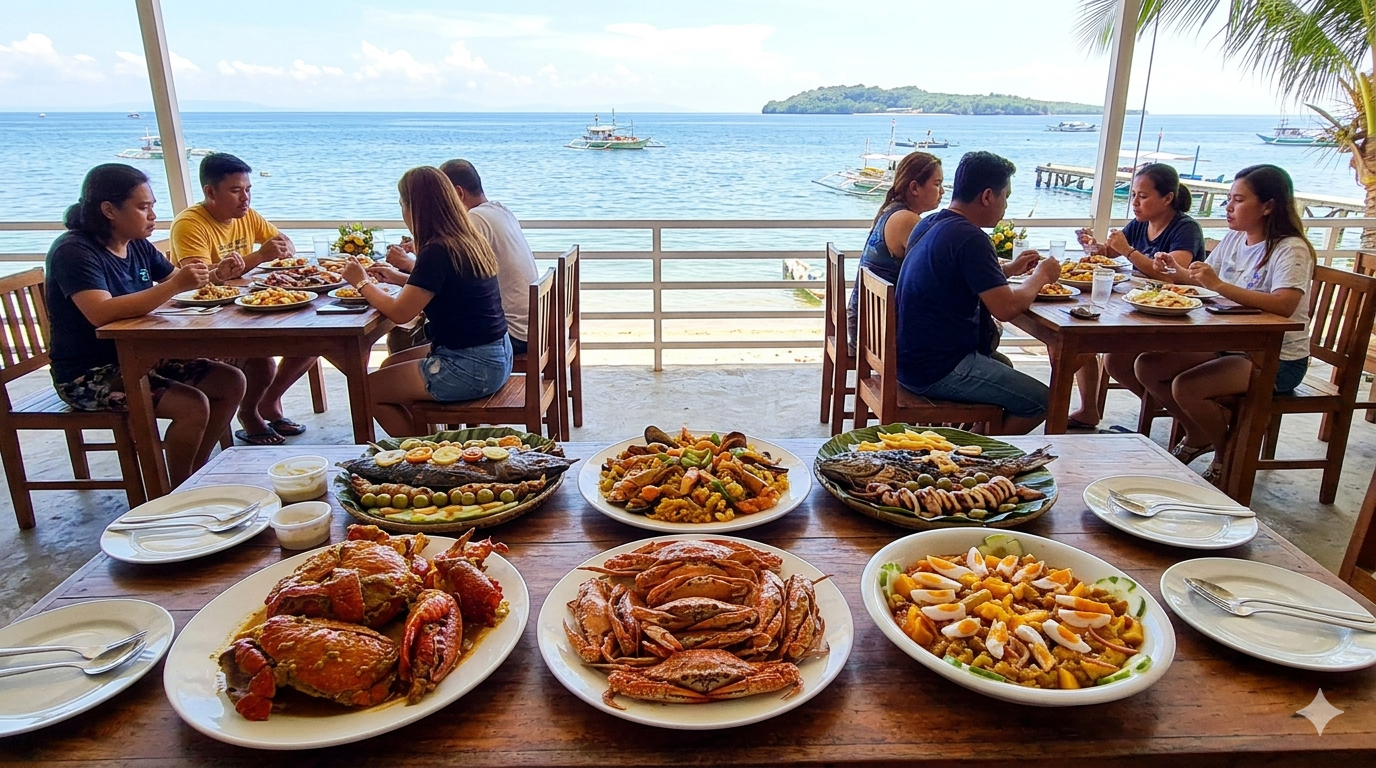
Chavacano-style seafood dishes often include shrimp, fish, crab, or squid, combined with local vegetables and seasonings. Cooking methods—such as steaming, grilling, or lightly sautéing—can influence nutrient retention, particularly water-soluble vitamins like vitamin C and B-complex vitamins.
Food Groups and Nutrient Balance
A typical Chavacano-inspired seafood meal may include:
- Protein sources: Fish (bangus, tilapia), shrimp, crab
- Vegetables: Tomato, bell pepper, onion
- Carbohydrates: Rice or cassava
- Fats: Minimal, often from cooking oil or seafood naturally
Balancing seafood with vegetables and whole grains can contribute to nutrient diversity, including dietary fiber, antioxidants, and minerals. Portion control and variety are key in diet planning, without implying any guaranteed health or weight outcomes.
Hypothetical Meal Planning Example
Illustrative Lunch Plate:
- 100 g grilled bangus (approx. 20 g protein, 5 g fat)
- 1 cup steamed vegetables (fiber, vitamin C, potassium)
- 1/2 cup cooked rice (carbohydrates, B vitamins)
Illustrative Dinner Plate:
- 80 g shrimp sautéed with garlic and tomato
- 1/2 cup cassava or corn
- 1 cup mixed greens salad
These examples provide nutrient diversity while maintaining neutral portion sizes. Actual nutritional needs vary individually.
Consumer Awareness and Safe Practices
- Seafood freshness: Check for FDA-regulated handling and storage guidelines.
- Label reading: For packaged seafood or seasonings, verify origin, ingredients, and expiration dates.
- Allergens: Shellfish is a common allergen. Read labels carefully.
- Cooking safety: Ensure seafood reaches proper internal temperatures to reduce microbial risks.
Context
In nutrition science studies, seafood contributes to protein intake and supplies essential micronutrients. Under Philippine consumer protection and labeling standards, food safety, freshness, and accurate labeling are regulated by the FDA and DOH. Diet planning typically involves nutrient balance, portion awareness, and dietary variety. Individual nutrient requirements differ, and readers are encouraged to consult licensed nutrition or medical professionals for personalized guidance.
FAQs
What is a balanced seafood meal?
A balanced seafood meal includes a protein source such as fish or shrimp, vegetables for fiber and micronutrients, and a carbohydrate source for energy. Portions should be neutral and varied.
What nutrients are commonly found in seafood?
Seafood provides protein, omega-3 fatty acids, vitamin B12, iodine, and selenium. Cooking methods can affect nutrient retention.
How can I safely include seafood in meals?
Check for freshness, follow FDA storage guidelines, cook thoroughly, and read labels for allergens or preservatives.
Trusted Sources
- Department of Health (DOH Philippines) – Food and Nutrition Guidelines
- Food and Drug Administration Philippines – Seafood Handling and Labeling
- FAO/WHO Guidelines on Fish and Seafood Nutrition
- Peer-reviewed journals: Journal of Food Science, Nutrition Reviews
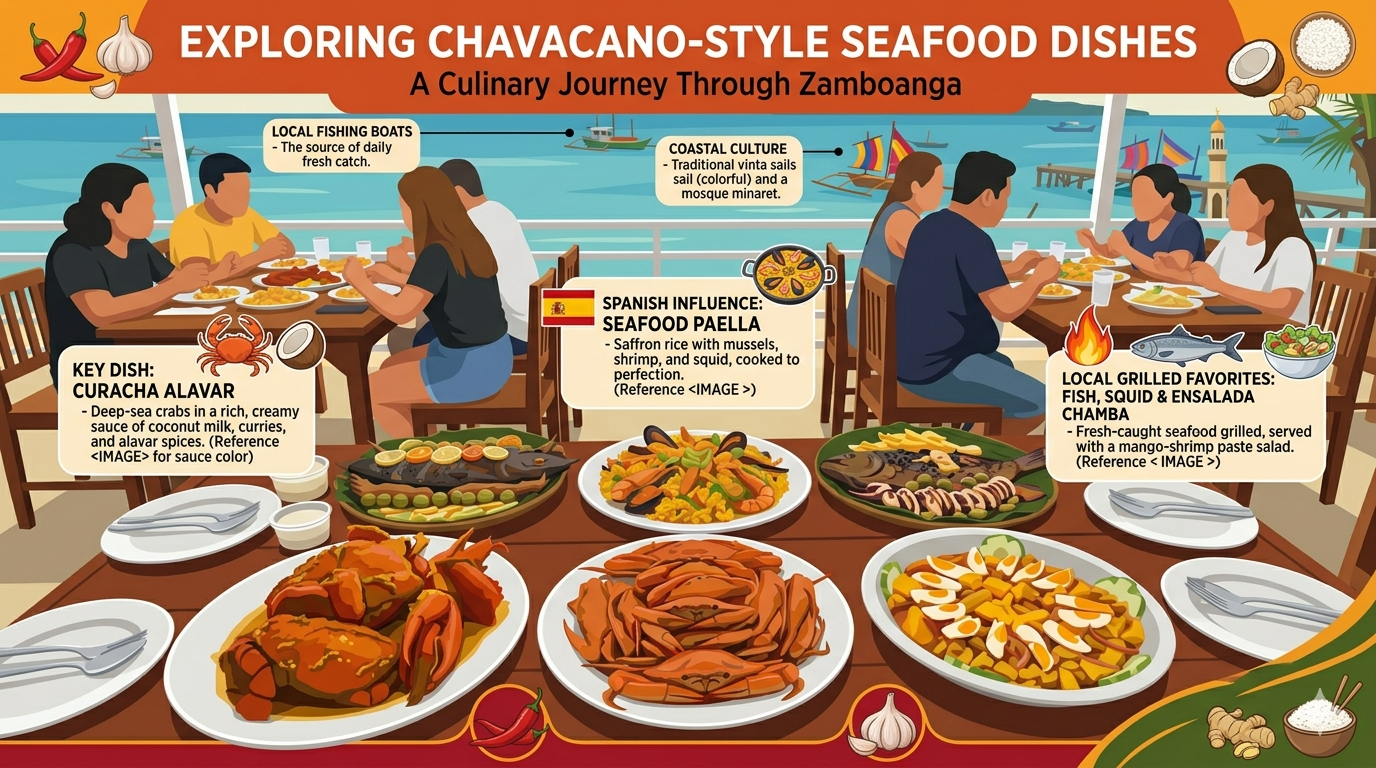
Illustration of common Chavacano seafood dishes with corresponding ingredient groups and nutrient information.
Disclaimer
This article is for general informational and educational purposes only. It does not constitute professional medical, nutrition, or dietary advice. References to seafood or dishes do not imply endorsement or guarantee of health outcomes. Readers are encouraged to consult licensed nutritionists, dietitians, or medical professionals for personalized guidance.