Understanding Palapa: A Traditional Filipino Condiment
An educational overview of Palapa, its ingredients, nutritional aspects, and safe consumption practices.
Palapa is a traditional condiment from the Mindanao region of the Philippines, often used to enhance the flavor of local dishes. Made primarily from ingredients like chili peppers, ginger, shallots, and sometimes coconut, Palapa adds both aroma and spice to meals. This article provides an educational overview of its components, potential nutritional contributions, and safe usage in everyday cooking.
Ingredients and Nutritional Aspects
Palapa typically contains the following components:
- Chili peppers – provide capsaicin, which contributes to spiciness and may support thermogenesis.
- Ginger – contains bioactive compounds such as gingerol, which are associated with flavor and traditional culinary uses.
- Shallots or onions – provide natural flavor, some vitamins, and minerals in small quantities.
- Coconut or coconut oil (optional) – a source of dietary fats, particularly saturated fats.
Culinary Uses
Palapa is commonly added to rice, grilled meats, or seafood dishes. It is generally used in small quantities due to its strong flavor. Being a condiment, it contributes more to taste and culinary enjoyment than significant nutritional intake.
Safe Consumption Notes
- Individuals sensitive to spicy foods should use Palapa in moderation to avoid digestive discomfort.
- Store Palapa in airtight containers and refrigerate if prepared in advance, following general food safety guidelines.
- Those with specific dietary restrictions (e.g., low-sodium or low-fat diets) should check ingredient proportions.
Context
In nutrition science studies, condiments like Palapa are primarily valued for flavor enhancement rather than as a major source of nutrients. Under consumer protection and labeling standards, it is important to ensure homemade or packaged Palapa is properly stored and that ingredient labels, if available, are read for potential allergens or additives. Dietary outcomes from consuming condiments vary individually and depend on overall dietary patterns.
FAQs
- What is Palapa?
Palapa is a traditional Filipino condiment from Mindanao made of chili, ginger, shallots, and sometimes coconut. - Does Palapa provide significant nutrients?
Palapa contributes small amounts of vitamins and minerals depending on ingredients but is mainly used for flavor. - How should Palapa be stored?
It should be kept in airtight containers and refrigerated if prepared in advance to maintain safety and freshness.
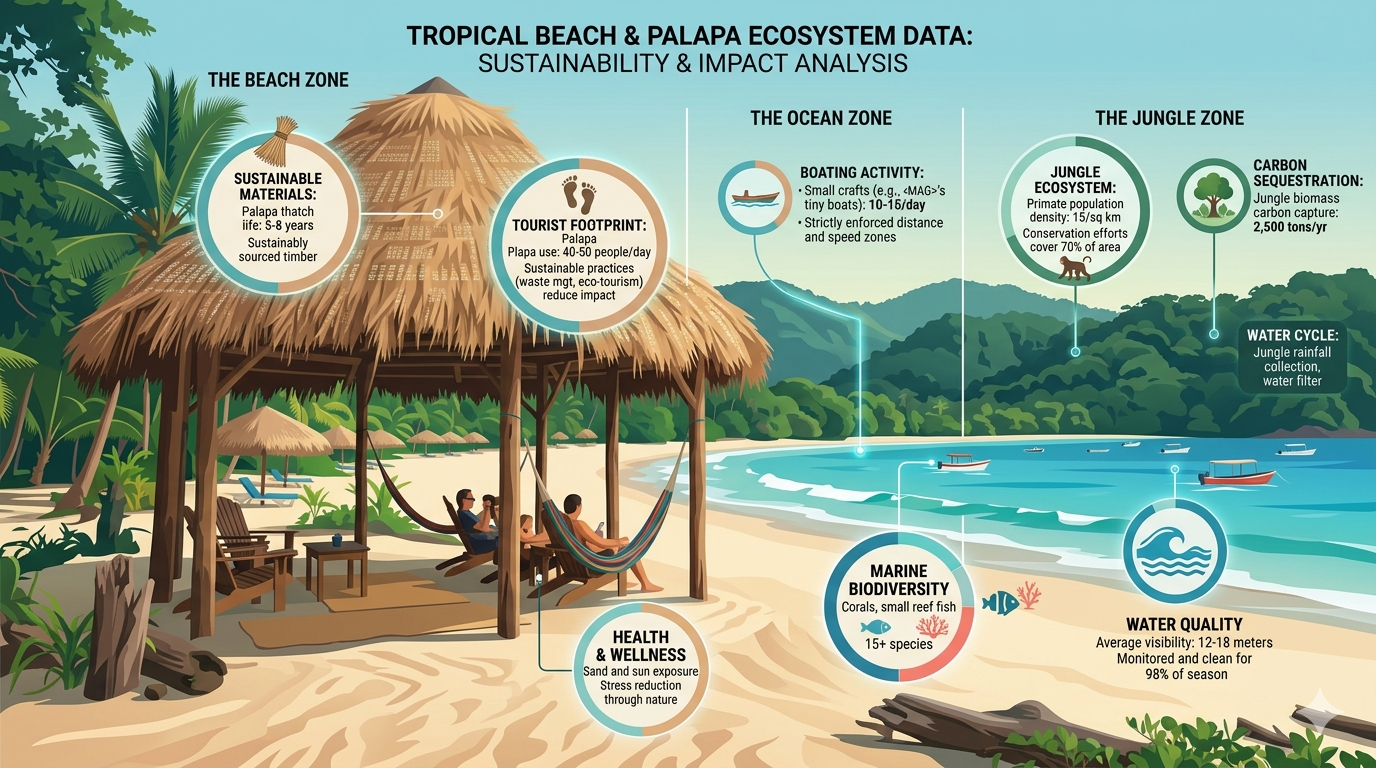
Infographic displaying common ingredients and typical presentation of Palapa.
Trusted Sources
- Department of Health (DOH) Philippines – Food Safety Guidelines
- Food and Drug Administration (FDA Philippines) – Home-Prepared Food Safety
- Academic journals on Philippine culinary ingredients
Disclaimer
This article is for general informational and educational purposes only. It does not constitute professional medical, nutrition, or dietary advice. References to foods, condiments, or recipes do not imply endorsement or guarantee of health outcomes. Readers are encouraged to consult licensed nutritionists, dietitians, or medical professionals for personalized guidance.