Understanding Traditional Filipino Rice Cakes: Puto Bumbong and Bibingka
A neutral overview of ingredients, nutritional considerations, and safe consumption practices.
Puto bumbong and bibingka are traditional Filipino rice cakes often enjoyed during the Christmas season. These foods are made primarily from glutinous rice and are typically steamed or baked. This article provides an educational overview of their basic composition, nutritional aspects, and considerations for safe and mindful consumption. References are aligned with Philippine Department of Health (DOH) and Food and Drug Administration (FDA) guidance on food safety and labeling.
1. Ingredients and Preparation
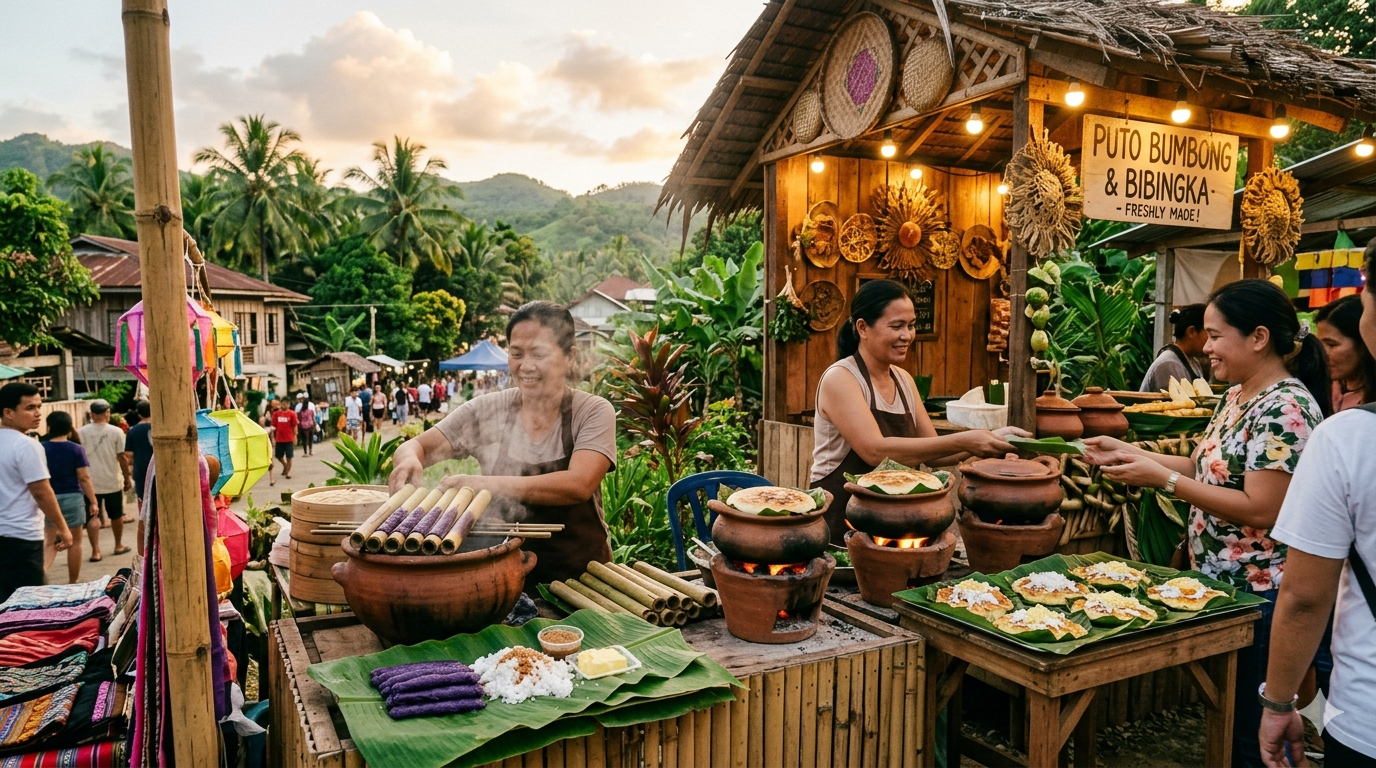
- Puto Bumbong: Traditionally made from purple glutinous rice, steamed in bamboo tubes, and served with grated coconut, butter or margarine, and muscovado sugar.
- Bibingka: Usually made from rice flour, coconut milk, sugar, and sometimes eggs, baked in banana leaf-lined molds. Optional toppings include cheese, salted eggs, or grated coconut.
2. Nutritional Considerations
- Macronutrients: Both are primarily sources of carbohydrates, with small amounts of protein and fat depending on toppings used.
- Micronutrients: Ingredients like coconut and eggs can provide small amounts of minerals (e.g., potassium, phosphorus) and vitamins (e.g., B vitamins).
- Energy Density: These foods can be calorie-dense due to added sugar, butter, or toppings; portion moderation is a neutral approach to maintain balanced intake.
3. Safe Consumption Tips
- Choose vendors following proper food handling standards (clean surfaces, fresh ingredients).
- Be aware of sugar and fat content, particularly for individuals monitoring calorie or sugar intake.
- Store leftovers in clean containers and consume within safe time frames to reduce risk of spoilage.
4. Hypothetical Portion Example (Informational)
- Puto Bumbong: One medium serving (~100g) may contain approximately 150–200 kcal, mostly from carbohydrates.
- Bibingka: One small piece (~120g) may contain roughly 200–250 kcal, depending on added toppings.
Note: These are neutral estimates; individual recipes vary.
Context
In nutrition science studies, rice-based foods contribute primarily to carbohydrate intake and energy provision. Under consumer protection and labeling standards, it is important to note that added sugars, fats, and toppings affect nutrient composition. Dietary results vary individually, and portion moderation is a safe approach for general nutrition awareness.
FAQs
What is puto bumbong?
Puto bumbong is a traditional steamed purple rice cake, often served with coconut and sugar.
What is bibingka?
Bibingka is a baked rice cake commonly made with rice flour and coconut milk, sometimes topped with cheese or eggs.
Are these foods nutritious?
They provide energy primarily from carbohydrates and small amounts of protein and fat. Nutrient content varies depending on recipe and toppings.
Trusted Sources
- Department of Health (DOH), Philippines — Food Safety Guidelines
- Food and Drug Administration (FDA), Philippines — Nutrition and Labeling Standards
- National Nutrition Council (Philippines) — Dietary Guidelines
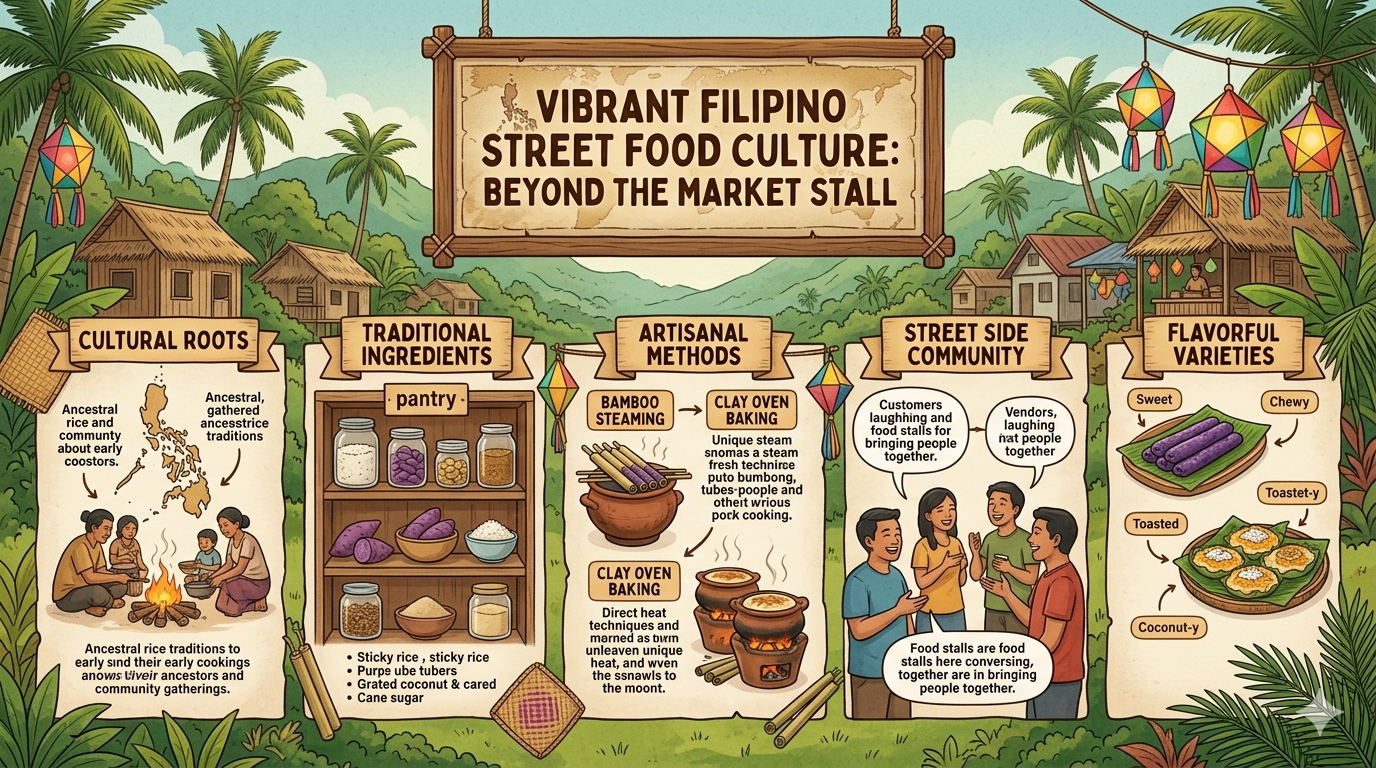
Infographic showing main ingredients used in puto bumbong and bibingka.
Disclaimer
This article is for general informational and educational purposes only. It does not constitute professional medical, nutrition, or dietary advice. References to foods or ingredients do not imply endorsement or guarantee of health outcomes. Readers are encouraged to consult licensed nutritionists, dietitians, or medical professionals for personalized guidance.