Tinola: Understanding Its Nutritional Components and Role in Filipino Meals
A neutral overview of Tinola’s ingredients, macronutrients, and potential dietary considerations in everyday meals.
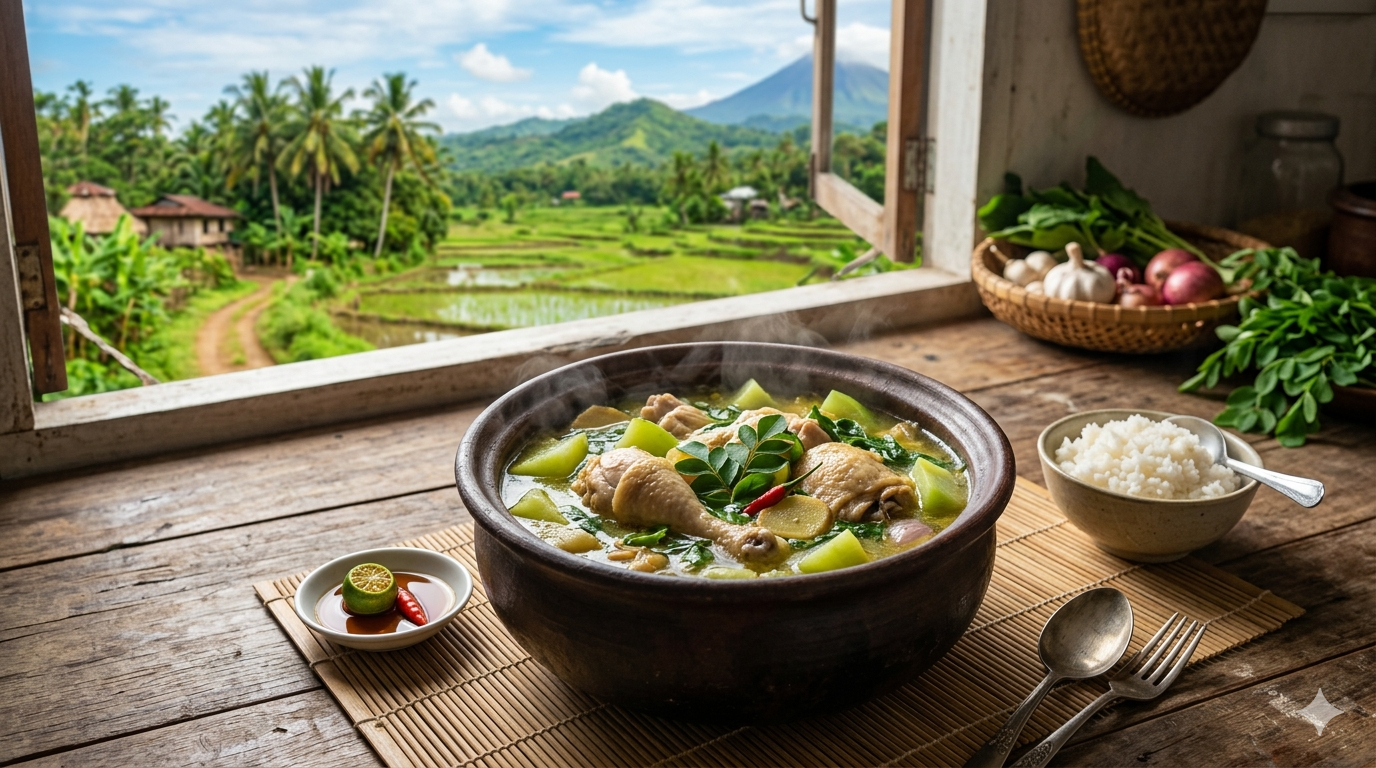
Tinola is a traditional Filipino soup typically prepared with chicken, green papaya, chili leaves (or malunggay), ginger, and other aromatics. This article explores the nutritional aspects of Tinola, its common ingredients, and how it can fit into a balanced diet. Information is presented with reference to DOH and FDA guidelines, and readers are encouraged to consider individual dietary needs when incorporating soups like Tinola into meals.
Ingredients and Nutritional Components
- Chicken (lean cuts): Provides protein, essential for muscle maintenance and overall bodily functions.
- Green papaya: Low-calorie source of dietary fiber, vitamin C, and antioxidants.
- Malunggay leaves (Moringa oleifera): Contain vitamins A, C, and minerals such as calcium and iron.
- Ginger and garlic: Aromatics that contribute flavor without adding significant calories.
- Fish sauce or salt: Adds sodium; moderation is advised to meet recommended daily intake limits.
Macronutrients Overview
A typical serving of Tinola (1–1.5 cups) may provide:
- Protein: ~15–20g (from chicken)
- Carbohydrates: ~5–10g (from vegetables)
- Fat: ~5–8g (depending on chicken cut and cooking method)
- Fiber: ~2–4g (from vegetables)
Hypothetical Meal Planning Context
- Tinola can be included as part of a lunch or dinner meal, paired with a serving of rice or whole grains for additional carbohydrates.
- Portion sizes and frequency should consider individual energy needs, which vary by age, sex, activity level, and health status.
- Adding a variety of vegetables can increase fiber, vitamins, and mineral content without significantly increasing calories.
Safe Cooking and Consumption Considerations
- Ensure chicken is thoroughly cooked to reduce the risk of foodborne illnesses.
- Use clean utensils and maintain proper kitchen hygiene per DOH and FDA food safety guidelines.
- Monitor sodium intake if using fish sauce or added salt, especially for individuals with hypertension or kidney concerns.
Context
In nutrition science studies, soups like Tinola are valued for providing hydration and micronutrients from vegetables. Under consumer protection and labeling standards, it is important to note that nutrient content can vary depending on ingredient types, portion sizes, and cooking methods. Dietary outcomes are individual, and consulting licensed nutritionists or medical professionals is recommended for personalized guidance.
FAQs
What is Tinola?
Tinola is a Filipino chicken soup traditionally prepared with ginger, green papaya, and leafy vegetables. It is commonly served as a main dish in home-cooked meals.
What nutrients are found in Tinola?
Tinola provides protein, vitamins A and C, minerals such as calcium and iron, and dietary fiber from its vegetables. Nutrient content varies by recipe and serving size.
Can Tinola be part of a balanced diet?
Yes. Tinola can be included in meals that aim for nutrient balance, alongside appropriate portions of grains and other foods. Individual needs may vary.
Trusted Sources
- Department of Health, Philippines – Nutrition Guidelines
- Food and Drug Administration, Philippines – Food Safety Advisories
- National Nutrition Council, Philippines – Dietary Guidelines for Filipinos
- Peer-reviewed sources on Filipino cuisine and nutrient composition
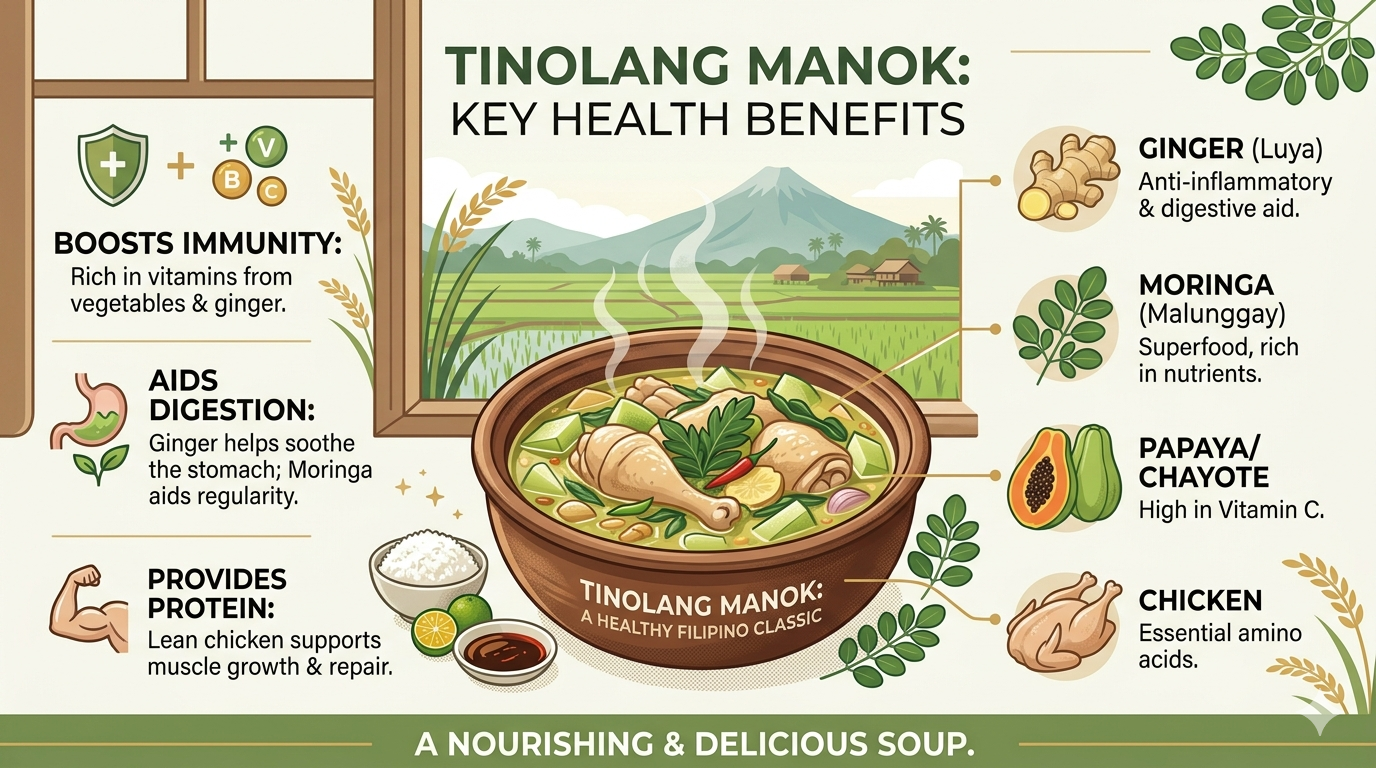
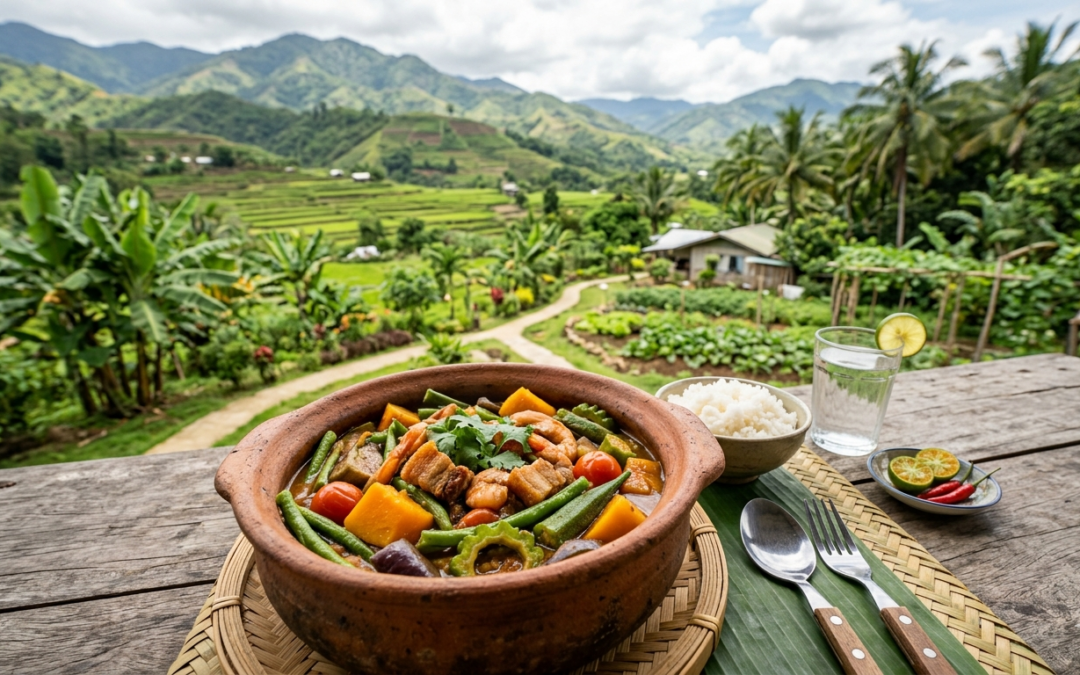
Visual representation of common Tinola ingredients and typical proportions
Disclaimer
This article is for general informational and educational purposes only. It does not constitute professional medical, nutrition, or dietary advice. References to recipes or ingredients do not imply endorsement or guarantee of health outcomes. Readers are encouraged to consult licensed nutritionists, dietitians, or medical professionals for personalized guidance.