Dinuguan: Nutritional Overview and Dietary Considerations
A neutral look at the traditional Filipino pork blood stew, its nutrients, and safe preparation practices.
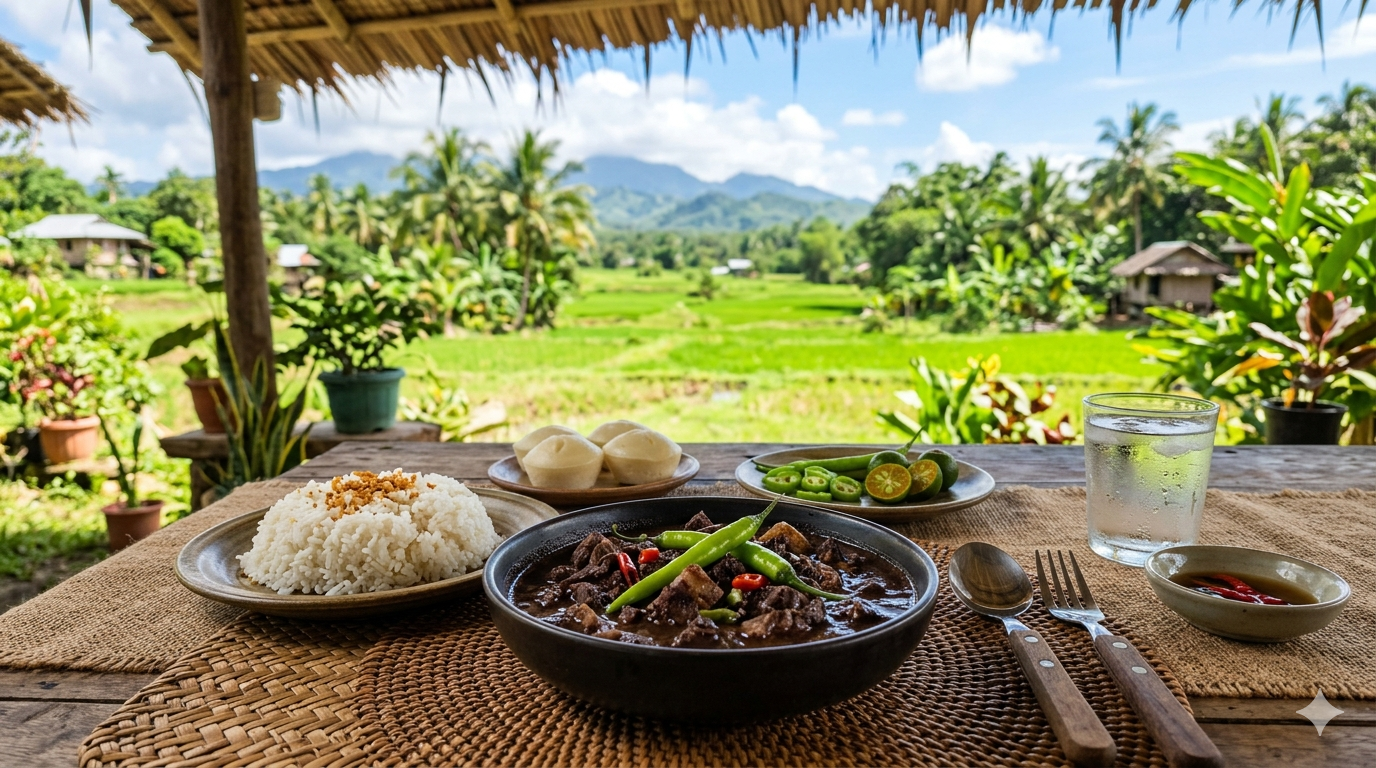
Dinuguan is a traditional Filipino stew made with pork, pig’s blood, vinegar, garlic, and spices. It is commonly consumed with rice or rice cakes. This article provides a neutral overview of its nutritional components, macronutrient contributions, and considerations for safe consumption under Philippine food safety standards. Information is aligned with DOH and FDA guidelines.
Nutritional Principles
Dinuguan contains protein primarily from pork, and a small amount of fat depending on the cut used. Pig’s blood is a source of iron, which is an essential mineral that contributes to hemoglobin formation. Additional micronutrients, such as B vitamins, may be present in pork.
Macronutrients and Portioning
A typical serving (approximately 150–200 grams) can contribute to daily protein needs, though it may also contain saturated fats depending on the pork cut. Sodium levels may vary based on added salt or soy sauce. Moderation and balanced portions are recommended in the context of overall diet.
Food Safety
Preparation should comply with Philippine food safety regulations:
- Cook pork and blood thoroughly to avoid bacterial contamination.
- Use fresh ingredients and store leftovers appropriately.
- Follow LGU hygiene and handling standards in home or commercial settings.
Hypothetical Meal Example
- Breakfast: Plain rice, fresh fruit, and a small serving of dinuguan (100 g)
- Lunch: Brown rice, mixed vegetables, and 100–150 g dinuguan
- Snack: Fresh fruit or unsalted nuts
This example illustrates nutrient balance without making health or weight claims.
Context
In nutrition science studies, protein-rich meals contribute to satiety and muscle maintenance, while iron from animal sources like pork blood can support daily iron intake. Under consumer protection and labeling standards, food safety and ingredient awareness are emphasized. Dietary results vary individually, and consumption should be adapted to personal nutritional requirements. Licensed dietitians or medical professionals provide guidance for individual dietary planning.
FAQs
Q: What nutrients are in dinuguan?
A: Dinuguan contains protein, iron, some B vitamins, and variable amounts of fat depending on the pork cut used.
Q: Is dinuguan safe to eat?
A: When prepared with fresh ingredients and cooked thoroughly, dinuguan is safe according to DOH and LGU food handling standards.
Q: Can it be part of a balanced diet?
A: Dinuguan can be included in meals in moderate portions alongside vegetables, grains, or other nutrient-dense foods.
Trusted Sources
- Department of Health (DOH Philippines) – Food Safety Guidelines
- Food and Drug Administration Philippines – Safe Handling of Meat Products
- Philippine Food Composition Tables – Institute of Human Nutrition and Food, UPLB
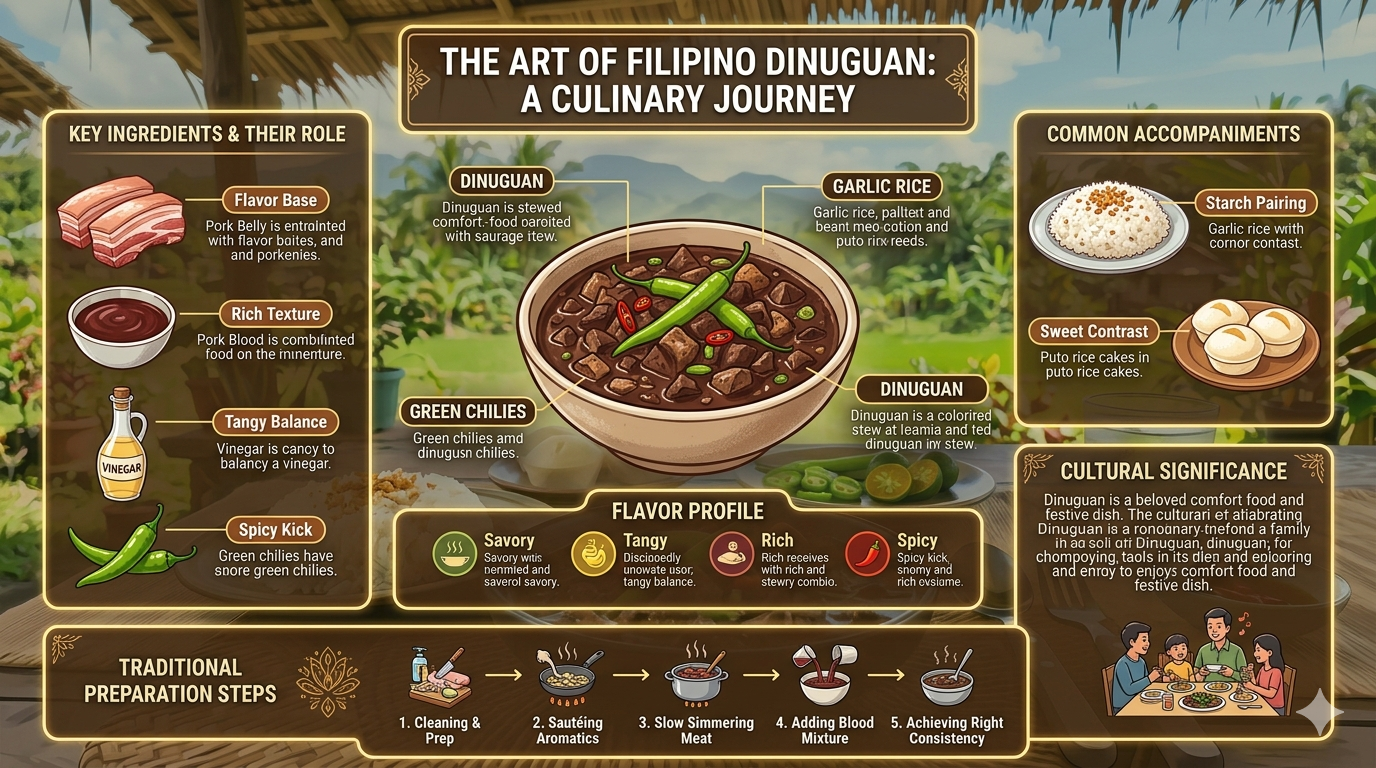
Infographic displaying the components and cooking process of Dinuguan without interpretive claims.
Disclaimer
This article is for general informational and educational purposes only. It does not constitute professional medical, nutrition, or dietary advice. References to foods or ingredients do not imply endorsement or guarantee of health outcomes. Readers are encouraged to consult licensed nutritionists, dietitians, or medical professionals for personalized guidance.