Understanding Lumpia: Nutrition and Dietary Overview
A neutral look at ingredients, preparation methods, and nutritional considerations of lumpia.
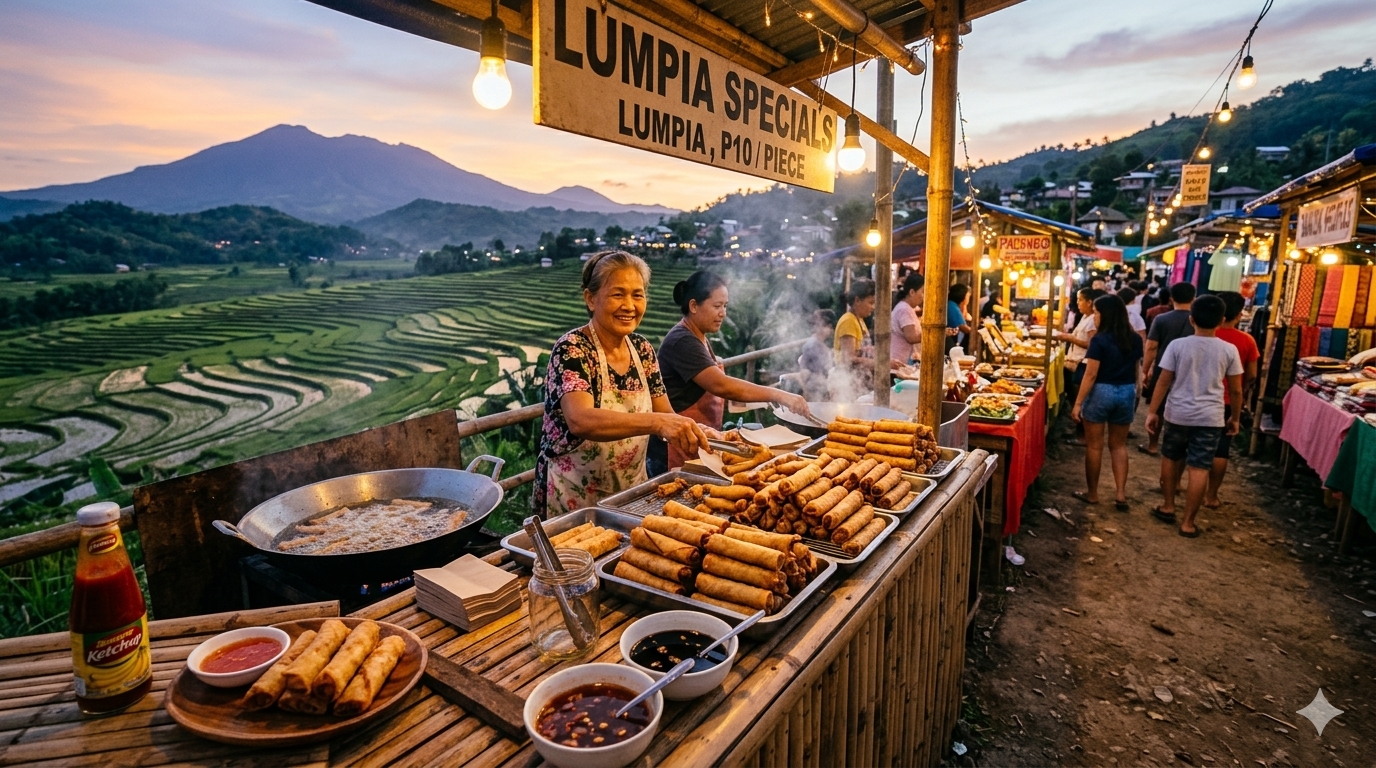
Lumpia is a traditional Filipino dish commonly served as an appetizer or snack. This article provides an educational overview of lumpia’s typical ingredients, nutritional composition, and considerations for balanced dietary planning. Information is aligned with Philippine DOH and FDA guidelines for food safety and labeling.
Ingredients and Preparation
Lumpia generally consists of a thin wrapper made from wheat flour and water, filled with vegetables, meat, or a combination of both. Common fillings include:
- Vegetables: carrots, cabbage, green beans, onions
- Protein: ground pork, shrimp, or tofu
- Seasonings: garlic, soy sauce, salt, and pepper
The preparation can involve frying, steaming, or baking. Frying increases fat content, while steaming or baking may result in lower added fats.
Nutritional Considerations
Lumpia contains macronutrients from its ingredients:
- Carbohydrates: primarily from the wrapper
- Protein: from meat, seafood, or tofu
- Fat: from cooking oil used in frying or from meat content
- Fiber: from vegetables in the filling
Micronutrients such as vitamin A (from carrots) and vitamin C (from cabbage) can also be present, depending on the ingredients.
Portion and Meal Planning
In neutral meal planning, lumpia can be included as part of a varied diet. Hypothetical portion guidance may consider:
- 1–3 pieces of lumpia alongside a serving of rice or vegetables
- Combining with other nutrient-dense foods for balanced meals
- Choosing steaming or baking methods for reduced added fats
Context
In nutrition science studies, the nutritional content of lumpia varies widely based on ingredients, cooking methods, and portion sizes. Under Philippine consumer protection and labeling standards, ingredient lists and cooking methods should be transparent to inform dietary choices. Dietary planning typically involves balancing macronutrients, micronutrients, and portion sizes. Results vary individually, and readers are encouraged to consult licensed nutrition professionals for personalized guidance.
FAQs
What is lumpia?
Lumpia is a Filipino dish consisting of a thin wrapper filled with vegetables, meat, or seafood. It can be fried, steamed, or baked.
What nutrients are in lumpia?
Lumpia provides carbohydrates, protein, and fat. Vegetables in the filling contribute dietary fiber and certain vitamins and minerals.
How does cooking method affect nutrition?
Frying can increase fat content, while steaming or baking generally results in lower added fats. Nutrient content depends on both ingredients and preparation.
Trusted Sources
- Department of Health, Philippines: Nutrition Facts and Food Safety Guidelines
- FDA Philippines: Food Labeling and Consumer Information
- Academic food science and nutrition journals (peer-reviewed)
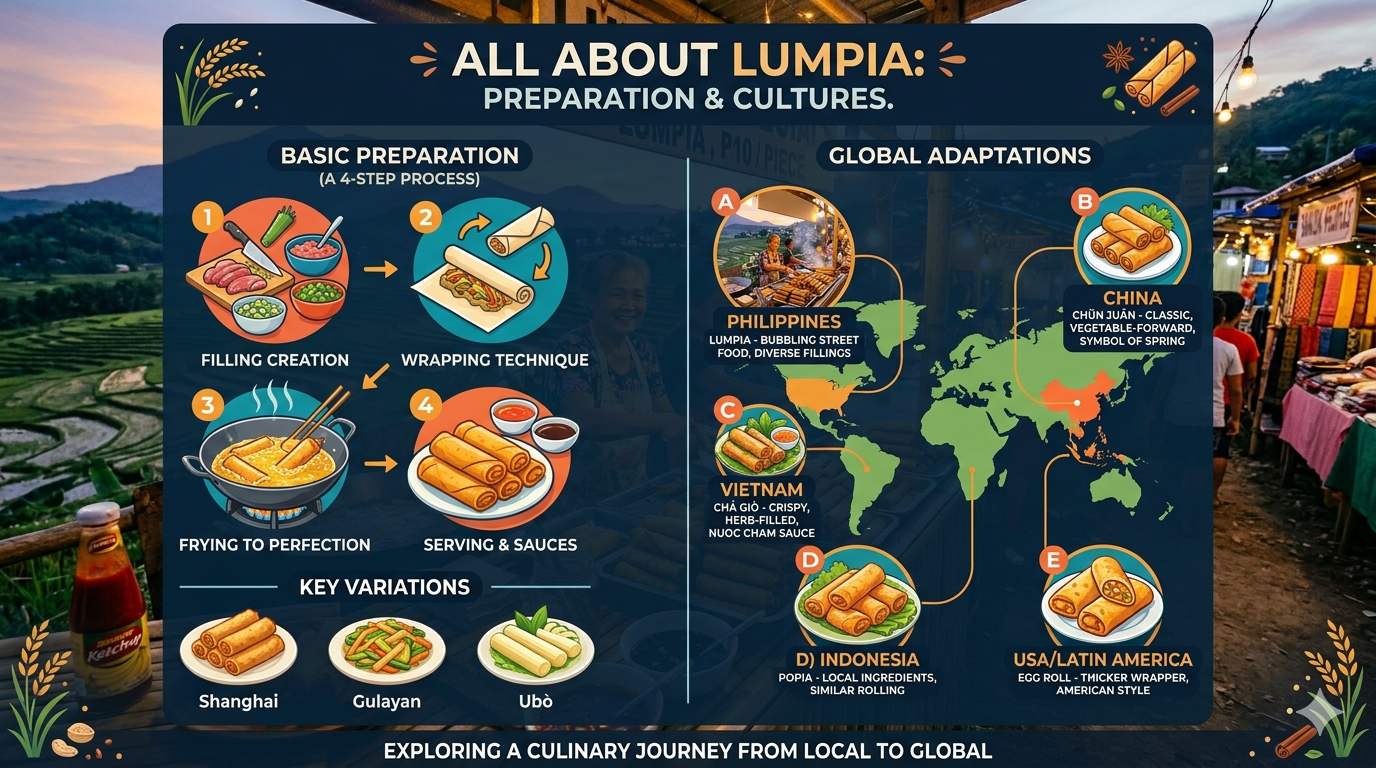
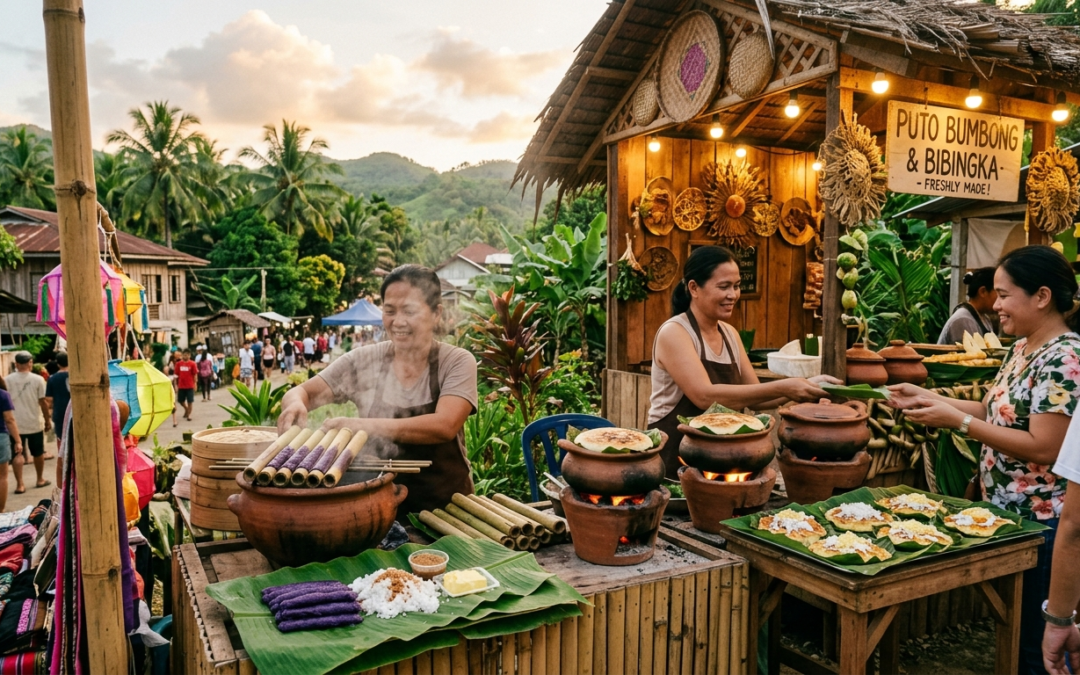
Illustrative infographic of lumpia ingredients and cooking methods.
Disclaimer
This article is for general informational and educational purposes only. It does not constitute professional medical, nutrition, or dietary advice. References to lumpia or its ingredients do not imply endorsement or guarantee of health outcomes. Readers are encouraged to consult licensed nutritionists, dietitians, or medical professionals for personalized guidance.