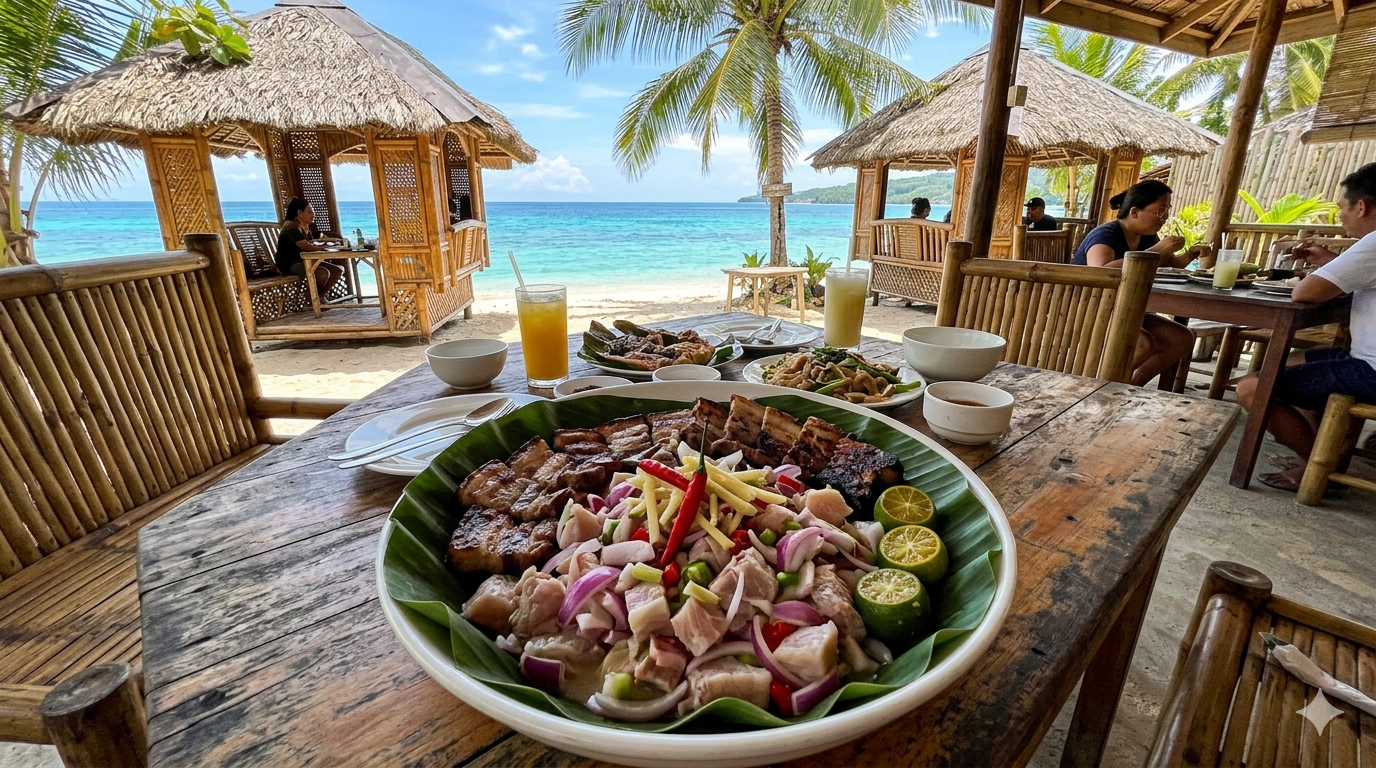
Understanding Sinuglaw: A Nutritional Overview of a Filipino Dish
A neutral exploration of ingredients, nutritional components, and meal considerations
Sinuglaw is a Filipino dish that combines grilled (sinugba) and raw (kinilaw) seafood, typically pork belly and fish, seasoned with vinegar, citrus, and spices. This article provides an educational look at its composition, nutrient considerations, and safe consumption practices in the Philippine context.
Nutritional Overview
Sinuglaw contains multiple food groups, including:
- Protein sources – raw fish provides omega-3 fatty acids, while grilled pork offers saturated and unsaturated fats.
- Acidic components – vinegar and citrus juice contribute flavor and can slightly reduce surface bacterial load.
- Vegetables and aromatics – onions, ginger, and chili may provide micronutrients and antioxidants.
From a macronutrient perspective:
| Component | Typical Contribution |
|---|---|
| Protein | Supports muscle and tissue maintenance (from fish and pork) |
| Fat | Provides energy; includes both saturated and unsaturated fats |
| Carbohydrates | Minimal, primarily from any added vegetables or marinades |
| Fiber | Low unless accompanied by vegetable garnishes |
Micronutrients may include vitamin C (from citrus), B vitamins (from pork), and minerals like phosphorus and selenium (from fish).
Safe Consumption Considerations
Under Philippine food safety standards (FDA Philippines, DOH):
- Raw seafood in kinilaw-style dishes must be fresh and sourced from reputable suppliers.
- Marination in vinegar or citrus does not fully eliminate foodborne pathogens.
- Grilled components should reach safe internal temperatures to reduce bacterial risk.
- Individuals with weakened immune systems, pregnant individuals, or those sensitive to raw seafood should exercise caution.
Hypothetical Meal Planning Context
Sinuglaw can be part of a balanced meal if combined with:
- Vegetable servings – leafy greens or root vegetables for fiber and micronutrients.
- Rice or whole grains – for additional energy and carbohydrate balance.
- Hydration – water or other non-sweetened beverages.
This example illustrates nutrient balance rather than prescribing intake or portion sizes. Dietary outcomes vary individually.
Context
In nutrition science studies, mixed protein dishes like Sinuglaw are recognized for their combination of macronutrients and cultural significance in Filipino cuisine. Under consumer protection and labeling standards, it is important to prepare, source, and handle both raw and cooked proteins safely. Diet planning typically involves balancing protein, fats, carbohydrates, and micronutrients.
FAQs
Q1: What is Sinuglaw?
A Filipino dish combining grilled pork and raw seafood, often seasoned with vinegar and citrus.
Q2: What nutrients are in Sinuglaw?
It provides protein, fats, and small amounts of vitamins and minerals depending on the ingredients.
Q3: Are there safety concerns with Sinuglaw?
Yes. Raw seafood should be sourced responsibly, and proper food handling is necessary to reduce the risk of foodborne illness.
Trusted Sources
- Department of Health Philippines: Food Safety Guidelines (FDA Philippines)
- Food and Drug Administration Philippines: Guidelines for Raw Seafood
- Peer-reviewed nutrition journals on protein and seafood consumption
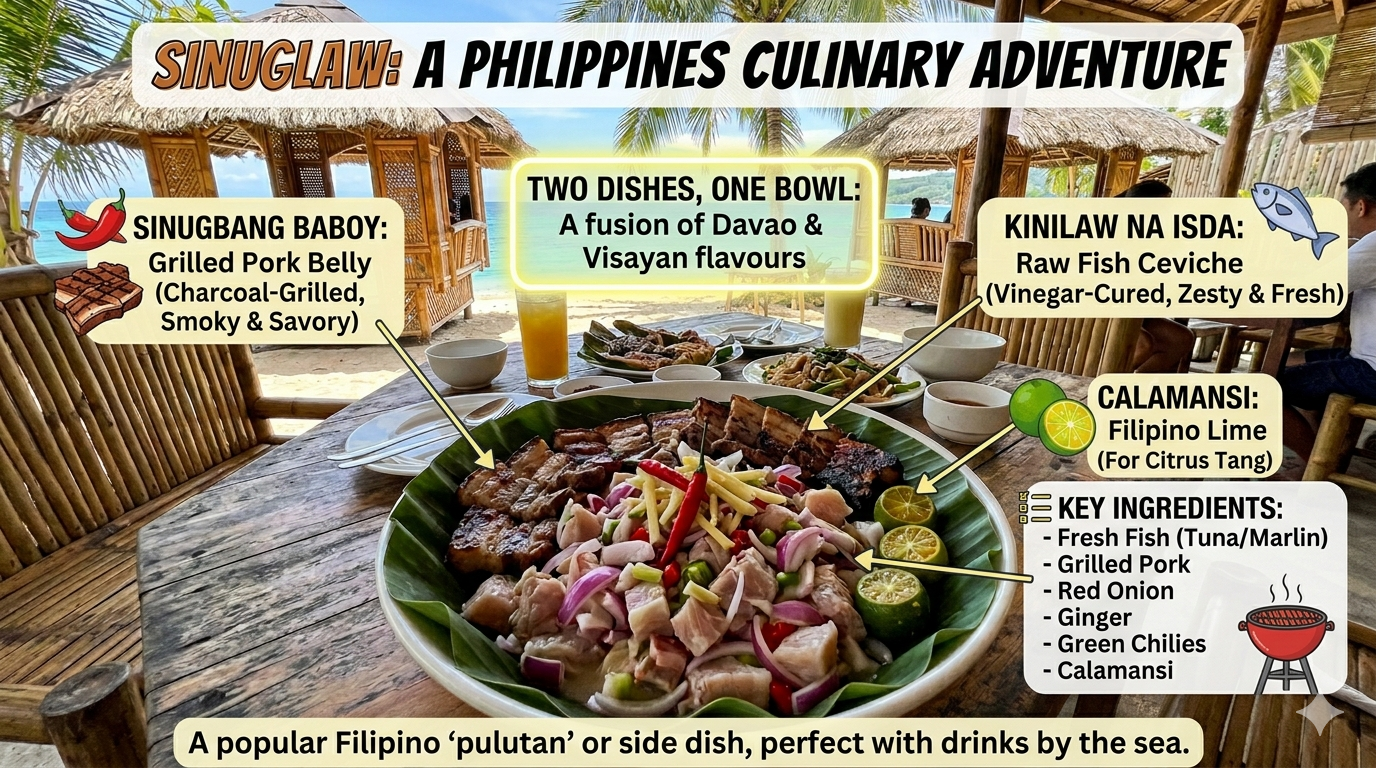
Ingredient composition and macronutrient categories of Sinuglaw
Disclaimer
This article is for general informational and educational purposes only. It does not constitute professional medical, nutrition, or dietary advice. References to dishes or ingredients do not imply endorsement or guarantee of health outcomes. Readers are encouraged to consult licensed nutritionists, dietitians, or medical professionals for personalized guidance.