Piyanggang: An Educational Overview of a Filipino Dish
A neutral look at Piyanggang, its ingredients, and nutritional considerations.
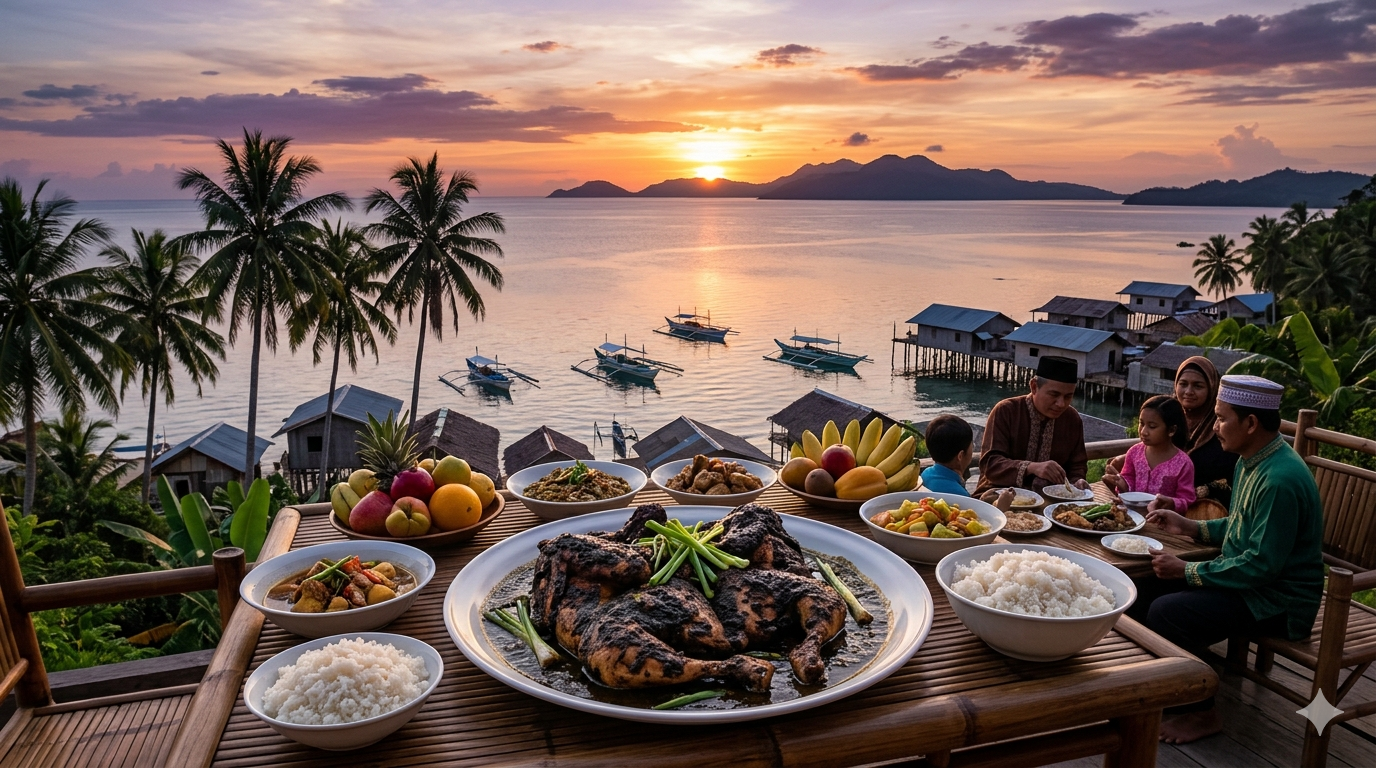
Piyanggang is a traditional Filipino dish originating from the Tausug people of Mindanao. This article provides an educational overview of the dish, its common ingredients, and neutral insights into its nutritional components. It references Philippine food safety and labeling standards as issued by the Department of Health (DOH) and the Food and Drug Administration (FDA).
What is Piyanggang?
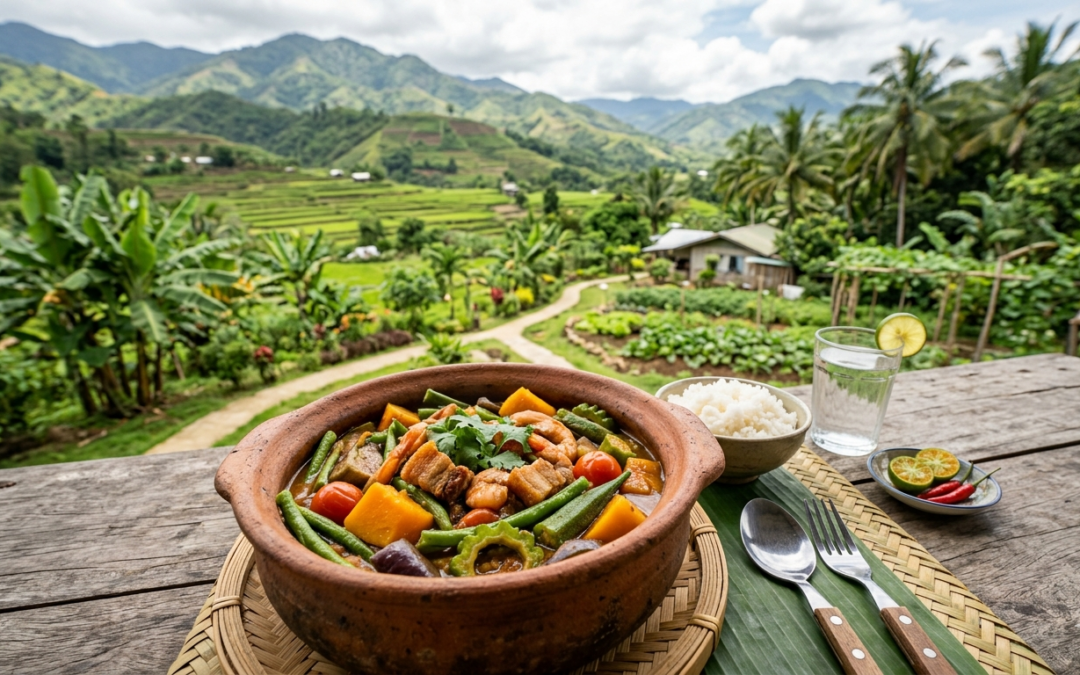
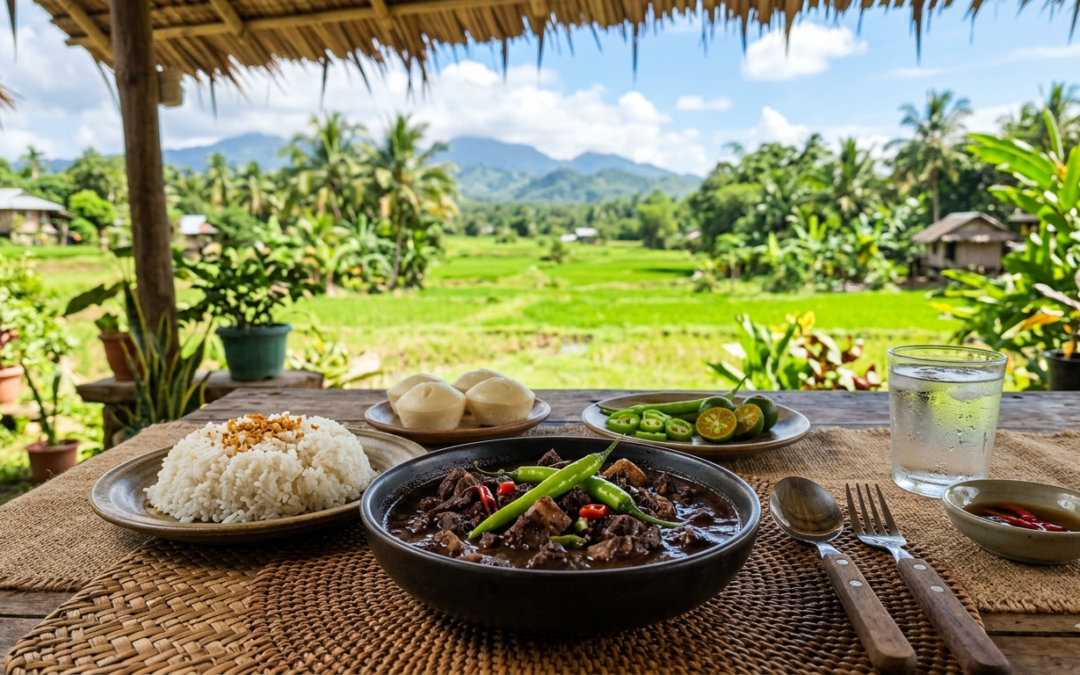
Piyanggang is typically made from chicken or other protein sources marinated in a mix of turmeric, coconut milk, and spices. It is commonly cooked slowly to allow flavors to meld. The dish often includes ingredients like garlic, onions, and chili, which contribute to its aromatic profile.
Nutritional Components
- Protein: Primarily from chicken or other protein sources.
- Fat: From coconut milk, which contains saturated fats; moderation can help manage intake.
- Carbohydrates: Minimal, mostly from small amounts of added vegetables or accompaniments like rice.
- Micronutrients: Turmeric provides curcumin, a plant compound with ongoing research on antioxidant properties; garlic and onions provide trace vitamins and minerals.
Hypothetical Meal Planning Context
A neutral example of including Piyanggang in a meal plan:
- 100 grams of Piyanggang chicken
- ½ cup steamed vegetables
- ½ cup cooked rice
This represents a balanced plate in terms of protein, fat, and carbohydrate distribution without implying health or weight outcomes.
Food Safety Considerations
- Ensure chicken is properly cooked to an internal temperature of 74°C (165°F) to reduce the risk of foodborne illness.
- Store coconut milk and spices according to packaging instructions to maintain quality and safety.
- Wash vegetables thoroughly before preparation.
Context
In nutrition science studies, traditional Filipino dishes like Piyanggang provide a mix of macronutrients and bioactive compounds. Under consumer protection and labeling standards, portion control and ingredient awareness are important for general dietary planning. Dietary results vary individually, and personal health needs should be assessed by licensed nutrition or medical professionals.
FAQs
Q: What is the main ingredient in Piyanggang?
A: The main ingredient is typically chicken, marinated in turmeric and coconut milk.
Q: Is Piyanggang high in fat?
A: The fat content depends on the use of coconut milk, which contains saturated fat. Portions can be adjusted as part of general meal planning.
Q: Can Piyanggang be part of a balanced diet?
A: In nutrition education, Piyanggang can be included in meals with complementary vegetables and grains for macronutrient balance.
Trusted Sources
- Department of Health Philippines: Food Safety Guidelines
- Food and Drug Administration Philippines: Food Labeling and Nutrition Standards
- Philippine Dietary Reference Intakes (PDRI)
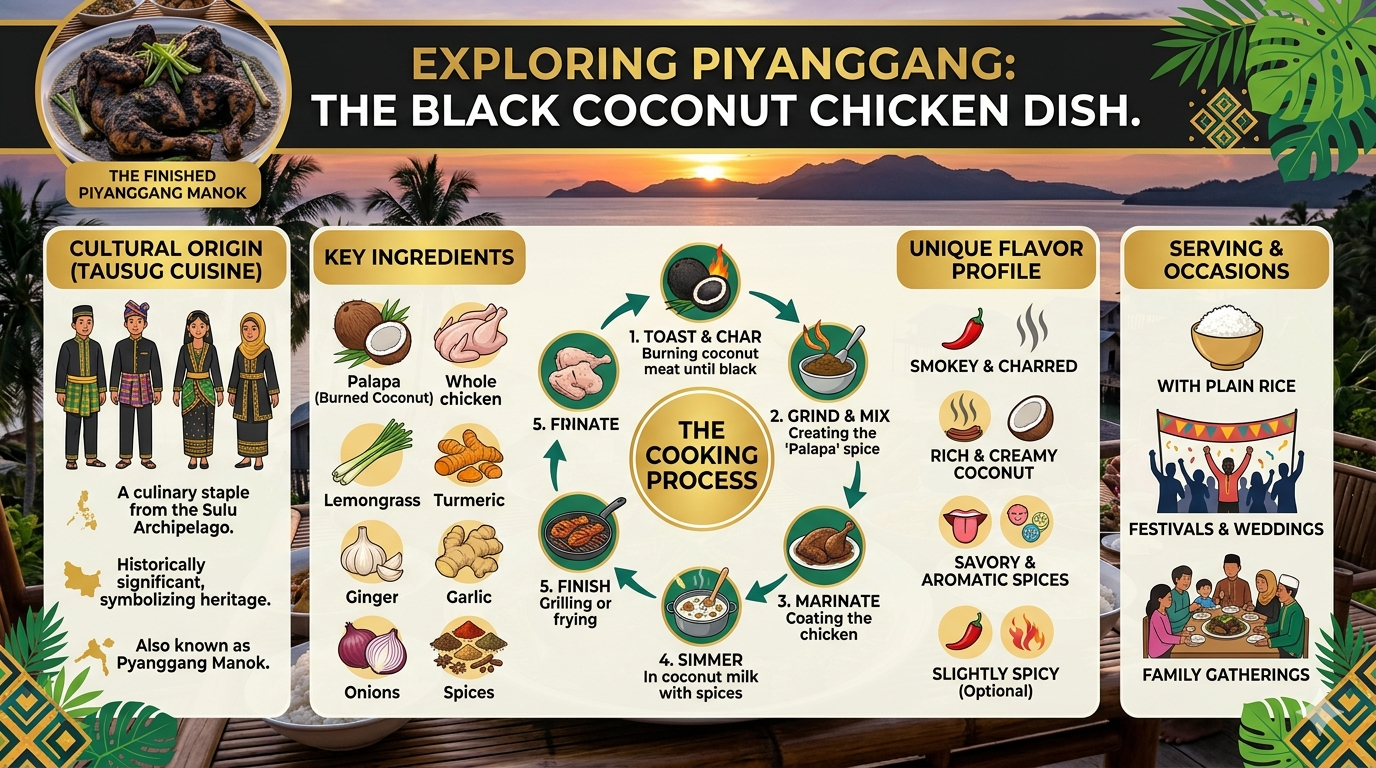
Visual infographic depicting common ingredients and preparation steps for Piyanggang.
Disclaimer
This article is for general informational and educational purposes only. It does not constitute professional medical, nutrition, or dietary advice. References to Piyanggang or ingredients do not imply endorsement or guarantee of health outcomes. Readers are encouraged to consult licensed nutritionists, dietitians, or medical professionals for personalized guidance.