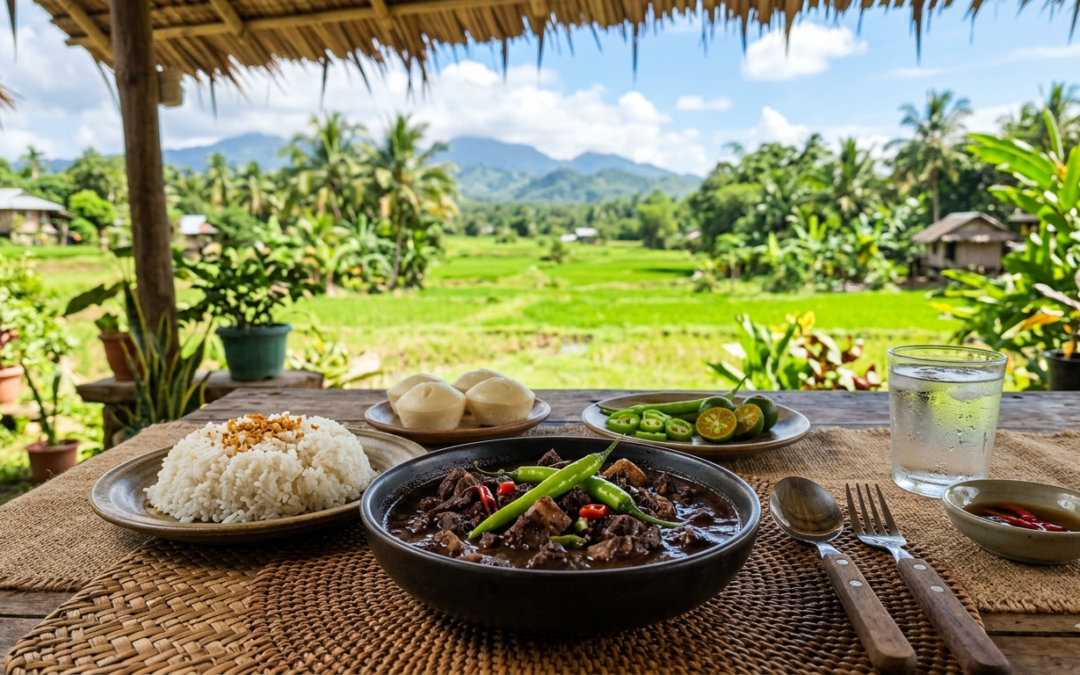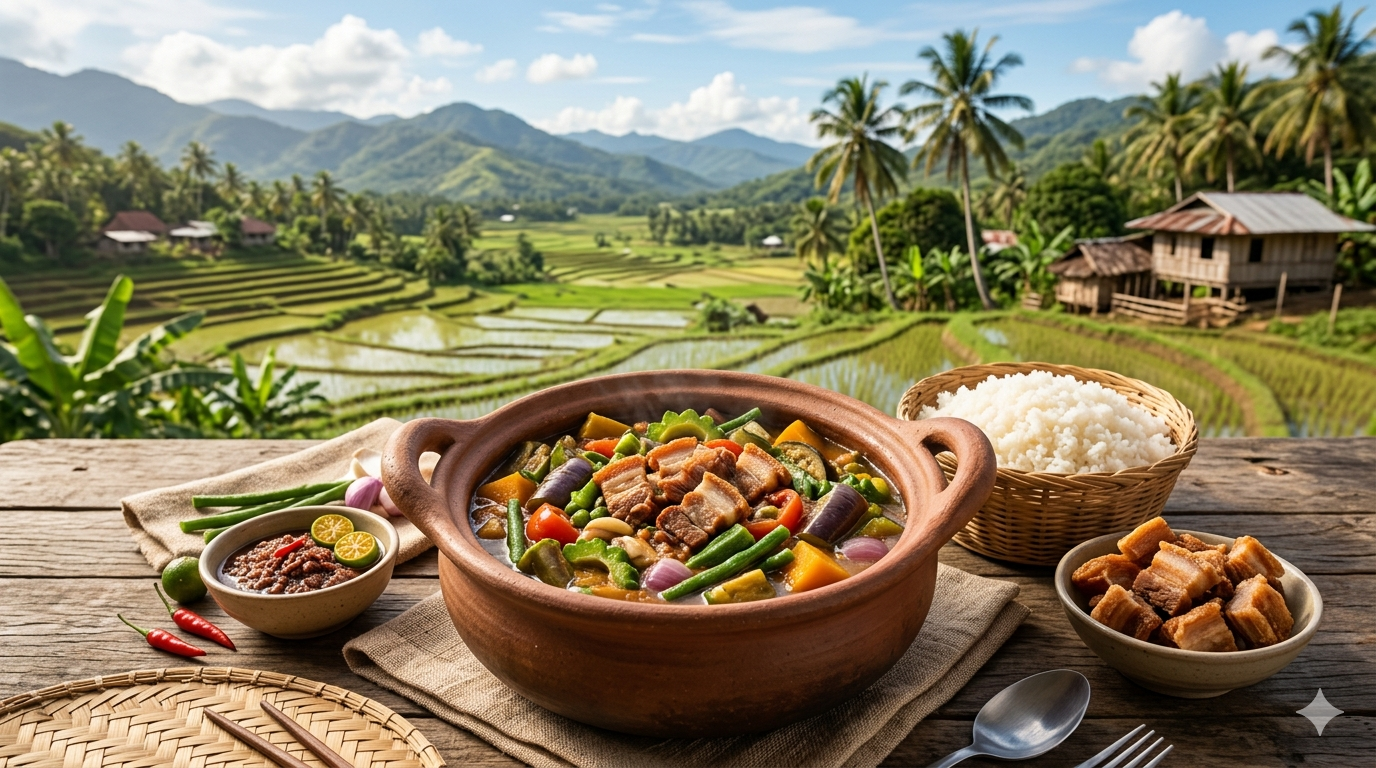
Pinakbet Ilocano: Traditional Vegetable Dish Overview
A neutral guide to ingredients, nutrition components, and preparation context
This article provides an educational overview of Pinakbet Ilocano, a traditional Filipino vegetable dish commonly associated with the Ilocos region. It explains typical ingredients, basic preparation methods, and general nutritional components. The discussion aligns with food safety and nutrition awareness principles supported by the Department of Health and Food and Drug Administration.
What Is Pinakbet Ilocano?
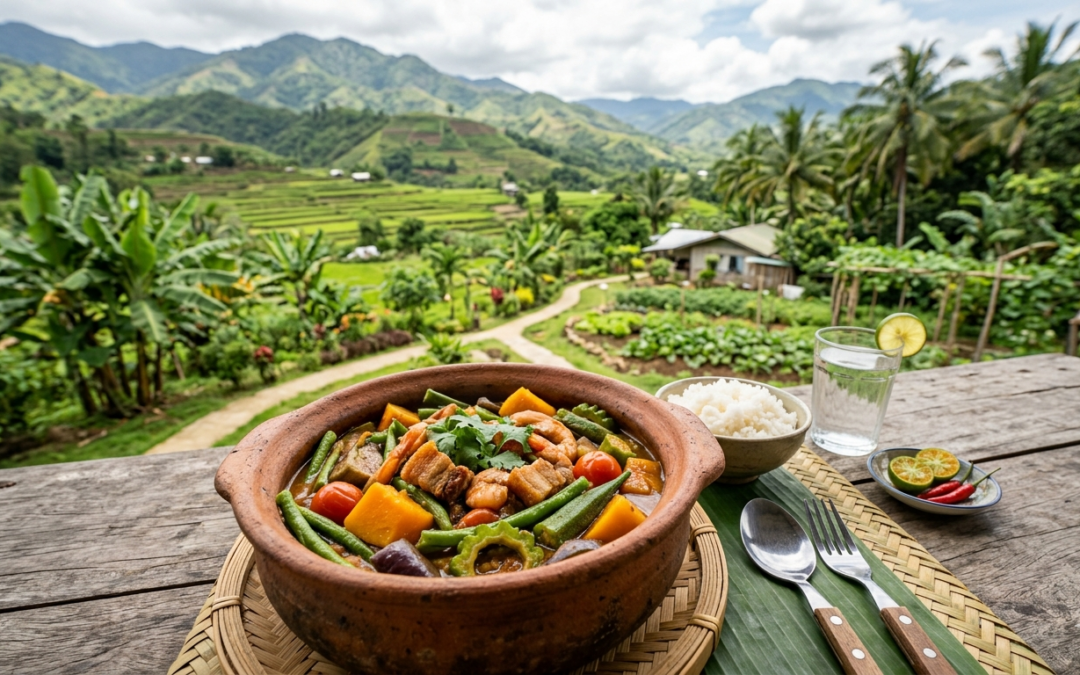
Pinakbet Ilocano is a vegetable-based dish traditionally prepared using locally available produce. It is known for its use of bagoong (fermented fish or shrimp paste) as a seasoning component, contributing to its distinct flavor.
The dish is typically cooked with minimal liquid, allowing the natural flavors of the vegetables to blend during simmering.
Common Ingredients
Ingredients may vary depending on availability, but commonly include:
- Bitter melon (ampalaya)
- Eggplant (talong)
- Okra
- String beans (sitaw)
- Squash (kalabasa)
- Tomatoes
- Onions
- Garlic
- Bagoong (fermented fish/shrimp paste)
Some variations may include small portions of pork or fish, though plant-based versions are also common.
Nutritional Components
Vegetables
Provide dietary fiber, vitamins, and minerals. For example:
- Leafy and green vegetables may contain vitamin A and vitamin C
- Squash may provide beta-carotene
Protein (if included)
Meat or fish contributes protein, which is associated with tissue maintenance.
Fats
Small amounts of cooking oil or fat from meat may be present.
Sodium Consideration
Bagoong is typically high in sodium, which is a factor often noted in food labeling and dietary awareness.
Preparation Method
A typical preparation process may involve:
- Sautéing garlic, onion, and tomatoes
- Adding protein (if used) and cooking until tender
- Incorporating vegetables in stages based on cooking time
- Adding bagoong for seasoning
- Simmering until vegetables are cooked but not over-softened
Cooking methods may vary across households and regions.
Role in Meal Planning
Pinakbet Ilocano is often served as part of a meal that includes:
- A staple carbohydrate such as rice
- Additional protein dishes (optional)
In dietary planning, it may be categorized as a vegetable dish contributing to overall food variety.
Food Safety and Label Awareness
When using packaged bagoong or other ingredients, consumers are encouraged to review labels for:
- Sodium content
- Ingredient list
- Expiration date
Under guidelines from the Department of Trade and Industry and the Food and Drug Administration, food products should provide accurate labeling to support informed choices.
Context
In nutrition science, vegetable-based dishes are commonly included in dietary patterns to support nutrient diversity. Traditional meals such as Pinakbet Ilocano reflect regional food practices and ingredient availability.
Dietary intake and nutritional needs vary among individuals. Food choices may be influenced by cultural, economic, and personal factors. For personalized dietary guidance, consultation with licensed nutrition professionals is recommended.
FAQs
What is Pinakbet Ilocano?
Pinakbet Ilocano is a traditional Filipino vegetable dish that uses mixed vegetables and fermented fish or shrimp paste for seasoning.
What nutrients are found in Pinakbet?
The dish may provide dietary fiber, vitamins, and minerals from vegetables, along with protein if meat or fish is included.
Why is bagoong used in the dish?
Bagoong is used as a flavoring ingredient and is part of traditional preparation methods in the Ilocos region.
Trusted Sources
- Department of Health — Nutrition guidance
- Food and Drug Administration — Food safety and labeling
- Department of Trade and Industry — Consumer protection standards
- Academic food science and nutrition journals
- Philippine cultural and culinary references
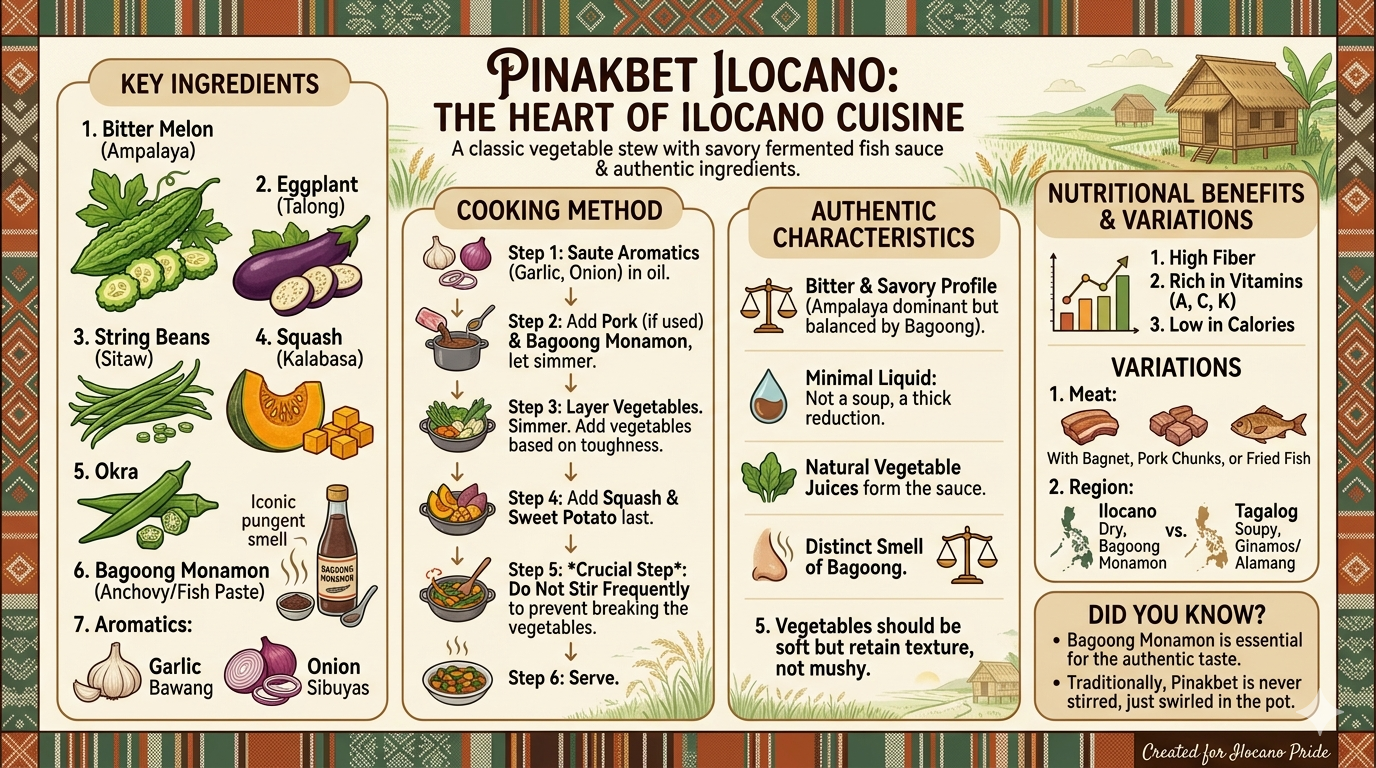
Visual breakdown of ingredients and preparation steps in Pinakbet Ilocano
Disclaimer
This article is for general informational and educational purposes only. It does not constitute professional medical, nutrition, or dietary advice. References to foods or preparation methods do not imply endorsement or guarantee of health outcomes. Readers are encouraged to consult licensed nutritionists, dietitians, or medical professionals for personalized guidance.