Understanding Pancit Varieties in the Philippines: An Educational Overview
A Neutral Guide to Common Pancit Types, Ingredients, and Nutritional Considerations
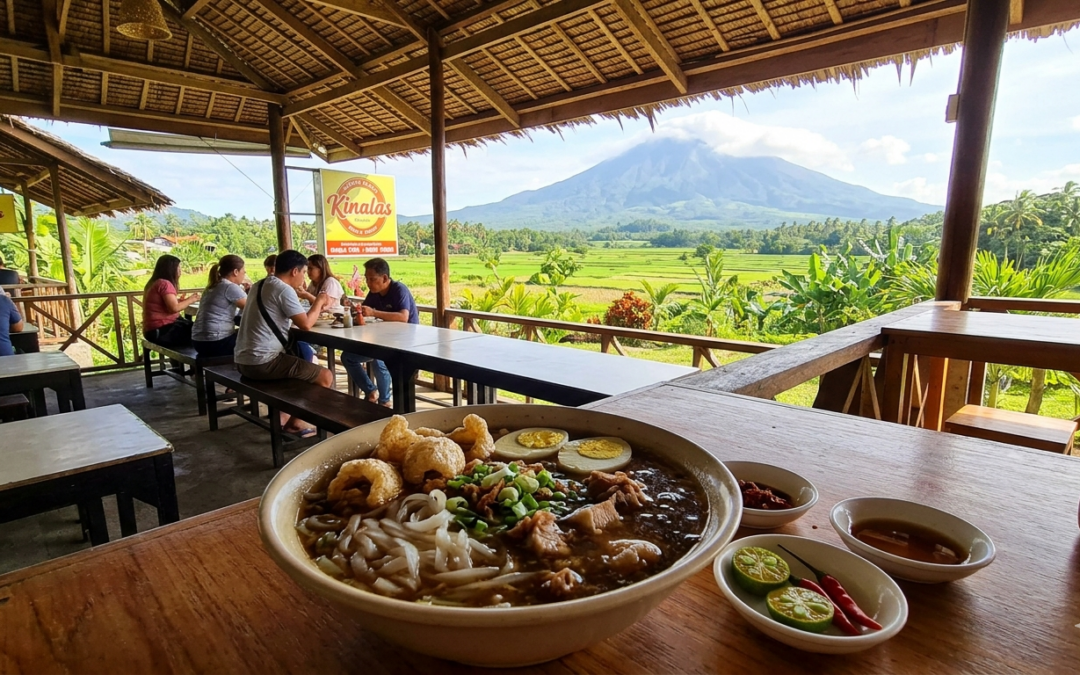
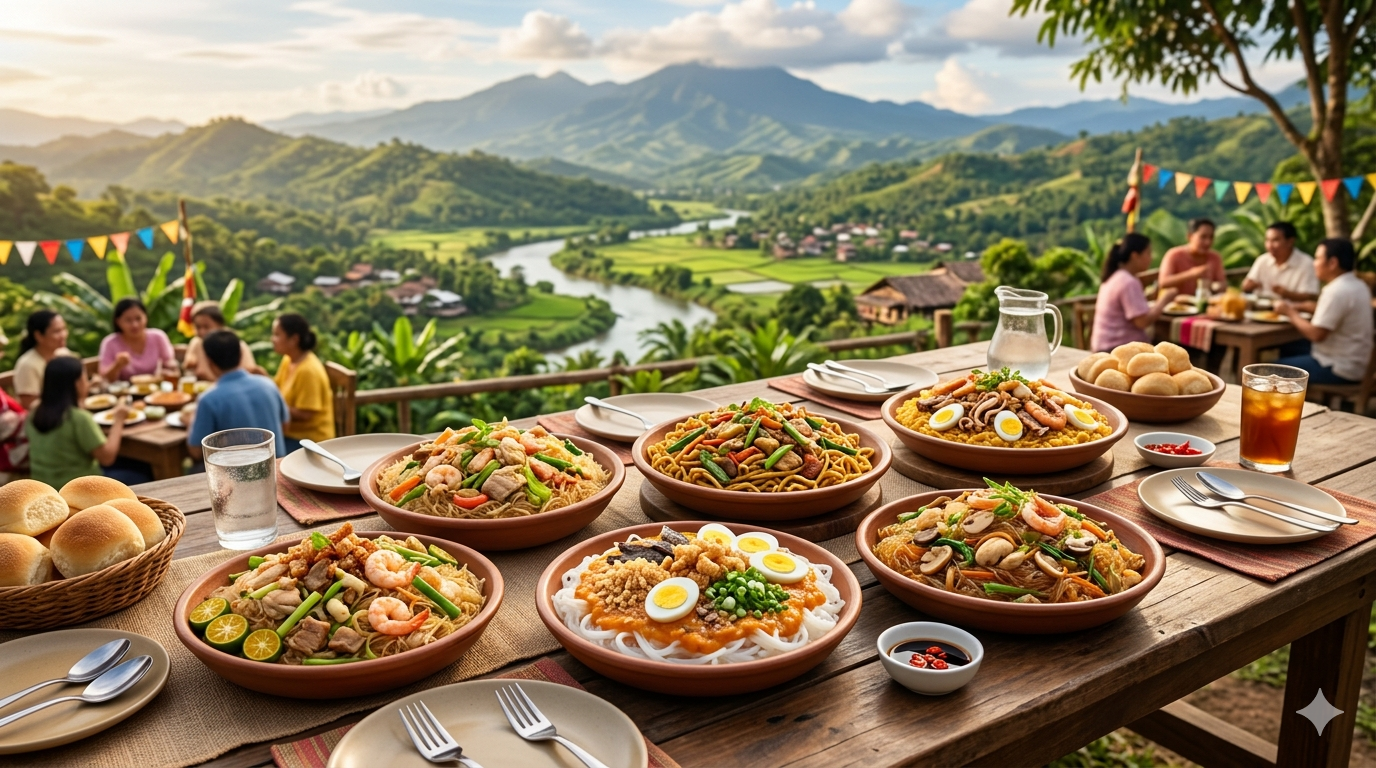
Pancit refers to a group of noodle dishes widely prepared in the Philippines using various ingredients, cooking styles, and regional traditions. The dishes commonly include noodles combined with vegetables, protein sources, and seasonings. This article provides an educational overview of several well-known pancit varieties, typical ingredients used in their preparation, and general nutrition considerations related to noodle-based meals.
What Is Pancit?
The term pancit generally refers to noodle dishes prepared with wheat, rice, or starch-based noodles. These dishes often include combinations of vegetables, meat, seafood, or plant-based ingredients. Preparation styles differ across households, restaurants, and regions.
Many pancit dishes contain ingredients that provide a mixture of carbohydrates, proteins, and small amounts of dietary fiber depending on the vegetables included.
Common Pancit Varieties
Pancit Canton
Pancit Canton is typically prepared using egg noodles stir-fried with ingredients such as sliced vegetables, meat, or seafood. Garlic, soy sauce, and broth are often used to add flavor during cooking.
Typical ingredients may include:
- Egg noodles
- Cabbage
- Carrots
- Shrimp or chicken
- Garlic and soy-based seasoning
Because the noodles are wheat-based, this dish generally contains carbohydrates as a primary energy source.
Pancit Bihon
Pancit Bihon uses thin rice noodles that are softened before cooking. The dish is often prepared with vegetables and sliced meat or seafood.
Common ingredients may include:
- Rice noodles (bihon)
- Green beans
- Carrots
- Chicken or pork
- Garlic and onion
Rice noodles differ from wheat noodles in composition because they are made primarily from rice flour.
Pancit Malabon
Pancit Malabon is associated with coastal cooking traditions and is commonly prepared with thicker rice noodles. Seafood ingredients are frequently used in this variety.
Typical components may include:
- Thick rice noodles
- Shrimp
- Squid
- Garlic
- Fish sauce or broth-based seasoning
Some versions also include toppings such as chopped vegetables or eggs.
Pancit Palabok
Pancit Palabok is known for its sauce-based preparation, where noodles are topped with a sauce made from shrimp broth and other flavoring ingredients.
Common toppings may include:
- Cooked shrimp
- Crushed pork cracklings
- Garlic
- Eggs
- Green onions
This dish is typically served with rice noodles and garnished before serving.
Pancit Sotanghon
Pancit Sotanghon uses glass noodles made from starch sources such as mung bean starch. These noodles become translucent when cooked.
Typical ingredients may include:
- Sotanghon (glass noodles)
- Chicken
- Mushrooms
- Vegetables
- Garlic and broth
Glass noodles differ from wheat or rice noodles because of their starch base.
Nutrition Considerations
Noodle-based dishes such as pancit usually contain carbohydrates from noodles, along with proteins from meat or seafood and micronutrients from vegetables. The overall nutrient composition may vary depending on ingredient proportions and cooking methods.
Including vegetables in noodle dishes may contribute vitamins, minerals, and dietary fiber. The use of sauces and seasonings may influence sodium levels in the dish.
Balanced dietary planning often considers portion sizes, variety of food groups, and overall daily nutrient intake.
Pancit in Food Culture and Dietary Discussions
In food studies and culinary history discussions, pancit is often described as a dish category with influences from Asian noodle traditions that have evolved within Philippine cooking practices.
Under consumer food safety and labeling standards in the Philippines, packaged noodle products are regulated by the Food and Drug Administration (FDA Philippines) to ensure proper ingredient labeling and food safety compliance.
Nutrition research generally emphasizes that individual dietary needs differ. Meal planning approaches may vary based on lifestyle, health considerations, and guidance from licensed nutrition professionals.
FAQs
What are macronutrients in noodle dishes?
Macronutrients refer to nutrients required in larger amounts by the body. In noodle-based dishes, carbohydrates typically come from noodles, proteins may come from meat or seafood, and fats may come from cooking oils or certain toppings.
What is the difference between rice noodles and wheat noodles?
Rice noodles are made primarily from rice flour, while wheat noodles are made from wheat flour and may contain eggs. Their texture and nutrient composition can differ depending on preparation.
How can meal planning include noodle dishes?
Meal planning sometimes includes noodle dishes alongside vegetables, protein sources, and other food groups. The overall nutrient balance depends on ingredient variety and portion sizes.
Trusted Sources
- Department of Health (Philippines) – Nutrition and healthy eating guidance
- Food and Drug Administration Philippines – Food labeling and safety information
- Academy of Nutrition and Dietetics – Nutrition science references
- Peer-reviewed food science and nutrition journals
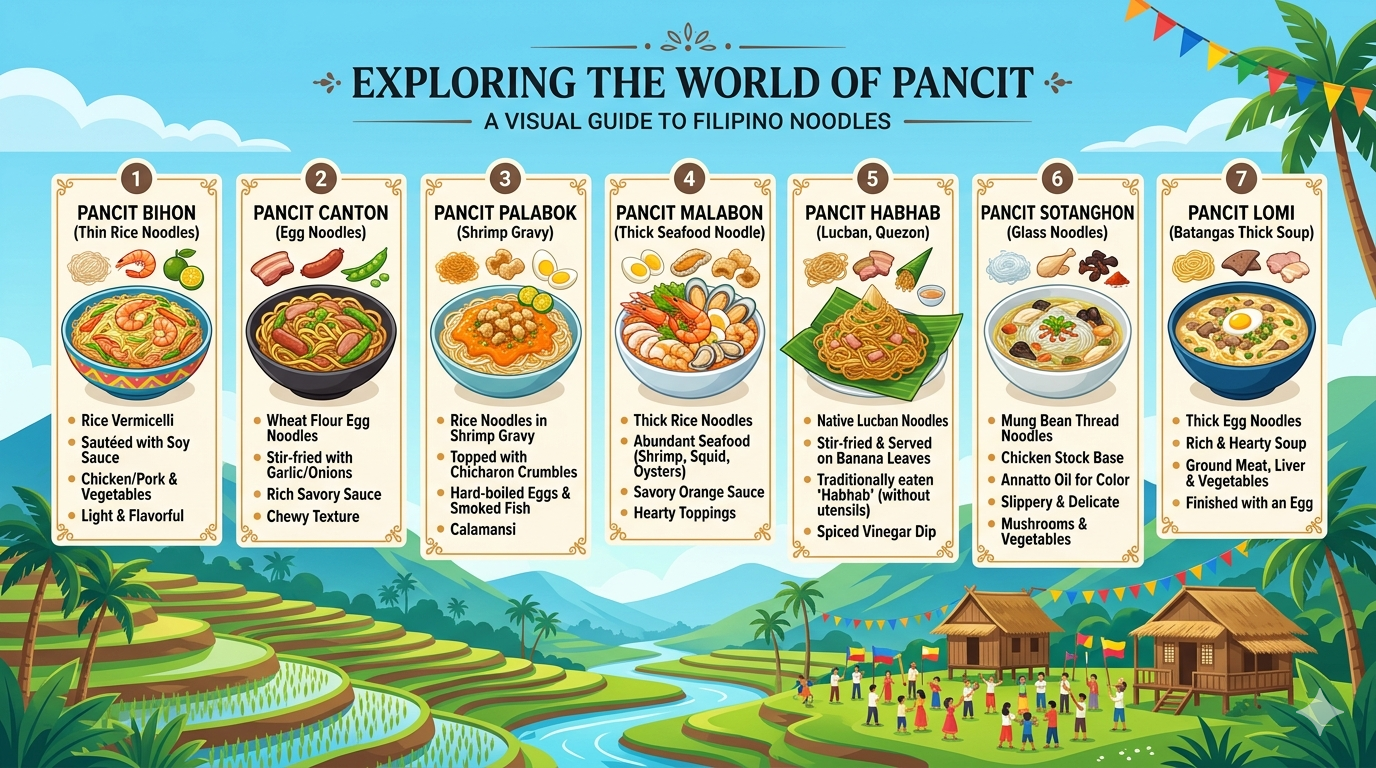
Visual chart showing pancit varieties and corresponding noodle types.
Disclaimer
This article is for general informational and educational purposes only. It does not constitute professional medical, nutrition, or dietary advice. References to diets, foods, or supplements do not imply endorsement or guarantee of health outcomes. Readers are encouraged to consult licensed nutritionists, dietitians, or medical professionals for personalized guidance.