Napoleones: Understanding a Popular Pastry in the Philippines
A neutral overview of ingredients, nutritional considerations, and safe consumption practices.
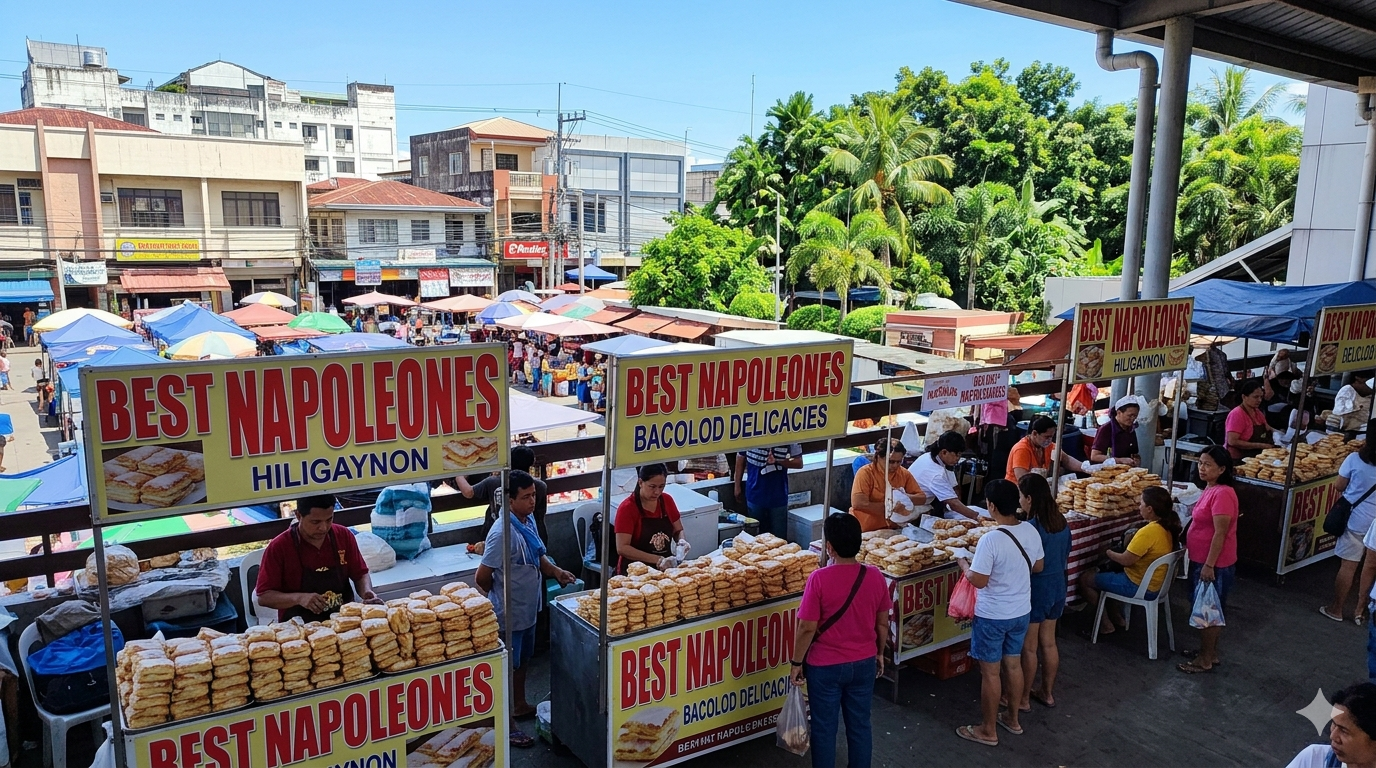
Napoleones is a layered puff pastry dessert widely available in bakeries across the Philippines. This article provides factual information about its composition, nutritional content, and considerations for including it in meals, referencing relevant consumer protection and food safety guidelines from the Department of Health (DOH) and Food and Drug Administration (FDA) Philippines.
Ingredients and Composition
Napoleones typically consist of flaky puff pastry layers filled with custard or cream and coated with sugar glaze. Standard ingredients include:
- Wheat flour
- Butter or margarine
- Sugar
- Egg yolks (for custard)
- Milk or milk powder
- Glaze (sugar-based)
Some variations may contain additional flavorings, fillings, or toppings.
Nutritional Considerations
A standard Napoleones serving provides primarily:
- Carbohydrates: from flour and sugar
- Fats: from butter, margarine, and custard
- Proteins: small amounts from eggs and milk
It is generally energy-dense, meaning it contains a higher number of calories relative to its weight. It provides minimal dietary fiber and micronutrients unless fortified or paired with other foods.
Safe Consumption Practices
- Napoleones should be handled according to food safety standards, including proper storage in cool conditions to prevent spoilage.
- Check labeling for allergens such as milk, eggs, or gluten.
- Packaging and labeling must comply with FDA Philippines standards and DTI consumer protection regulations.
Context
In nutrition science studies, pastries like Napoleones are categorized as energy-dense foods, often high in sugar and fat. Under consumer protection and labeling standards, food products must clearly list ingredients, allergens, and storage instructions. Diet planning typically involves balancing nutrient intake across meals, and occasional pastries can be included as part of a varied diet. Nutritional outcomes vary individually, and readers should consult licensed nutrition or medical professionals for personalized guidance.
FAQs
What are the main ingredients of Napoleones?
Napoleones generally consist of puff pastry, custard or cream filling, and sugar glaze. Common ingredients include wheat flour, butter, eggs, milk, and sugar.
Is Napoleones high in calories?
Yes, Napoleones are considered energy-dense due to their sugar and fat content, though exact calories vary depending on the recipe and serving size.
How should Napoleones be stored?
They should be stored in cool, dry conditions, following labeling instructions. Proper storage helps maintain freshness and reduce the risk of spoilage.
Trusted Sources
- DOH Philippines: Food Safety Guidelines for Pastries and Bakery Products
- FDA Philippines: Labeling Requirements for Packaged Foods
- Peer-reviewed nutrition journals on energy-dense foods
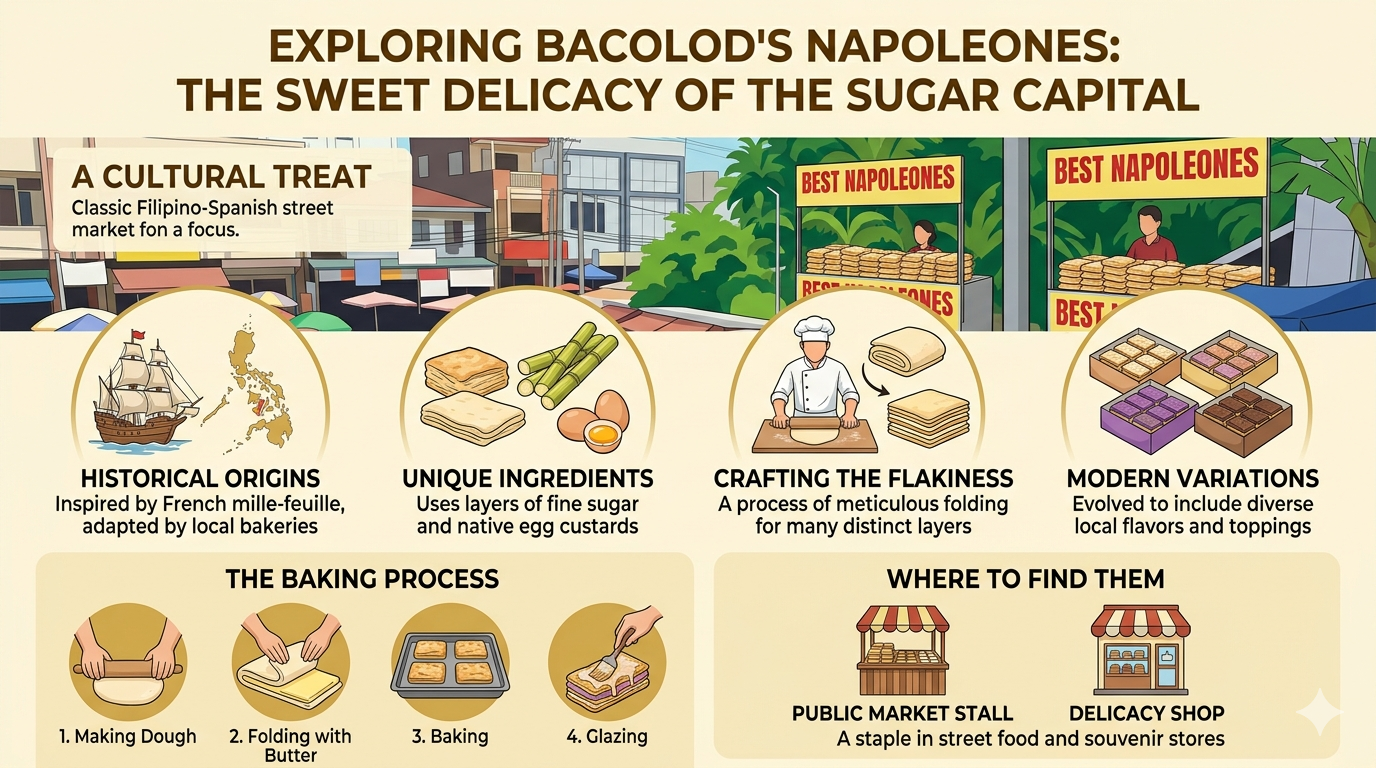
Diagram illustrating the layered composition of Napoleones pastry.
Disclaimer
This article is for general informational and educational purposes only. It does not constitute professional medical, nutrition, or dietary advice. References to foods or pastries do not imply endorsement or guarantee of health outcomes. Readers are encouraged to consult licensed nutritionists, dietitians, or medical professionals for personalized guidance.