Lechon Cebu: Nutritional Overview and Food Safety Considerations
A neutral guide to understanding Lechon Cebu, its nutritional components, and safe consumption practices in the Philippine context.
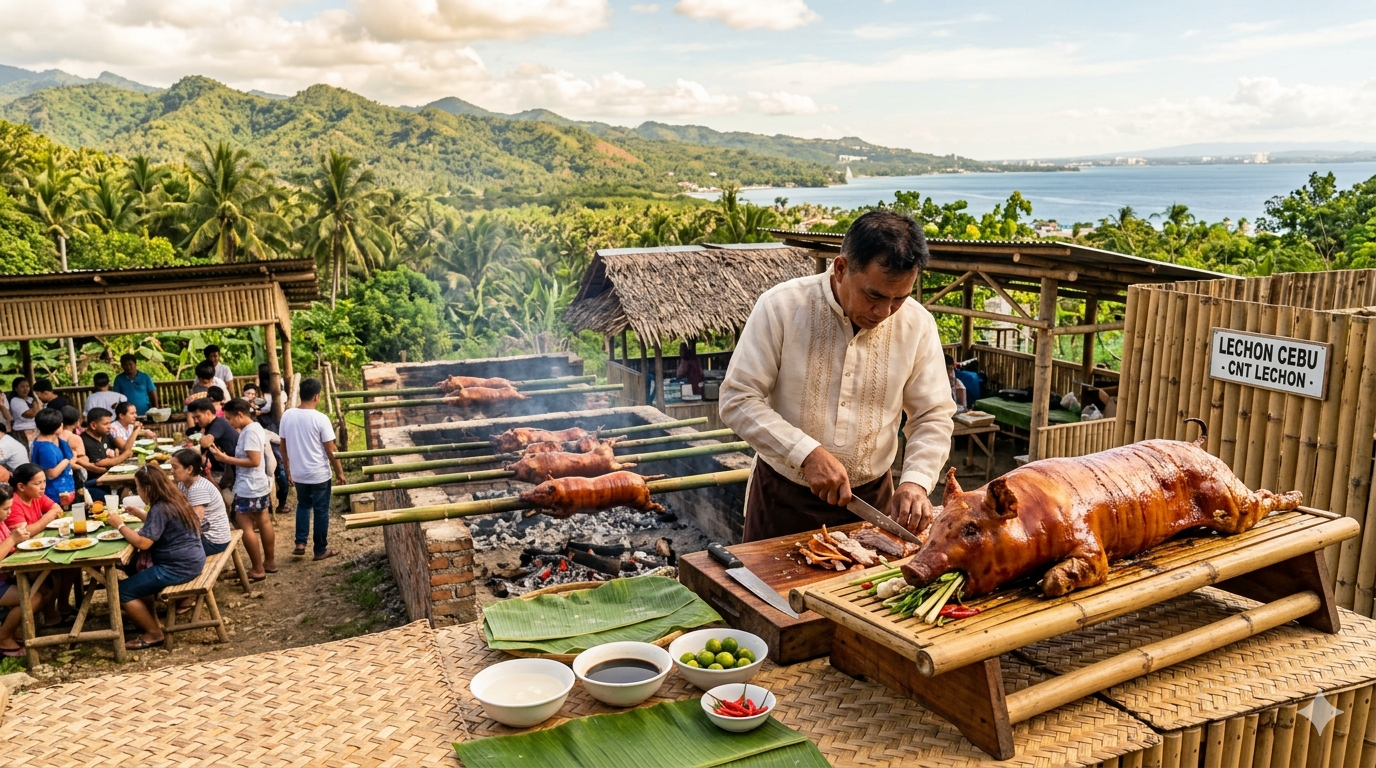
Lechon Cebu is a traditional Filipino roasted pork dish, widely recognized for its crisp skin and flavorful meat. This article provides an educational overview of its nutritional content, macronutrient considerations, and safe preparation practices. It also aligns with guidance from the Department of Health (DOH), Food and Drug Administration (FDA Philippines), and other relevant Philippine authorities.
Nutritional Components
Lechon Cebu is primarily composed of pork meat and skin. Its key macronutrient profile includes:
- Protein: Essential for tissue maintenance and muscle function.
- Fat: Includes both saturated and unsaturated fats; contributes to energy intake.
- Calories: Energy-dense due to fat content.
Micronutrients present in pork include B-vitamins (B1, B6, B12) and minerals such as iron and zinc. Nutritional values may vary depending on the cut, size, cooking method, and added ingredients (e.g., marinades or seasoning).
Portion Considerations
Diet planning typically involves monitoring portion size and balancing with other foods such as vegetables, fruits, and whole grains. Hypothetical meal planning may include smaller servings of roasted pork complemented by fiber-rich foods to achieve a balanced nutrient intake.
Safe Consumption Practices
- Ensure pork is cooked to an internal temperature of at least 71°C (160°F) to reduce foodborne illness risk.
- Maintain hygiene during handling and roasting to prevent contamination.
- Moderation is recommended due to the high fat and calorie content.
Context
In nutrition science studies, foods like Lechon Cebu are considered energy-dense. Under Philippine consumer protection and food labeling standards, dishes containing pork and fat must be prepared following FDA and LGU food safety regulations. Dietary results from consuming such foods vary individually, depending on overall meal patterns and lifestyle. Consultation with licensed nutrition or medical professionals is advised for personalized guidance.
FAQs
What is Lechon Cebu?
Lechon Cebu is a roasted pork dish originating from Cebu, Philippines, known for its crisp skin and seasoned meat.
What are the main nutrients in Lechon Cebu?
It provides protein, fat (including saturated fats), calories, and micronutrients like B-vitamins and minerals.
Is it safe to eat Lechon Cebu regularly?
Moderation and proper food handling are important. Cooking thoroughly and balancing meals with other nutrient-dense foods are recommended.
Trusted Sources
- Department of Health Philippines (DOH) food safety advisories
- Food and Drug Administration Philippines (FDA) pork handling guidelines
- Philippine Nutrition Research Institute publications
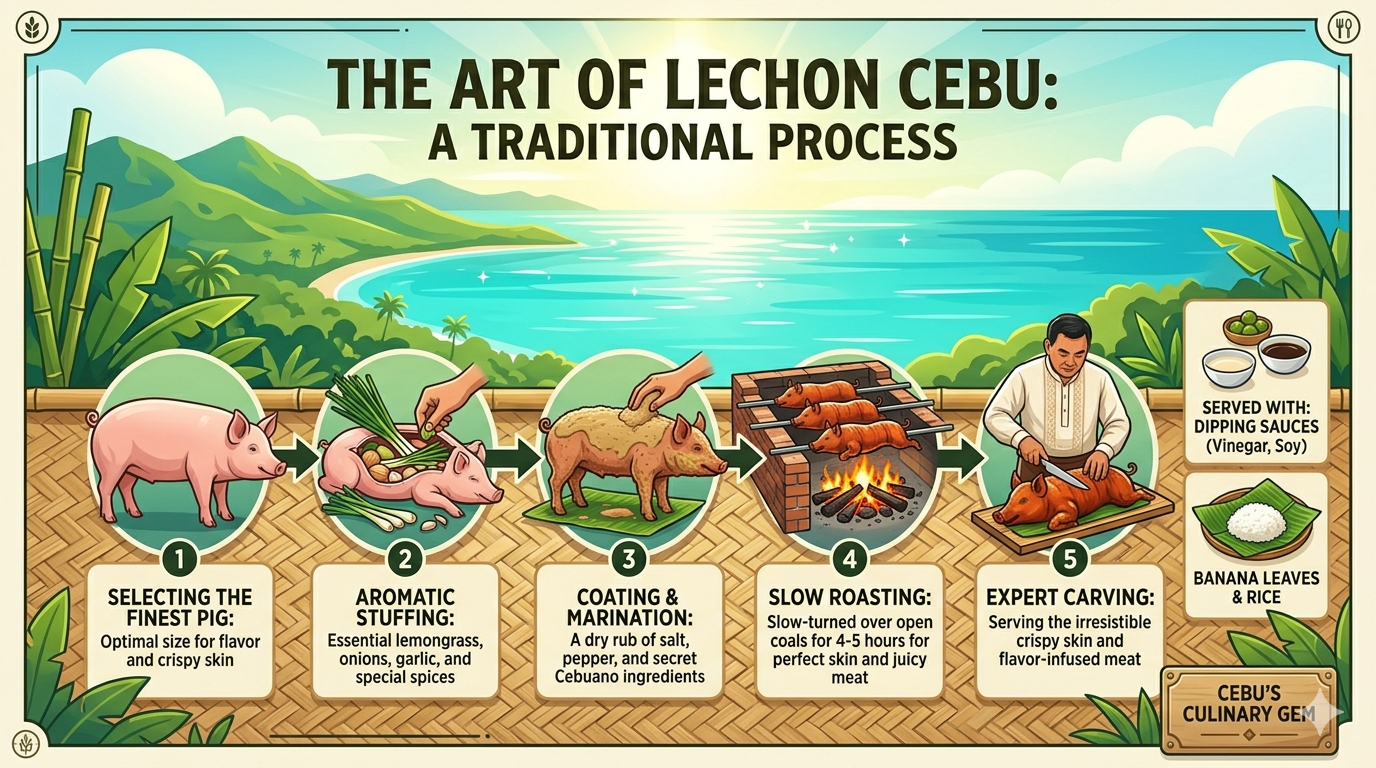
Infographic illustrating Lechon Cebu preparation and cultural context.
Disclaimer
This article is for general informational and educational purposes only. It does not constitute professional medical, nutrition, or dietary advice. References to Lechon Cebu or other foods do not imply endorsement or guarantee of health outcomes. Readers are encouraged to consult licensed nutritionists, dietitians, or medical professionals for personalized guidance.