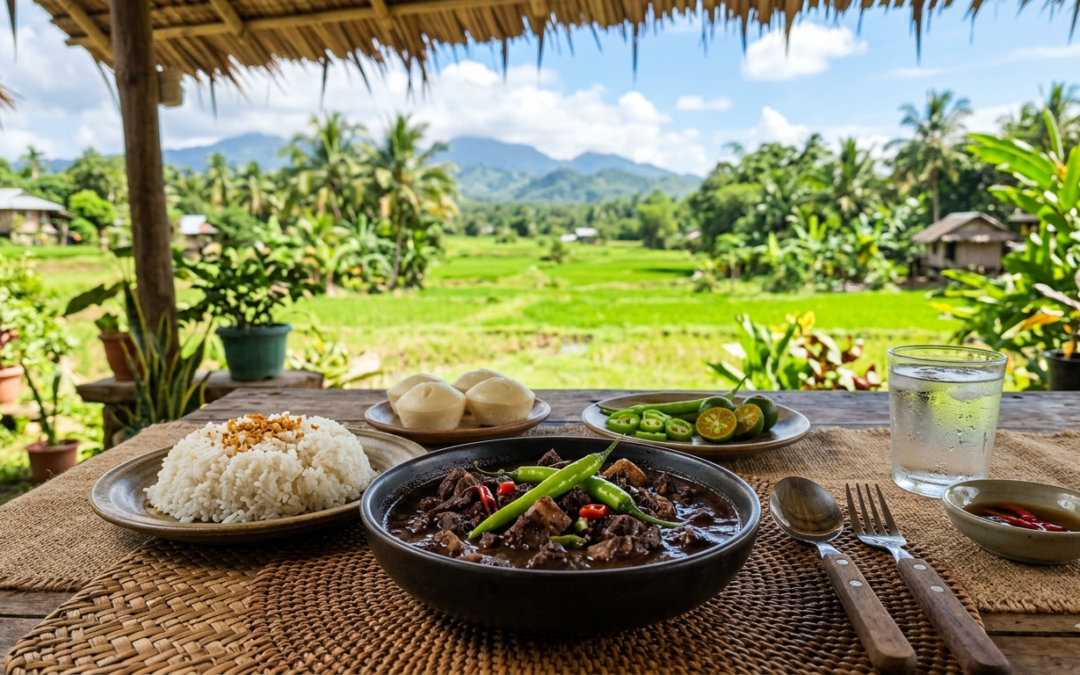
Understanding Kilawin: A Nutritional Perspective
A neutral overview of kilawin, its ingredients, and considerations for safe consumption.
Kilawin is a traditional Filipino dish often made from raw or lightly cooked meat or seafood, marinated in vinegar, citrus juices, and seasonings. This article provides an educational overview of kilawin, including its typical ingredients, nutritional components, and safe preparation considerations under Philippine food safety standards. It aims to help readers understand the dish’s dietary context, without promoting specific health outcomes.
Ingredients and Nutritional Content
Kilawin commonly includes meats such as beef, goat, or fish, marinated with vinegar, calamansi, onions, and spices. From a nutritional perspective:
- Protein: Meats and seafood provide high-quality protein, important for tissue maintenance and growth.
- Fat: The fat content depends on the cut of meat used; lean cuts have lower saturated fat.
- Vitamins and Minerals: Ingredients like onions, chili, and citrus contribute vitamin C, antioxidants, and trace minerals.
- Sodium: Depending on added salt or soy sauce, sodium levels can vary, which may be relevant for individuals monitoring blood pressure.
Safe Consumption Practices
Under Philippine food safety guidelines (DOH, FDA Philippines):
- Freshness: Use fresh or properly refrigerated meat or seafood.
- Marination: Acidic marinades (vinegar or citrus) reduce bacterial growth but do not fully eliminate pathogens.
- Hygiene: Wash hands, utensils, and surfaces before and after handling raw ingredients.
- Serving: Consume kilawin shortly after preparation; avoid prolonged storage at room temperature.
Dietary Planning Considerations
Kilawin can be included as part of a balanced meal when paired with vegetables and whole grains. Portion sizes can be adjusted based on hypothetical meal plans to maintain nutrient balance.
Context
In nutrition science studies, dishes like kilawin are evaluated for protein quality, fat content, and vitamin/mineral contributions. Under consumer protection and labeling standards, it is important to prepare traditional dishes safely and understand ingredient sources. Dietary outcomes vary individually, and portioning can influence macronutrient intake.
FAQs
What is kilawin?
A traditional Filipino dish made from raw or lightly cooked meat or seafood, marinated in vinegar, citrus, and spices.
Is kilawin nutritious?
It provides protein, certain vitamins, and minerals, depending on the ingredients used.
How can kilawin be prepared safely?
Use fresh ingredients, maintain good hygiene, and consume the dish shortly after preparation to minimize food safety risks.
Trusted Sources
- Department of Health (DOH) Philippines – Food Safety Advisories
- Food and Drug Administration (FDA Philippines) – Food Handling Guidelines
- Academic journals on Philippine culinary nutrition

Infographic detailing common ingredients and marination steps for kilawin
Disclaimer
This article is for general informational and educational purposes only. It does not constitute professional medical, nutrition, or dietary advice. References to foods or preparation methods do not imply endorsement or guarantee of health outcomes. Readers are encouraged to consult licensed nutritionists, dietitians, or medical professionals for personalized guidance.