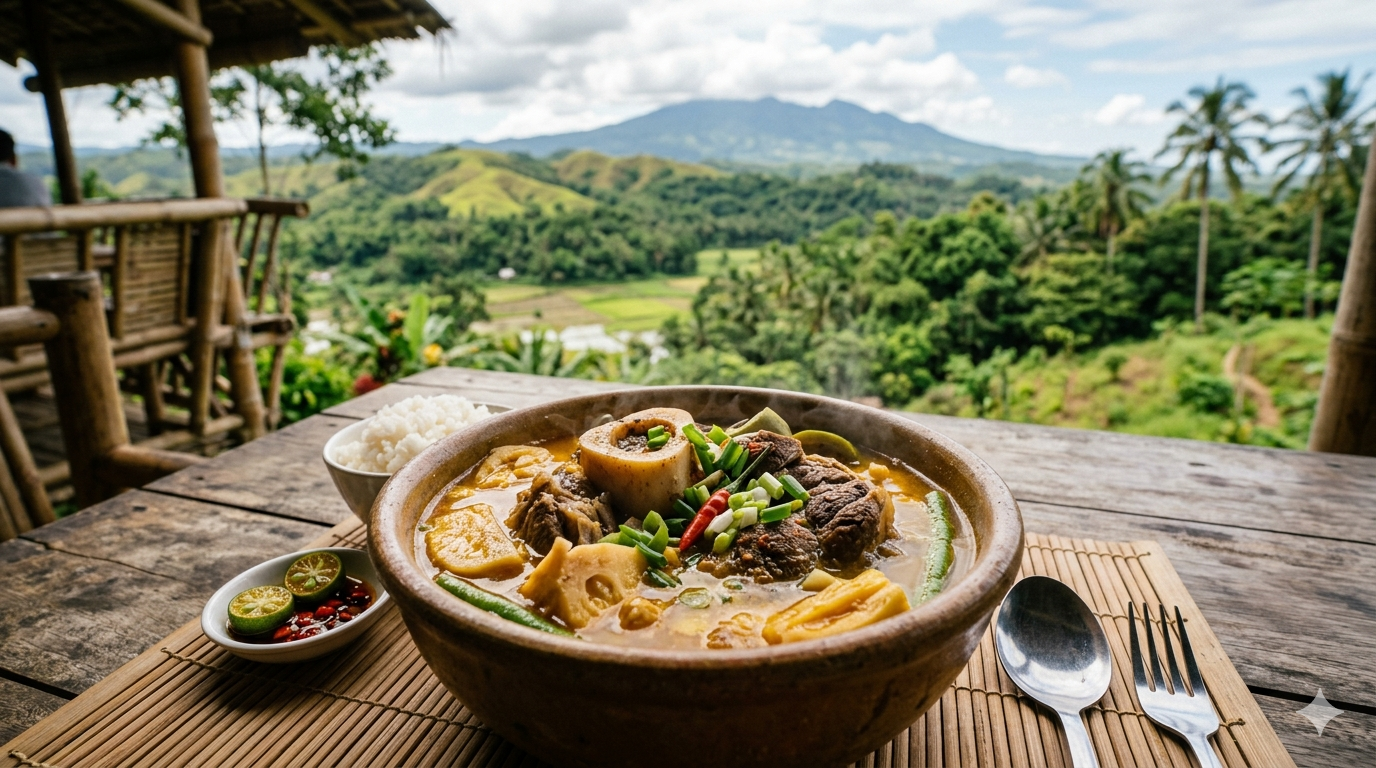
Kansi Soup: Nutritional Overview and Culinary Insights
A neutral look at Kansi soup, its ingredients, and nutritional aspects.
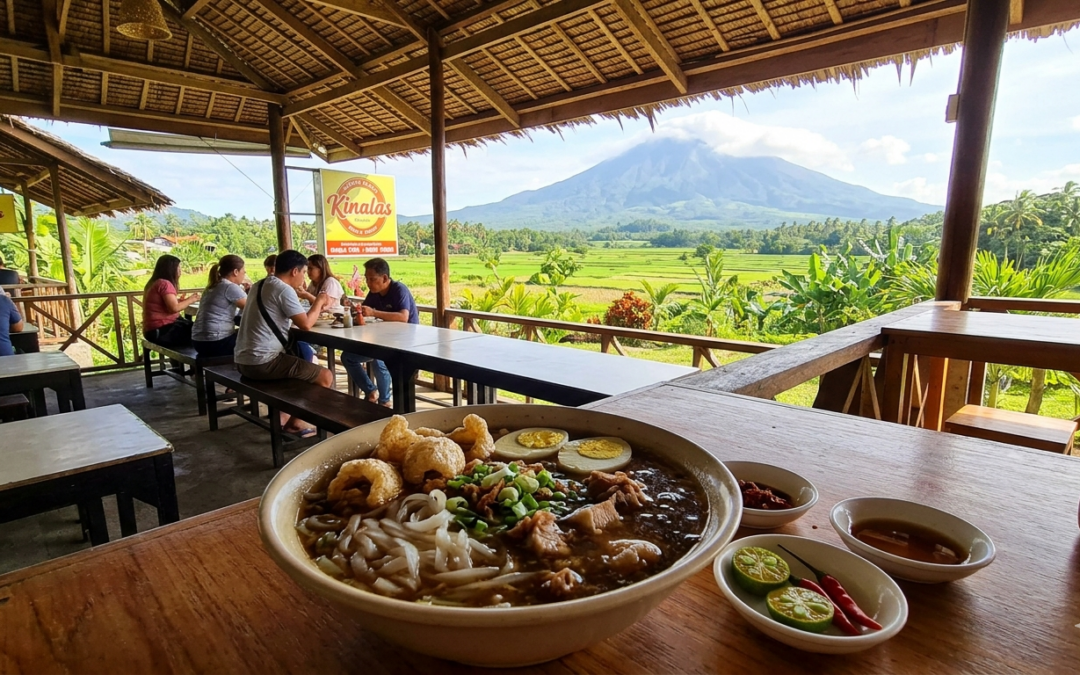
Kansi is a traditional Filipino soup known for its savory flavor, often prepared with beef, vegetables, and souring agents like batwan or kalamansi. This article explores the nutritional components of Kansi, its food group contributions, and considerations for safe consumption. Information aligns with Philippine food safety and labeling standards from the Department of Health (DOH) and the Food and Drug Administration (FDA Philippines).
Ingredients and Macronutrient Content
Typical Kansi recipes include beef shank, bone marrow, lemongrass, vegetables (e.g., eggplant, string beans), and souring agents.
- Protein: Beef provides high-quality protein necessary for tissue maintenance.
- Fat: Fat content varies with the cut of meat; marrow and beef trimmings increase saturated and unsaturated fats.
- Carbohydrates: Vegetables and any rice or corn-based thickeners contribute minimal carbohydrates.
- Micronutrients: Kansi ingredients supply iron, zinc, vitamin C (from souring agents), and potassium.
Dietary Considerations
- Kansi can be part of a balanced diet when portioned appropriately and paired with whole grains and vegetables.
- Sodium content may be elevated if salt or fish sauce is added. Moderation is recommended, especially for individuals monitoring sodium intake.
- Bone marrow provides additional fat-soluble nutrients but may be calorie-dense.
Hypothetical Meal Planning Example (Illustrative Only)
A neutral daily meal including Kansi:
- Breakfast: Brown rice, boiled egg, tomato slices
- Lunch: 1 cup Kansi soup with beef shank and vegetables, small serving of steamed rice
- Snack: Fresh fruit (e.g., papaya)
- Dinner: Grilled fish, sautéed vegetables, small serving of rice
This is an illustrative example for understanding nutrient distribution and does not imply dietary recommendations or guaranteed outcomes.
Context
In nutrition science studies, traditional soups like Kansi contribute both macronutrients and micronutrients. Under consumer protection and labeling standards, nutrient composition depends on ingredient selection, portion size, and preparation methods. Dietary results vary individually, and Kansi may be included safely as part of a varied diet. Licensed nutritionists or medical professionals can provide individualized guidance.
FAQs
What is Kansi?
Kansi is a Filipino sour beef soup, often cooked with bone marrow, vegetables, and souring agents such as batwan or kalamansi.
What nutrients does Kansi provide?
Kansi can supply protein, iron, zinc, vitamin C, and other micronutrients depending on its ingredients.
Is Kansi suitable for balanced meals?
Kansi may be included as part of meals that combine protein, vegetables, and grains. Nutrient intake varies based on preparation and portion sizes.
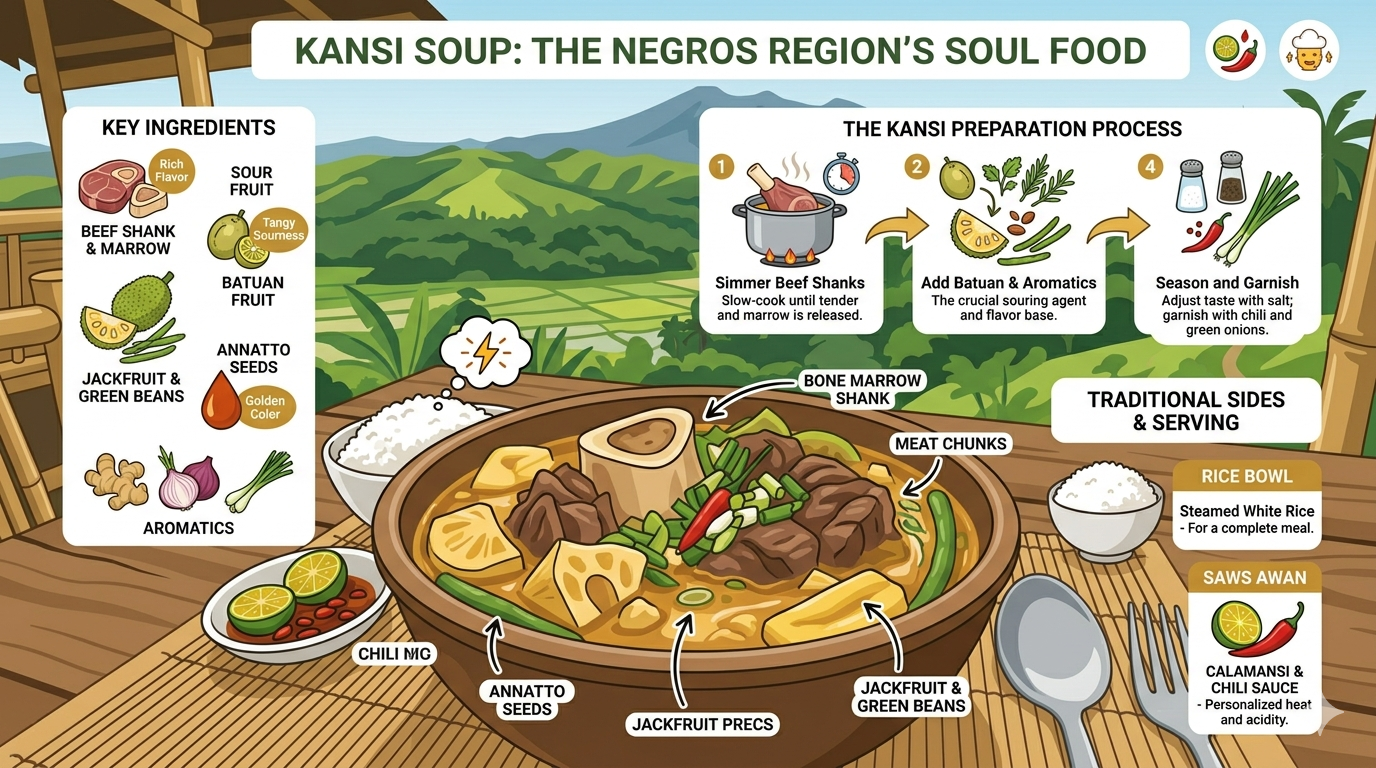
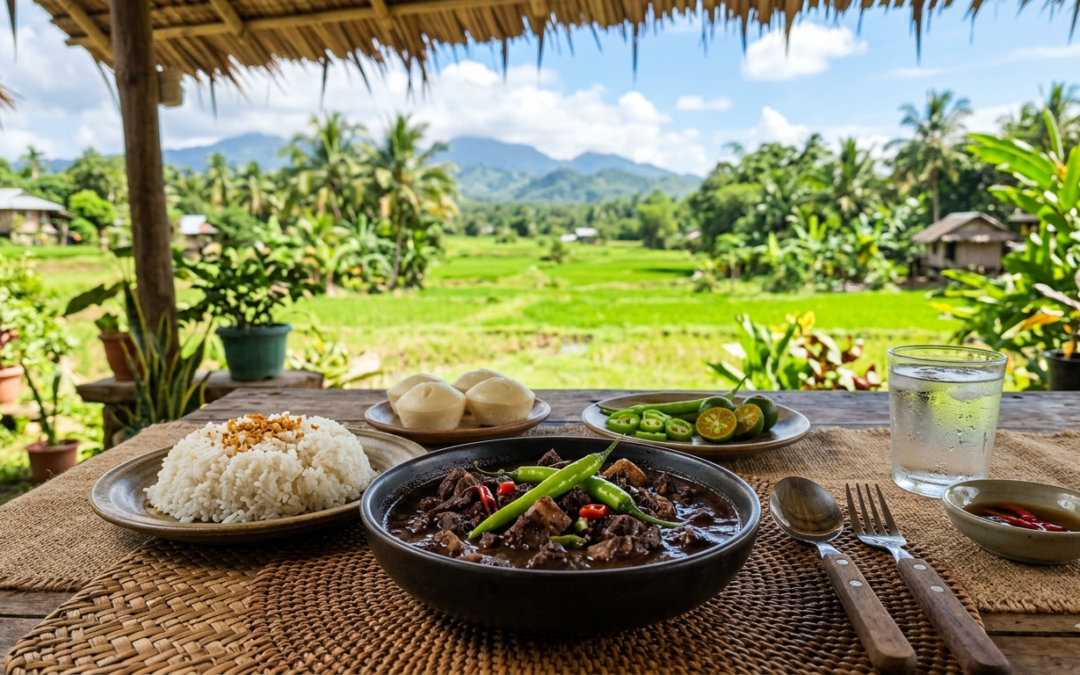
Illustrative infographic displaying Kansi soup ingredients and preparation components
Trusted Sources
- Department of Health (DOH) Philippines: Nutrition Guidelines
- FDA Philippines: Food Safety and Labeling Advisories
- Philippine Food Composition Tables, Food and Nutrition Research Institute (FNRI)
Mandatory Disclaimer
This article is for general informational and educational purposes only. It does not constitute professional medical, nutrition, or dietary advice. References to foods, ingredients, or meals do not imply endorsement or guarantee of health outcomes. Readers are encouraged to consult licensed nutritionists, dietitians, or medical professionals for personalized guidance.