Ilocos Longganisa: A Nutritional and Food Profile Overview
A neutral look at ingredients, preparation, and dietary considerations
This article provides an educational overview of Ilocos Longganisa, a traditional Filipino sausage known for its distinct flavor profile. It explains typical ingredients, preparation methods, and general nutrition considerations, in line with food safety and labeling guidance from the Food and Drug Administration and the Department of Health.
What Is Ilocos Longganisa?
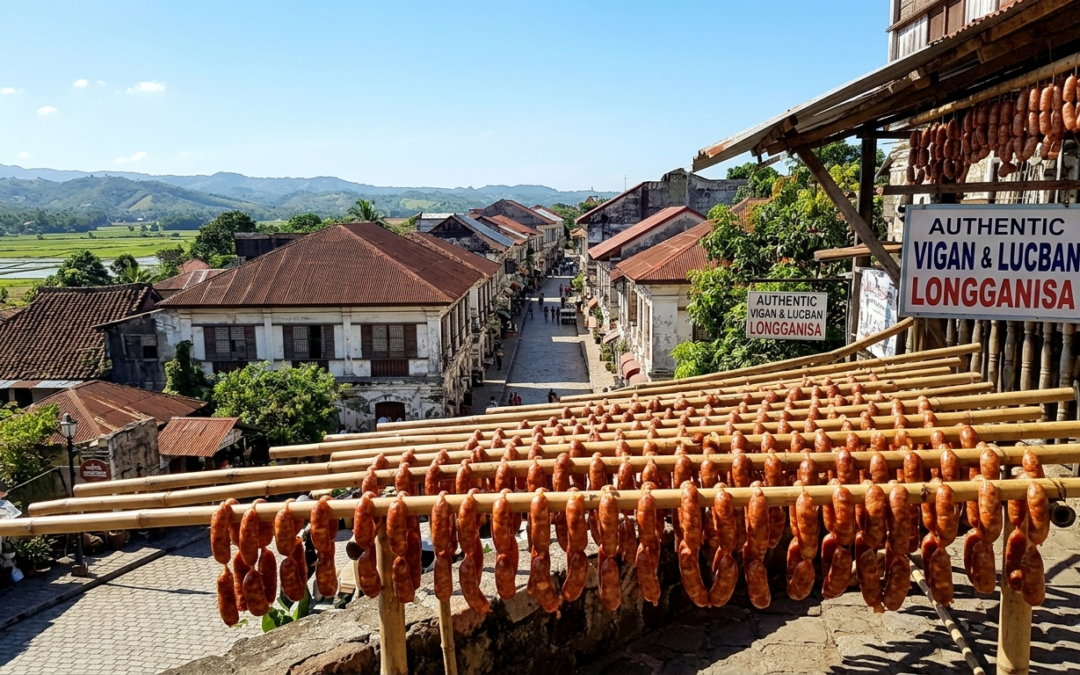
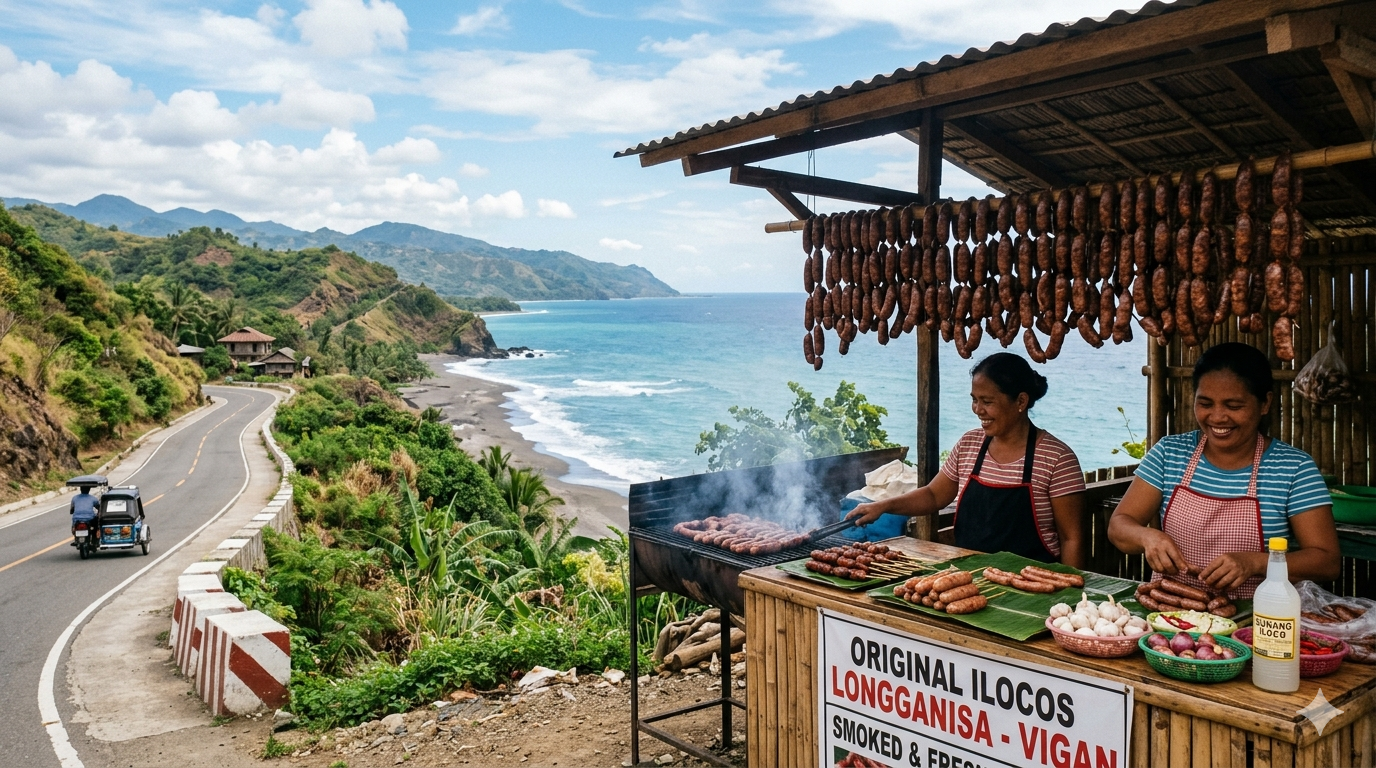
Ilocos longganisa is a regional variety of Filipino sausage originating from the Ilocos region. It is commonly characterized as:
- Garlic-forward (“bawang”) flavor
- Slightly sour or tangy taste (often from vinegar)
- Typically not sweet, unlike some other regional variants
It is usually prepared by curing ground meat and forming it into small sausage links or patties.
Common Ingredients
Ingredients may vary by household or producer, but often include:
- Ground pork
- Garlic
- Vinegar
- Salt
- Black pepper
Some variations may include natural casing, while others are skinless.
Typical Cooking Methods
Ilocos longganisa is commonly:
- Pan-fried in its own fat
- Cooked until browned on the outside
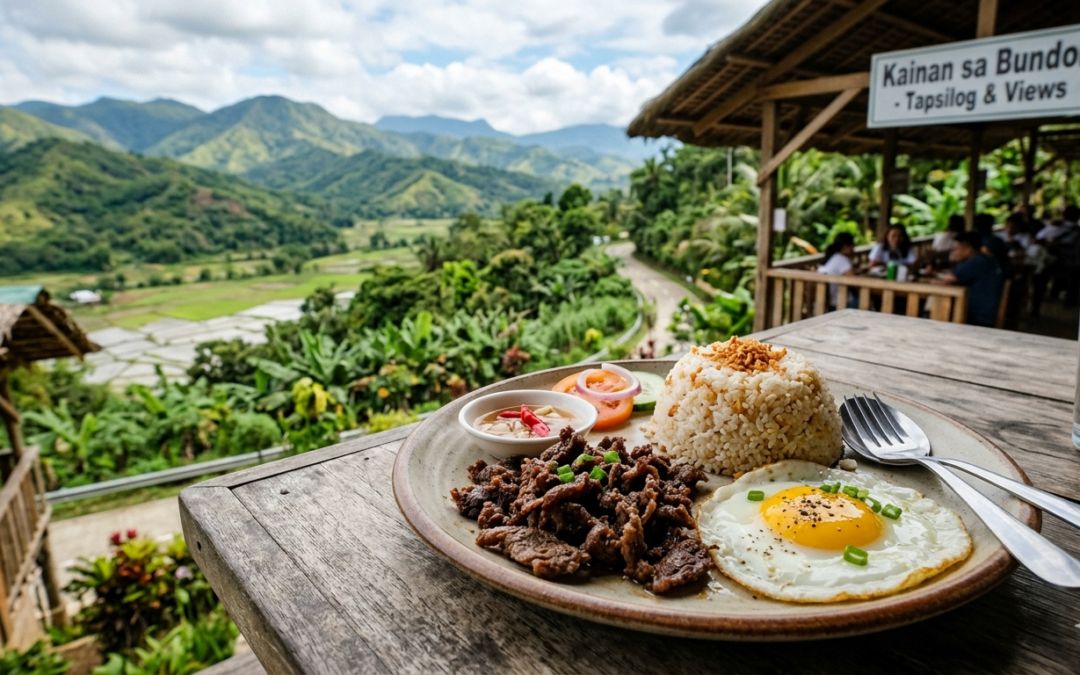
It is often served as part of a traditional meal with:
- Rice
- Fried egg
- Optional vinegar dipping sauce
General Nutritional Considerations
As a processed meat product, longganisa may contain:
- Protein from pork
- Fat, including saturated fat depending on preparation
- Sodium from salt and curing ingredients
Nutrient composition varies depending on the recipe and portion size. Processed meats are generally consumed in moderation as part of a varied diet.
Portion Awareness and Meal Context
In meal planning contexts, longganisa is often paired with:
- Carbohydrate sources (e.g., rice)
- Additional protein (e.g., egg)
- Fruits or vegetables (to add dietary variety)
This type of combination reflects general dietary patterns rather than specific nutritional outcomes.
Food Safety and Label Awareness
Under the Consumer Act of the Philippines, packaged versions of longganisa should include:
- Ingredient lists
- Nutrition information (if applicable)
- Manufacturer or distributor details
Consumers are encouraged to:
- Check storage instructions (e.g., refrigeration)
- Observe expiration dates
- Ensure products are sourced from compliant food producers
Context
In nutrition science, processed meats are often discussed in terms of their fat and sodium content. Dietary guidelines typically emphasize variety and moderation across food groups rather than reliance on any single food item.
Local food products such as Ilocos longganisa are part of cultural dietary patterns. Individual dietary needs vary based on factors such as age, activity level, and overall eating habits. Consultation with qualified nutrition professionals may help tailor dietary choices.
FAQs
What makes Ilocos longganisa different from other longganisa?
It is commonly known for its strong garlic flavor and lack of sweetness. Some versions also have a slightly tangy taste due to vinegar.
Is Ilocos longganisa considered processed meat?
Yes. It is typically made through curing and seasoning, which classifies it as a processed meat product.
How is Ilocos longganisa usually served?
It is often served with rice and egg as part of a traditional Filipino breakfast meal.
Trusted Sources
- Department of Health — Food and nutrition guidance
- Food and Drug Administration — Food safety and labeling
- World Health Organization — General dietary principles
- Academic references on processed meats and nutrition
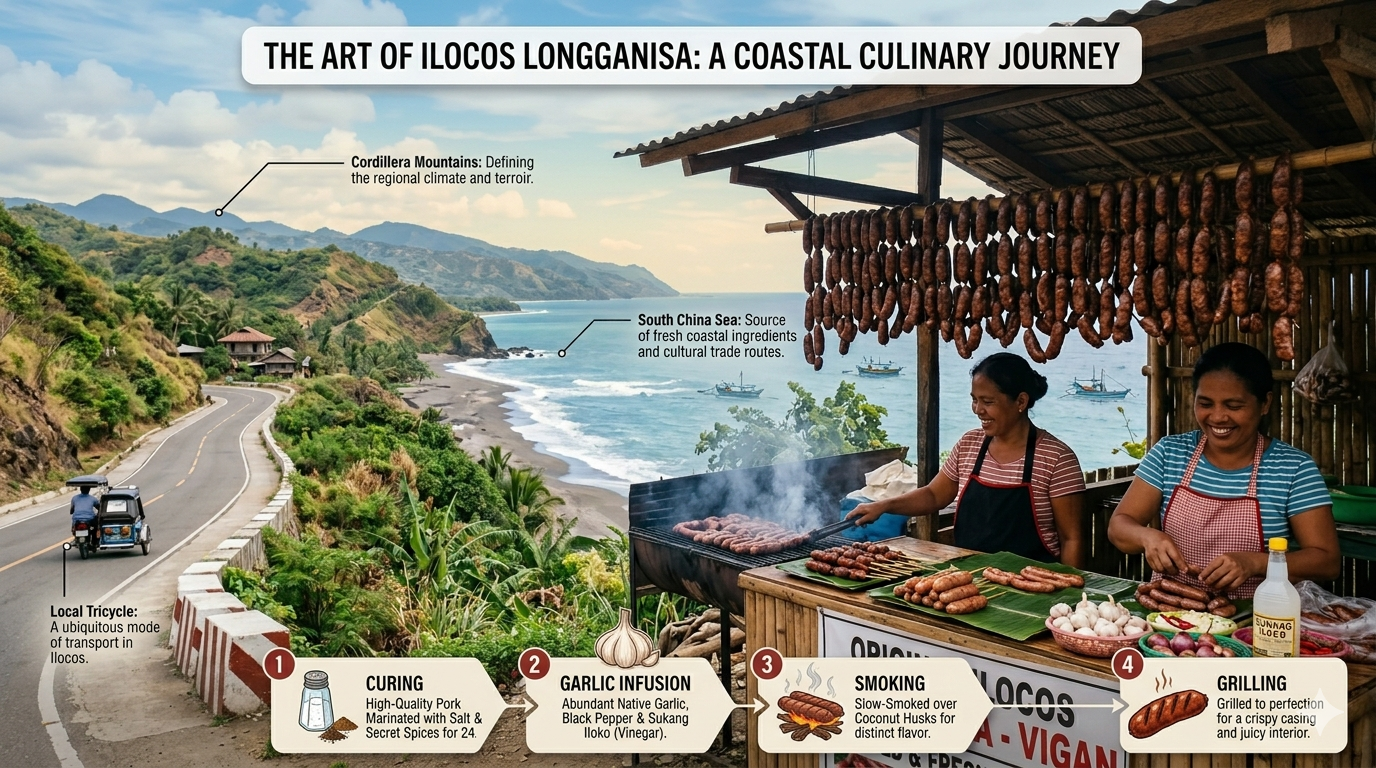
Visual breakdown of Ilocos longganisa components and preparation
Disclaimer
This article is for general informational and educational purposes only. It does not constitute professional medical, nutrition, or dietary advice. References to foods or dietary patterns do not imply endorsement or guarantee of health outcomes. Readers are encouraged to consult licensed nutritionists, dietitians, or medical professionals for personalized guidance.