Chicken Inasal: Nutritional Overview of a Popular Bacolod Dish
A neutral exploration of the ingredients, macronutrient composition, and food safety considerations of Chicken Inasal.
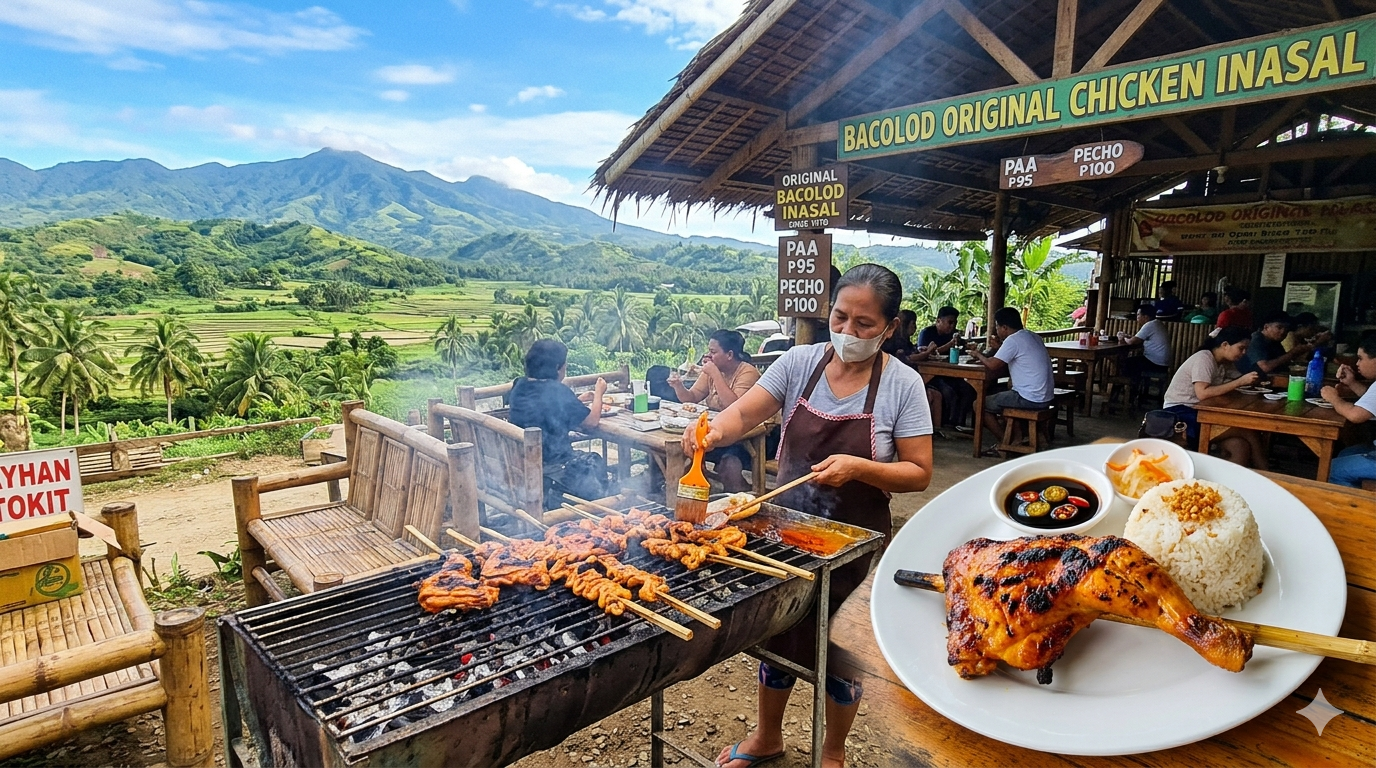
Chicken Inasal is a grilled chicken dish originating from Bacolod City, known for its marinated meat and distinct cooking style. This article provides an educational overview of its typical ingredients, nutritional aspects, and considerations for safe preparation under Philippine food safety standards. References to nutrition and consumer protection are aligned with DOH, FDA Philippines, and DTI guidelines.
1. Ingredients and Preparation
Chicken Inasal typically involves:
- Chicken parts (commonly thighs or drumsticks)
- Marinade: vinegar, calamansi juice, garlic, lemongrass, annatto oil, and minimal salt
- Cooking method: charcoal grilling
The marinade and grilling method influence nutrient retention, particularly protein, vitamins, and minerals.
2. Nutritional Composition (Illustrative, Hypothetical)
A standard serving (~150 g cooked chicken) may contain approximately:
- Protein: 28–30 g
- Fat: 8–10 g (mostly from skin and marinade oil)
- Carbohydrates: 0–2 g (minimal sugar in marinade)
- Sodium: variable depending on salt content in marinade
Chicken Inasal provides high-quality protein, essential amino acids, and some micronutrients like iron and zinc. Fat content is moderate and depends on portion and skin consumption.
3. Food Safety and Handling
Under FDA Philippines and DOH food safety guidance:
- Marinated chicken should be stored below 5°C prior to cooking.
- Grilling should reach an internal temperature of at least 74°C to ensure microbial safety.
- Avoid cross-contamination with raw poultry surfaces and utensils.
4. Portion Awareness
Hypothetical meal planning can include Chicken Inasal as part of a balanced meal:
- Grilled chicken portion (~100–150 g)
- Served with steamed rice (50–100 g cooked)
- Side of grilled or steamed vegetables for fiber and micronutrients
This approach illustrates nutrient balance without implying health or weight outcomes.
Context
In nutrition science studies, grilled poultry provides essential protein with moderate fat content. Under consumer protection and labeling standards, Chicken Inasal’s nutrient values can vary depending on portion, marinade composition, and cooking method. Dietary results vary individually, and consumers are encouraged to consult licensed nutrition or medical professionals for personalized guidance.
FAQs
What is Chicken Inasal?
Chicken Inasal is a grilled chicken dish from Bacolod, Philippines, known for its marinated preparation and charcoal grilling.
What nutrients does it provide?
It is primarily a source of protein and provides some vitamins and minerals, such as iron and zinc. Fat content varies depending on skin and marinade oil.
Is it safe to prepare at home?
Yes, if raw chicken is stored and cooked properly, reaching an internal temperature of at least 74°C, and cross-contamination is avoided.
Trusted Sources
- Department of Health, Philippines: Food Safety guideliness
- FDA Philippines: Safe Food Handling
- Academic nutrition references: Peer-reviewed journals on poultry nutrition and food safety
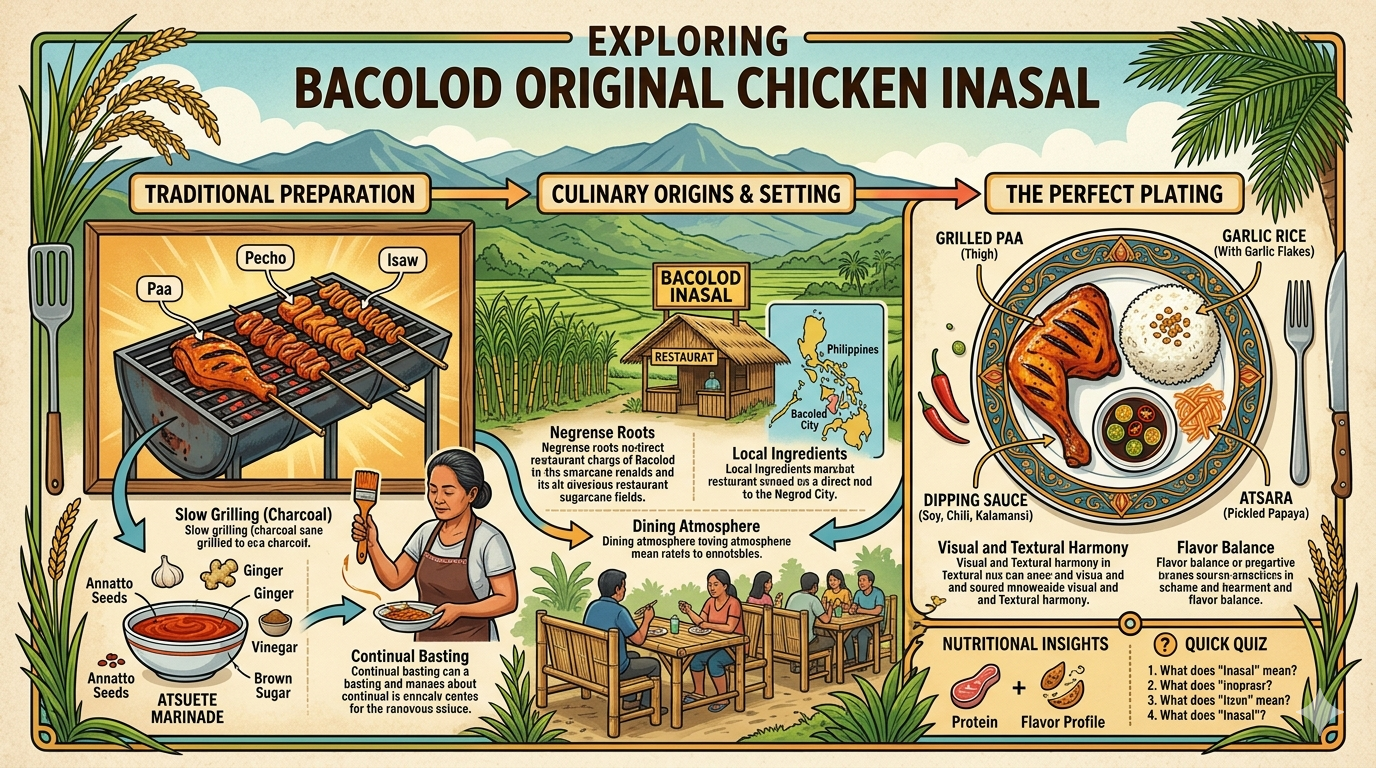
Descriptive infographic of Chicken Inasal ingredients and typical macronutrient composition.
Disclaimer
This article is for general informational and educational purposes only. It does not constitute professional medical, nutrition, or dietary advice. References to foods or preparation methods do not imply endorsement or guarantee of health outcomes. Readers are encouraged to consult licensed nutritionists, dietitians, or medical professionals for personalized guidance.