Understanding Cansi: Nutritional Overview of a Filipino Soup
A neutral overview of Cansi, its ingredients, and dietary considerations.
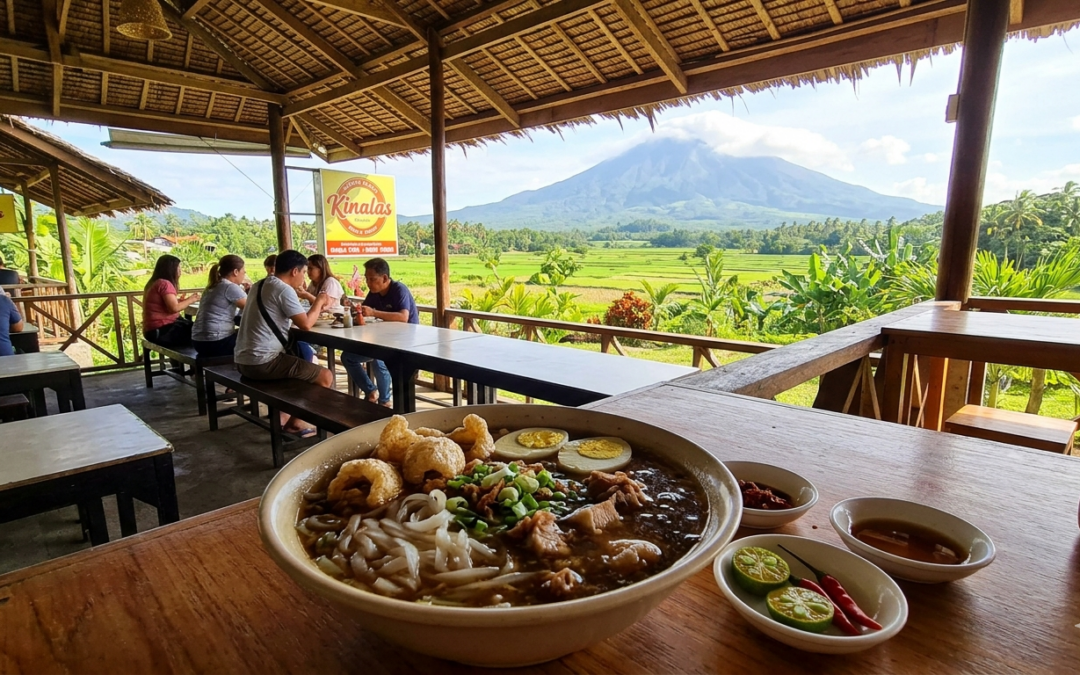
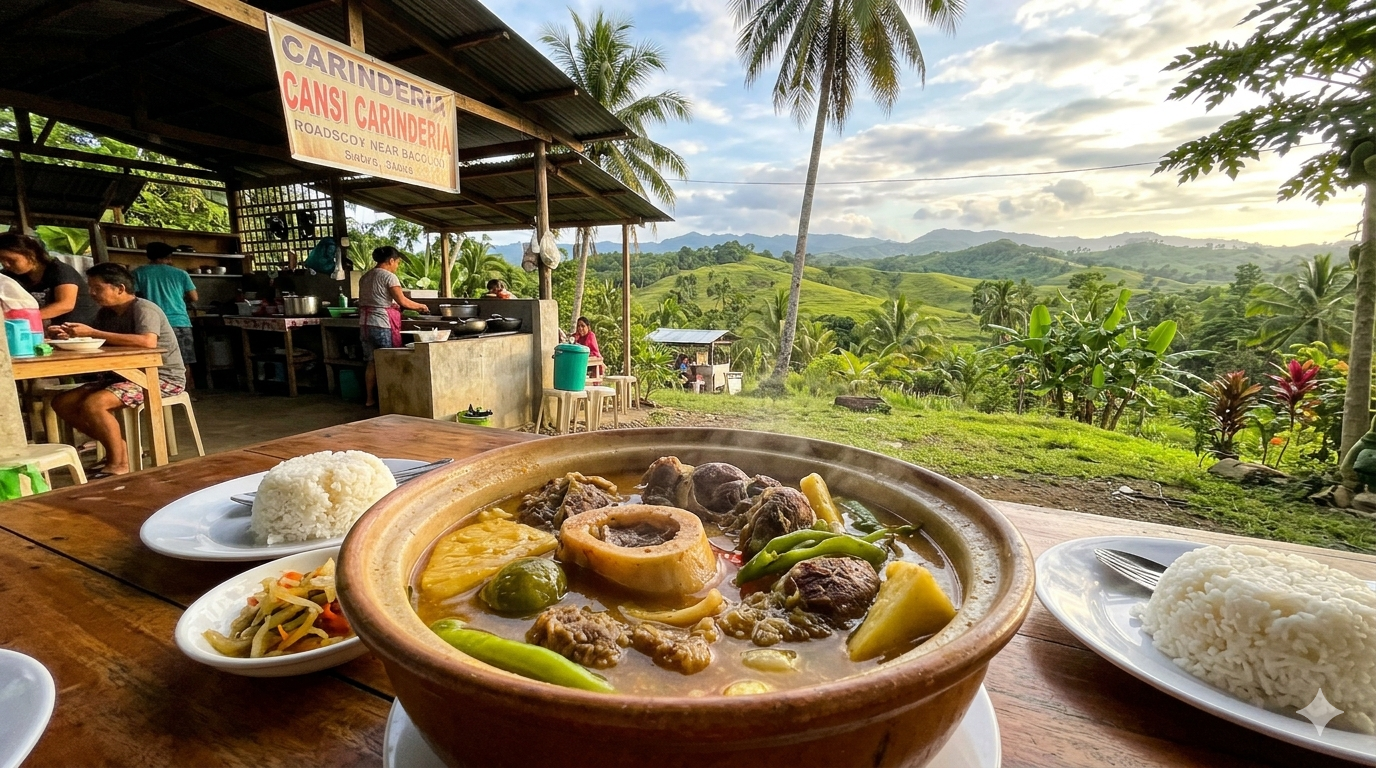
Cansi is a traditional Filipino soup, commonly made with beef shank or bone-in meat, flavored with a souring agent such as batuan or tamarind, and often cooked with vegetables like banana blossoms and green leafy vegetables. This article provides an educational look at Cansi’s nutritional composition, ingredient balance, and considerations for meal planning, aligning with Philippine food safety standards from the DOH and FDA Philippines.
Nutritional Components of Cansi
Cansi typically contains the following nutrient sources:
- Protein: Primarily from beef or other meat cuts. Protein is essential for tissue maintenance and overall bodily functions.
- Fats: Present in meat, with saturated and unsaturated fatty acids. Fat contributes to energy intake and supports absorption of fat-soluble vitamins.
- Carbohydrates: Vegetables and any added starchy ingredients (e.g., corn or root vegetables) provide complex carbohydrates and dietary fiber.
- Micronutrients:
- Iron and zinc from beef
- Vitamin C from souring agents like batuan or tamarind
- Potassium and magnesium from vegetables
Dietary Fiber and Hydration
The inclusion of vegetables such as banana blossoms, green leafy vegetables, or tomatoes adds dietary fiber, which supports digestive health. Being a soup-based dish, Cansi also contributes to daily fluid intake.
Hypothetical Meal Planning Consideration
A neutral example of incorporating Cansi into a daily meal plan might include:
- Breakfast: Oatmeal with fruit slices
- Mid-morning snack: Fresh fruit or vegetable sticks
- Lunch: Cansi with 1 cup of rice and a side of green vegetables
- Afternoon snack: Nuts or boiled corn
- Dinner: Grilled fish with steamed vegetables
This example illustrates portion balance and nutrient variety without implying specific health outcomes.
Context
In nutrition science studies, soups like Cansi are considered nutrient-dense when prepared with a variety of vegetables and lean meat. Under consumer protection and labeling standards, the composition of meals can vary depending on ingredient choices and portion sizes. Diet planning typically involves nutrient balance and moderation, and results such as energy intake or weight change will vary individually. Licensed nutritionists or dietitians can provide personalized guidance for those requiring specific nutrient adjustments.
FAQs
What is Cansi?
Cansi is a Filipino beef soup characterized by its sour flavor, typically derived from tamarind or batuan, and often includes vegetables and bone-in meat.
What nutrients are found in Cansi?
Cansi contains protein from meat, fats from beef, dietary fiber from vegetables, and micronutrients like iron, zinc, potassium, and vitamin C.
How can Cansi fit into a balanced diet?
Cansi can be part of a meal that includes whole grains, fruits, and additional vegetables, providing a combination of protein, fats, carbohydrates, and micronutrients.
Trusted Sources
- Department of Health Philippines. “Healthy Eating and Food Safety Guidelines.”
- Food and Drug Administration Philippines. “Nutrition Labeling Requirements for Packaged Foods.”
- Philippine Journal of Nutrition and Dietetics, peer-reviewed articles on Filipino soups and nutrient composition.
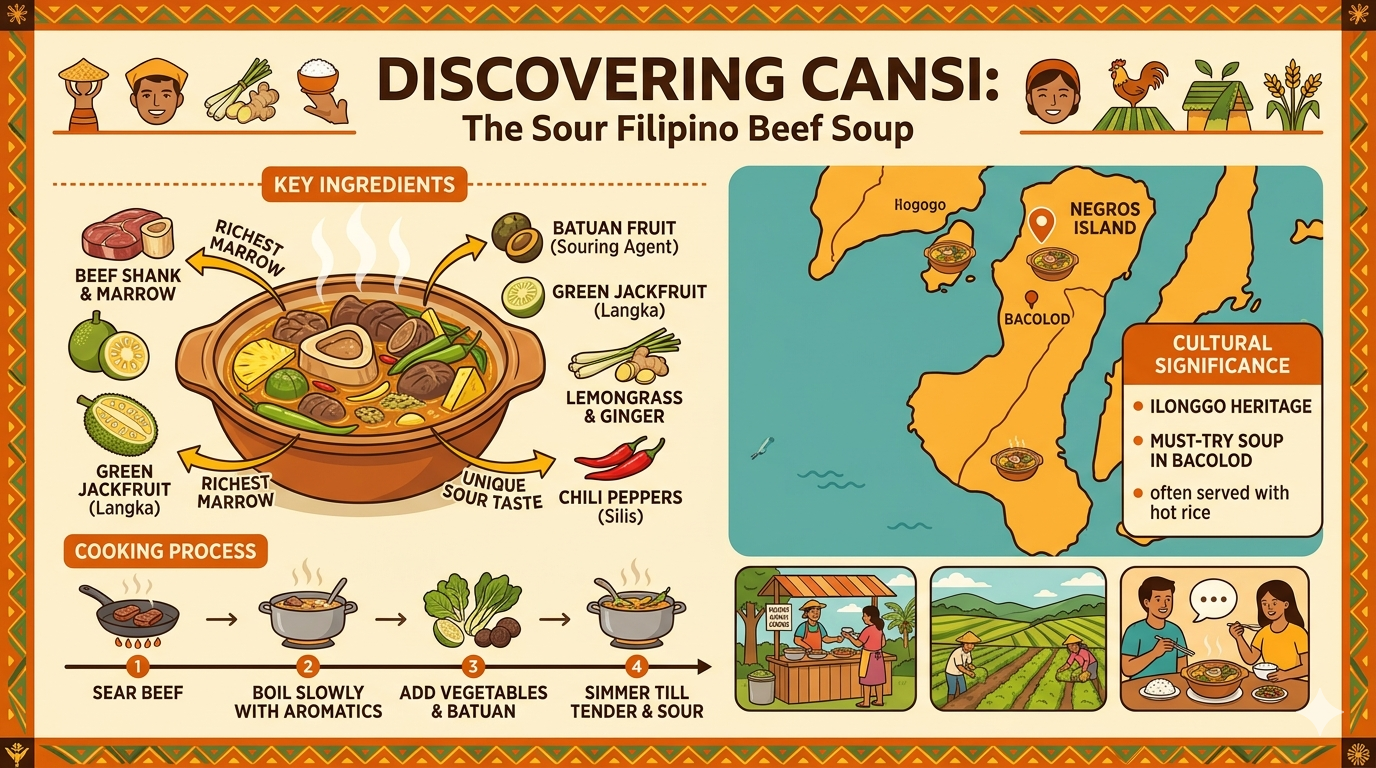
Infographic depicting the components and cooking steps of Cansi soup
Mandatory Disclaimer
This article is for general informational and educational purposes only. It does not constitute professional medical, nutrition, or dietary advice. References to foods or dishes do not imply endorsement or guarantee of health outcomes. Readers are encouraged to consult licensed nutritionists, dietitians, or medical professionals for personalized guidance.