Binakol: Traditional Filipino Chicken Soup
A neutral overview of ingredients, nutritional aspects, and food preparation practices.
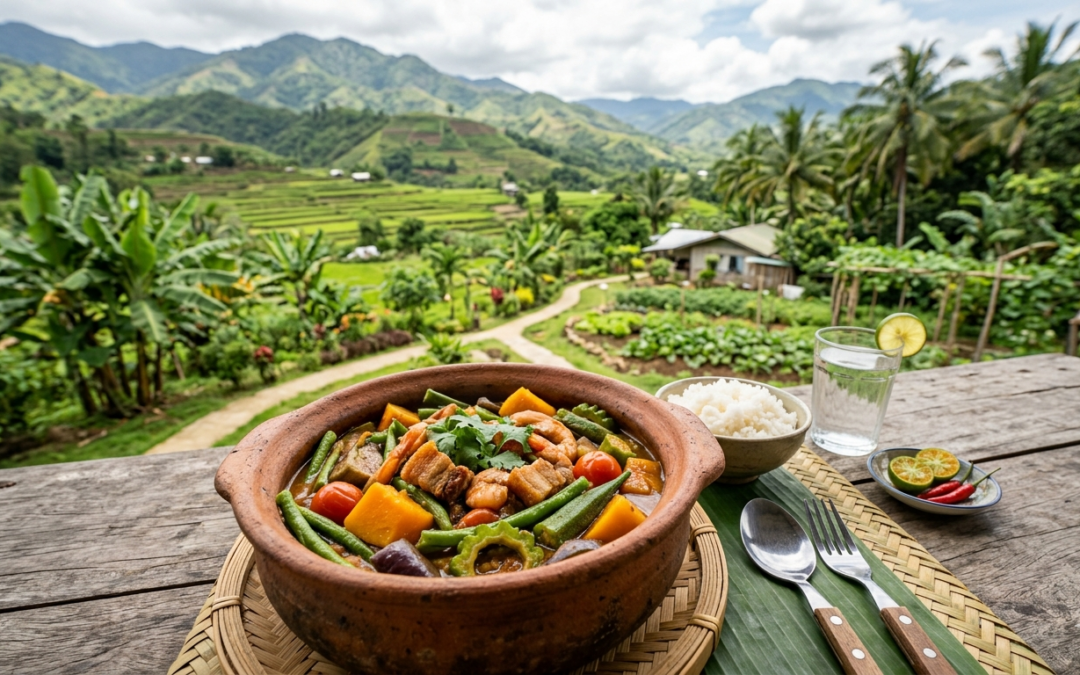
Binakol is a traditional Filipino chicken soup, commonly associated with the Visayan region. It typically uses chicken cooked with coconut water, vegetables, and native seasonings. This article provides an educational overview of Binakol, including its nutritional components, typical ingredients, and considerations for safe preparation, in line with Philippine food safety and labeling standards.
Ingredients and Food Groups
A standard Binakol recipe includes:
- Protein: Chicken, often with bones for flavor and nutrients
- Vegetables: Chayote, green papaya, and leafy greens
- Liquids: Coconut water and sometimes a small amount of coconut meat
- Seasonings: Onion, garlic, ginger, and salt
From a nutritional perspective:
- Chicken provides protein and essential amino acids.
- Vegetables contribute fiber, vitamins (such as vitamin C), and minerals.
- Coconut water contains electrolytes like potassium and magnesium.
Hypothetical Nutritional Composition
A typical serving (approx. 250–300 ml) may include:
- Calories: ~120–150 kcal
- Protein: ~10–15 g
- Carbohydrates: ~8–12 g (from vegetables)
- Fat: ~5–7 g (mostly from coconut water and chicken fat)
- Sodium: Variable, depending on added salt
This is an illustrative estimate; actual nutrient content varies based on ingredient amounts and preparation methods.
Safe Preparation Practices
- Use fresh, properly stored chicken to minimize microbial contamination.
- Wash vegetables thoroughly under running water.
- Cook the soup to reach a safe internal temperature (minimum 74°C / 165°F for chicken).
- Maintain clean utensils and surfaces during preparation to comply with DOH and FDA Philippines food safety recommendations.
Context
In nutrition science studies, soups like Binakol are considered nutrient-dense, low-calorie meals, especially when paired with vegetables. Under consumer protection and labeling standards, foods prepared at home or commercially must follow safe handling practices and accurate ingredient disclosures. Dietary results and nutrient intake may vary individually based on portion size and overall diet. Licensed nutrition professionals can provide guidance for specific dietary needs.
FAQs
What is Binakol?
Binakol is a Filipino chicken soup cooked in coconut water with vegetables and seasonings, commonly prepared in the Visayas region.
What nutrients does Binakol provide?
It provides protein from chicken, vitamins and fiber from vegetables, and electrolytes from coconut water.
Is Binakol suitable for daily consumption?
As a traditional soup, it can be part of a balanced diet, though nutrient intake varies individually depending on portion size and overall diet.
Trusted Sources
- Department of Health Philippines – Food Safety Guidelines
- FDA Philippines – Safe Food Handling and Labeling
- Academic journals on Philippine culinary practices and nutrition

Infographic detailing Binakol ingredients and cooking process.
Mandatory Disclaimer
This article is for general informational and educational purposes only. It does not constitute professional medical, nutrition, or dietary advice. References to foods or recipes do not imply endorsement or guarantee of health outcomes. Readers are encouraged to consult licensed nutritionists, dietitians, or medical professionals for personalized guidance.