Bibingka Laguna Style: A Neutral Educational Overview
Understanding its ingredients, preparation, and nutritional context in the Philippines
This article provides an informational overview of Bibingka Laguna style, a traditional Filipino rice cake. It describes typical ingredients, preparation methods, and nutritional considerations. The discussion is aligned with DOH and FDA guidance for safe food handling and labeling. Readers will learn about its macronutrient and micronutrient components, as well as considerations for portioning and dietary balance.
What is Bibingka Laguna Style?
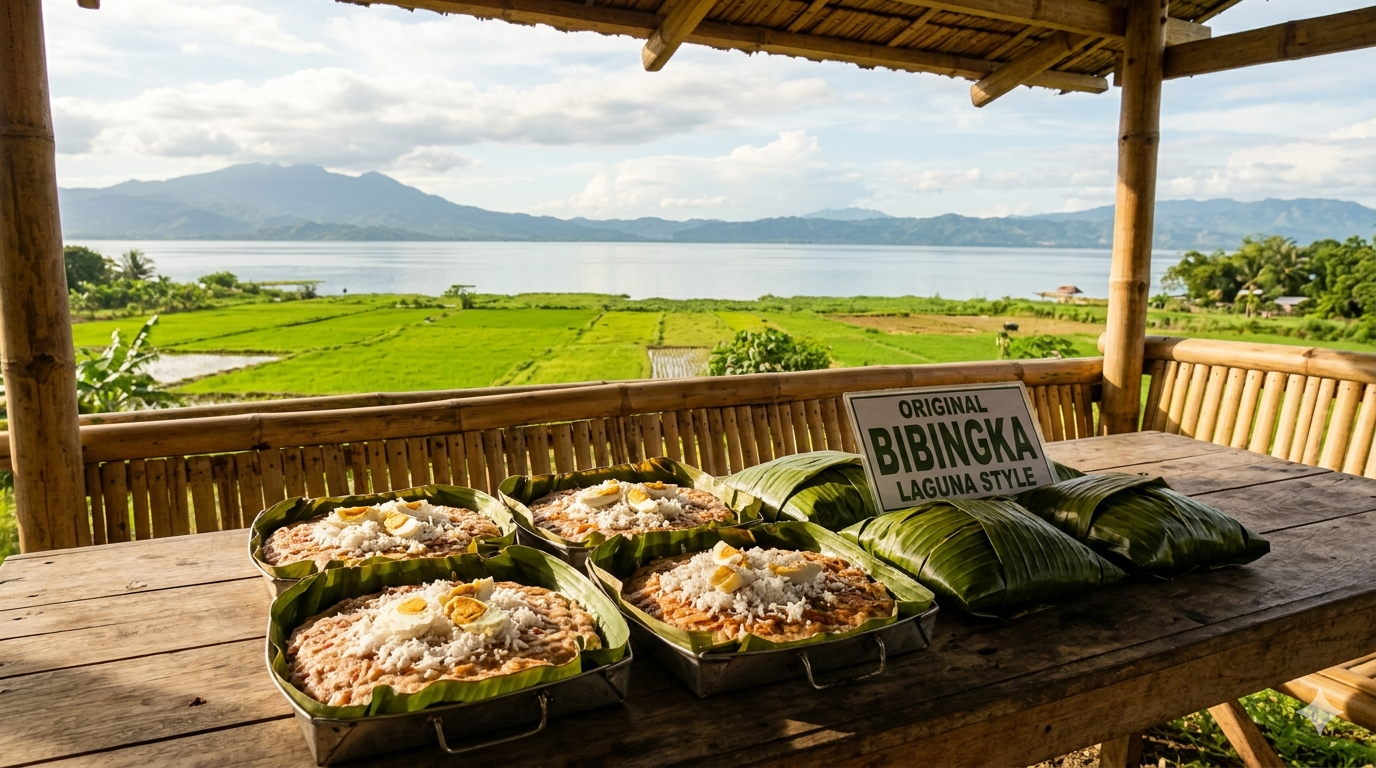
Bibingka Laguna style is a type of rice cake originating from the province of Laguna in the Philippines. It is typically made with rice flour, coconut milk, sugar, eggs, and a leavening agent. Traditional preparation often involves baking in banana leaves, which can add aroma and flavor without introducing synthetic additives.
Key Ingredients and Nutritional Notes
- Rice flour: Provides carbohydrates as the primary energy source.
- Coconut milk: Supplies fats, mainly medium-chain triglycerides, and some calories.
- Sugar: Contributes additional carbohydrates and energy.
- Eggs: Offer protein and micronutrients such as vitamin B12 and choline.
- Optional toppings: Cheese, salted eggs, or grated coconut add flavor and minor micronutrients.
Macronutrient Overview (Approximate per serving, 100 g):
- Carbohydrates: 25–30 g
- Protein: 2–4 g
- Fat: 4–6 g
- Fiber: 1–2 g
These values may vary depending on ingredient ratios and preparation methods.
Preparation and Safety Considerations
Under consumer safety standards, proper handling of eggs and dairy is important to reduce the risk of foodborne illness. Baking at appropriate temperatures ensures the rice cake is cooked throughout. Washing and sanitizing equipment and banana leaves can help maintain food hygiene in line with FDA Philippines recommendations.
Portioning and Dietary Context
Bibingka Laguna style is often consumed as a snack or during special occasions. Nutritionally, it can be considered an energy-dense food due to its carbohydrate and fat content. Including it occasionally as part of a varied diet aligns with neutral meal planning principles.
Context
In nutrition science studies, rice cakes such as Bibingka provide primarily carbohydrates and some protein and fat, depending on preparation. Dietary planning typically involves balancing energy intake with other macronutrient sources such as vegetables, fruits, and proteins. Individual nutritional needs vary, and consumption frequency should be considered in the context of overall dietary patterns.
Under Philippine consumer protection and labeling standards, packaged versions of Bibingka should include ingredient lists, allergens (e.g., eggs, dairy), and expiration dates. Consumers are encouraged to verify authenticity and handling practices when purchasing pre-made products.
FAQs
What is Bibingka Laguna style?
It is a traditional rice cake from Laguna, Philippines, usually made with rice flour, coconut milk, eggs, sugar, and sometimes banana leaves.
What nutrients does it provide?
Bibingka primarily supplies carbohydrates and fats, with small amounts of protein and micronutrients from eggs and coconut milk.
Is it considered healthy?
As an energy-dense snack, it can be included in a balanced diet occasionally. Individual dietary needs vary, and portion control may help maintain overall nutrient balance.
Trusted Sources
- Department of Health Philippines – Food Safety Guidelines
- FDA Philippines – Food Labeling and Consumer Advisory
- Academic journals on Filipino rice-based foods and traditional snacks
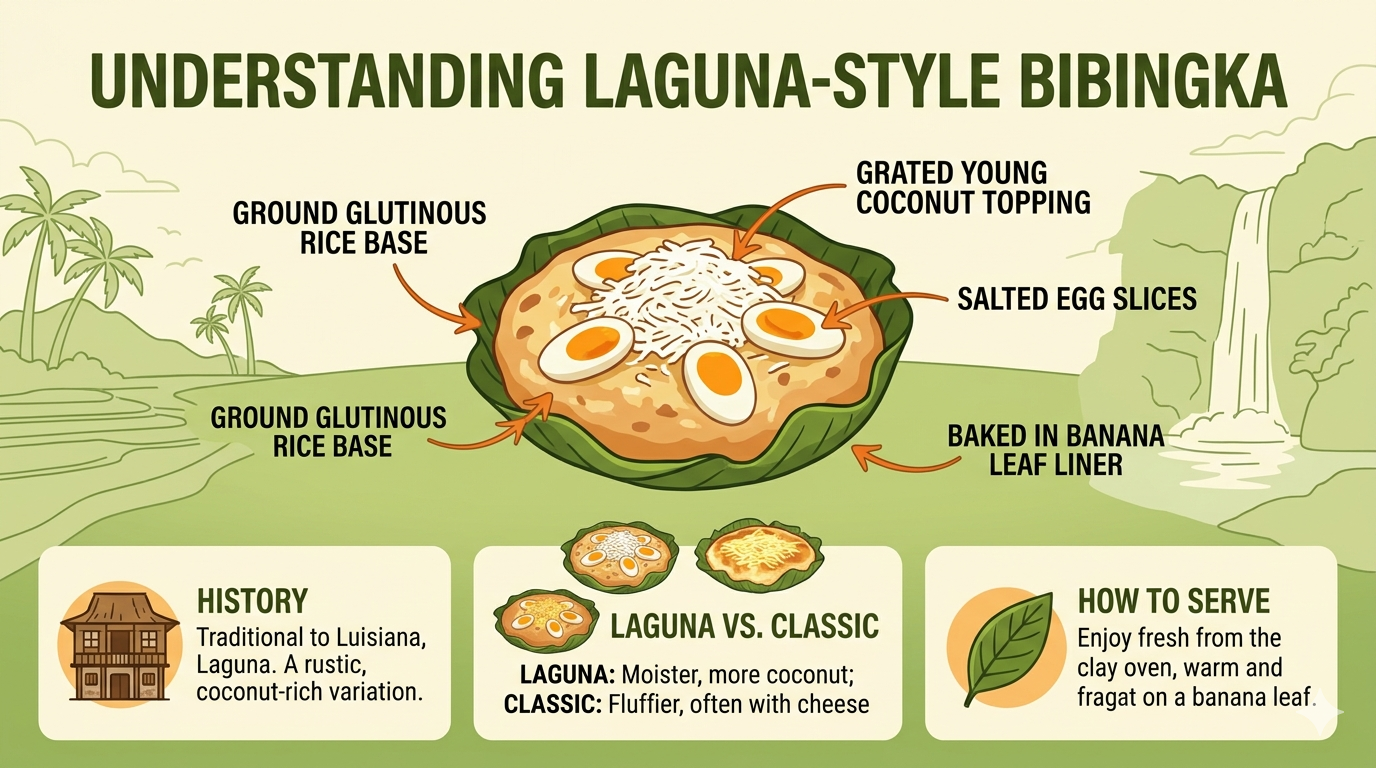
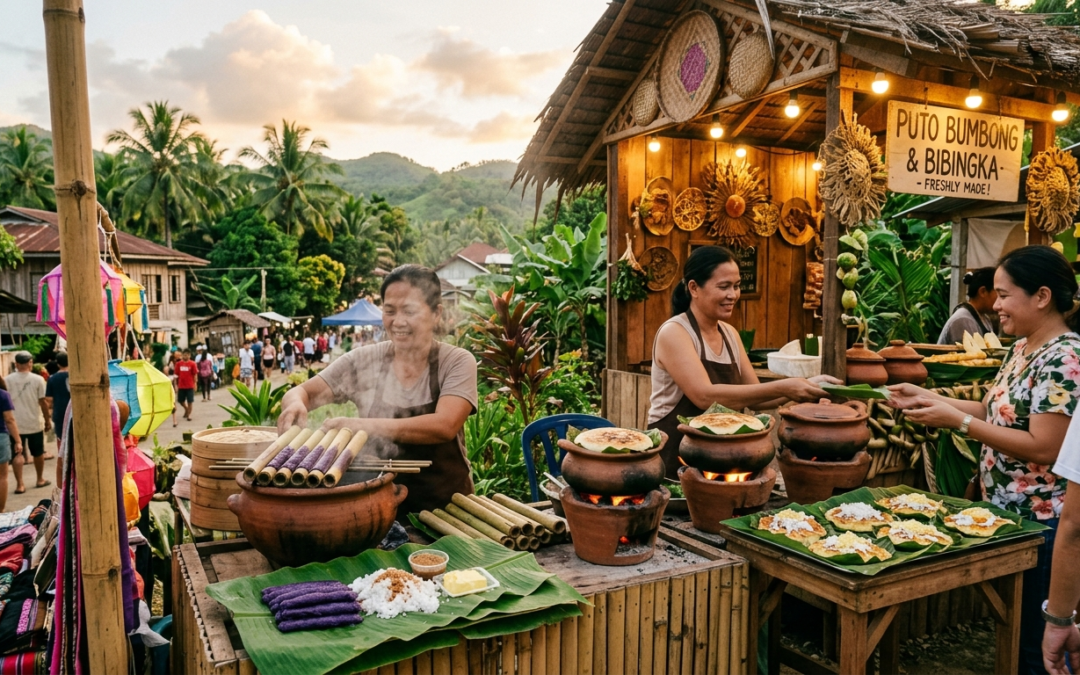
Visual summary of typical ingredients and preparation method for Bibingka Laguna style.
Disclaimer:
This article is for general informational and educational purposes only. It does not constitute professional medical, nutrition, or dietary advice. References to foods do not imply endorsement or guarantee of health outcomes. Readers are encouraged to consult licensed nutritionists, dietitians, or medical professionals for personalized guidance.