Understanding Iloilo Batchoy: A Nutritional Overview
A neutral exploration of Iloilo Batchoy, its ingredients, nutritional aspects, and safe consumption practices.
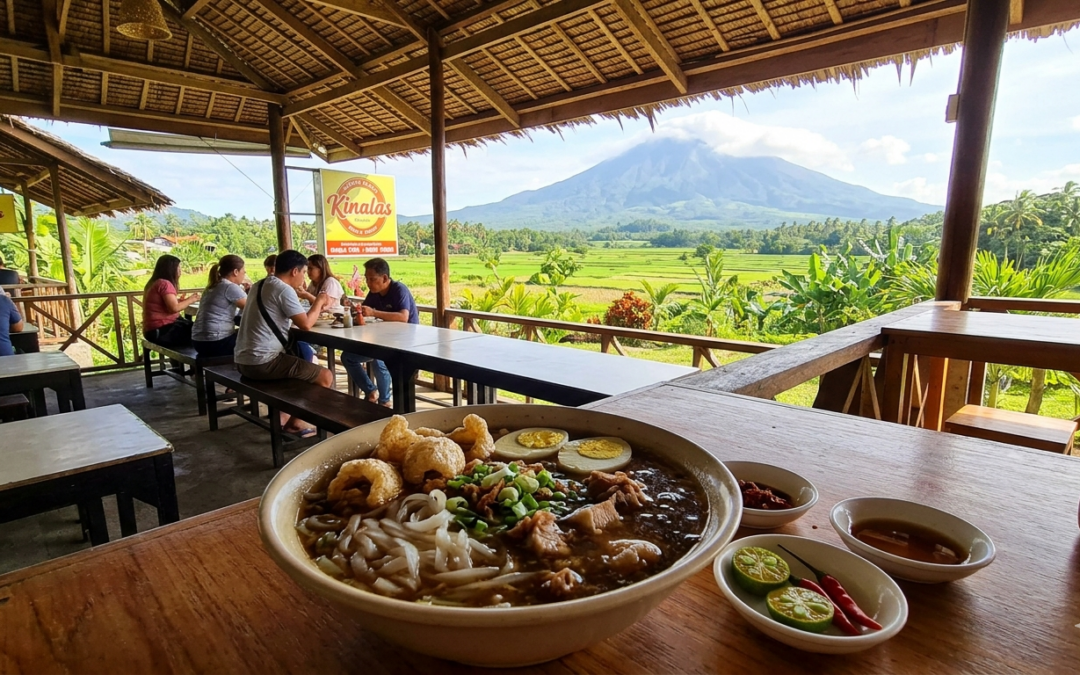
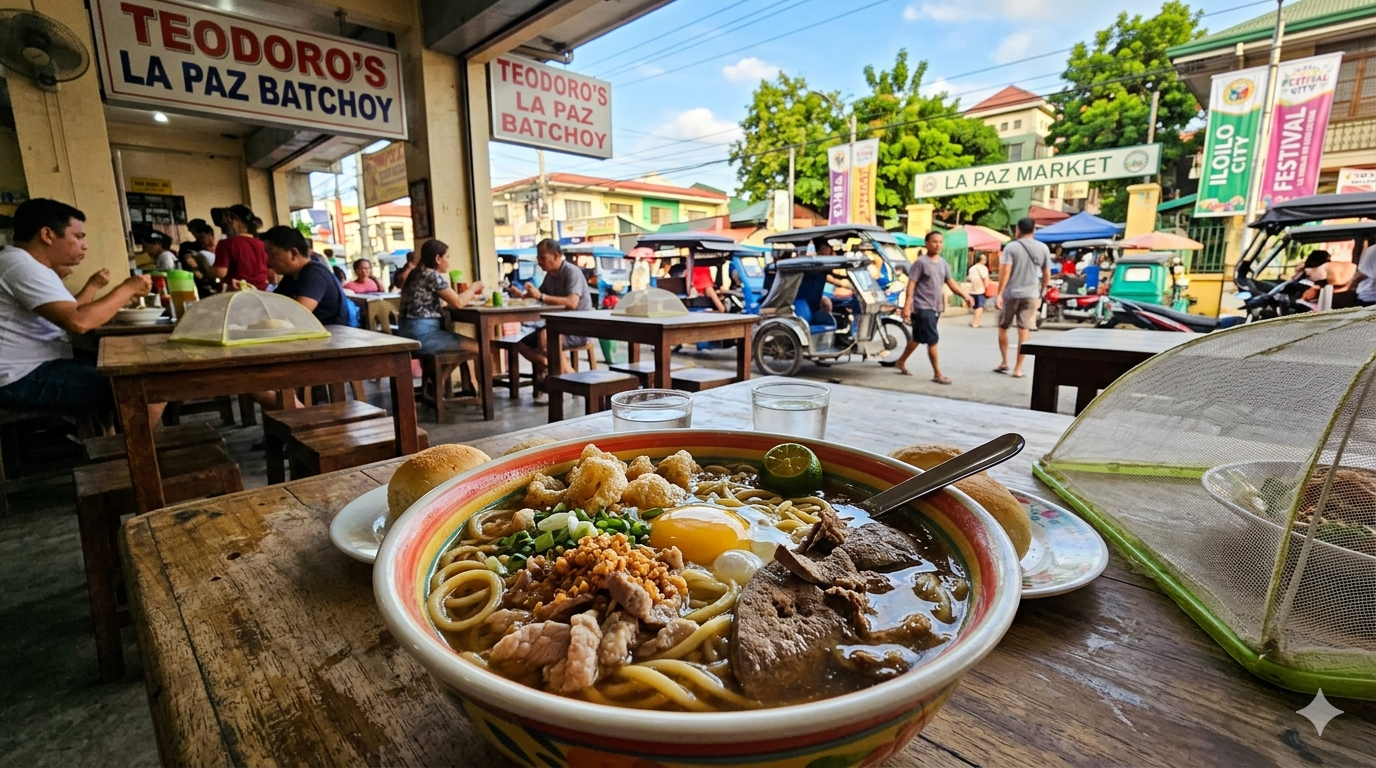
Iloilo Batchoy is a traditional Filipino noodle soup originating from Iloilo City. This article provides a factual overview of its typical ingredients, nutrient composition, and dietary considerations. Information aligns with Philippine consumer safety and labeling standards as monitored by the Department of Health (DOH) and the Food and Drug Administration (FDA). Readers will learn about the main components of Batchoy, macronutrient considerations, and how it fits into a varied diet.
Ingredients Overview
Iloilo Batchoy commonly includes:
- Egg noodles – carbohydrate source providing energy.
- Pork or beef innards – protein source; may also contribute fats.
- Broth – made from simmered bones and meats; contains water, sodium, and minerals.
- Vegetables – sometimes includes cabbage or spring onions, supplying fiber and micronutrients.
- Toppings – crushed chicharrón, fried garlic, or raw egg can add flavor, fat, and protein.
Nutritional Considerations
- Macronutrients: Batchoy contains carbohydrates (from noodles), protein (from meat and egg), and fats (from meat and toppings).
- Micronutrients: Minerals such as iron and phosphorus may be present due to meat and bone broth. Vitamins from vegetables are usually minimal but contribute some dietary fiber.
- Sodium content: Broths and seasonings can increase sodium levels; moderation is recommended for consumers monitoring salt intake.
Safe Consumption Practices
- Ensure meats and innards are cooked thoroughly to avoid foodborne illnesses.
- Limit additional high-sodium condiments if managing blood pressure.
- Consume as part of a varied diet alongside fruits, vegetables, and other nutrient sources.
- Be cautious with portion sizes if monitoring calorie intake; this is for informational purposes only.
Hypothetical Serving Example
A neutral illustration of one serving of Iloilo Batchoy might include:
| Component | Typical Portion | Nutrient Contribution |
|---|---|---|
| Egg noodles | 1 cup | ~40 g carbs |
| Pork innards | 50 g | ~10 g protein, ~5 g fat |
| Broth | 1 cup | ~200 mg sodium, trace minerals |
| Vegetables | ½ cup | ~2 g fiber, vitamins |
| Toppings (egg, chicharrón) | optional | ~3–5 g protein, fat varies |
This example is illustrative only; actual nutrient values vary by recipe and serving size.
Context
In nutrition science studies, traditional dishes like Iloilo Batchoy are appreciated for cultural and culinary significance rather than precise nutrient profiles. Under consumer protection and labeling standards, restaurants and packaged foods must provide accurate ingredient information and observe food safety practices. Dietary outcomes vary individually; readers may consult licensed nutrition or medical professionals for guidance on incorporating such foods safely into their meals.
FAQs
What is Batchoy?
Batchoy is a noodle soup originating from the Visayas region, typically containing meat, broth, and noodles. It is considered a traditional Filipino dish.
What are the main nutrients in Iloilo Batchoy?
It contains carbohydrates, proteins, fats, sodium, and small amounts of micronutrients depending on the ingredients used.
Can Batchoy be part of a balanced diet?
Batchoy can be included in varied meal planning. Nutrient balance depends on portion sizes, additional foods consumed, and individual dietary needs.
Trusted Sources
- Department of Health (DOH Philippines) – Food Safety Guidelines
- Food and Drug Administration Philippines – Food Labeling and Safety Standards
- Food Science and Nutrition Journals – peer-reviewed articles on noodle-based soups
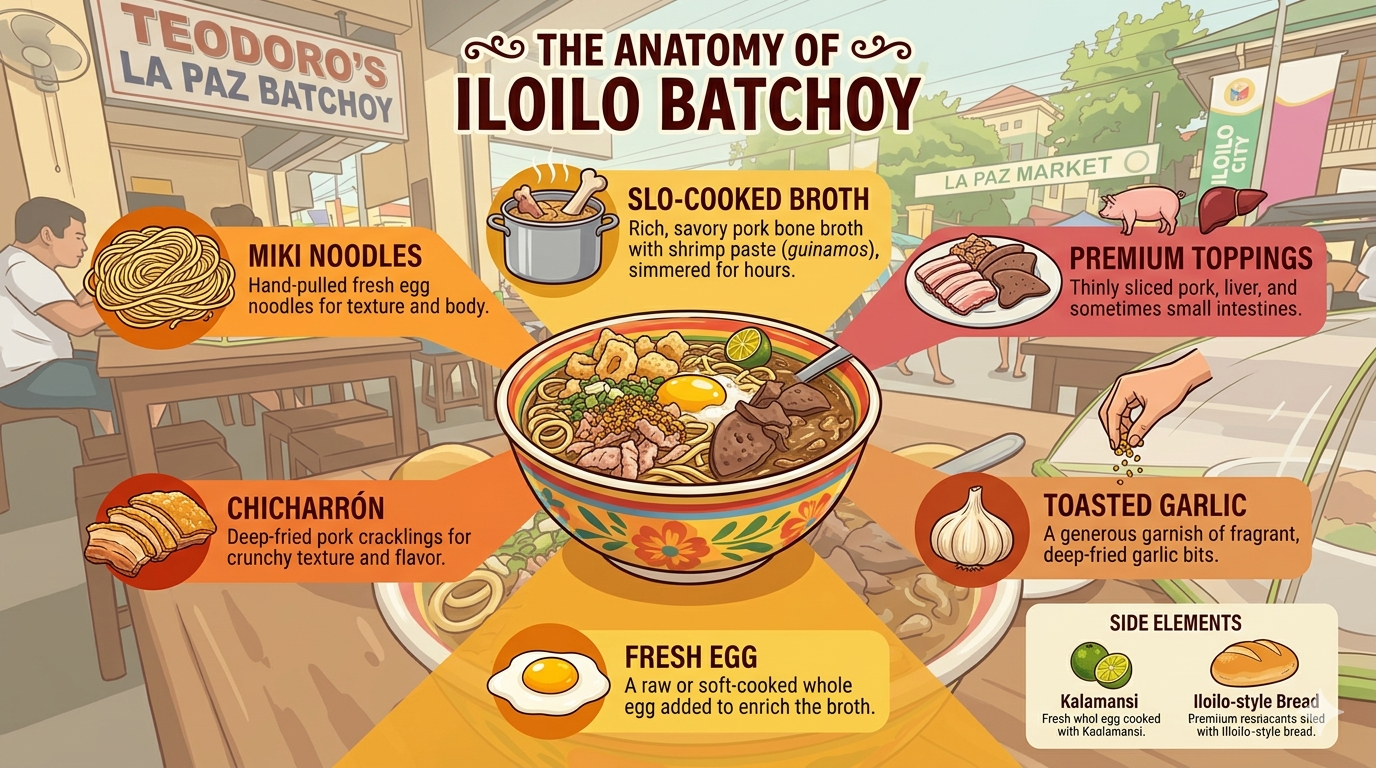
Infographic illustrating the main ingredients and nutrient sources in Iloilo Batchoy
Disclaimer
This article is for general informational and educational purposes only. It does not constitute professional medical, nutrition, or dietary advice. References to dishes, ingredients, or nutrient content do not imply endorsement or guarantee of health outcomes. Readers are encouraged to consult licensed nutritionists, dietitians, or medical professionals for personalized guidance.c