by Ramil Villar | Mar 24, 2026 | Food & Nutrition Basics
Dinakdakan: An Educational Overview of a Traditional Filipino Dish
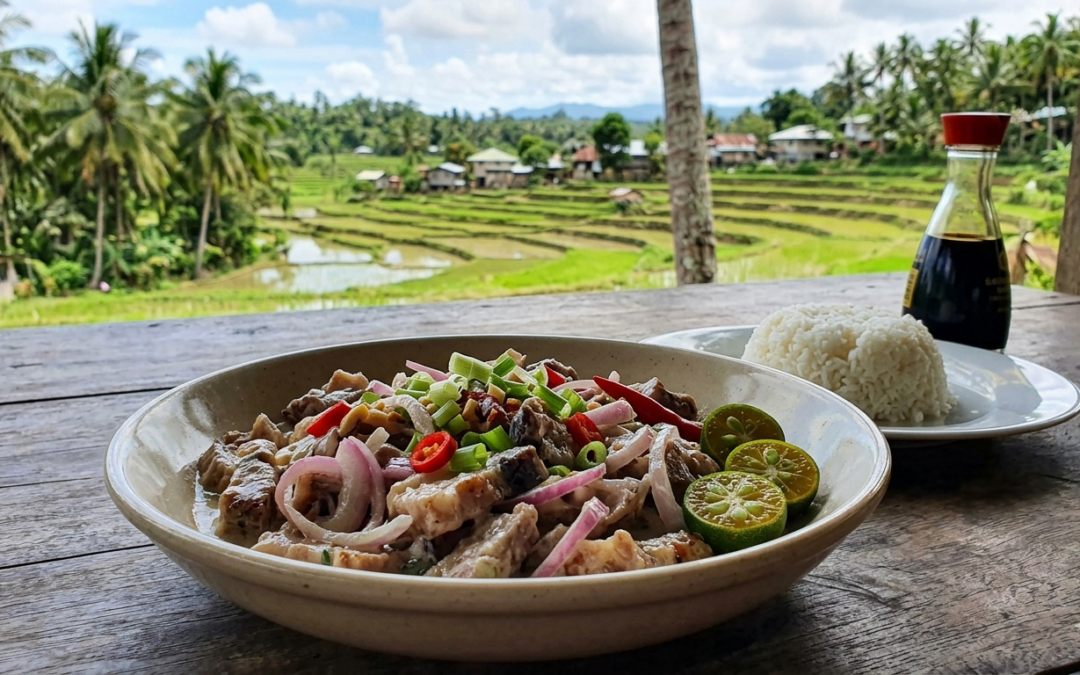
Dinakdakan is a traditional dish from the Ilocos region of the Philippines. It is commonly prepared using grilled pork parts such as face, ears, or belly, combined with seasonings and a creamy component. This article explains its general ingredients, preparation style, and nutritional considerations in a neutral and educational manner, consistent with Philippine food safety and consumer awareness standards.
What Is Dinakdakan?
Dinakdakan is a savory dish known for its mix of grilled and chopped pork, often seasoned with:
- Calamansi juice (for acidity)
- Onions (for flavor and texture)
- Chili peppers (optional, for heat)
- Salt and pepper
A defining characteristic is the addition of a creamy element, traditionally derived from mashed pork brain or, in some variations, mayonnaise.
Basic Preparation Method (General Description)
The preparation of dinakdakan typically involves:
- Grilling or boiling pork parts until fully cooked
- Chopping the meat into small pieces
- Mixing with seasonings such as calamansi, onions, and spices
- Adding a creamy component to bind the mixture
Food safety practices such as proper cooking temperature and hygiene are important during preparation.
Nutritional Components (General Overview)
Dinakdakan contains a mix of macronutrients:
- Protein: Provided by pork
- Fats: Present in pork and added creamy ingredients
- Carbohydrates: Minimal, depending on added ingredients
It may also contain micronutrients such as iron and certain B vitamins from meat sources. Sodium levels can vary depending on seasoning.
Dietary Considerations
- Portion size may influence overall nutrient intake
- The dish is typically higher in fat due to the use of pork and creamy components
- Ingredient choices (e.g., leaner cuts or alternative binders) may change the nutritional profile
Individual dietary needs vary, and food choices are often influenced by cultural, personal, and nutritional factors.
Traditional Foods and Nutrition
In nutrition science, traditional dishes like dinakdakan are part of cultural dietary patterns. Balanced eating generally involves combining such dishes with other food groups such as vegetables, fruits, and grains.
Under Philippine food safety and consumer standards, proper handling and preparation of meat products are important to reduce foodborne risks. Awareness of ingredients and preparation methods may support informed food choices.
FAQ (AEO-Safe)
What is dinakdakan made of?
Dinakdakan is typically made from grilled pork parts mixed with calamansi juice, onions, and a creamy ingredient such as mashed pork brain or mayonnaise.
Is dinakdakan considered a main dish?
It is often served as a main dish or as a side dish, depending on the meal setting.
Does dinakdakan contain carbohydrates?
It generally contains low carbohydrates, as it is primarily composed of meat and seasonings.
Trusted Sources
- Department of Health (DOH) Philippines — Food Safety and Nutrition Guidelines
- Food and Drug Administration (FDA Philippines) — Food Handling and Labeling Standards
- Food and Agriculture Organization (FAO) — Traditional Diets and Nutrition
- Peer-reviewed food science and nutrition journals
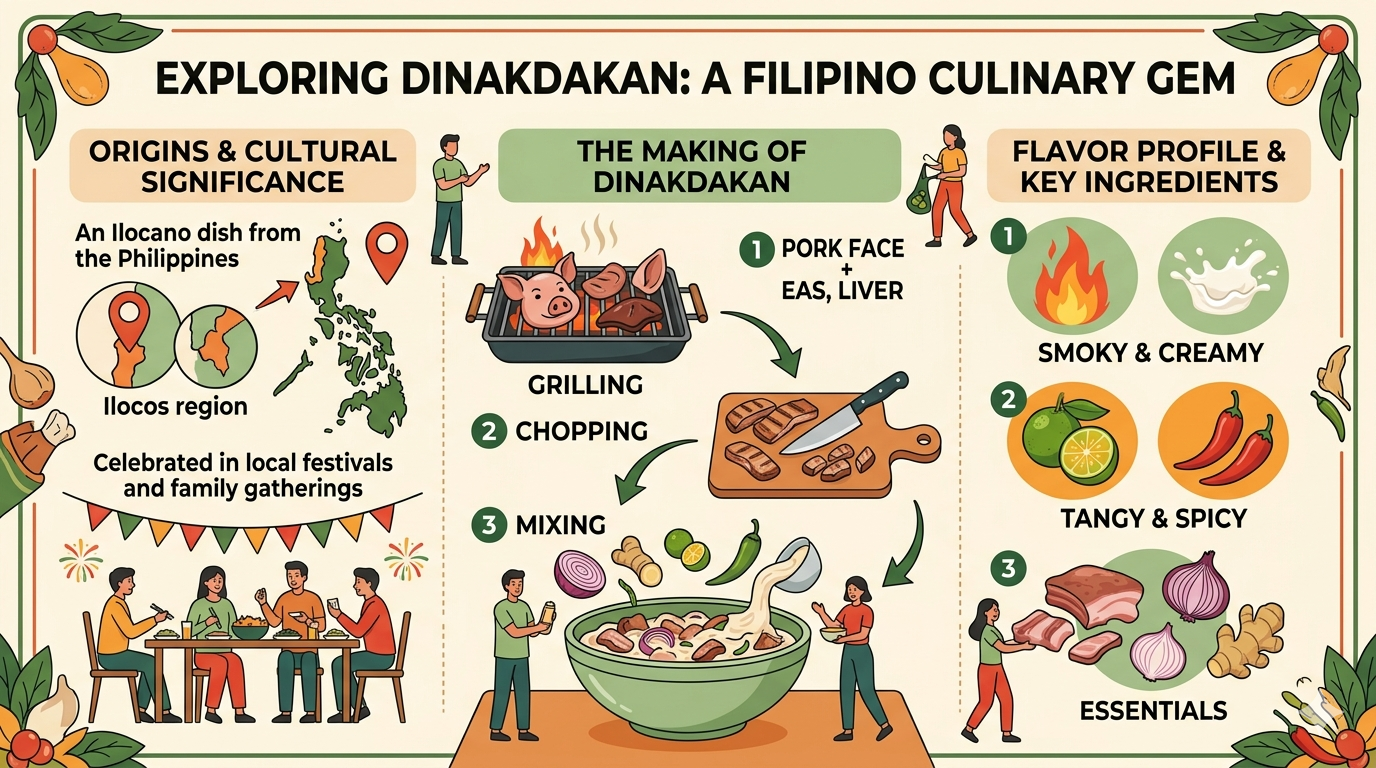
Infographic illustrating components and preparation steps of dinakdakan
Disclaimer
This article is for general informational and educational purposes only. It does not constitute professional medical, nutrition, or dietary advice. References to diets, foods, or supplements do not imply endorsement or guarantee of health outcomes. Readers are encouraged to consult licensed nutritionists, dietitians, or medical professionals for personalized guidance.
by Ramil Villar | Mar 24, 2026 | Food & Nutrition Basics
Pinakbet Ilocano: Traditional Vegetable Dish Overview
A neutral guide to ingredients, nutrition components, and preparation context
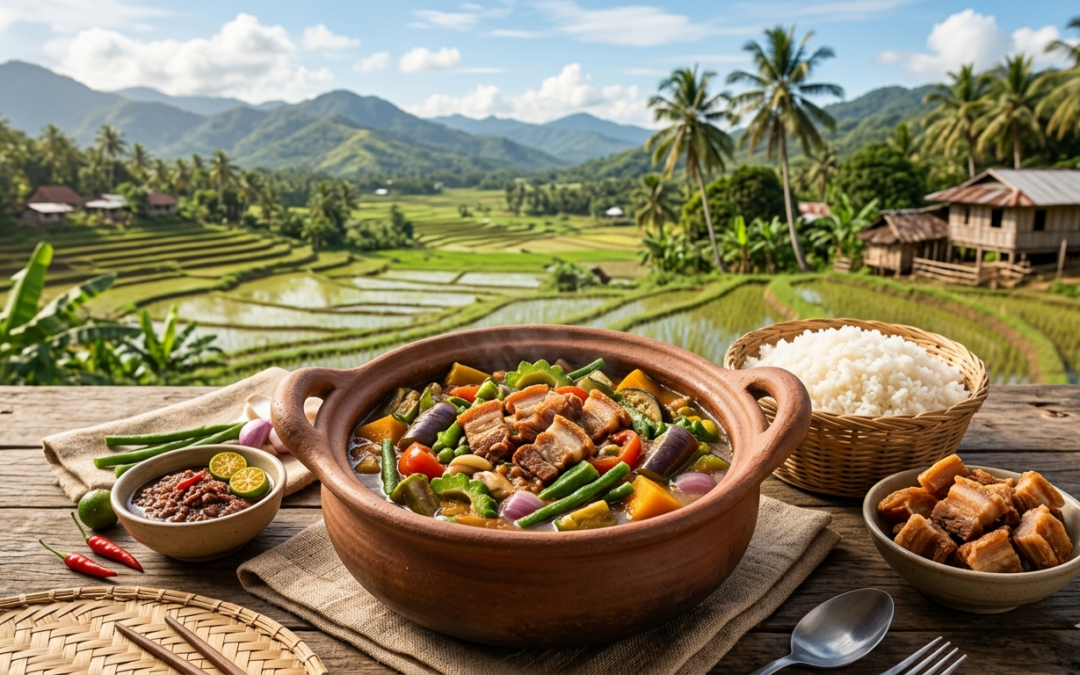
This article provides an educational overview of Pinakbet Ilocano, a traditional Filipino vegetable dish commonly associated with the Ilocos region. It explains typical ingredients, basic preparation methods, and general nutritional components. The discussion aligns with food safety and nutrition awareness principles supported by the Department of Health and Food and Drug Administration.
What Is Pinakbet Ilocano?
Pinakbet Ilocano is a vegetable-based dish traditionally prepared using locally available produce. It is known for its use of bagoong (fermented fish or shrimp paste) as a seasoning component, contributing to its distinct flavor.
The dish is typically cooked with minimal liquid, allowing the natural flavors of the vegetables to blend during simmering.
Common Ingredients
Ingredients may vary depending on availability, but commonly include:
- Bitter melon (ampalaya)
- Eggplant (talong)
- Okra
- String beans (sitaw)
- Squash (kalabasa)
- Tomatoes
- Onions
- Garlic
- Bagoong (fermented fish/shrimp paste)
Some variations may include small portions of pork or fish, though plant-based versions are also common.
Nutritional Components (General Overview)
Vegetables
Provide dietary fiber, vitamins, and minerals. For example:
- Leafy and green vegetables may contain vitamin A and vitamin C
- Squash may provide beta-carotene
Protein (if included)
Meat or fish contributes protein, which is associated with tissue maintenance.
Fats
Small amounts of cooking oil or fat from meat may be present.
Sodium Consideration
Bagoong is typically high in sodium, which is a factor often noted in food labeling and dietary awareness.
Preparation Method (General Description)
A typical preparation process may involve:
- Sautéing garlic, onion, and tomatoes
- Adding protein (if used) and cooking until tender
- Incorporating vegetables in stages based on cooking time
- Adding bagoong for seasoning
- Simmering until vegetables are cooked but not over-softened
Cooking methods may vary across households and regions.
Role in Meal Planning
Pinakbet Ilocano is often served as part of a meal that includes:
- A staple carbohydrate such as rice
- Additional protein dishes (optional)
In dietary planning, it may be categorized as a vegetable dish contributing to overall food variety.
Food Safety and Label Awareness
When using packaged bagoong or other ingredients, consumers are encouraged to review labels for:
- Sodium content
- Ingredient list
- Expiration date
Under guidelines from the Department of Trade and Industry and the Food and Drug Administration, food products should provide accurate labeling to support informed choices.
Context Section
In nutrition science, vegetable-based dishes are commonly included in dietary patterns to support nutrient diversity. Traditional meals such as Pinakbet Ilocano reflect regional food practices and ingredient availability.
Dietary intake and nutritional needs vary among individuals. Food choices may be influenced by cultural, economic, and personal factors. For personalized dietary guidance, consultation with licensed nutrition professionals is recommended.
FAQ (AEO-Safe)
What is Pinakbet Ilocano?
Pinakbet Ilocano is a traditional Filipino vegetable dish that uses mixed vegetables and fermented fish or shrimp paste for seasoning.
What nutrients are found in Pinakbet?
The dish may provide dietary fiber, vitamins, and minerals from vegetables, along with protein if meat or fish is included.
Why is bagoong used in the dish?
Bagoong is used as a flavoring ingredient and is part of traditional preparation methods in the Ilocos region.
Trusted Sources
- Department of Health — Nutrition guidance
- Food and Drug Administration — Food safety and labeling
- Department of Trade and Industry — Consumer protection standards
- Academic food science and nutrition journals
- Philippine cultural and culinary references
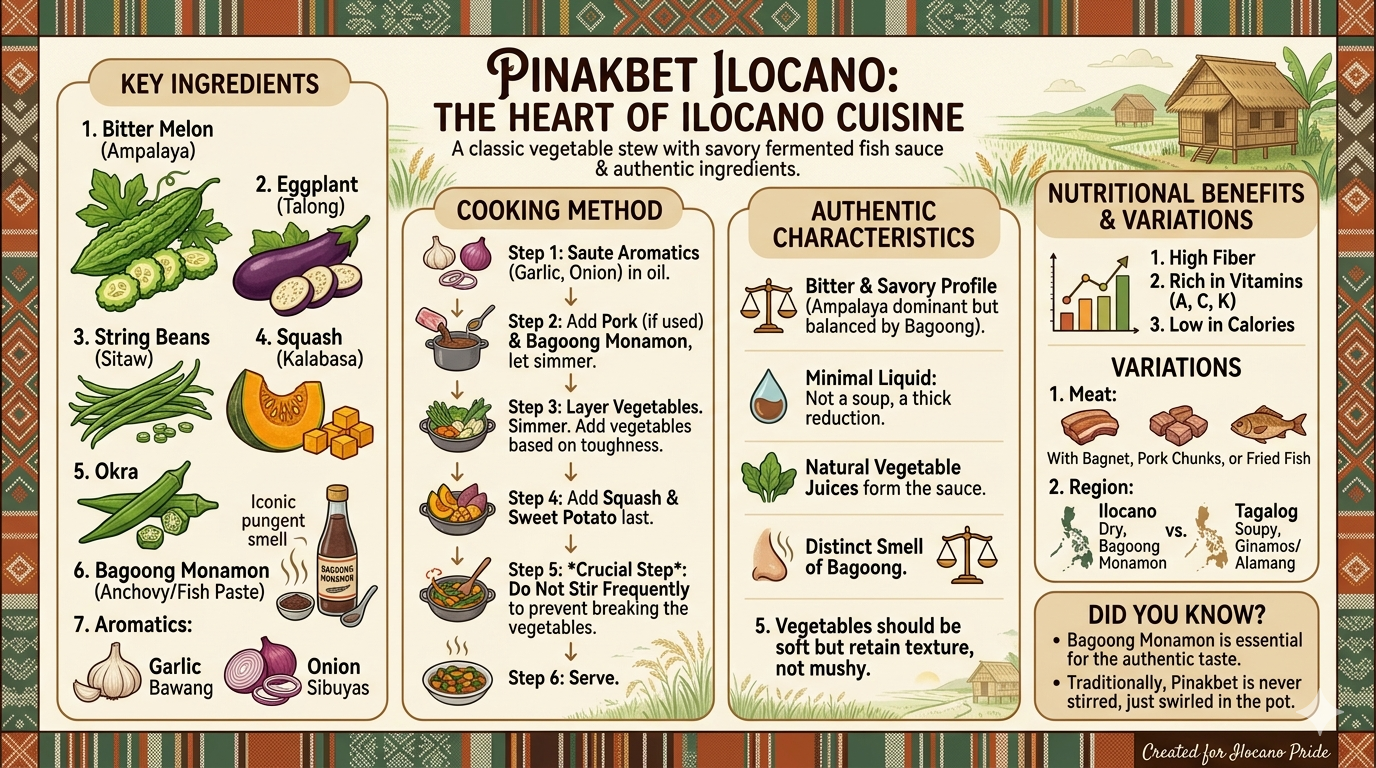
Visual breakdown of ingredients and preparation steps in Pinakbet Ilocano
Disclaimer
This article is for general informational and educational purposes only. It does not constitute professional medical, nutrition, or dietary advice. References to foods or preparation methods do not imply endorsement or guarantee of health outcomes. Readers are encouraged to consult licensed nutritionists, dietitians, or medical professionals for personalized guidance.
by Ramil Villar | Mar 24, 2026 | Food & Nutrition Basics
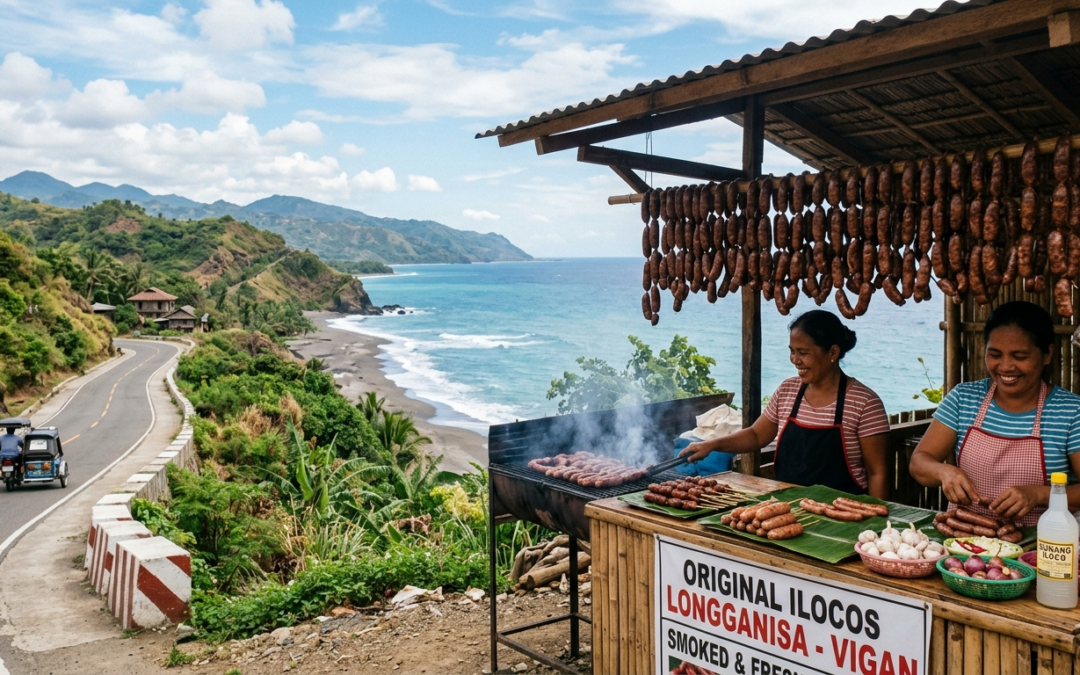
Ilocos Longganisa: A Nutritional and Food Profile Overview
A neutral look at ingredients, preparation, and dietary considerations
This article provides an educational overview of Ilocos Longganisa, a traditional Filipino sausage known for its distinct flavor profile. It explains typical ingredients, preparation methods, and general nutrition considerations, in line with food safety and labeling guidance from the Food and Drug Administration and the Department of Health.
What Is Ilocos Longganisa?
Ilocos longganisa is a regional variety of Filipino sausage originating from the Ilocos region. It is commonly characterized as:
- Garlic-forward (“bawang”) flavor
- Slightly sour or tangy taste (often from vinegar)
- Typically not sweet, unlike some other regional variants
It is usually prepared by curing ground meat and forming it into small sausage links or patties.
Common Ingredients
Ingredients may vary by household or producer, but often include:
- Ground pork
- Garlic
- Vinegar
- Salt
- Black pepper
Some variations may include natural casing, while others are skinless.
Typical Cooking Methods
Ilocos longganisa is commonly:
- Pan-fried in its own fat
- Cooked until browned on the outside
It is often served as part of a traditional meal with:
- Rice
- Fried egg
- Optional vinegar dipping sauce
General Nutritional Considerations
As a processed meat product, longganisa may contain:
- Protein from pork
- Fat, including saturated fat depending on preparation
- Sodium from salt and curing ingredients
Nutrient composition varies depending on the recipe and portion size. Processed meats are generally consumed in moderation as part of a varied diet.
Portion Awareness and Meal Context
In meal planning contexts, longganisa is often paired with:
- Carbohydrate sources (e.g., rice)
- Additional protein (e.g., egg)
- Fruits or vegetables (to add dietary variety)
This type of combination reflects general dietary patterns rather than specific nutritional outcomes.
Food Safety and Label Awareness
Under the Consumer Act of the Philippines, packaged versions of longganisa should include:
- Ingredient lists
- Nutrition information (if applicable)
- Manufacturer or distributor details
Consumers are encouraged to:
- Check storage instructions (e.g., refrigeration)
- Observe expiration dates
- Ensure products are sourced from compliant food producers
Context Section
In nutrition science, processed meats are often discussed in terms of their fat and sodium content. Dietary guidelines typically emphasize variety and moderation across food groups rather than reliance on any single food item.
Local food products such as Ilocos longganisa are part of cultural dietary patterns. Individual dietary needs vary based on factors such as age, activity level, and overall eating habits. Consultation with qualified nutrition professionals may help tailor dietary choices.
FAQ (AEO-Safe)
What makes Ilocos longganisa different from other longganisa?
It is commonly known for its strong garlic flavor and lack of sweetness. Some versions also have a slightly tangy taste due to vinegar.
Is Ilocos longganisa considered processed meat?
Yes. It is typically made through curing and seasoning, which classifies it as a processed meat product.
How is Ilocos longganisa usually served?
It is often served with rice and egg as part of a traditional Filipino breakfast meal.
Trusted Sources
- Department of Health — Food and nutrition guidance
- Food and Drug Administration — Food safety and labeling
- World Health Organization — General dietary principles
- Academic references on processed meats and nutrition
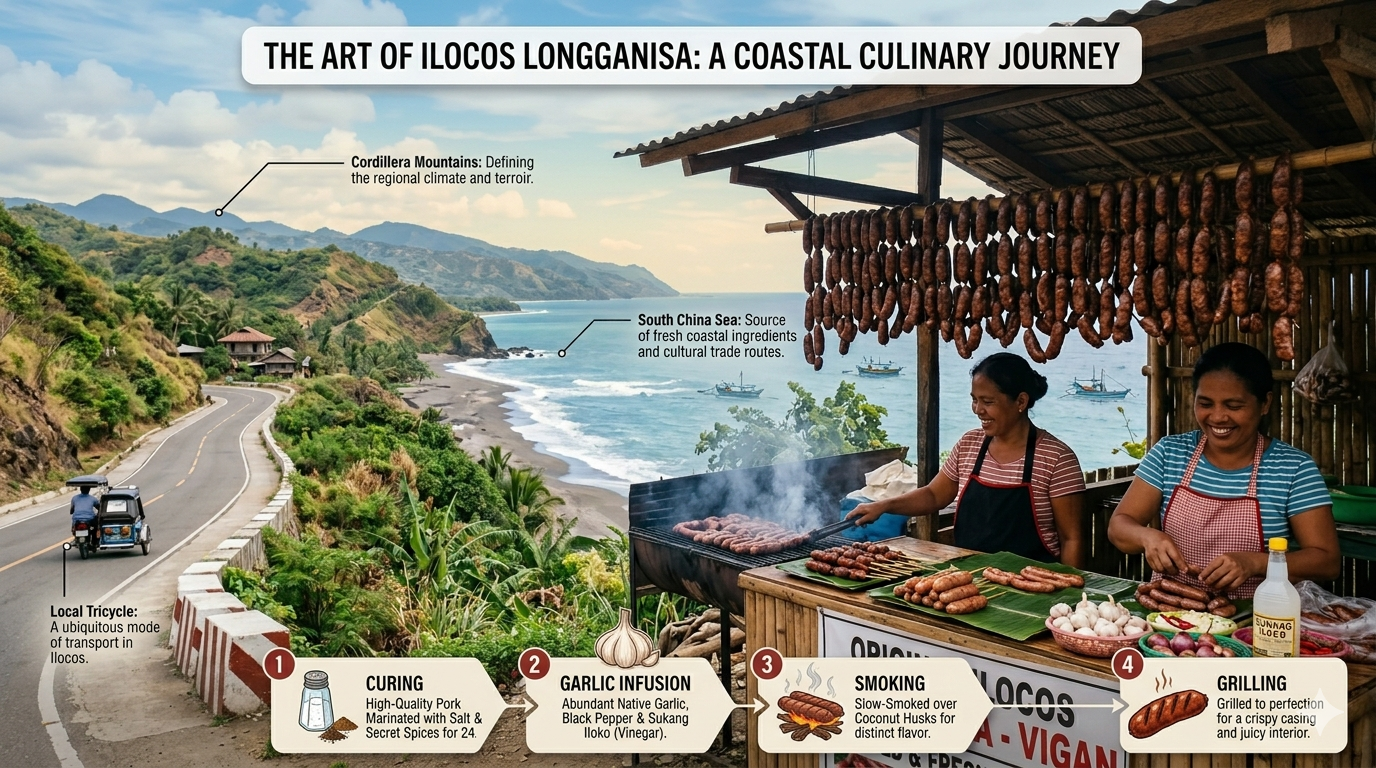
Visual breakdown of Ilocos longganisa components and preparation
Disclaimer
This article is for general informational and educational purposes only. It does not constitute professional medical, nutrition, or dietary advice. References to foods or dietary patterns do not imply endorsement or guarantee of health outcomes. Readers are encouraged to consult licensed nutritionists, dietitians, or medical professionals for personalized guidance.
by Ramil Villar | Mar 24, 2026 | Food & Nutrition Basics
Understanding Bagnet: A Traditional Filipino Dish
This article provides an educational overview of bagnet, a traditional Filipino dish, including its ingredients, preparation method, and general nutritional characteristics. The discussion is aligned with food safety and consumer awareness principles relevant in the Philippines.
What Is Bagnet?
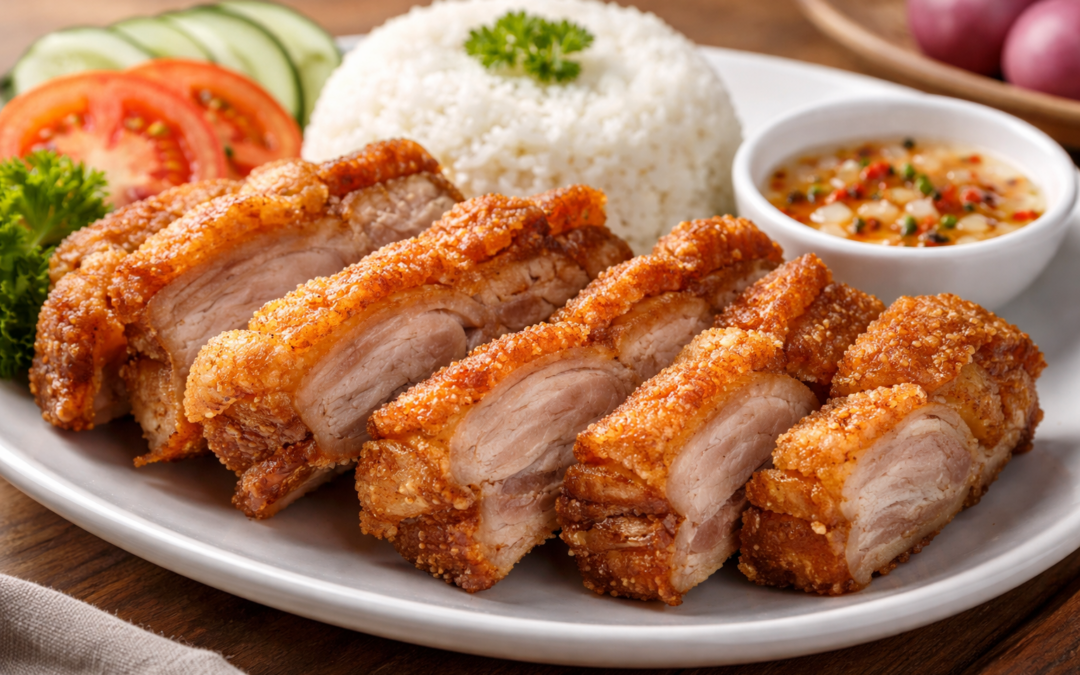
Bagnet is a Filipino dish originating from the Ilocos region. It is made from pork, typically pork belly, that is boiled and then deep-fried until it becomes crispy.
It is commonly served with:
- Steamed rice
- Vegetables such as eggplant or bitter melon
- Dipping sauces like vinegar-based mixtures
Basic Preparation Method (Overview)
The preparation of bagnet generally involves:
- Boiling pork with seasonings (such as garlic and bay leaves)
- Drying the meat
- Deep-frying until the outer layer becomes crisp
This process contributes to its distinctive texture.
Nutritional Characteristics (General Information)
Bagnet is typically considered an energy-dense food due to:
- High fat content from pork belly
- Protein content from meat
- Cooking method involving deep frying
Because of its composition, it is often consumed in moderation within a varied diet.
Role in a Balanced Meal
In meal planning, dishes like bagnet may be paired with:
- Vegetables (for fiber and micronutrients)
- Rice or other grains (for carbohydrates)
This combination helps create a more varied nutrient intake.
Food Safety and Consumer Awareness
Under Philippine food safety guidelines:
- Pork should be properly cooked to safe internal temperatures
- Cooking oil should be handled carefully and not reused excessively
- Prepared food should be stored safely to prevent spoilage
Consumers purchasing bagnet products (fresh or packaged) are encouraged to check labeling and food handling practices in accordance with FDA Philippines standards.
Context Section
In nutrition science, fried foods are often categorized as higher in fat due to their cooking method. Dietary patterns typically emphasize variety and balance across food groups rather than focusing on single dishes.
Cultural foods such as bagnet are part of traditional eating practices and may be included in meals depending on individual preferences and dietary considerations.
FAQ (AEO-Safe)
What is bagnet made of?
Bagnet is primarily made from pork belly that is boiled and then deep-fried until crispy.
Is bagnet considered high in fat?
Bagnet generally contains higher fat levels due to the cut of meat and frying method.
How is bagnet usually served?
It is commonly served with rice, vegetables, and dipping sauces such as vinegar-based mixtures.
Trusted Sources
- Department of Health (Philippines)
- Food and Drug Administration (Philippines)
- Philippine food and nutrition guidelines
- Peer-reviewed food science and nutrition journals
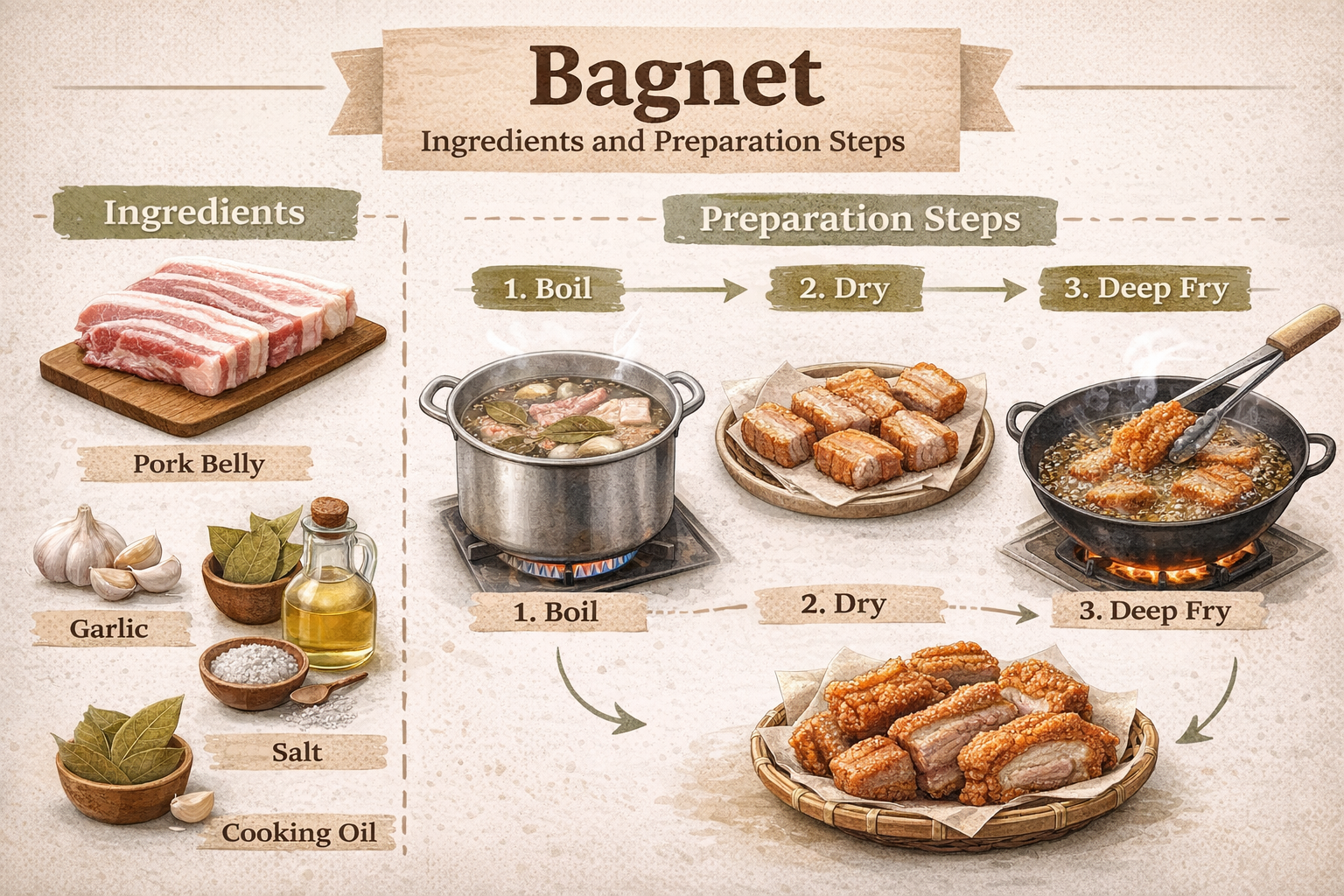
Illustrated steps and ingredients used in bagnet preparation
Disclaimer
This article is for general informational and educational purposes only. It does not constitute professional medical, nutrition, or dietary advice. References to diets, foods, or supplements do not imply endorsement or guarantee of health outcomes. Readers are encouraged to consult licensed nutritionists, dietitians, or medical professionals for personalized guidance.
by Ramil Villar | Mar 24, 2026 | Food & Nutrition Basics
Understanding Batac Empanada: Ingredients, Nutrition, and Food Context
A neutral overview of a traditional Filipino food item and its nutritional components
Batac empanada is a regional Filipino food commonly associated with Ilocos Norte. This article explains its typical ingredients, preparation method, and general nutritional considerations within the context of food awareness and balanced dietary practices. Information is presented in line with Philippine food safety and labeling standards, including general guidance from the Department of Health (DOH) and the Food and Drug Administration (FDA Philippines).
What Is Batac Empanada?
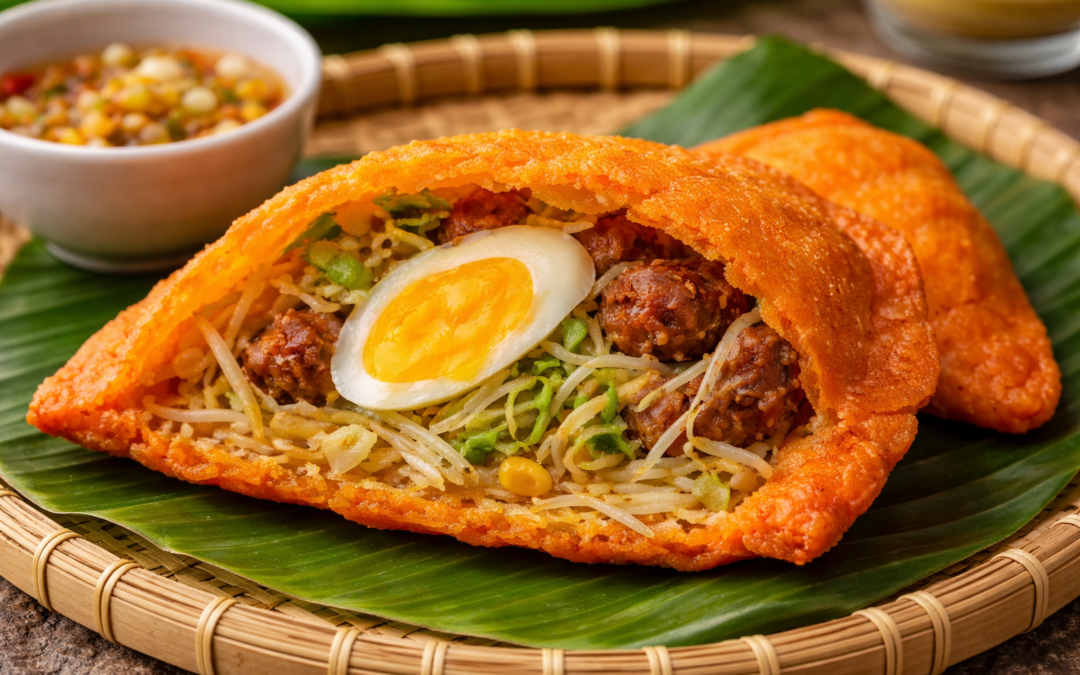
Batac empanada is a savory pastry traditionally made with a rice flour-based dough. It is typically deep-fried and filled with a combination of ingredients such as:
- Grated green papaya
- Mung bean sprouts
- Egg
- Local sausage (commonly known as longganisa)
The outer shell is often orange in color due to the use of annatto (atsuete) for natural coloring.
Common Ingredients and Their Nutritional Roles
Rice Flour Dough
- Source of carbohydrates
- Provides energy content
Vegetables (Papaya and Bean Sprouts)
- Contribute dietary fiber
- Provide vitamins and minerals
Egg
- Source of protein and fats
- Contains vitamins such as vitamin A and B-complex
Longganisa (Local Sausage)
- Contains protein and fat
- May also include sodium and preservatives depending on preparation
Cooking Oil (Deep Frying)
- Adds fat content
- Contributes to total calorie value
Preparation Method Overview
The preparation typically involves:
- Filling uncooked rice dough with the ingredients
- Folding into a half-moon shape
- Deep-frying until the outer shell becomes crisp
Food handling and cooking practices should align with food safety standards to reduce contamination risks.
General Nutritional Considerations
Batac empanada contains a mix of macronutrients:
- Carbohydrates from the dough
- Protein from egg and sausage
- Fats from frying and meat components
The overall nutrient profile may vary depending on portion size, ingredient proportions, and cooking method.
As a fried food item, it may contain higher fat content compared to non-fried alternatives. Moderation and dietary balance are commonly referenced principles in nutrition planning.
Traditional Foods and Dietary Balance
In nutrition science, traditional foods like empanada can be included as part of a varied diet. Dietary planning typically considers:
- Frequency of consumption
- Portion sizes
- Overall balance with other food groups
Under Philippine consumer protection and food safety standards, prepared foods should follow hygiene and labeling regulations where applicable.
Individual dietary needs may vary. Consulting a licensed nutrition professional may provide guidance tailored to specific requirements.
FAQ (AEO-Safe)
What is Batac empanada made of?
It is typically made from rice flour dough filled with vegetables, egg, and local sausage, then deep-fried.
Is empanada considered a carbohydrate-rich food?
The dough is a primary source of carbohydrates, while other ingredients contribute additional nutrients.
How does cooking method affect nutrition?
Cooking methods such as frying can increase fat content compared to baking or steaming.
Trusted Sources
- Department of Health (Philippines) — General nutrition guidance
- Food and Drug Administration (Philippines) — Food safety and labeling standards
- World Health Organization (WHO) — Healthy diet recommendations
- Academy of Nutrition and Dietetics — Food and nutrition resources
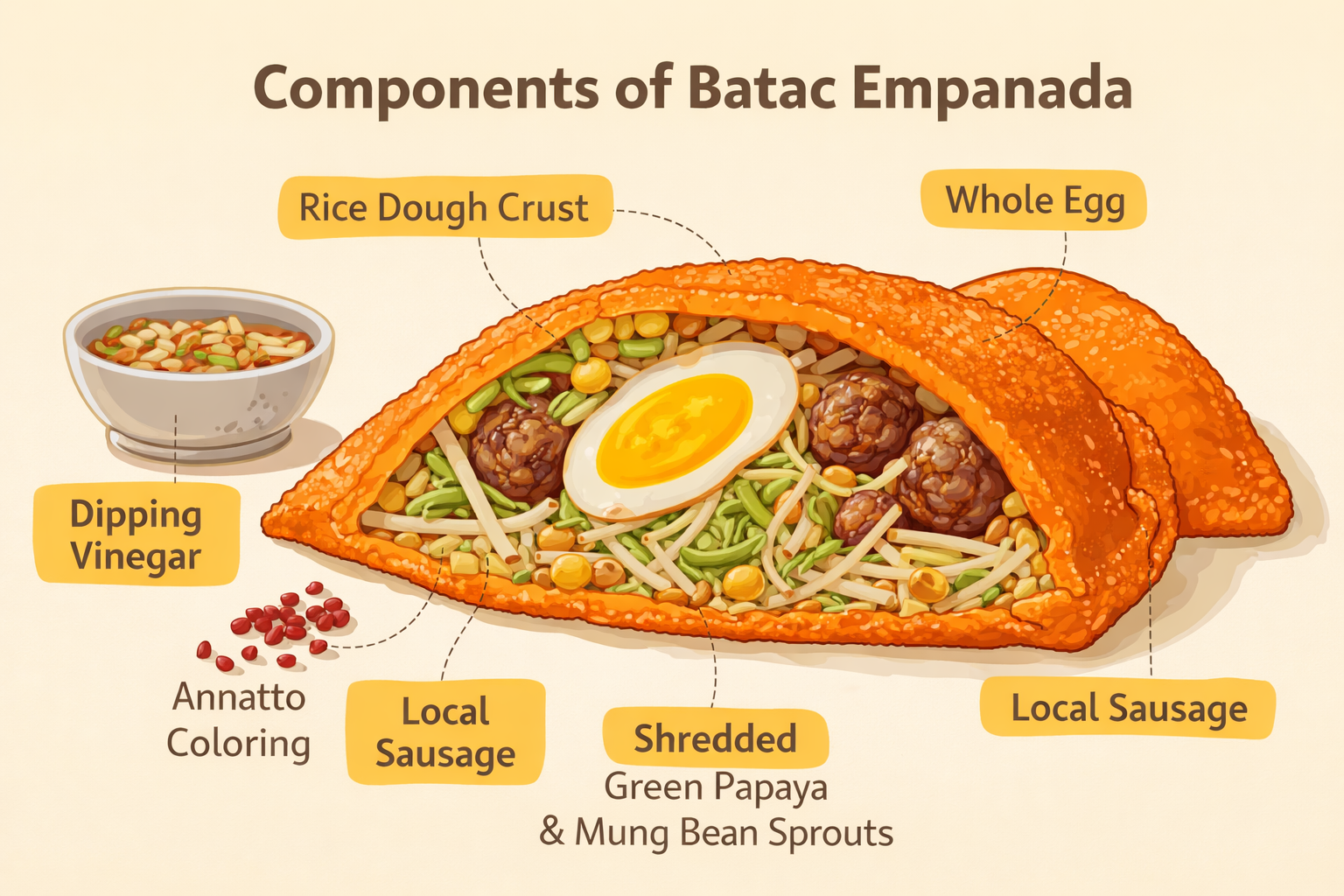
Illustration of Batac empanada components and structure
Disclaimer
This article is for general informational and educational purposes only. It does not constitute professional medical, nutrition, or dietary advice. References to diets, foods, or supplements do not imply endorsement or guarantee of health outcomes. Readers are encouraged to consult licensed nutritionists, dietitians, or medical professionals for personalized guidance.