by Ramil Villar | Mar 28, 2026 | Food & Nutrition Basics
Understanding Espasol: A Neutral Guide to This Filipino Rice Cake
An informational overview of espasol, its ingredients, preparation, and nutritional considerations.
Espasol is a traditional Filipino rice cake made primarily from glutinous rice flour and coconut milk. Under Philippine food safety and labeling standards, understanding the ingredients and preparation methods of local delicacies like espasol helps consumers make informed dietary choices. This article provides a neutral overview of espasol’s composition, typical nutrient content, and considerations for consumption, without implying health benefits or guarantees.
What Is Espasol?
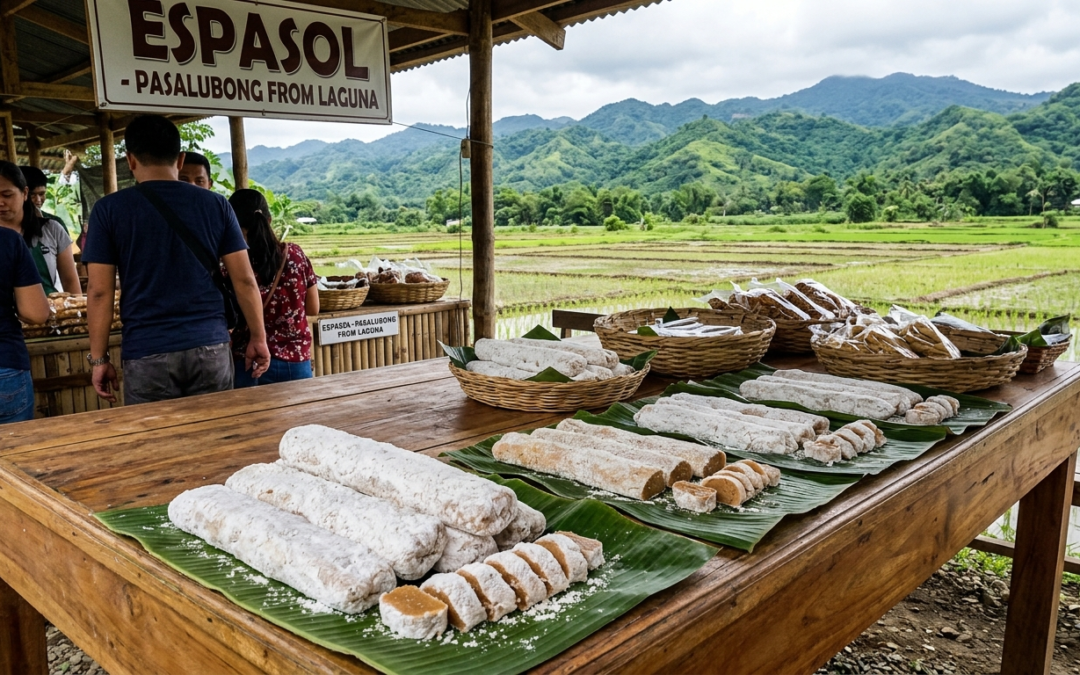
Espasol is a type of rice-based kakanin commonly enjoyed during festivals or as a snack in the Philippines. It is traditionally made by:
- Roasting glutinous rice flour
- Mixing with coconut milk and sugar
- Coating the cooked mixture with toasted rice flour
The result is a cylindrical, soft-textured rice cake that is often dusted with powdered rice flour to prevent sticking. Its flavor and texture can vary depending on the recipe or regional practices.
Nutritional Components (Informational)
A typical espasol serving includes macronutrients such as:
- Carbohydrates: Primarily from glutinous rice and sugar
- Fat: Mainly from coconut milk, which contains medium-chain triglycerides
- Protein: Minimal amounts, mainly from rice and coconut
It may also contain small quantities of micronutrients, including:
- Calcium (from coconut milk)
- Iron (from rice flour)
- Vitamin C (if garnished with certain local ingredients)
Portion sizes and preparation methods affect the energy content. For example, adding more sugar or coconut milk will increase the caloric density. This overview is educational only and does not imply that espasol has specific health effects.
Preparation and Food Safety Considerations
Under Philippine FDA and LGU food safety guidelines:
- Ingredients should be fresh and uncontaminated
- Proper cooking temperature and storage help prevent microbial growth
- Handling should follow hygienic practices to minimize risk
For packaged espasol, consumers can refer to labeling information, including ingredient lists and production dates, to verify authenticity and ensure safety.
Context Section (Neutral Background)
In nutrition science, foods like espasol are classified as traditional carbohydrate-based snacks. Diet planning typically involves balancing macronutrients and portion control rather than excluding traditional foods. Nutrient content can vary widely depending on recipe and serving size. Individual dietary effects vary, and consumption should align with overall nutritional goals. Consultation with licensed nutritionists or dietitians is recommended for personalized guidance.
Optional FAQ (Neutral)
What is espasol made of?
Espasol is made primarily from roasted glutinous rice flour, coconut milk, and sugar, with a coating of toasted rice flour.
Is espasol considered a snack or dessert?
Espasol is typically enjoyed as a snack or dessert in Filipino cuisine, depending on occasion and serving.
How can consumers check espasol for safety?
Consumers can check packaged espasol labels for ingredient lists, production dates, and FDA compliance marks.
Trusted Sources
- Department of Health (DOH) Philippines – Food Safety Advisories
- FDA Philippines – Guidelines on Local Food Products
- Academic publications on Philippine kakanin and rice-based snacks
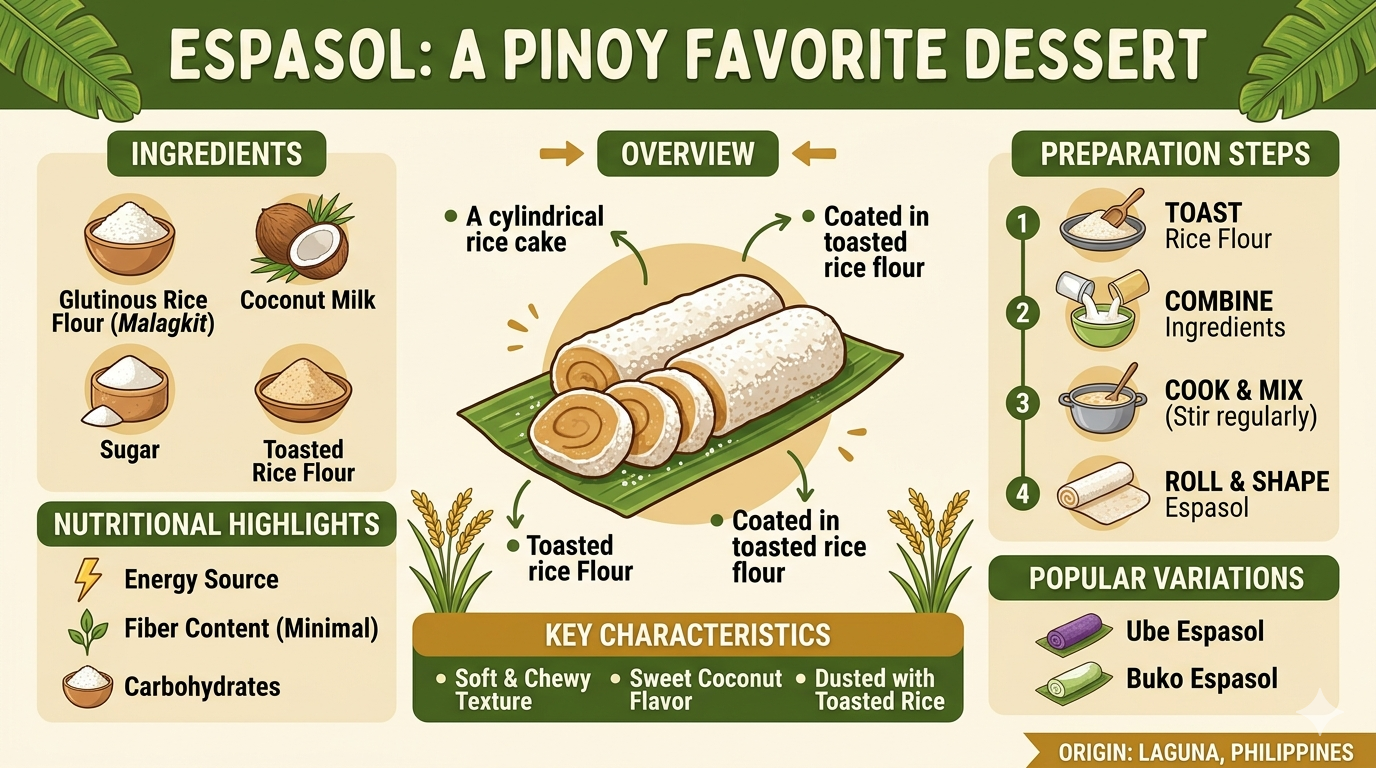
Infographic showing common ingredients used in traditional espasol preparation.
Disclaimer
This article is for general informational and educational purposes only. It does not constitute professional medical, nutrition, or dietary advice. References to foods or ingredients do not imply endorsement or guarantee of health outcomes. Readers are encouraged to consult licensed nutritionists, dietitians, or medical professionals for personalized guidance.
by Ramil Villar | Mar 28, 2026 | Food & Nutrition Basics
Buko Pie: Understanding a Traditional Filipino Dessert from Los Baños
A neutral overview of ingredients, preparation, and nutritional considerations
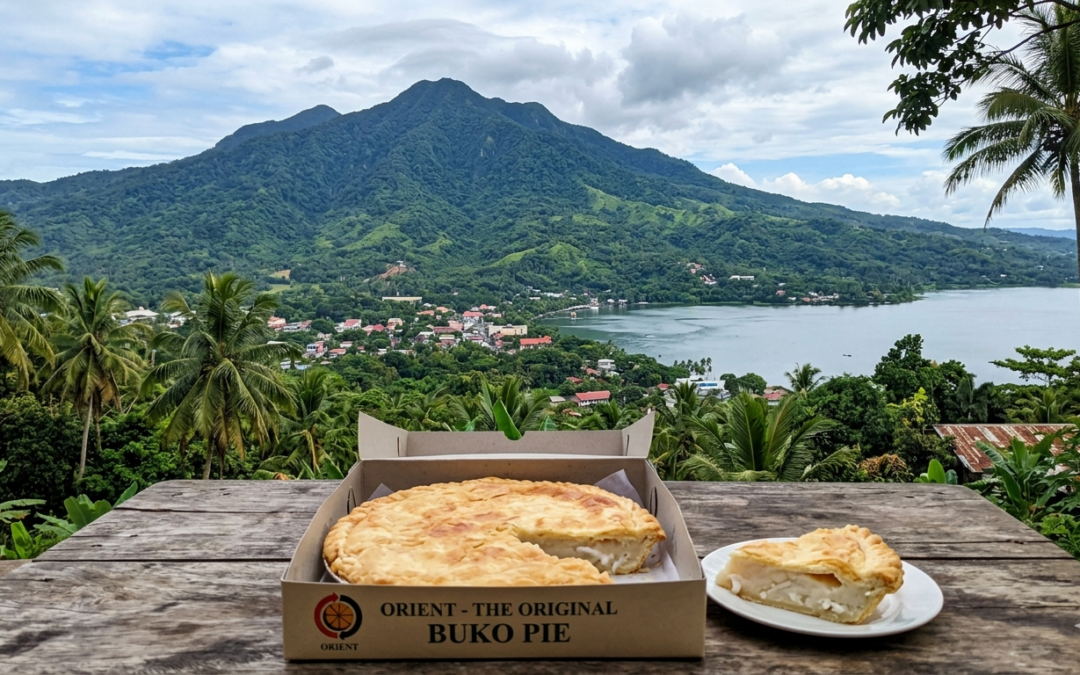
Buko pie is a traditional Filipino pastry originating from Los Baños, Laguna. This article provides a neutral overview of its ingredients, preparation methods, and general nutritional aspects. It also highlights consumer awareness considerations in line with DOH, FDA, and DTI standards. Readers will learn about buko pie composition, possible nutrient content, and safe consumption practices without health or weight claims.
Buko pie is a baked dessert primarily made with young coconut (buko), sugar, and a flour-based crust. Some variations may include condensed milk, eggs, or margarine.
Ingredients Overview:
- Young coconut meat (buko): Contains dietary fiber and small amounts of vitamins and minerals such as manganese and copper.
- Sugar: Provides energy in the form of simple carbohydrates.
- Flour and crust ingredients: Typically wheat flour with fat (margarine or butter), contributing carbohydrates and fats.
- Optional ingredients: Condensed milk or eggs, which may add proteins and additional sugars.
Nutritional Notes (Informational Only):
- Buko pie is an energy-dense food due to sugar and fat content.
- Portion control can help consumers include desserts without exceeding daily energy intake.
- The pastry provides minimal essential micronutrients but contributes fiber from the coconut meat.
Consumer Awareness Considerations:
- Check packaging or store labeling for ingredient lists and expiration dates.
- Verify product authenticity when purchasing commercially prepared buko pies.
- Be aware of added sugars and fats for general dietary tracking.
- Homemade versions allow control over ingredients and portion sizes.
Context Section
In nutrition science studies, desserts like buko pie are typically categorized as energy-dense foods with moderate micronutrient content. Under consumer protection and labeling standards in the Philippines, ingredients and allergens must be disclosed on packaging. Diet planning often involves balancing energy intake with nutrient requirements, and consumption frequency can vary individually. Readers should consult licensed nutritionists or dietitians for personalized guidance.
Optional FAQ
What is buko pie?
Buko pie is a Filipino baked pastry made with young coconut meat, sugar, and a flour-based crust. It is a traditional dessert from Los Baños, Laguna.
What nutrients are in buko pie?
Buko pie contains carbohydrates and fats from sugar and crust, dietary fiber from coconut, and small amounts of vitamins and minerals depending on additional ingredients like eggs or milk.
How can consumers evaluate store-bought buko pie?
Consumers can check labels for ingredients, expiration dates, and allergen information. Verifying product authenticity is also recommended.
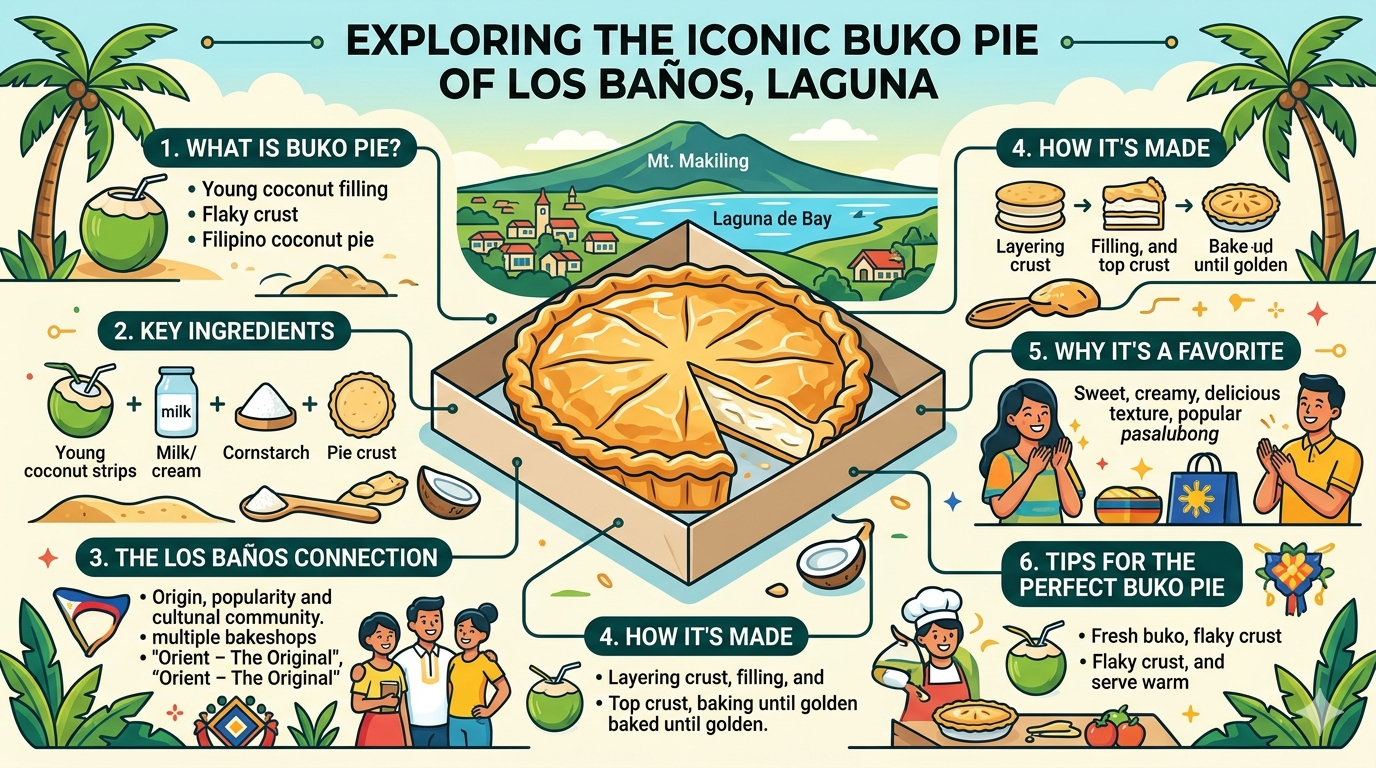
Visual representation of Buko Pie components including crust and coconut filling.
Trusted Sources
- Department of Health (DOH), Philippines – Food Safety and Labeling Guidelines
- Food and Drug Administration (FDA Philippines) – Nutrition Labeling Standards
- Academic food science references on coconut-based pastries
Disclaimer
This article is for general informational and educational purposes only. It does not constitute professional medical, nutrition, or dietary advice. References to foods or desserts do not imply endorsement or guarantee of health outcomes. Readers are encouraged to consult licensed nutritionists, dietitians, or medical professionals for personalized guidance.
by Ramil Villar | Mar 28, 2026 | Food & Nutrition Basics
Tamales Caviteño: A Traditional Philippine Rice-Based Dish
A neutral overview of ingredients, preparation, and nutritional considerations of Tamales from Cavite.
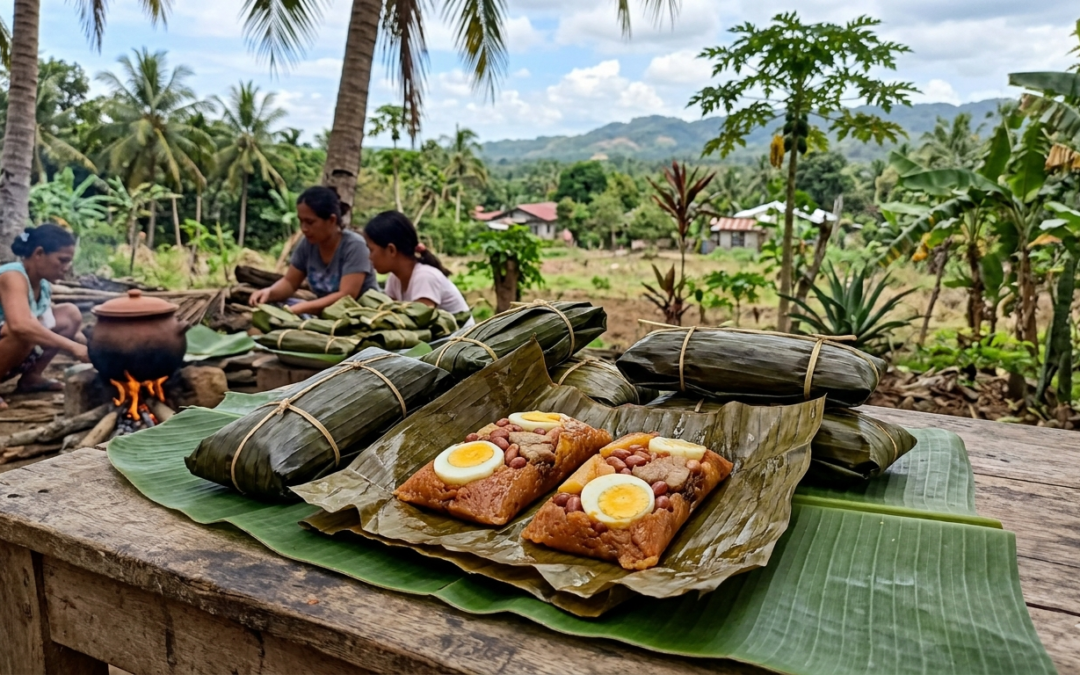
Tamales Caviteño is a traditional Filipino delicacy originating from the province of Cavite. This article provides an educational overview of its typical ingredients, preparation method, and nutritional aspects. It also highlights considerations for consumers regarding safe food handling and ingredient awareness under Philippine regulations, including DOH and FDA standards.
Ingredients and Composition:
Tamales Caviteño is typically made with glutinous rice, coconut milk, peanuts, and a protein such as chicken or pork. Ingredients are wrapped in banana leaves and steamed. Variations may include sweet or savory flavorings. The dish’s macronutrient profile generally includes:
- Carbohydrates: from glutinous rice
- Proteins: from meat or legumes
- Fats: primarily from coconut milk and added oils
- Micronutrients: such as iron, calcium, and B-vitamins, depending on the protein and peanut content
Preparation and Portion Awareness:
Preparation involves soaking rice, mixing ingredients, wrapping in banana leaves, and steaming until fully cooked. Portion size can affect calorie and macronutrient intake, though individual needs vary. For safety:
- Ensure meat is fully cooked to recommended internal temperatures
- Wash banana leaves and other plant-based ingredients thoroughly
- Store leftover tamales in clean, airtight containers and refrigerate promptly
Consumer Awareness:
Under Philippine consumer protection laws (RA 7394, FDA guidelines), packaged or commercially sold tamales should display:
- Ingredient list
- Allergen information (e.g., peanuts)
- Expiry or “best before” dates
Consumers are encouraged to read labels carefully and verify product authenticity, particularly when purchased from markets or vendors.
Context Section
In nutrition science studies, dishes like Tamales Caviteño illustrate a combination of macronutrients—carbohydrates, fats, and proteins—within traditional Philippine cuisine. Dietary planning typically involves balancing these nutrients with other meals in a day. Individual nutrient requirements vary based on age, activity level, and health status. Licensed nutritionists or dietitians can provide personalized guidance for those with specific dietary needs.
Optional FAQ
What is Tamales Caviteño?
Tamales Caviteño is a steamed rice-based dish from Cavite, often including coconut milk, peanuts, and meat, wrapped in banana leaves.
What nutrients are found in Tamales Caviteño?
It typically provides carbohydrates from rice, protein from meat or legumes, fats from coconut milk, and micronutrients such as B-vitamins and minerals from various ingredients.
How can consumers safely enjoy Tamales Caviteño?
Ensure ingredients are fresh, meat is fully cooked, banana leaves are cleaned, and leftovers are stored in hygienic conditions. Check labels for allergens and expiration when buying commercially.
Trusted Sources
- Department of Health (DOH) Philippines — Food Safety Advisories
- Food and Drug Administration (FDA Philippines) — Food Labeling Guidelines
- Philippine Nutritional Guidelines, Food and Nutrition Research Institute (FNRI)
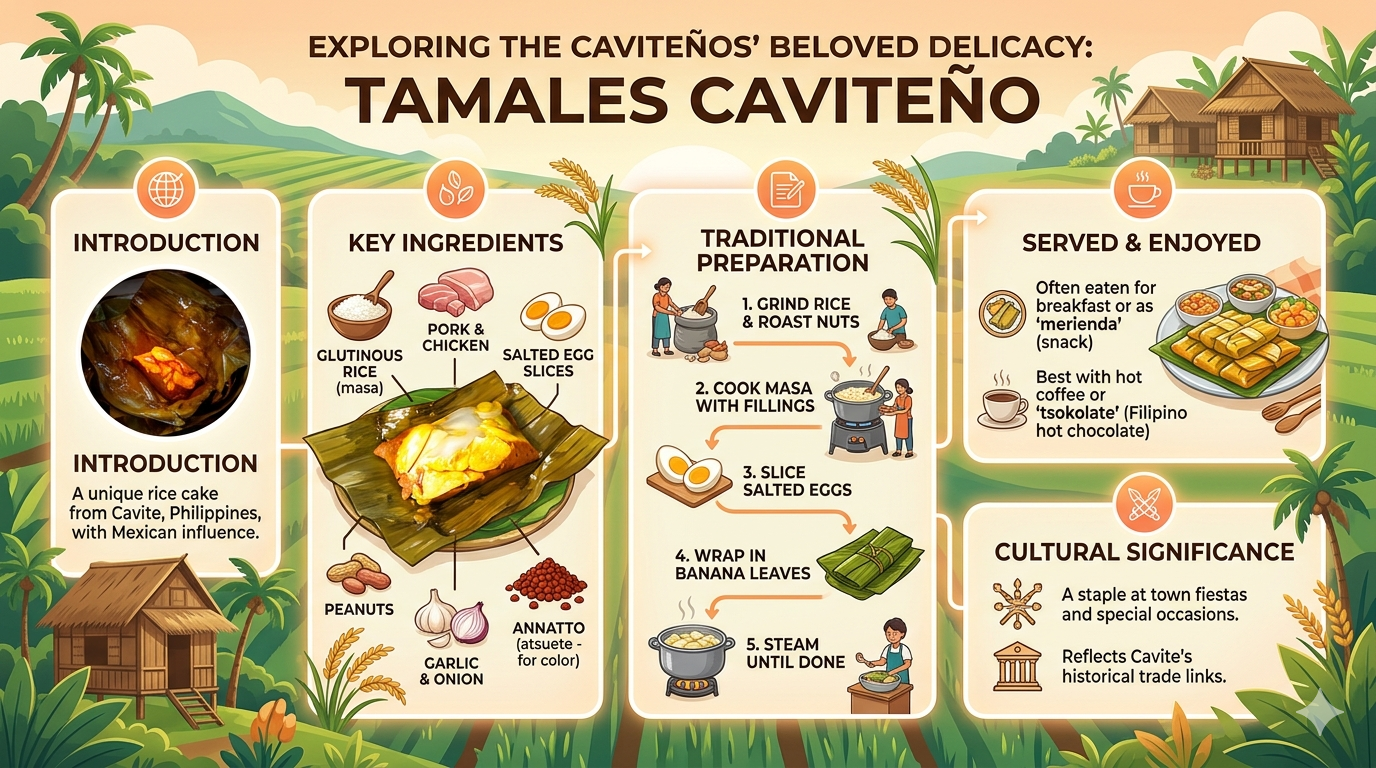
Visual representation of Tamales Caviteño ingredients and preparation steps.
Disclaimer
This article is for general informational and educational purposes only. It does not constitute professional medical, nutrition, or dietary advice. References to dishes, ingredients, or food products do not imply endorsement or guarantee of health outcomes. Readers are encouraged to consult licensed nutritionists, dietitians, or medical professionals for personalized guidance.
by Ramil Villar | Mar 28, 2026 | Awareness
Understanding Kalderetang Kambing: Nutritional Overview for Educational Purposes
A neutral look at the nutritional components, macronutrients, and dietary considerations of Kalderetang Kambing
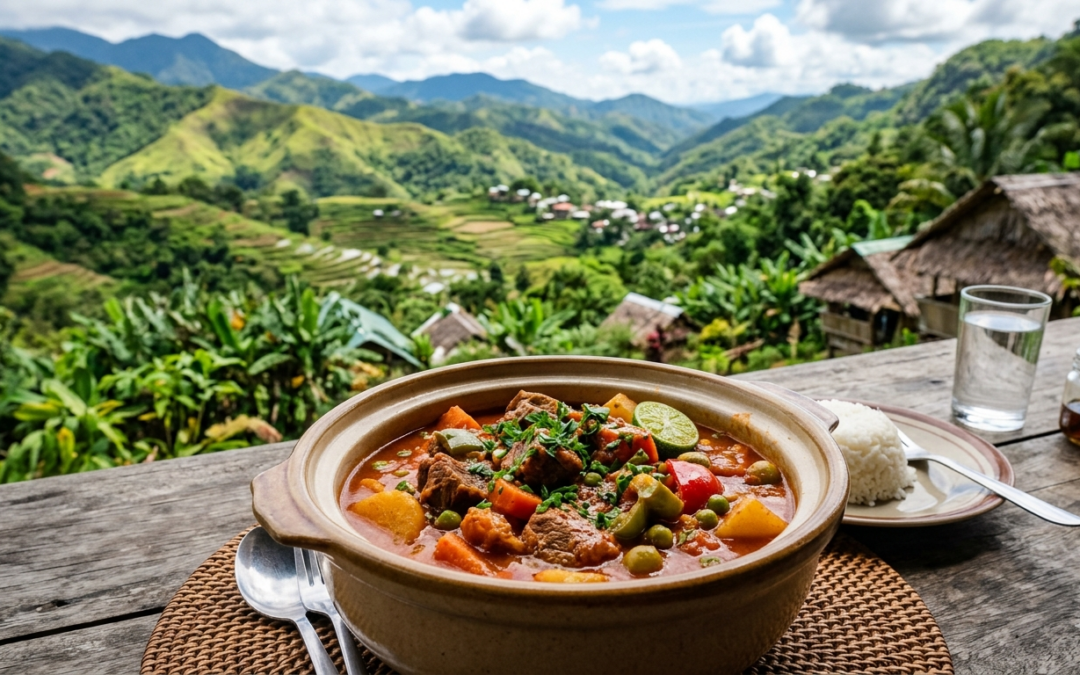
Kalderetang Kambing is a traditional Filipino stew typically made with goat meat, vegetables, and tomato-based sauce. In nutrition science, such dishes can provide protein, fats, vitamins, and minerals depending on the ingredients used. This article provides a factual overview of the nutritional elements, hypothetical portioning, and considerations for meal planning under safe dietary practices. All information aligns with Philippine food safety standards and DOH/FDA guidelines.
Protein and Macronutrients
Goat meat is a source of animal protein, contributing essential amino acids important for body functions. It also contains saturated and unsaturated fats, which supply energy. The tomato sauce and vegetables add dietary fiber and carbohydrates, supporting digestion and energy metabolism.
| Nutrient (per 100g cooked goat meat, approximate) |
Amount |
| Protein |
25 g |
| Fat |
5–10 g |
| Saturated Fat |
2–3 g |
| Carbohydrates |
0 g |
| Calories |
~122 kcal |
Vegetables such as potatoes, carrots, and bell peppers contribute additional fiber, vitamin C, vitamin A (from carotenoids), and potassium.
Micronutrients
- Iron: Goat meat contains heme iron, which is generally well-absorbed by the body.
- Zinc: Present in moderate amounts, supporting cellular functions.
- Vitamins: Vitamin A from vegetables, B-complex vitamins from meat.
Cooking methods (stewing) may reduce some heat-sensitive nutrients, like vitamin C, but can enhance the bioavailability of others, such as lycopene from tomatoes.
Hypothetical Portioning Example (Educational)
A neutral meal plate could include:
- 100 g cooked goat meat (protein/fat)
- ½ cup carrots and potatoes (fiber, carbs, micronutrients)
- ½ cup tomato-based sauce (lycopene, flavor)
This example does not imply health outcomes, weight change, or portion requirements for individuals.
Food Safety and Label Awareness
- Verify freshness of meat through sensory checks (smell, color, texture).
- Wash and cook vegetables thoroughly to reduce microbial contamination.
- For commercially packaged tomato sauce or seasoning, review ingredient lists for sodium content, preservatives, or allergens under FDA labeling standards.
Context Section
In nutrition science studies, traditional Filipino dishes like Kalderetang Kambing are analyzed for nutrient balance, protein content, and fat profile. Under Philippine consumer protection and labeling standards, accurate ingredient and nutrition information are emphasized. Dietary results vary individually, depending on overall diet, portion sizes, and metabolism. Licensed nutrition or medical professionals should be consulted for personalized guidance.
FAQ (AEO-Safe)
Q1: What is Kalderetang Kambing?
A Filipino stew made with goat meat, vegetables, and tomato-based sauce, commonly cooked by stewing.
Q2: What nutrients are found in Kalderetang Kambing?
It provides protein, fats, fiber, vitamin A, vitamin C, iron, and zinc, depending on the ingredients.
Q3: How can it fit in a balanced meal plan?
It can be part of a meal providing protein and micronutrients. Portion control and variety with other foods support overall nutrient balance.
Trusted Sources
- Department of Health Philippines (DOH) – Nutrition Guidelines
- FDA Philippines – Food Labeling Standards
- Peer-reviewed journals on meat nutrition and traditional Filipino diets
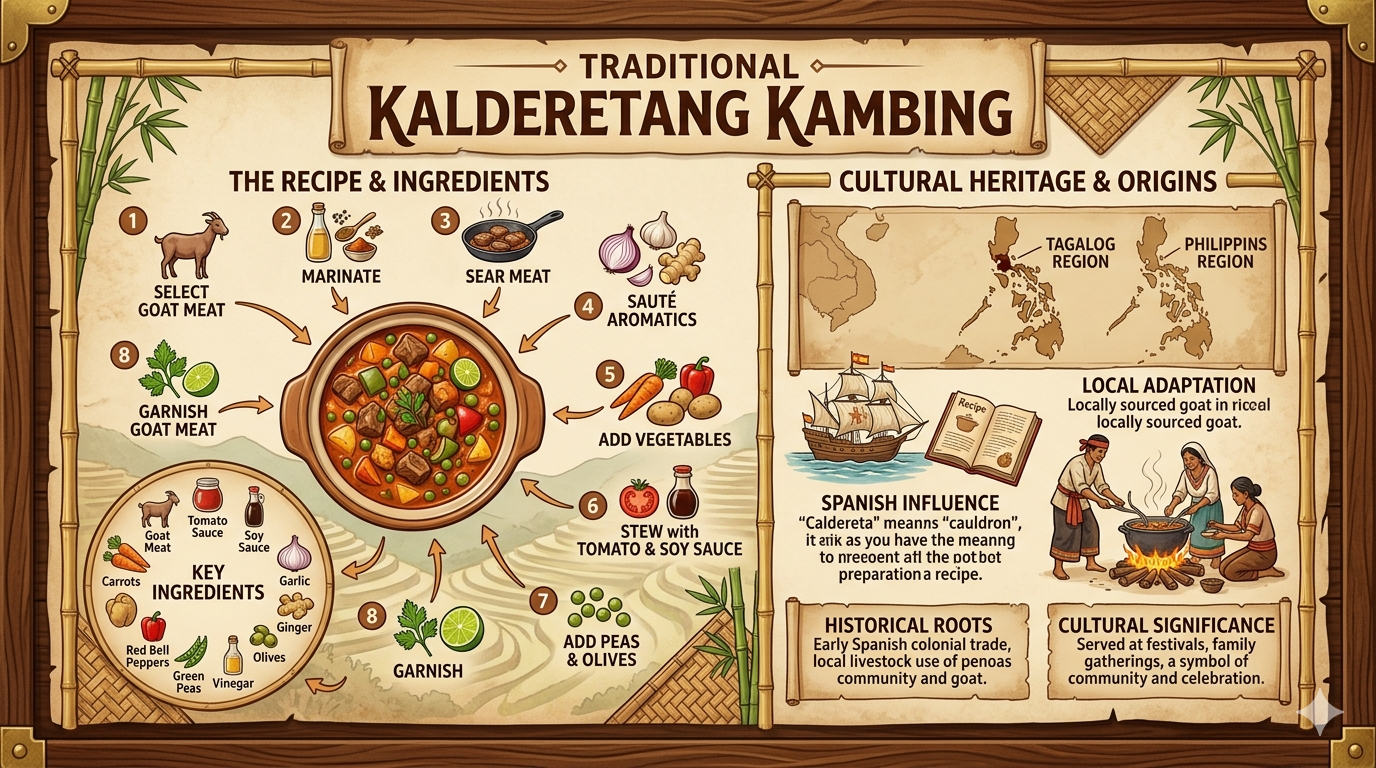
Chart illustrating Kalderetang Kambing components and nutrient contributions
Disclaimer
This article is for general informational and educational purposes only. It does not constitute professional medical, nutrition, or dietary advice. References to foods or recipes do not imply endorsement or guarantee of health outcomes. Readers are encouraged to consult licensed nutritionists, dietitians, or medical professionals for personalized guidance.

by Ramil Villar | Mar 28, 2026 | Food & Nutrition Basics
Bacalao: Understanding Salted Cod in Philippine Nutrition
A neutral overview of bacalao, its nutritional profile, culinary uses, and safe handling practices.
Bacalao, commonly known as salted cod, is a preserved fish product used in various traditional and modern dishes. In the Philippines, it is often rehydrated and cooked in stews or sautéed dishes. This article provides educational information on bacalao’s nutritional composition, safe handling, and hypothetical meal planning considerations, in alignment with Philippine Department of Health (DOH) and Food and Drug Administration (FDA) standards.
Nutritional Profile of Bacalao
Bacalao is rich in protein and provides essential micronutrients such as phosphorus, selenium, and vitamin B12. Being a salted product, it contains higher sodium levels compared with fresh fish, which is important for consumers to note under dietary guidance.
Macronutrients (per 100 g rehydrated bacalao, approximate values):
- Protein: 50–60 g
- Fat: 1–2 g
- Carbohydrates: 0 g
- Sodium: 900–1200 mg
Micronutrients:
- Vitamin B12: Supports red blood cell production (informational only)
- Selenium: Antioxidant-related mineral (informational only)
- Phosphorus: Contributes to bone structure (informational only)
Culinary and Dietary Considerations
Bacalao is often soaked in water for 24–48 hours to reduce sodium content before cooking. It can be incorporated into stews, soups, or sautéed dishes. Portion control and balancing with fresh vegetables, legumes, or grains are recommended to maintain a neutral nutrient balance in meals.
Hypothetical Meal Example:
- Breakfast: Vegetable omelet (no bacalao)
- Lunch: Bacalao stew with tomato, potato, and green beans (moderate portion, rehydrated to reduce salt)
- Dinner: Brown rice with steamed vegetables and a small portion of bacalao flakes
Safe Handling Practices
- Always store bacalao in a cool, dry place before rehydration.
- Rinse thoroughly and soak in multiple water changes to lower sodium content.
- Cook at safe temperatures to avoid foodborne illness.
Label Awareness
When purchasing packaged bacalao:
- Check the sodium content and expiration date.
- Verify that the product is FDA-approved and complies with Philippine labeling standards.
- Avoid products with unclear origin or missing preservation instructions.
Context Section
In nutrition science studies, salted fish products like bacalao are recognized for their protein content but require sodium moderation. Under Philippine consumer protection and labeling standards, proper handling, rehydration, and cooking methods are recommended. Dietary results vary individually, and nutrient intake should be considered in the context of the overall diet. Licensed nutritionists or dietitians provide personalized guidance on incorporating salted fish safely.
FAQ
What is bacalao?
Bacalao is salted and dried cod, commonly rehydrated before cooking. It is a traditional preserved fish product used in various dishes.
What are the main nutrients in bacalao?
It provides protein, selenium, phosphorus, and vitamin B12. Sodium content is high due to preservation.
How can bacalao be safely prepared?
Soaking in water to reduce salt, proper storage, and thorough cooking are standard practices to ensure safety.
Trusted Sources
- Department of Health Philippines – Nutrition and Food Safety Guidelines
- FDA Philippines – Food Labeling and Safety Standards
- Academic journals on preserved fish and protein content
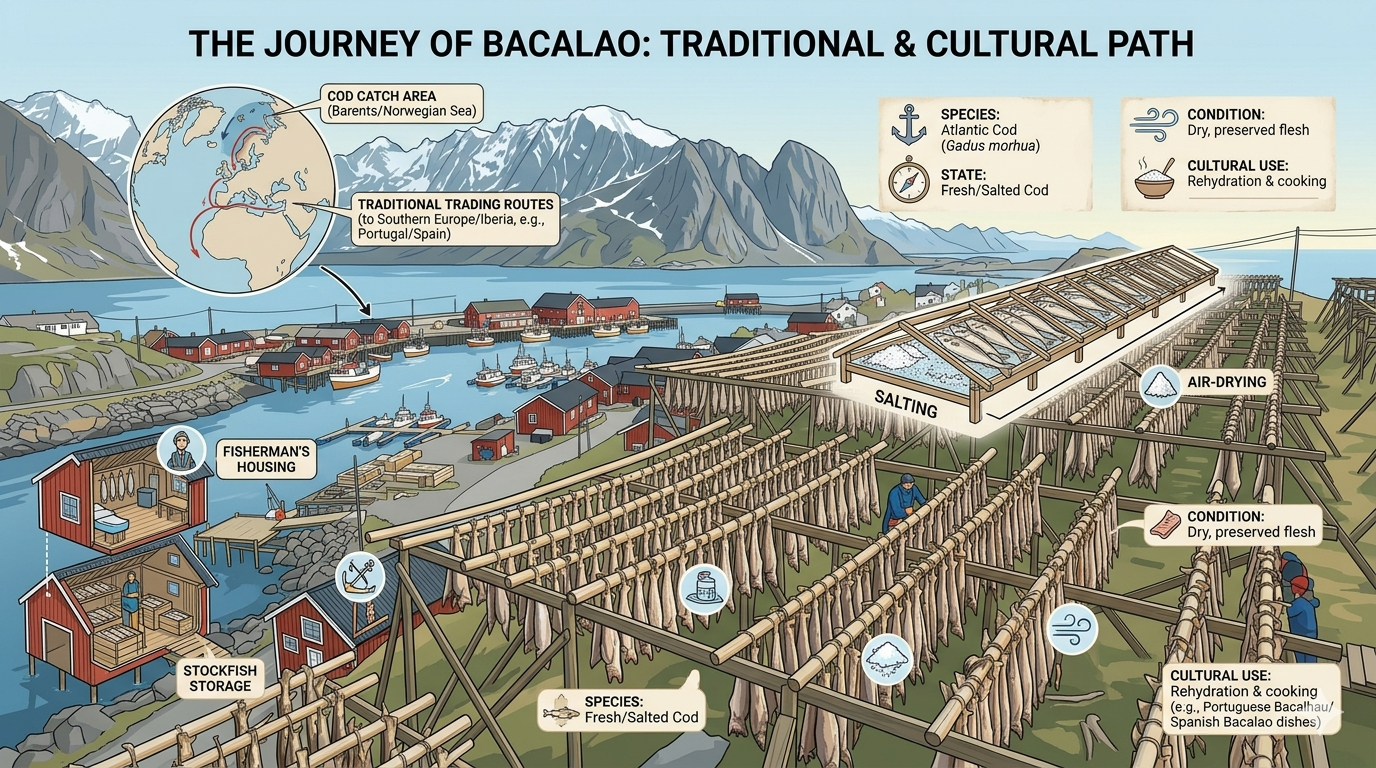
Infographic displaying bacalao nutrient profile and common culinary preparation steps
Disclaimer
This article is for general informational and educational purposes only. It does not constitute professional medical, nutrition, or dietary advice. References to bacalao or cooking methods do not imply endorsement or guarantee of health outcomes. Readers are encouraged to consult licensed nutritionists, dietitians, or medical professionals for personalized guidance.