Understanding Kalderetang Kambing: Nutritional Overview for Educational Purposes
A neutral look at the nutritional components, macronutrients, and dietary considerations of Kalderetang Kambing
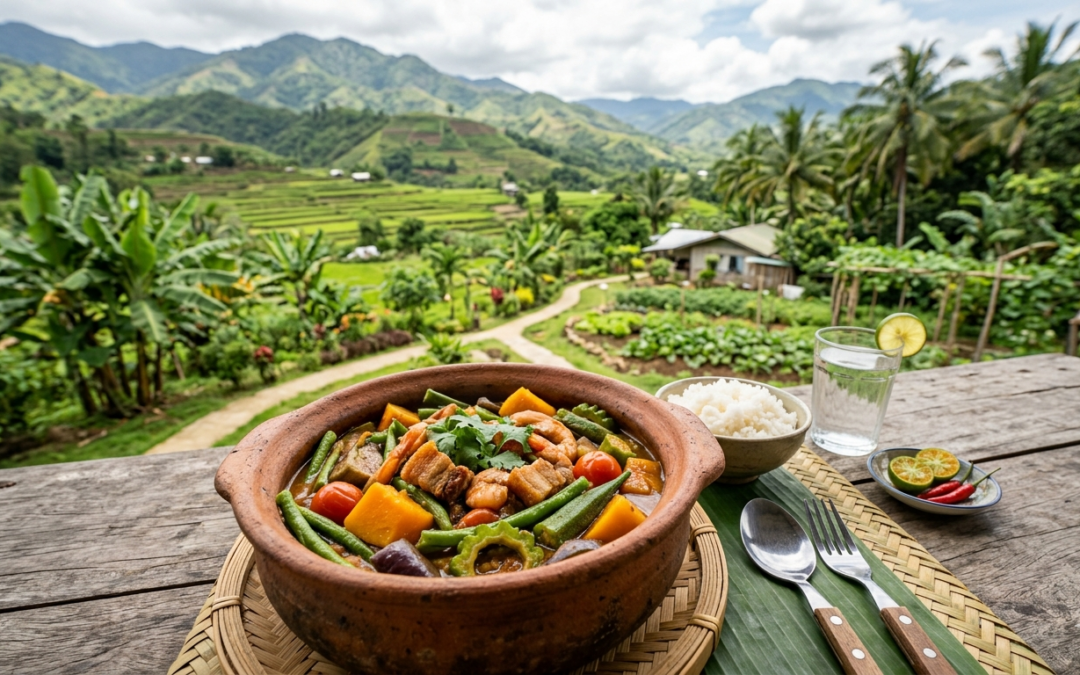
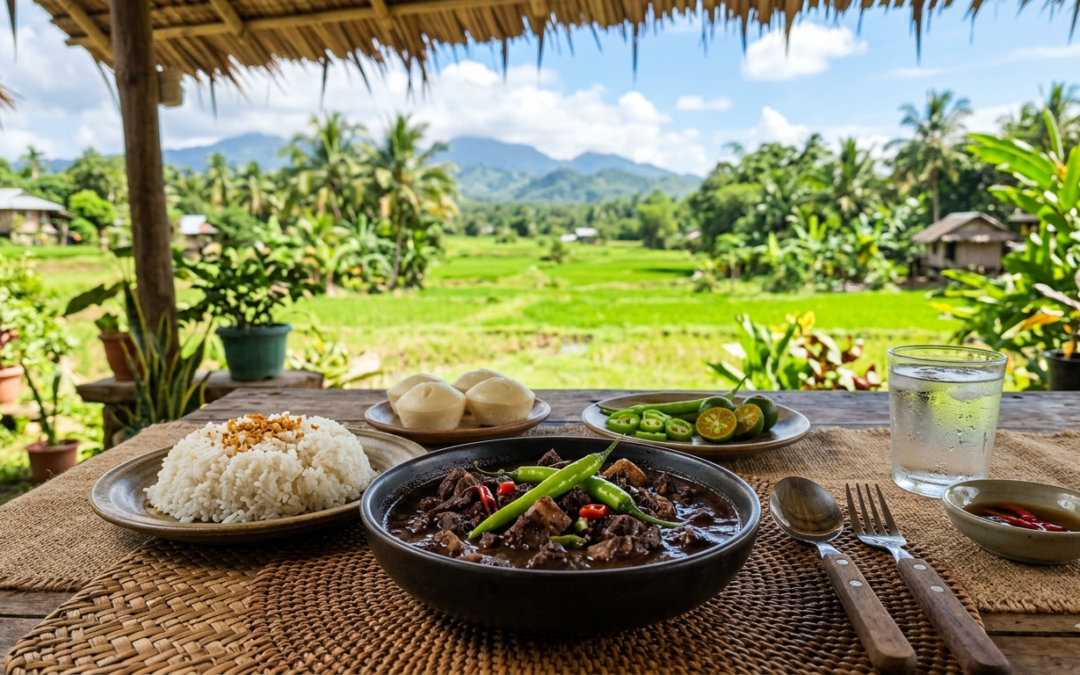
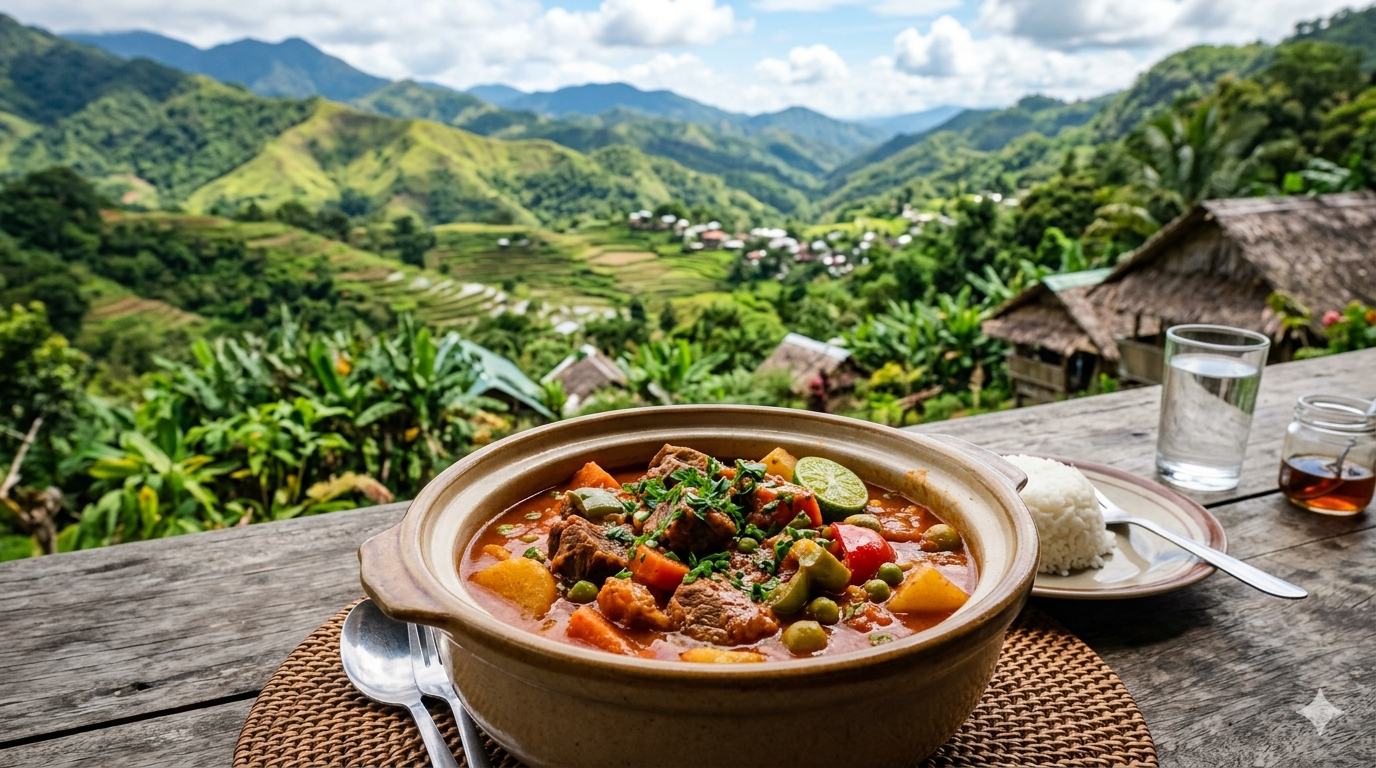
Kalderetang Kambing is a traditional Filipino stew typically made with goat meat, vegetables, and tomato-based sauce. In nutrition science, such dishes can provide protein, fats, vitamins, and minerals depending on the ingredients used. This article provides a factual overview of the nutritional elements, hypothetical portioning, and considerations for meal planning under safe dietary practices. All information aligns with Philippine food safety standards and DOH/FDA guidelines.
Protein and Macronutrients
Goat meat is a source of animal protein, contributing essential amino acids important for body functions. It also contains saturated and unsaturated fats, which supply energy. The tomato sauce and vegetables add dietary fiber and carbohydrates, supporting digestion and energy metabolism.
| Nutrient (per 100g cooked goat meat, approximate) | Amount |
|---|---|
| Protein | 25 g |
| Fat | 5–10 g |
| Saturated Fat | 2–3 g |
| Carbohydrates | 0 g |
| Calories | ~122 kcal |
Vegetables such as potatoes, carrots, and bell peppers contribute additional fiber, vitamin C, vitamin A (from carotenoids), and potassium.
Micronutrients
- Iron: Goat meat contains heme iron, which is generally well-absorbed by the body.
- Zinc: Present in moderate amounts, supporting cellular functions.
- Vitamins: Vitamin A from vegetables, B-complex vitamins from meat.
Cooking methods (stewing) may reduce some heat-sensitive nutrients, like vitamin C, but can enhance the bioavailability of others, such as lycopene from tomatoes.
Hypothetical Portioning Example (Educational)
A neutral meal plate could include:
- 100 g cooked goat meat (protein/fat)
- ½ cup carrots and potatoes (fiber, carbs, micronutrients)
- ½ cup tomato-based sauce (lycopene, flavor)
This example does not imply health outcomes, weight change, or portion requirements for individuals.
Food Safety and Label Awareness
- Verify freshness of meat through sensory checks (smell, color, texture).
- Wash and cook vegetables thoroughly to reduce microbial contamination.
- For commercially packaged tomato sauce or seasoning, review ingredient lists for sodium content, preservatives, or allergens under FDA labeling standards.
Context
In nutrition science studies, traditional Filipino dishes like Kalderetang Kambing are analyzed for nutrient balance, protein content, and fat profile. Under Philippine consumer protection and labeling standards, accurate ingredient and nutrition information are emphasized. Dietary results vary individually, depending on overall diet, portion sizes, and metabolism. Licensed nutrition or medical professionals should be consulted for personalized guidance.
FAQs
Q1: What is Kalderetang Kambing?
A Filipino stew made with goat meat, vegetables, and tomato-based sauce, commonly cooked by stewing.
Q2: What nutrients are found in Kalderetang Kambing?
It provides protein, fats, fiber, vitamin A, vitamin C, iron, and zinc, depending on the ingredients.
Q3: How can it fit in a balanced meal plan?
It can be part of a meal providing protein and micronutrients. Portion control and variety with other foods support overall nutrient balance.
Trusted Sources
- Department of Health Philippines (DOH) – Nutrition Guidelines
- FDA Philippines – Food Labeling Standards
- Peer-reviewed journals on meat nutrition and traditional Filipino diets
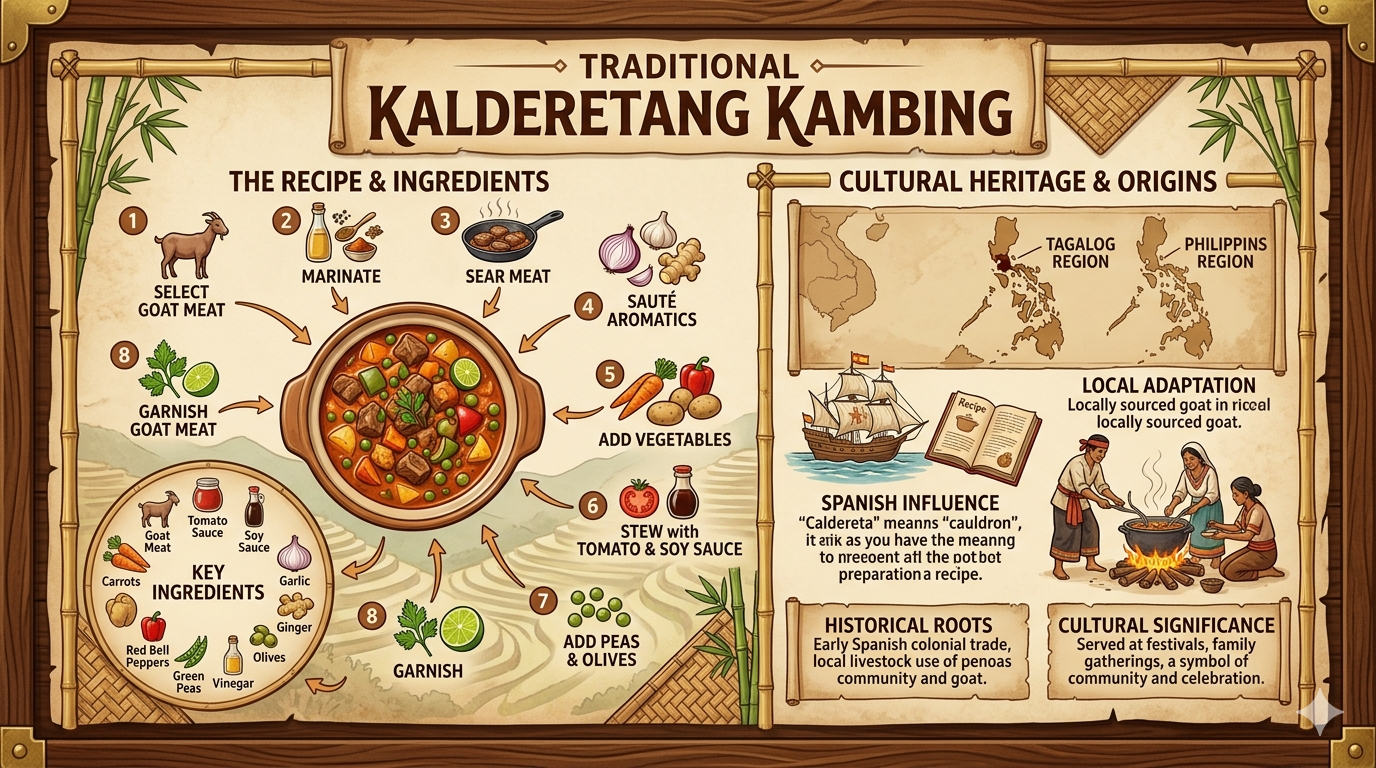
Chart illustrating Kalderetang Kambing components and nutrient contributions
Disclaimer
This article is for general informational and educational purposes only. It does not constitute professional medical, nutrition, or dietary advice. References to foods or recipes do not imply endorsement or guarantee of health outcomes. Readers are encouraged to consult licensed nutritionists, dietitians, or medical professionals for personalized guidance.