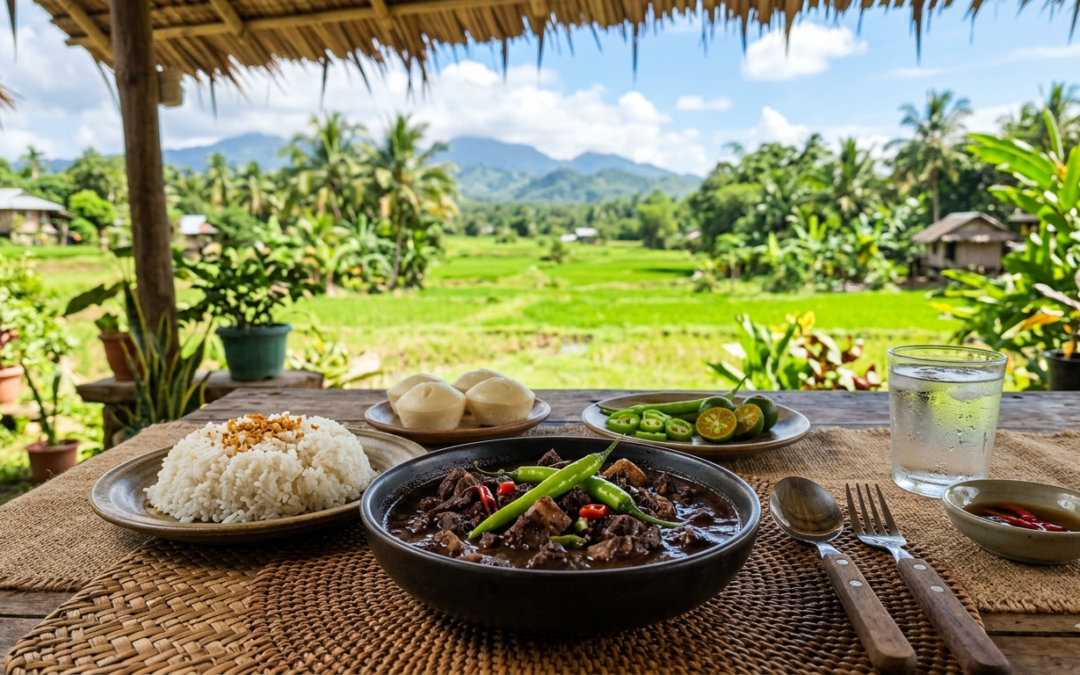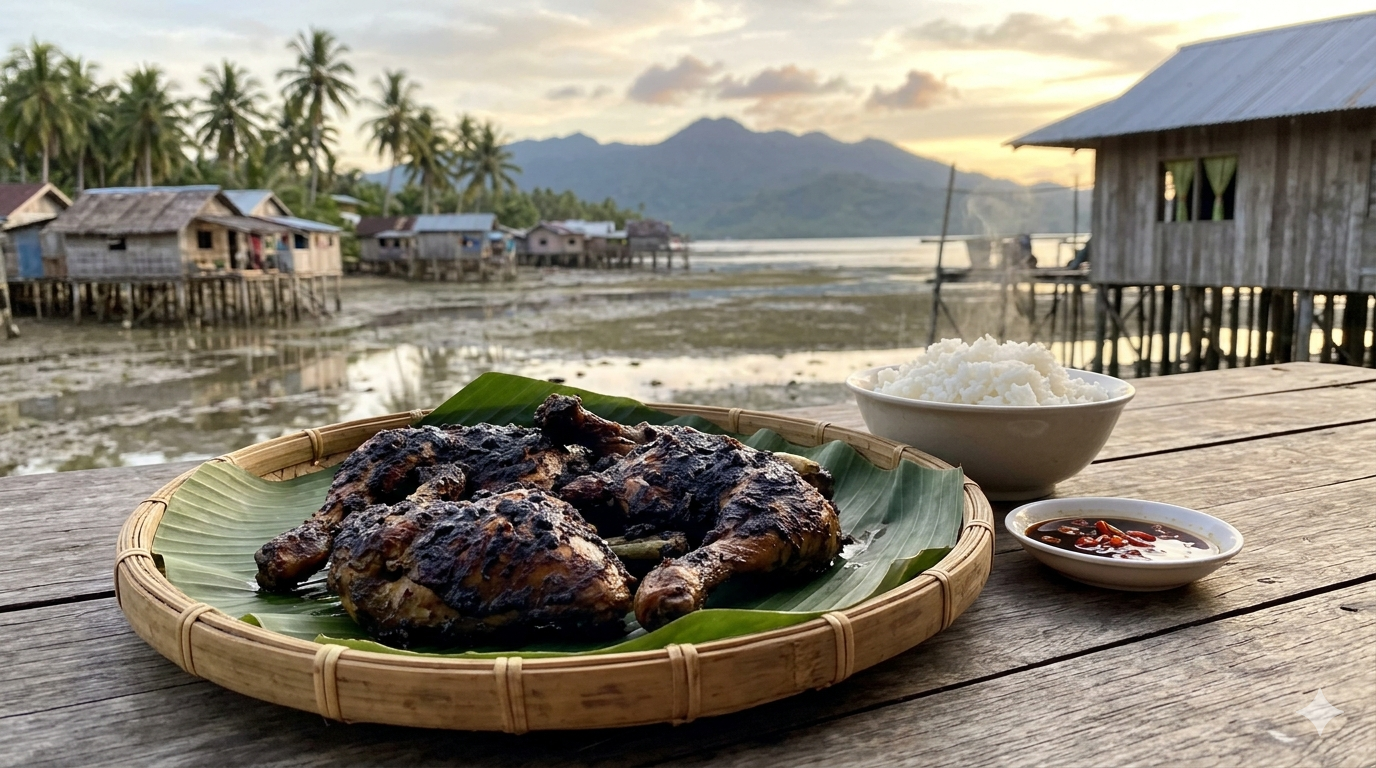
Piyanggang Manok: Nutritional Overview and Culinary Context
A neutral look at the ingredients, macronutrients, and meal considerations of a traditional Filipino dish.
Piyanggang Manok is a traditional Filipino chicken dish originating from the Tausug region of Mindanao. Known for its distinctive use of turmeric and coconut milk, this dish combines protein-rich chicken with various spices and herbs. Under Philippine food safety and labeling standards, understanding the nutritional components of dishes like Piyanggang Manok can help consumers make informed dietary decisions. This article reviews the typical ingredients, macronutrient content, and considerations for incorporating the dish into a balanced meal plan.
Ingredients and Nutrition
Piyanggang Manok typically includes:
- Chicken (breast or thigh) – source of protein and B vitamins
- Turmeric – contains curcumin, a plant-based compound with antioxidant properties
- Coconut milk – provides fats, primarily medium-chain triglycerides
- Garlic, onions, ginger – aromatic vegetables contributing small amounts of fiber and micronutrients
- Lemongrass, chili, and other spices – flavor components with minimal caloric impact
Macronutrient Overview (approximate per 1 cup serving):
- Protein: 20–25 g
- Fat: 10–15 g (depending on coconut milk quantity)
- Carbohydrates: 5–10 g (from spices and minor vegetable content)
- Fiber: 1–2 g
Nutritional content varies based on portion size, cooking method, and ingredients. For example, using chicken breast reduces fat content, while additional coconut milk increases it.
Hypothetical Meal Planning Scenario
A neutral meal plan including Piyanggang Manok might be:
- 1 cup Piyanggang Manok
- ½ cup steamed brown rice or a local rice variety
- 1 cup sautéed or steamed vegetables (e.g., sitaw, ampalaya, or pechay)
This combination provides a balance of protein, carbohydrates, and fiber, while incorporating local, nutrient-dense foods. Portion sizes can be adjusted according to individual dietary needs or preferences.
Safe Eating and Consumer Considerations
- When preparing Piyanggang Manok, ensure chicken is cooked to a safe internal temperature (≥74°C / 165°F) to reduce the risk of foodborne illness.
- Consumers using canned or packaged coconut milk should check expiration dates and ingredient lists.
- For individuals monitoring fat intake, moderating coconut milk quantity or using light coconut milk may be considered.
Context
In nutrition science studies, traditional dishes such as Piyanggang Manok can be evaluated for macronutrient composition and dietary patterns. Under Philippine consumer protection and labeling standards, accurate ingredient identification and preparation safety are emphasized. Dietary outcomes vary individually, and inclusion of any food should consider overall meal balance and personal nutrition requirements. Consulting licensed nutrition or medical professionals is recommended for tailored dietary guidance.
FAQs
What is Piyanggang Manok?
Piyanggang Manok is a Filipino chicken dish seasoned with turmeric, coconut milk, and aromatic spices, originating from the Tausug people of Mindanao.
What are the main nutrients in Piyanggang Manok?
It provides protein from chicken, fats from coconut milk, and small amounts of fiber and micronutrients from spices and aromatics.
Can it be part of a balanced meal?
When paired with vegetables and grains, Piyanggang Manok can contribute to a meal with a mix of macronutrients, suitable for general dietary planning.
Trusted Sources
- Department of Health Philippines – Nutrition Guidelines (https://doh.gov.ph/nutrition)
- Food and Drug Administration Philippines – Food Safety and Labeling Guidelines (https://www.fda.gov.ph/)
- Philippine Dietary Reference Intakes (PDRI) – Food and Nutrition Research Institute, DOST
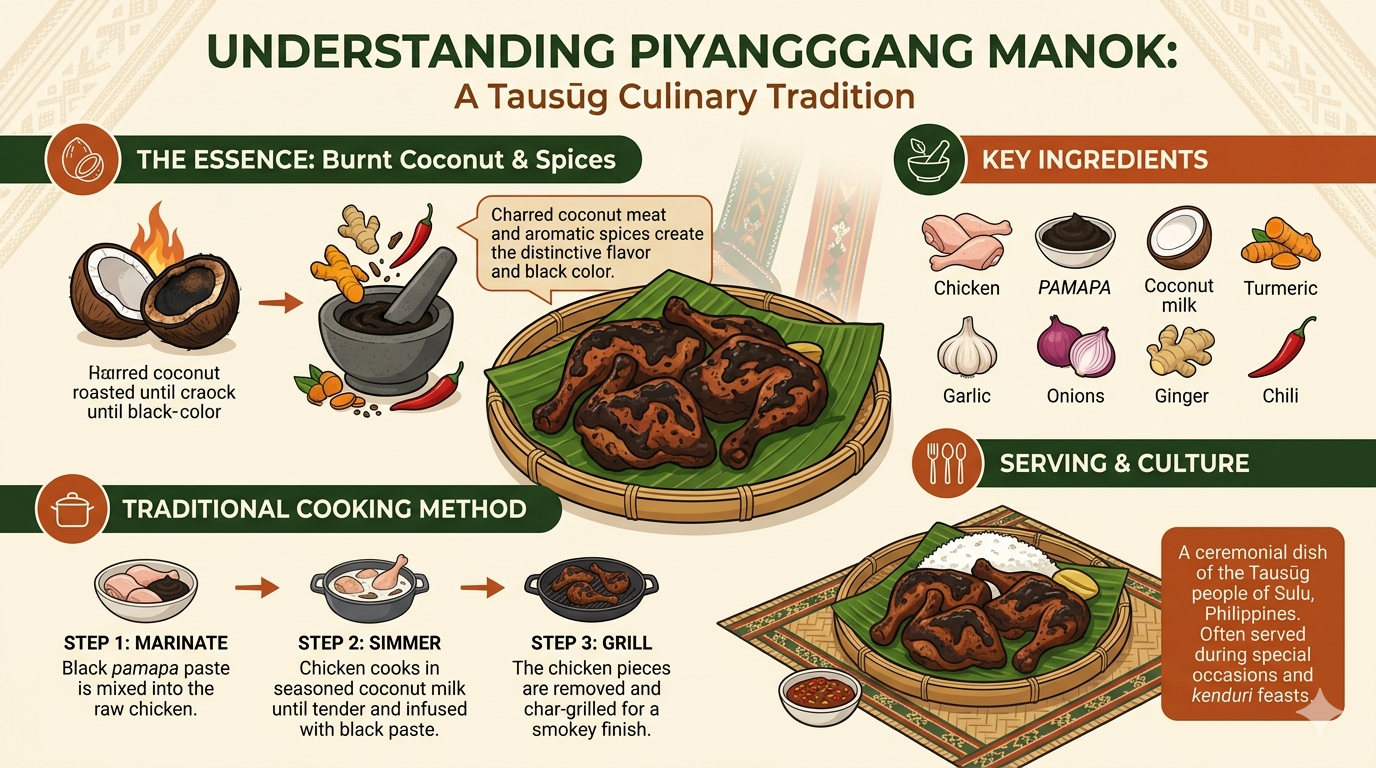
Illustrative infographic showing the components of Piyanggang Manok
Disclaimer
This article is for general informational and educational purposes only. It does not constitute professional medical, nutrition, or dietary advice. References to dishes, foods, or ingredients do not imply endorsement or guarantee of health outcomes. Readers are encouraged to consult licensed nutritionists, dietitians, or medical professionals for personalized guidance.