Pomelo: An Educational Overview of Its Nutritional Profile
A neutral guide to the nutrients, dietary considerations, and consumer awareness of pomelo.
Pomelo is a citrus fruit commonly found in Southeast Asia, including the Philippines. This article provides a neutral overview of its nutrient content, dietary role, and safe consumption practices. It also highlights relevant food labeling and consumer guidance based on DOH and FDA Philippines standards.
Nutritional Composition
Pomelo is a source of water, carbohydrates, dietary fiber, and small amounts of protein. It contains vitamins and minerals, notably vitamin C, potassium, and folate. Its natural sugars contribute to energy content, while fiber supports digestive health.
Macronutrients & Micronutrients (per 100g, approximate)
| Nutrient | Content |
|---|---|
| Calories | 38 kcal |
| Carbohydrates | 9.6 g |
| Dietary Fiber | 1 g |
| Protein | 0.8 g |
| Fat | 0.04 g |
| Vitamin C | 61 mg |
| Potassium | 216 mg |
| Folate | 16 µg |
Dietary Role
Pomelo can be included as part of a balanced diet emphasizing variety across food groups. It may be consumed fresh, juiced, or in salads. Portion control is informational, with typical serving sizes ranging from 100–200 g per snack or meal component.
Consumer Awareness
- Verify freshness by selecting fruits without visible mold or damage.
- Check labeling if purchased pre-packed, noting origin, weight, and expiration.
- Wash thoroughly before consumption to remove surface contaminants.
Context
In nutrition science studies, citrus fruits like pomelo contribute to overall nutrient variety in diets. Under Philippine consumer protection and labeling standards, accurate fruit labeling ensures transparency about origin and nutrient content. Dietary results vary individually; personal nutrition needs depend on age, activity level, and health conditions.
FAQs
What nutrients are in pomelo?
Pomelo provides carbohydrates, fiber, vitamin C, potassium, and small amounts of protein and folate.
Is pomelo high in calories?
Pomelo is relatively low in calories, with approximately 38 kcal per 100 grams.
How is pomelo typically consumed?
Pomelo can be eaten fresh, juiced, or added to salads as part of a varied diet.
Trusted Sources
- Department of Health (DOH) Philippines, Nutrition Guidelines
- FDA Philippines, Food Labeling Guidelines
- USDA FoodData Central (for citrus nutrient values)
- Peer-reviewed nutrition journals on fruit nutrient composition
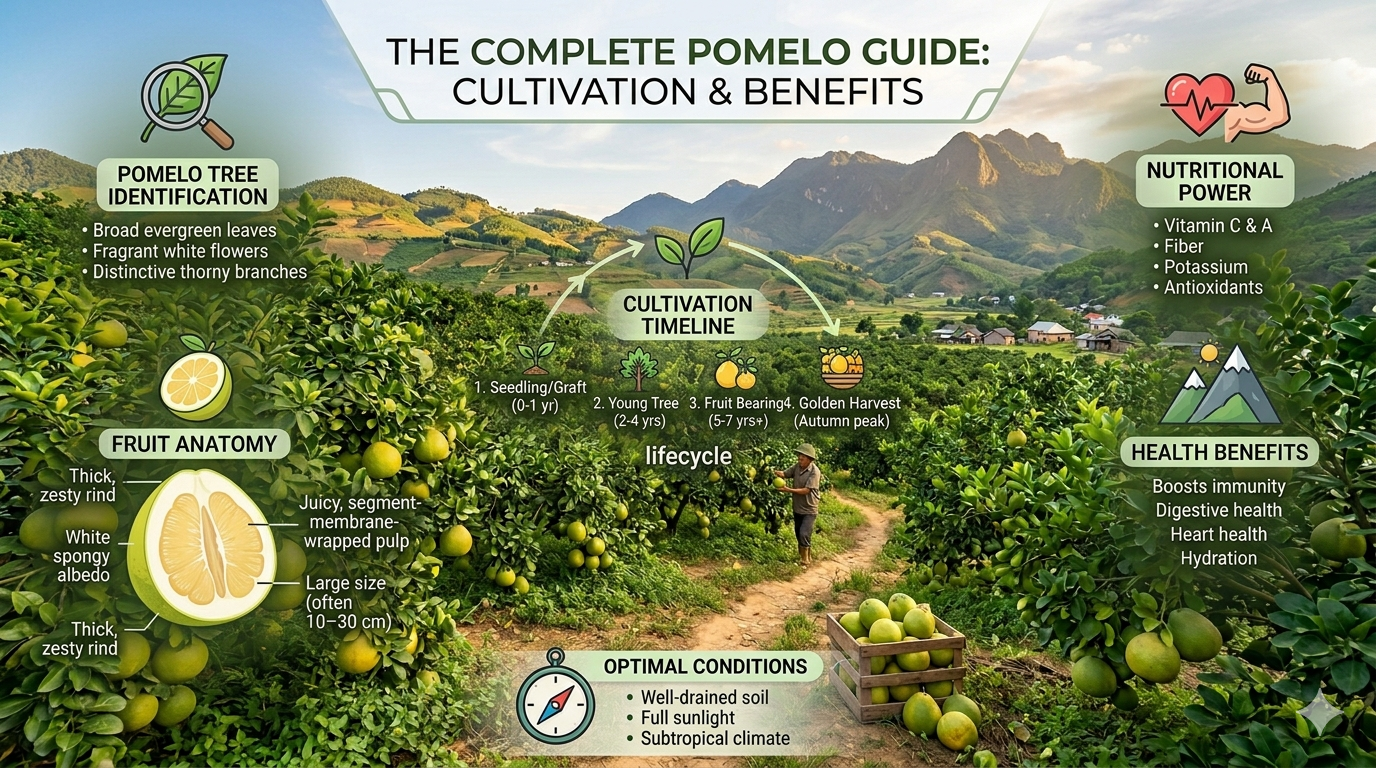
Infographic displaying macronutrients and micronutrients of pomelo
Disclaimer
This article is for general informational and educational purposes only. It does not constitute professional medical, nutrition, or dietary advice. References to foods or fruits do not imply endorsement or guarantee of health outcomes. Readers are encouraged to consult licensed nutritionists, dietitians, or medical professionals for personalized guidance.