Exploring Bukidnon Beef: Nutritional Insights and Meal Planning
A neutral overview of beef nutrition, food preparation considerations, and illustrative meal ideas using Bukidnon beef.
This article provides an educational overview of beef, focusing on Bukidnon-sourced beef. It covers nutritional components, safe preparation practices, and sample meal planning examples. Information is presented in accordance with Philippine food safety and labeling standards (DOH, FDA Philippines, DTI) and global nutrition guidance. Readers will gain an understanding of how beef can contribute to balanced diets without implying health or weight outcomes.
Nutritional Overview of Beef
Beef is a source of several macronutrients and micronutrients. Key components include:
- Protein: Supports tissue maintenance and growth; content varies by cut.
- Fat: Includes saturated and unsaturated fats; trimming visible fat can adjust fat intake.
- Micronutrients: Iron, zinc, vitamin B12, and other B vitamins.
Beef from Bukidnon may vary in nutrient content depending on breed, feed, and cut type. Nutrient density is higher in lean cuts.
Food Safety and Preparation
Under Philippine food safety regulations (FDA Philippines, DOH), handling and preparation of beef should follow these guidelines:
- Store at appropriate refrigeration temperatures (≤ 4°C) or freeze for longer-term storage.
- Cook beef to internal temperatures that reduce microbial risks (≥ 63°C for medium-rare, ≥ 71°C for well-done).
- Avoid cross-contamination with raw vegetables or cooked foods.
- Follow LGU and FDA labeling guidelines when purchasing packaged beef products.
Hypothetical Meal Planning with Bukidnon Beef
These examples are illustrative only and do not imply any health or weight outcomes.
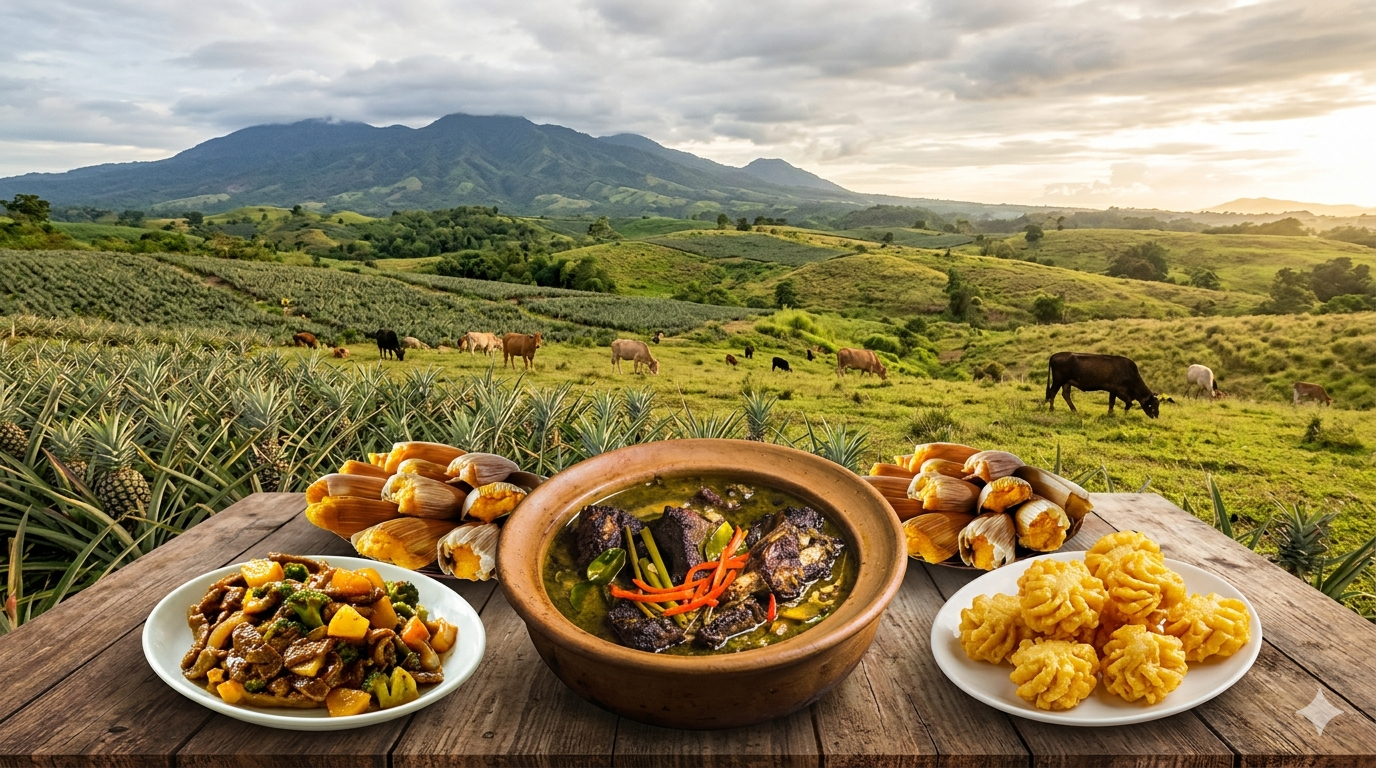
Example 1: Beef and Vegetable Stir-Fry
- 100 g lean Bukidnon beef strips
- 1 cup mixed vegetables (carrots, bell peppers, green beans)
- 1 tsp cooking oil
- Serve with ½ cup cooked brown rice
Nutrient snapshot (approximate):
- Protein: 20 g
- Carbohydrates: 22 g
- Fat: 7 g
Example 2: Beef Nilaga (Boiled Beef Soup)
- 120 g lean beef chunks
- 1 cup cabbage, ½ cup potatoes, ½ cup corn
- Herbs and spices for flavor
- Serve with 1 cup rice
Nutrient snapshot (approximate):
- Protein: 22 g
- Carbohydrates: 35 g
- Fat: 8 g
Example 3: Beef Salad
- 80 g grilled beef slices
- 1 cup leafy greens (lettuce, spinach)
- ½ cup cucumber, tomatoes, onion
- Light vinaigrette (1 tsp oil + vinegar)
Nutrient snapshot (approximate):
- Protein: 18 g
- Carbohydrates: 8 g
- Fat: 6 g
These examples illustrate balanced nutrient distribution and variety; portion sizes can be adjusted according to individual needs under professional guidance.
Context
In nutrition science studies, beef provides high-quality protein and bioavailable micronutrients such as iron and B vitamins. Under consumer protection and labeling standards in the Philippines, accurate sourcing, storage, and preparation information is required for all meat products. Diet planning typically involves balancing macronutrients, considering portion sizes, and including a variety of foods. Nutrient content and dietary effects vary individually, and personal nutrition goals should be discussed with licensed nutritionists or medical professionals.
FAQs
What nutrients are found in beef?
Beef contains protein, fat, iron, zinc, and vitamin B12, among other nutrients. Levels vary by cut and preparation method.
What is lean beef?
Lean beef refers to cuts with lower visible fat content. Lean options may provide protein with relatively less fat.
How can beef be included in meal planning?
Beef can be combined with vegetables, grains, and legumes to create balanced meals. Portion sizes and frequency depend on individual nutrition goals.
Trusted Sources
- Department of Health (DOH Philippines) – Nutrition Advisories
- Food and Drug Administration Philippines – Food Safety Guidelines
- Philippine Dietetic Association – Nutritional Guidelines
- Peer-reviewed journals: Journal of Food Science, Nutrition Research Reviews
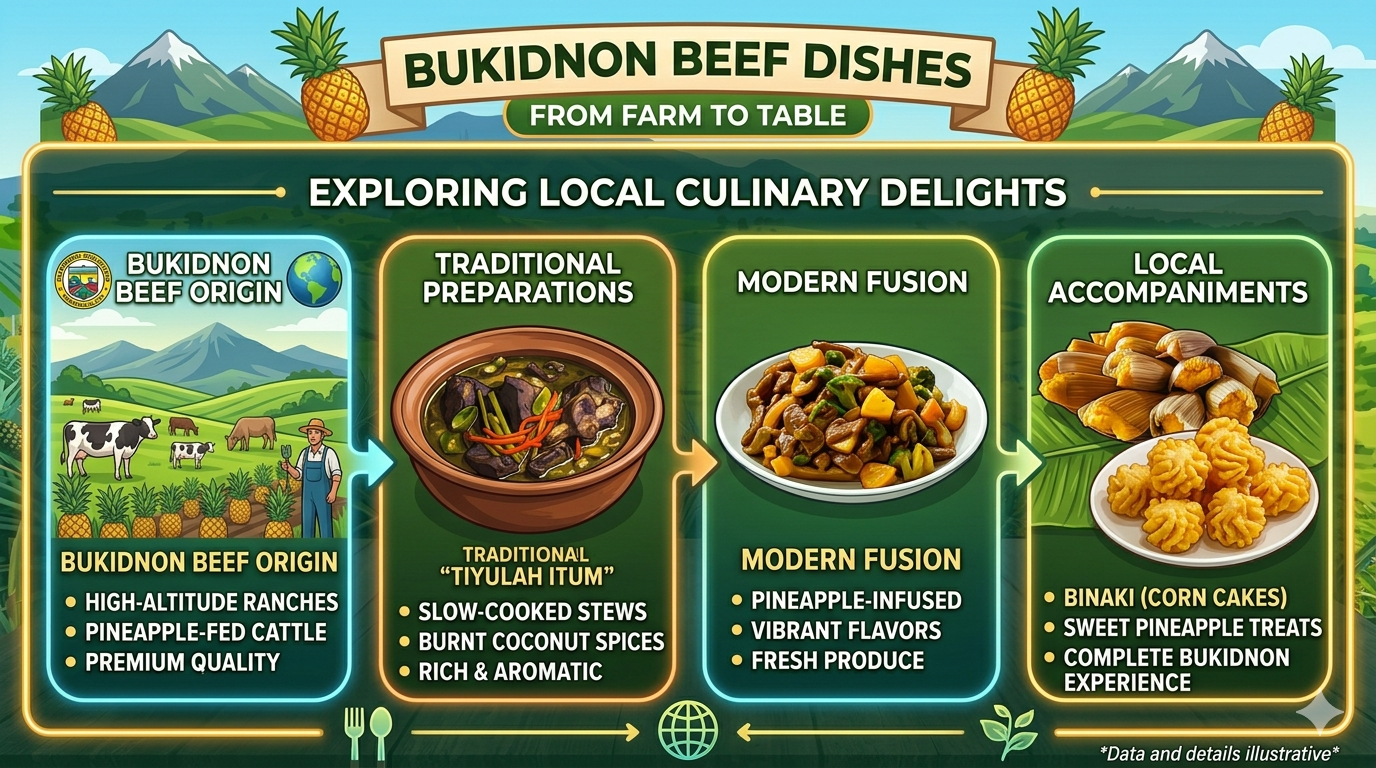
Infographic illustrating beef cut types, macronutrient content, and sample meal ideas
Disclaimer
This article is for general informational and educational purposes only. It does not constitute professional medical, nutrition, or dietary advice. References to foods or meal examples do not imply endorsement or guarantee of health outcomes. Readers are encouraged to consult licensed nutritionists, dietitians, or medical professionals for personalized guidance.