Understanding Pastel: A Nutritional Perspective on Sweet Bread
A neutral overview of pastel as a food item, its ingredients, and considerations for balanced eating.
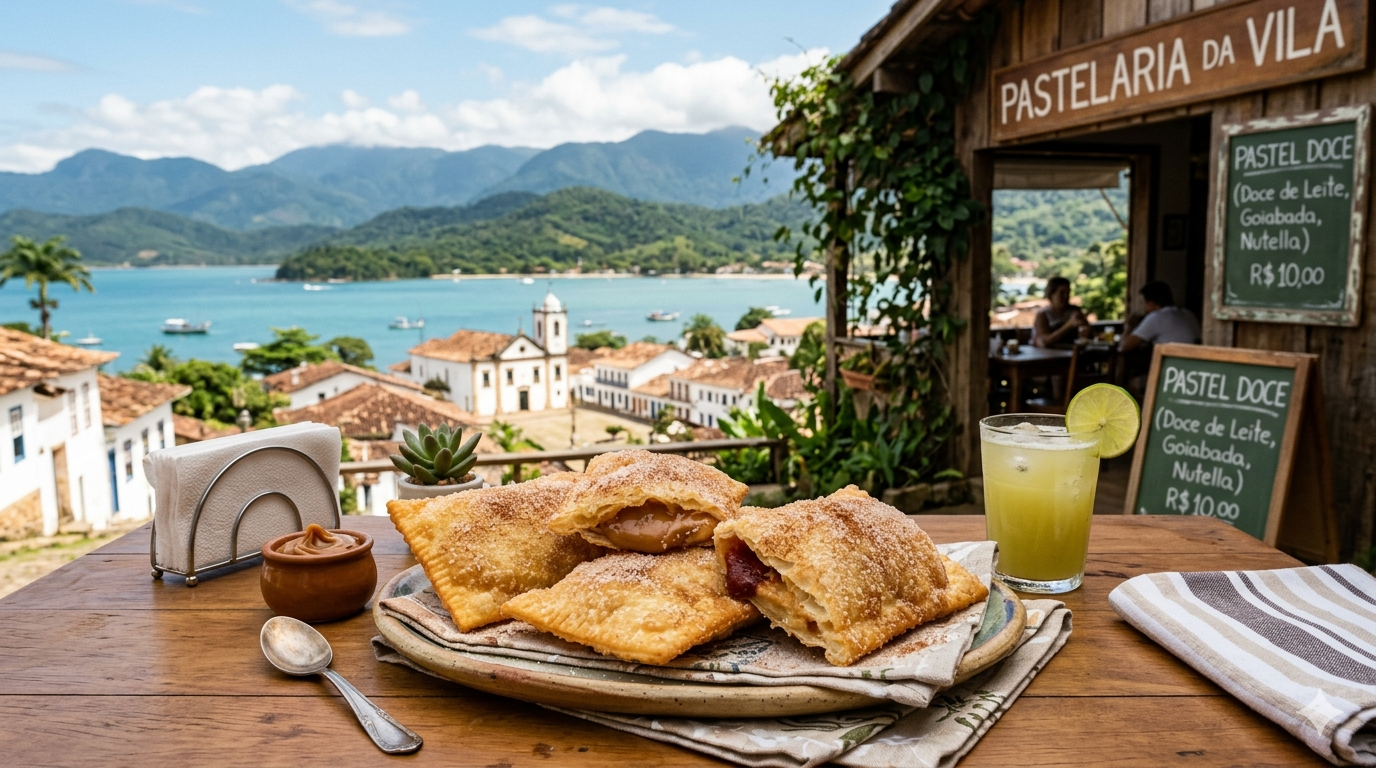
Pastel is a traditional Filipino sweet bread often filled with custard, cream, or fruit-based spreads. This article provides an educational overview of pastel, including its typical ingredients, nutritional composition, and considerations for incorporating it into a varied diet. The discussion aligns with guidelines from the Department of Health (DOH), the Food and Drug Administration (FDA Philippines), and general consumer protection standards.
Ingredients and Composition
Pastel typically contains the following components:
- Flour: Usually all-purpose or bread flour, providing carbohydrates.
- Sugar: Contributes to energy content but should be consumed in moderation.
- Eggs and Dairy: Often used in the filling or dough for protein, fat, and micronutrients such as calcium and vitamin D.
- Fats: Butter, margarine, or vegetable oils may be used, contributing saturated and unsaturated fats.
- Fillings: Custard, cheese, or fruit preserves supply varying amounts of sugar, protein, and micronutrients depending on the recipe.
Nutritional Considerations
- Carbohydrates: Pastel is primarily a source of energy from carbohydrates.
- Proteins and Fats: Eggs, milk, and butter contribute to protein and fat content, including essential amino acids and fatty acids.
- Micronutrients: Eggs and dairy provide calcium, vitamin D, and B vitamins. Fruit fillings may add small amounts of vitamin C.
- Sugars and Calories: Sweet bread is energy-dense; portion control is recommended for overall dietary balance.
Hypothetical Serving Example
A single medium pastel (approximately 80–100 g) may provide:
- Carbohydrates: 30–40 g
- Protein: 3–5 g
- Fat: 5–8 g
- Sugars: 10–15 g
This example illustrates typical nutrient contributions without implying any health outcome.
Consumer Awareness Tips
- Label Reading: When buying packaged pastel, examine nutrition labels for calorie content, sugar, and fat.
- Ingredient Verification: Check for additives, preservatives, and allergens if relevant.
- Portion Guidance: Moderate consumption is consistent with general dietary balance principles.
Context Section
In nutrition science studies, sweet breads like pastel are classified as energy-dense foods. Under consumer protection and labeling standards in the Philippines, food items must display accurate ingredient lists and nutrition information. Diet planning typically involves balancing energy-dense foods with nutrient-dense options such as vegetables, fruits, and whole grains. Dietary outcomes vary individually, and consultation with licensed nutrition or medical professionals is recommended for personalized guidance.
FAQs
What is pastel?
Pastel is a Filipino sweet bread often filled with custard, cream, or fruit-based spreads. It is primarily a source of carbohydrates and energy.
How does pastel fit into a balanced diet?
Pastel can be included in a varied diet as an occasional energy source, alongside nutrient-dense foods such as vegetables, fruits, and lean protein.
What should I check when buying pastel?
Consumers can review nutrition labels, ingredients, and allergen information to make informed choices, as required under FDA Philippines standards.
Trusted Sources
- Department of Health (DOH Philippines) — Nutrition Guidelines
- Food and Drug Administration (FDA Philippines) — Food Labeling Standards
- Philippine Dietetic Association — Official Nutrition References
- Peer-reviewed nutrition journals on carbohydrate and sweet bread consumption
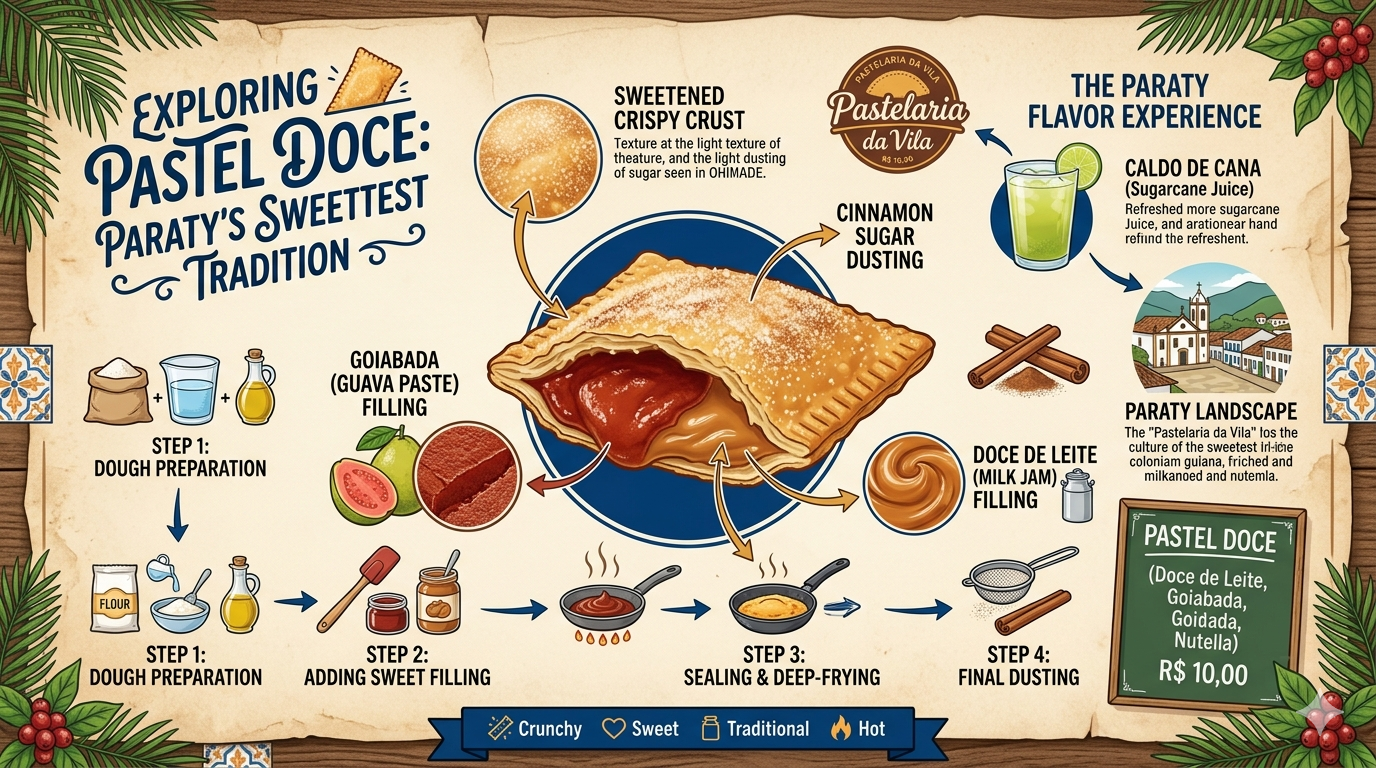
Illustrative infographic showing pastel bread ingredients and typical components.
Disclaimer
This article is for general informational and educational purposes only. It does not constitute professional medical, nutrition, or dietary advice. References to foods like pastel do not imply endorsement or guarantee of health outcomes. Readers are encouraged to consult licensed nutritionists, dietitians, or medical professionals for personalized guidance.