Understanding Danggit Lamayo: A Nutritional Overview
A neutral guide to the preparation, nutritional content, and safe consumption of danggit lamayo.
Danggit lamayo is a lightly cured form of rabbitfish commonly consumed in the Philippines. Unlike fried or smoked variants, lamayo involves marinating the fish in mild seasonings without deep frying. This article provides an educational overview of danggit lamayo, including its nutrient composition, safe handling, and considerations for including it in balanced meals.
Nutritional Details
- Protein: Danggit lamayo is a source of high-quality protein, which contributes to dietary protein requirements for maintaining bodily functions.
- Fat: Contains naturally occurring fats, including omega-3 fatty acids. The fat content can vary depending on marination and preparation.
- Sodium: Light curing introduces some sodium; monitoring intake is recommended for those tracking sodium consumption.
- Micronutrients: Provides minerals such as calcium, phosphorus, and potassium in varying amounts. Vitamin content depends on freshness and storage.
Note: Nutrient values can vary depending on fish size, marination, and processing methods.
Safe Handling and Consumption
- Storage: Keep danggit lamayo refrigerated at ≤4°C and consume within recommended periods.
- Preparation: Rinse lightly before cooking to reduce excess salt if desired. Cooking thoroughly is advised to reduce microbial risk.
- Label Awareness: Check packaging for production date, expiration, and FDA Philippines registration when buying commercially processed lamayo.
Hypothetical Meal Example (Illustrative Only)
| Meal Component | Portion Example | Nutritional Note |
|---|---|---|
| Danggit lamayo | 50–70 g | Source of protein |
| Brown rice | ½ cup cooked | Provides carbohydrates |
| Fresh tomato & cucumber salad | ½ cup | Provides fiber and micronutrients |
| Fruit (e.g., papaya) | ½ cup | Source of vitamins |
This table is for educational illustration only and does not imply specific health outcomes.
Context
In nutrition science studies, fish products like danggit lamayo are recognized as protein sources with variable fat and sodium content. Under Philippine food safety and labeling standards, products must indicate processing methods and shelf life. Dietary results vary individually, and consultation with licensed nutritionists or dietitians is recommended for personalized guidance.
FAQs
What is danggit lamayo?
A: Danggit lamayo is a lightly cured, unsmoked rabbitfish commonly consumed in the Philippines. It is marinated but not fried or smoked.
Is it nutritious?
A: Yes, it provides protein, naturally occurring fats, and minerals such as calcium and phosphorus. Nutrient content depends on size, preparation, and storage.
How should I store it safely?
A: Keep refrigerated at ≤4°C and consume within the recommended shelf life. Cooking thoroughly is advised to reduce microbial risk.
Trusted Sources
- Food and Drug Administration Philippines (FDA) – Seafood & Processed Fish Guidelines
- Department of Health Philippines – Nutrition Advisory
- Philippine Council for Agriculture, Aquatic and Natural Resources Research and Development – Fish Consumption Studies
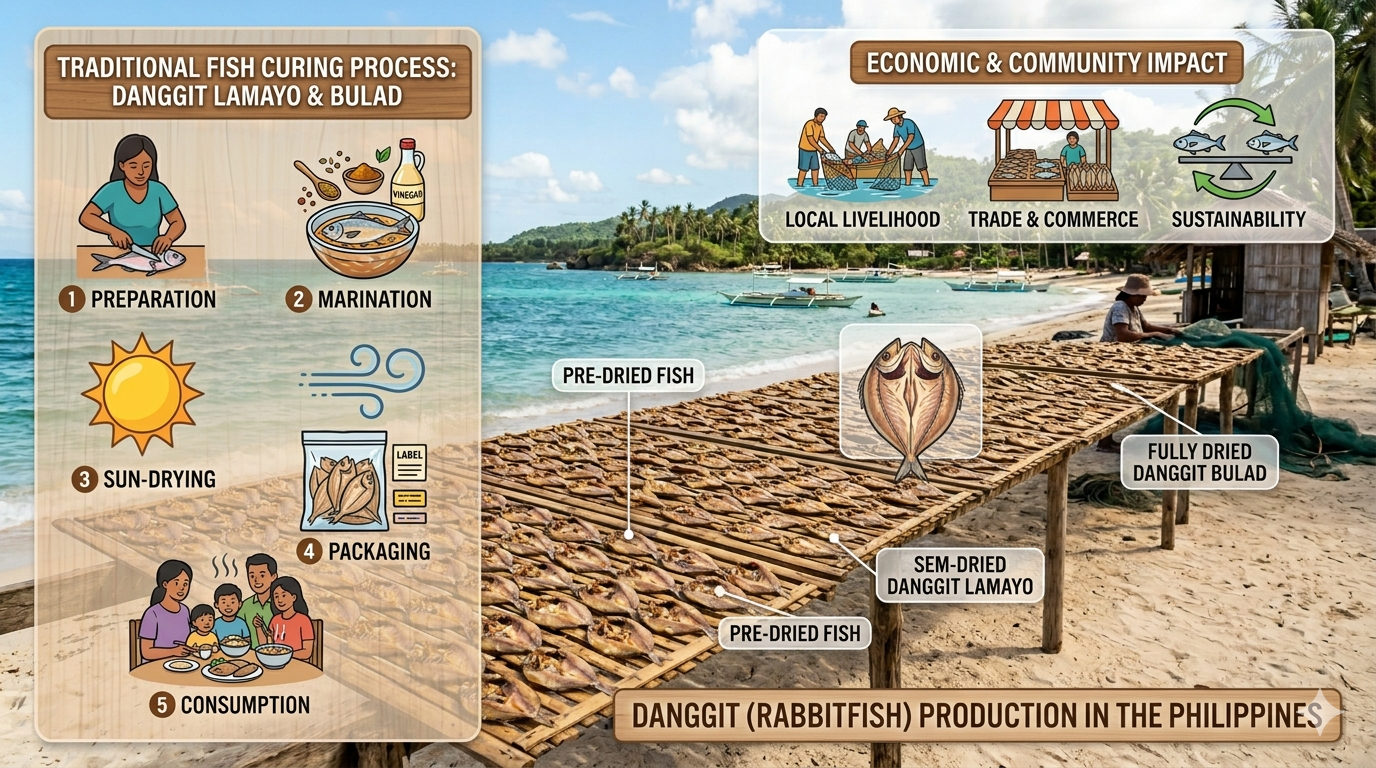
Visual summary of danggit lamayo preparation steps
Disclaimer
This article is for general informational and educational purposes only. It does not constitute professional medical, nutrition, or dietary advice. References to foods or preparation methods do not imply endorsement or guarantee of health outcomes. Readers are encouraged to consult licensed nutritionists, dietitians, or medical professionals for personalized guidance.