Bacalao: Understanding Salted Cod in Philippine Nutrition
A neutral overview of bacalao, its nutritional profile, culinary uses, and safe handling practices.
Bacalao, commonly known as salted cod, is a preserved fish product used in various traditional and modern dishes. In the Philippines, it is often rehydrated and cooked in stews or sautéed dishes. This article provides educational information on bacalao’s nutritional composition, safe handling, and hypothetical meal planning considerations, in alignment with Philippine Department of Health (DOH) and Food and Drug Administration (FDA) standards.
Nutritional Profile of Bacalao
Bacalao is rich in protein and provides essential micronutrients such as phosphorus, selenium, and vitamin B12. Being a salted product, it contains higher sodium levels compared with fresh fish, which is important for consumers to note under dietary guidance.
Macronutrients (per 100 g rehydrated bacalao, approximate values):
- Protein: 50–60 g
- Fat: 1–2 g
- Carbohydrates: 0 g
- Sodium: 900–1200 mg
Micronutrients:
- Vitamin B12: Supports red blood cell production (informational only)
- Selenium: Antioxidant-related mineral (informational only)
- Phosphorus: Contributes to bone structure (informational only)
Culinary and Dietary Considerations
Bacalao is often soaked in water for 24–48 hours to reduce sodium content before cooking. It can be incorporated into stews, soups, or sautéed dishes. Portion control and balancing with fresh vegetables, legumes, or grains are recommended to maintain a neutral nutrient balance in meals.
Hypothetical Meal Example:
- Breakfast: Vegetable omelet (no bacalao)
- Lunch: Bacalao stew with tomato, potato, and green beans (moderate portion, rehydrated to reduce salt)
- Dinner: Brown rice with steamed vegetables and a small portion of bacalao flakes
Safe Handling Practices
- Always store bacalao in a cool, dry place before rehydration.
- Rinse thoroughly and soak in multiple water changes to lower sodium content.
- Cook at safe temperatures to avoid foodborne illness.
Label Awareness
When purchasing packaged bacalao:
- Check the sodium content and expiration date.
- Verify that the product is FDA-approved and complies with Philippine labeling standards.
- Avoid products with unclear origin or missing preservation instructions.
Context
In nutrition science studies, salted fish products like bacalao are recognized for their protein content but require sodium moderation. Under Philippine consumer protection and labeling standards, proper handling, rehydration, and cooking methods are recommended. Dietary results vary individually, and nutrient intake should be considered in the context of the overall diet. Licensed nutritionists or dietitians provide personalized guidance on incorporating salted fish safely.
FAQs
What is bacalao?
Bacalao is salted and dried cod, commonly rehydrated before cooking. It is a traditional preserved fish product used in various dishes.
What are the main nutrients in bacalao?
It provides protein, selenium, phosphorus, and vitamin B12. Sodium content is high due to preservation.
How can bacalao be safely prepared?
Soaking in water to reduce salt, proper storage, and thorough cooking are standard practices to ensure safety.
Trusted Sources
- Department of Health Philippines – Nutrition and Food Safety Guidelines
- FDA Philippines – Food Labeling and Safety Standards
- Academic journals on preserved fish and protein content
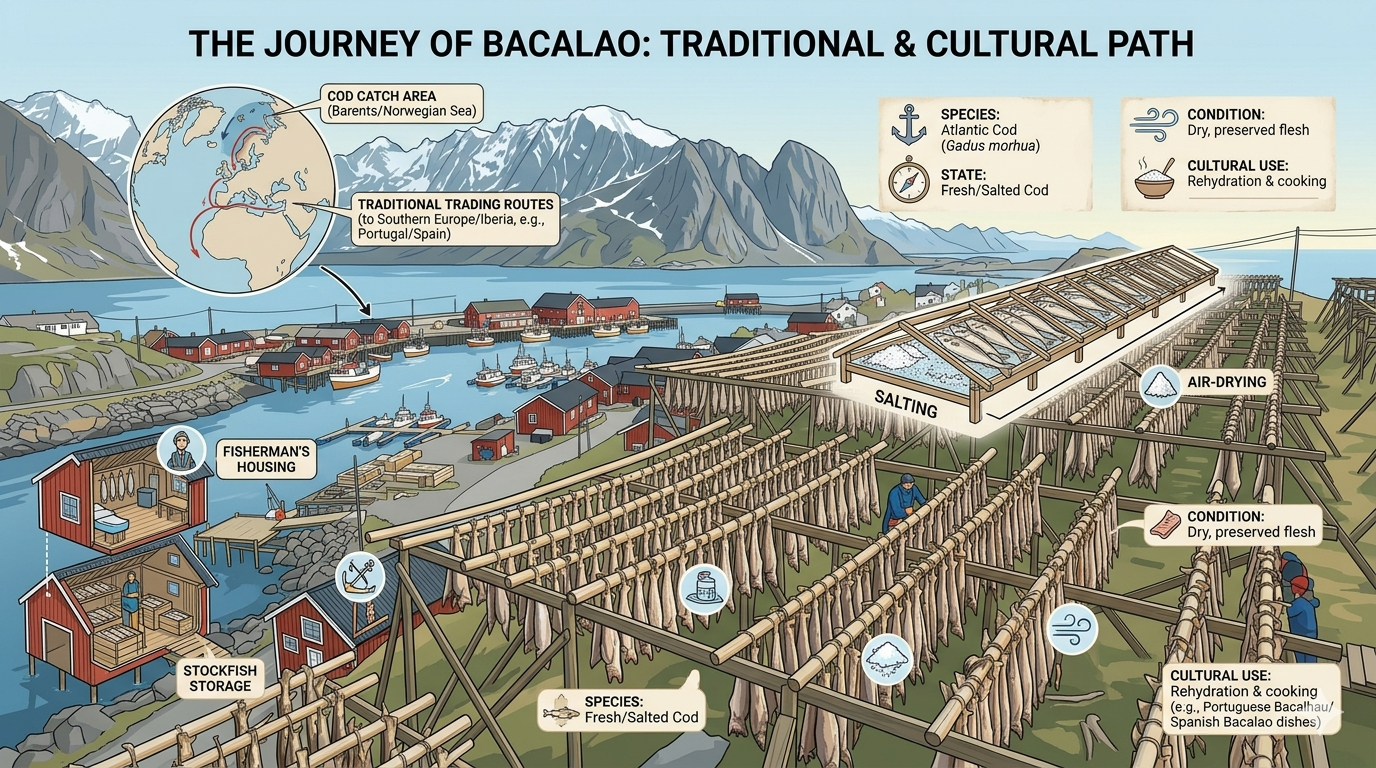
Infographic displaying bacalao nutrient profile and common culinary preparation steps
Disclaimer
This article is for general informational and educational purposes only. It does not constitute professional medical, nutrition, or dietary advice. References to bacalao or cooking methods do not imply endorsement or guarantee of health outcomes. Readers are encouraged to consult licensed nutritionists, dietitians, or medical professionals for personalized guidance.