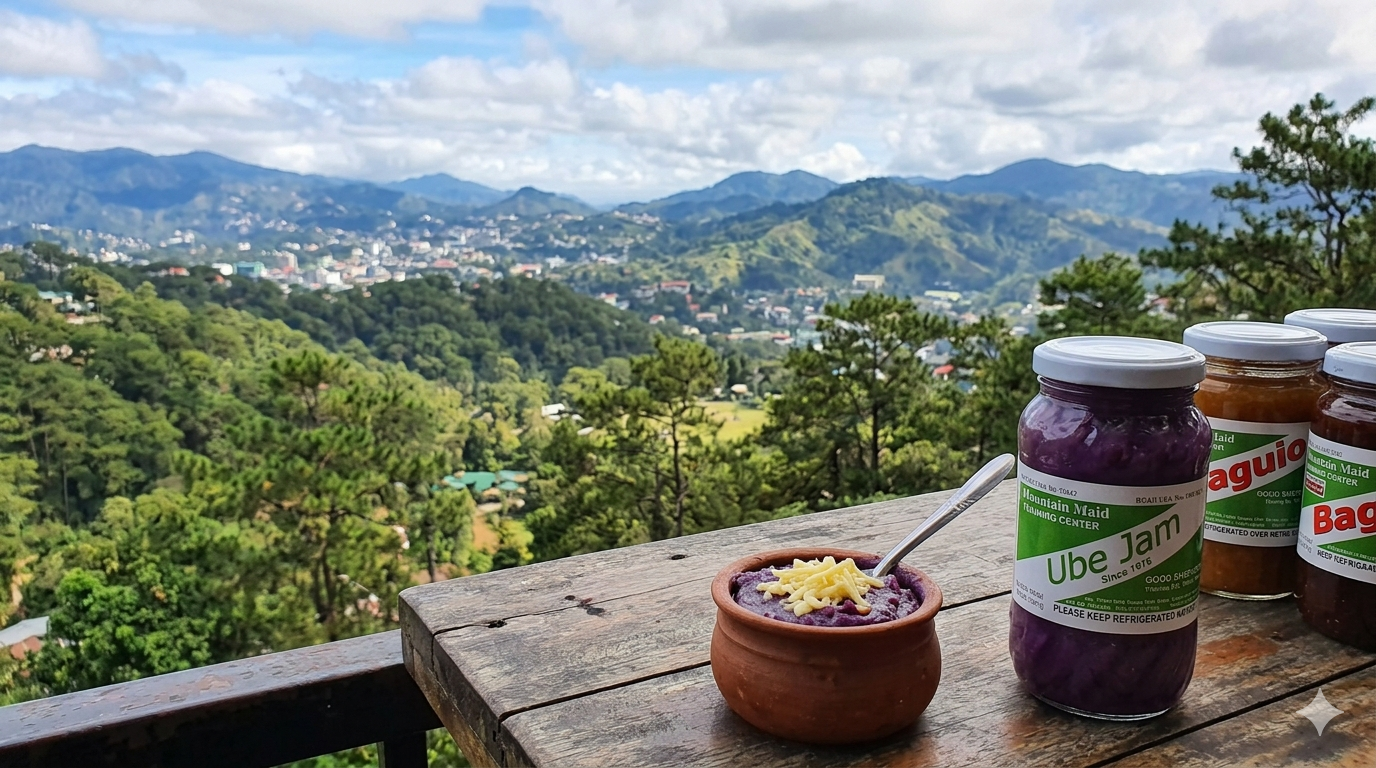
Ube Jam (Baguio-Style): An Educational Guide to Ingredients, Preparation, and Nutrition Context
A neutral overview of a traditional Filipino purple yam spread and its preparation methods
Ube jam, commonly associated with Baguio-style preparation, is a traditional Filipino food made from purple yam (ube). It is widely recognized as a sweet spread or dessert component. In the Philippines, food preparation and labeling practices fall under the guidance of agencies such as the Department of Health (DOH) and the Food and Drug Administration (FDA), which promote food safety and accurate ingredient disclosure. This article explains the basic composition, preparation process, and nutritional considerations of ube jam.
What Is Ube Jam?
Ube jam, also known as halayang ube, is a thick, sweet paste made primarily from boiled and mashed purple yam. It is commonly used as:
- A bread spread
- A filling for pastries
- A topping for desserts such as halo-halo
The “Baguio-style” reference typically reflects a traditional, slow-cooked preparation method that emphasizes texture and flavor consistency.
Common Ingredients
Typical ingredients used in ube jam preparation include:
- Boiled and mashed ube (purple yam)
- Milk (e.g., evaporated or condensed)
- Sugar
- Butter or margarine
Some variations may include coconut milk or flavoring extracts. Ingredient proportions may vary depending on preparation preferences.
Basic Preparation Process (Informational)
A simplified preparation method may include:
- Boiling and mashing the ube until smooth
- Combining ingredients (milk, sugar, fat source) in a cooking pan
- Continuous stirring over low to medium heat
- Thickening the mixture until a dense consistency is reached
The process may require extended cooking and constant stirring to prevent burning and achieve a smooth texture.
Nutritional Components Overview
Ube jam contains a mix of macronutrients:
- Carbohydrates from ube and added sugar
- Fats from butter or margarine
- Small amounts of protein from milk
Purple yam also contains naturally occurring compounds such as dietary fiber and antioxidants (e.g., anthocyanins), which contribute to its color.
Due to added sugar and fat, ube jam is generally categorized as an energy-dense food and is typically consumed in moderate portions as part of a varied diet.
Food Safety and Storage Considerations
Proper handling is important to maintain food safety:
- Store in clean, sealed containers
- Refrigerate after opening
- Observe expiration or spoilage indicators (odor, texture changes)
For commercially packaged ube jam, consumers may check:
- FDA registration (if applicable)
- Ingredient list and nutrition facts
- Expiry date and storage instructions
Context Section
In food science and nutrition studies, spreads and preserves like ube jam are considered processed foods that combine natural ingredients with added sugar and fats for flavor and preservation. Consumption patterns vary based on cultural practices and individual dietary preferences.
Under Philippine food safety and labeling regulations, manufacturers are required to provide accurate ingredient and nutritional information. The Consumer Act of the Philippines (RA 7394) supports transparency and protects consumers from misleading claims.
Individual dietary needs differ, and food choices are often influenced by overall eating patterns rather than a single food item.
FAQ
What is ube made from?
Ube is a type of purple yam commonly grown in the Philippines and used in various traditional dishes and desserts.
Is ube jam the same as halaya?
Ube jam and halayang ube generally refer to the same preparation, though texture and sweetness may vary by recipe.
How is ube jam typically used?
It is commonly used as a spread, dessert ingredient, or topping in Filipino cuisine.
Trusted Sources
- Department of Health (Philippines) — Food and nutrition guidelines
- Food and Drug Administration (Philippines) — Food safety and labeling standards
- Food and Nutrition Research Institute (FNRI-DOST) — Philippine food composition data
- Peer-reviewed journals on food science and nutrition
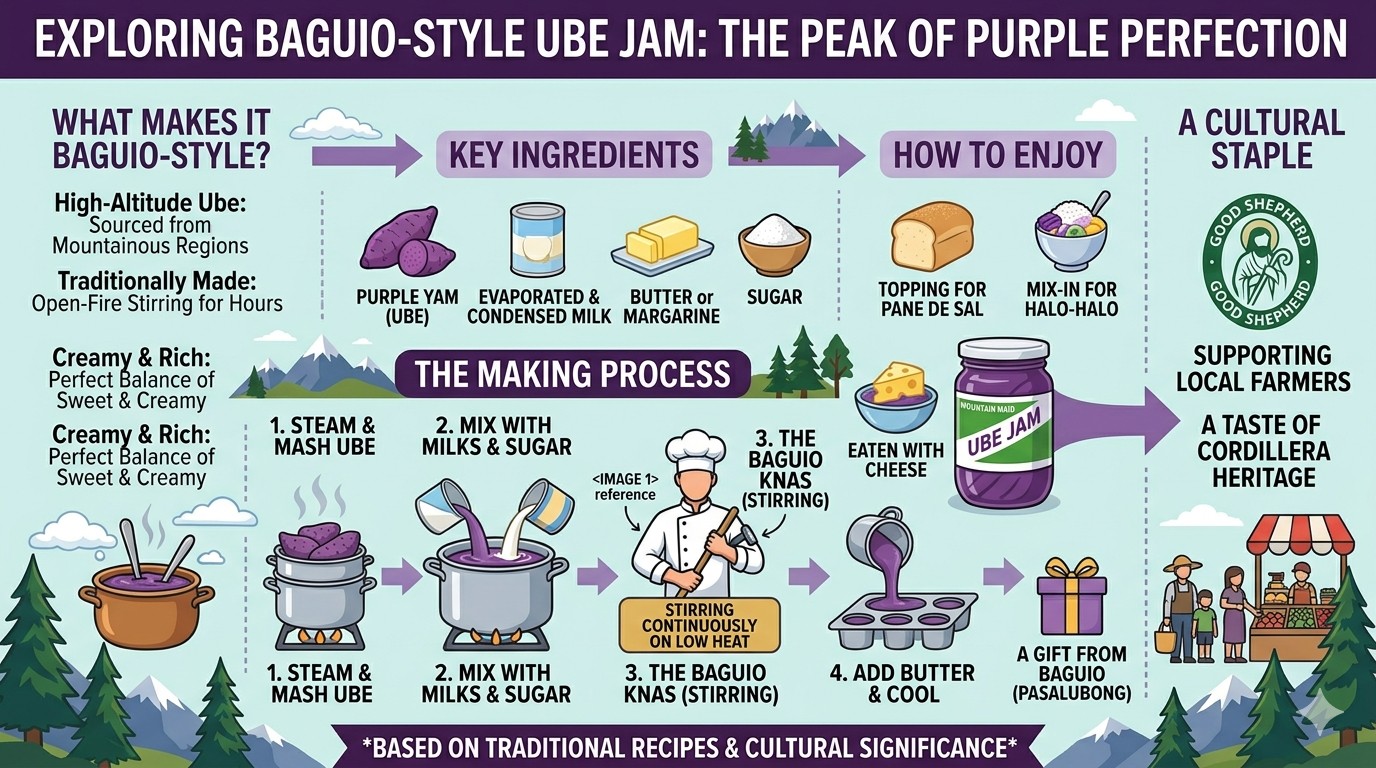
Illustration of ingredients and cooking stages of ube jam
Disclaimer
This article is for general informational and educational purposes only. It does not constitute professional medical, nutrition, or dietary advice. References to foods or preparation methods do not imply endorsement or guarantee of health outcomes. Readers are encouraged to consult licensed nutritionists, dietitians, or medical professionals for personalized guidance.