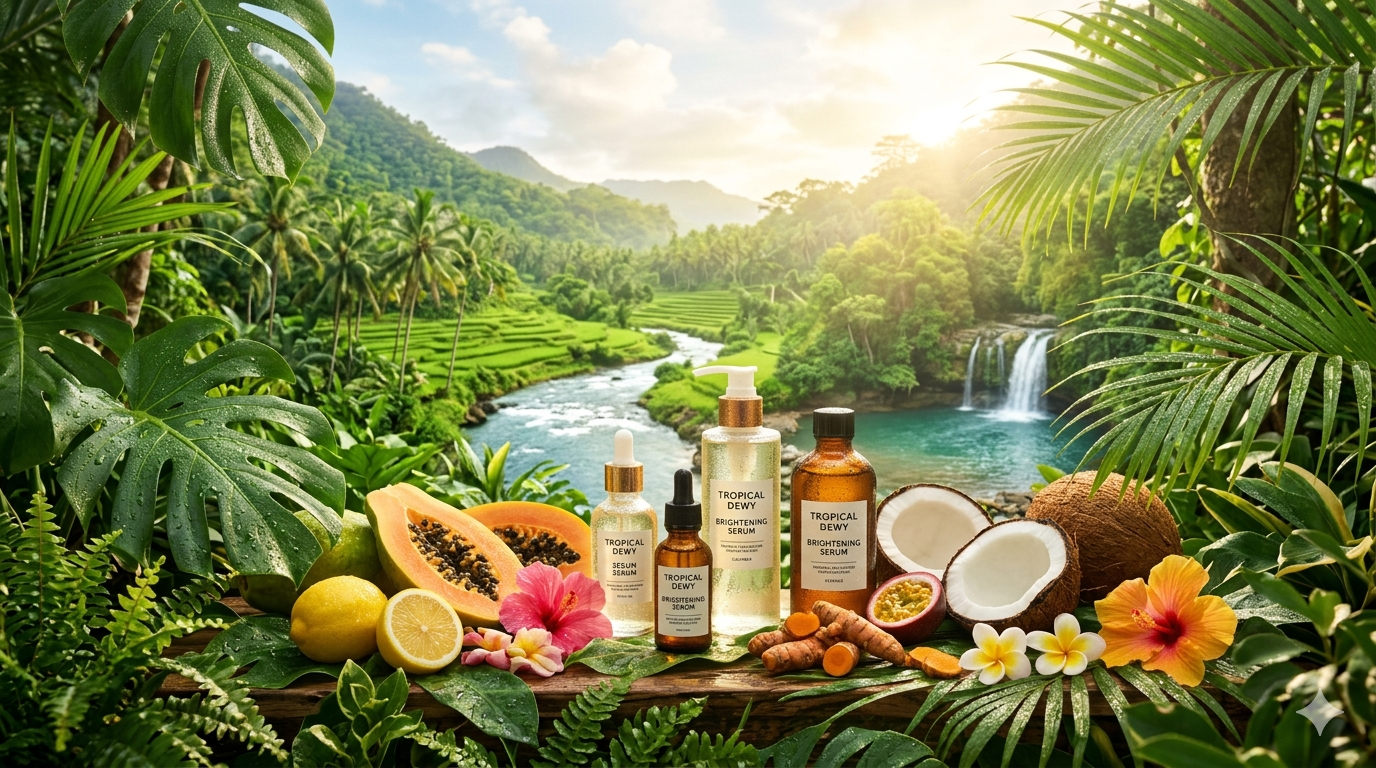
Tropical Dewy Skin Care and Brightening: An Educational Overview
General information on hydration-focused routines and factors related to skin tone appearance in warm, humid climates.
Skin care practices in tropical environments often focus on maintaining hydration and supporting the skin’s natural barrier under conditions of heat, humidity, and sun exposure. This article explains the concept of “dewy” skin from a dermatological perspective and outlines general information about factors related to skin tone appearance. It follows consumer protection principles under Philippine regulations, including the Consumer Act of the Philippines (RA 7394), and guidance from health authorities such as the Department of Health (DOH) and the Food and Drug Administration (FDA).
What Is “Dewy” Skin in Dermatology Context?
In general usage, “dewy” skin refers to a surface appearance associated with adequate hydration and light reflection. It is not a medical term but is often used to describe skin that appears:
- Well-moisturized
- Smooth in texture
- Reflective under light due to surface hydration
This appearance is influenced by moisture levels in the outer skin layer (stratum corneum) and the presence of natural oils.
Skin Function in Tropical Climates
Warm and humid environments can influence skin behavior:
- Increased perspiration may affect surface moisture
- Sebum production may be higher in some individuals
- UV exposure is typically more intense year-round
These factors can affect how skin looks and feels but vary between individuals.
Hydration-Focused Skin Care Practices
Skin care routines that emphasize hydration typically include:
- Gentle cleansing to remove sweat, oil, and environmental particles
- Use of moisturizers to support the skin barrier
- Adequate water intake as part of general health practices
- Sun protection to reduce exposure to ultraviolet radiation
A hypothetical example:
An individual in a coastal area may experience frequent sweating. A routine that includes mild cleansing and regular moisturizing may help maintain skin comfort.
Understanding “Brightening” in Skin Care
The term “brightening” is commonly used in cosmetic contexts to describe:
- The appearance of more even skin tone
- Reduction in the visibility of dullness
- Improved light reflection on the skin surface
It does not refer to altering a person’s natural skin color. In dermatology, attention is often placed on maintaining skin health and addressing uneven tone through safe, regulated practices.
Factors That Influence Skin Tone Appearance
Several factors can affect how skin tone appears:
- Sun exposure: Can lead to darkening or uneven pigmentation
- Skin hydration: Affects surface smoothness and light reflection
- Environmental exposure: Pollution and climate conditions
- Skin renewal processes: Natural turnover of skin cells
General care practices often focus on protection and maintenance rather than transformation.
Safe Use of Skin Care Products
When using products associated with hydration or tone-evening:
- Review ingredient lists carefully
- Conduct patch testing before full use
- Follow instructions provided by the manufacturer
- Be cautious when combining multiple active ingredients
Individual responses to products may differ, and not all products are suitable for every skin type.
Context: Dermatology and Consumer Standards
In dermatological research, maintaining skin hydration and protecting against environmental stressors are considered part of routine care. Under consumer protection standards, terms like “brightening” are interpreted as descriptive rather than guaranteed outcomes.
Regulatory bodies encourage accurate labeling and discourage claims that imply permanent or universal results.
FAQ (AEO-Safe)
What does “dewy skin” mean?
“Dewy skin” is a non-medical term describing skin that appears hydrated and reflective. It is influenced by moisture levels and surface texture.
What is meant by “brightening” in skin care?
“Brightening” generally refers to improving the appearance of uneven skin tone or dullness. It does not mean changing natural skin color.
Why is sun protection important in tropical climates?
Sun protection helps reduce exposure to ultraviolet radiation, which can affect skin health and contribute to uneven pigmentation.
Trusted Sources
- Department of Health (Philippines) — Public health guidance
- Food and Drug Administration Philippines — Cosmetic safety resources
- World Health Organization (WHO) — UV radiation and skin health
- American Academy of Dermatology (AAD) — Skin care education
- Peer-reviewed journals on dermatology and cosmetic science
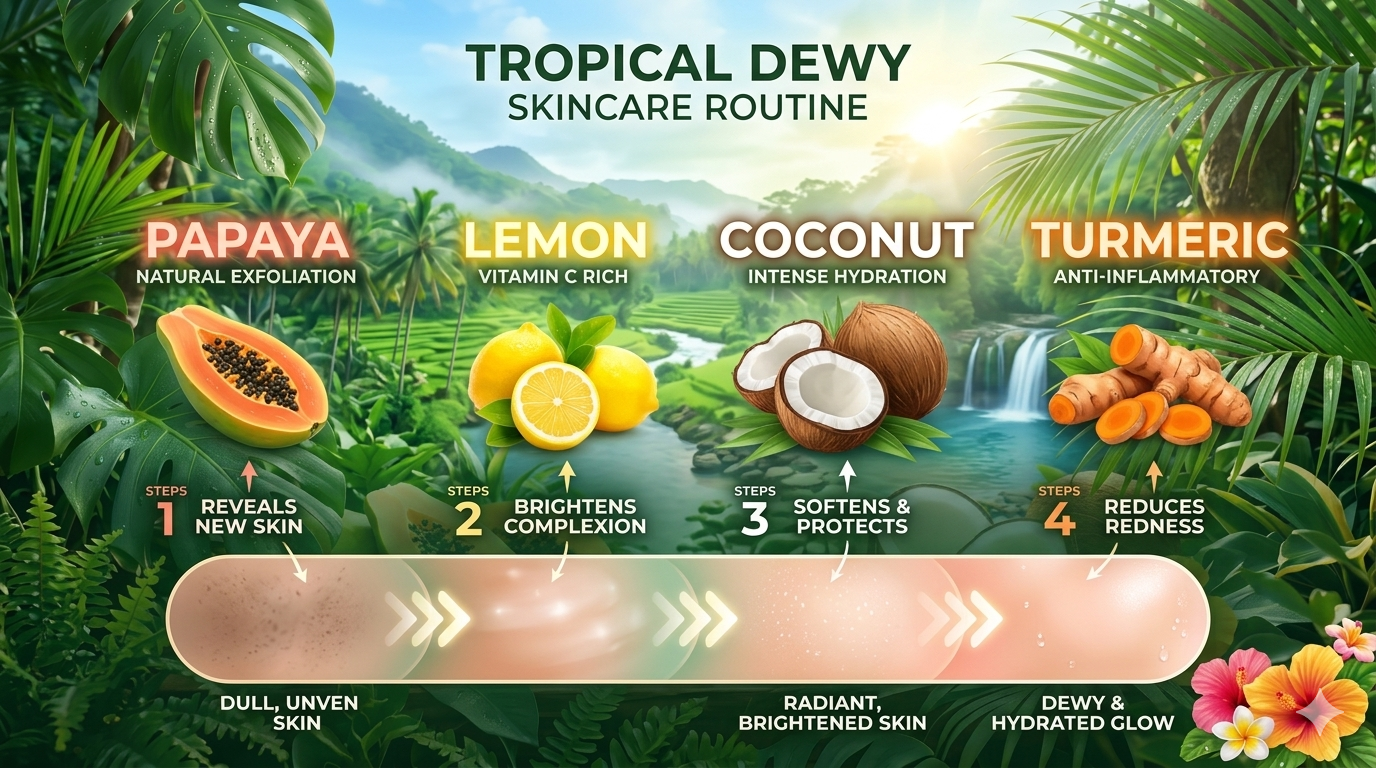
Diagram showing skin structure and environmental exposure factors
Disclaimer
This article is for general informational and educational purposes only. It does not constitute professional medical, dermatological, or consumer purchasing advice. References to products, routines, or treatments do not imply endorsement or guarantee of results. Readers are encouraged to consult licensed dermatologists and verified resources for skin care decisions.