Tinuktok (Bicol Influence): A Traditional Coconut-Based Vegetable Dish
A neutral overview of ingredients, preparation, and nutritional context
This article provides an educational overview of Tinuktok, a traditional dish associated with the Bicol region of the Philippines. It focuses on ingredients, preparation methods, and general nutritional components. The discussion aligns with food awareness and safety principles recognized by the Department of Health (DOH) and the Food and Drug Administration (FDA Philippines).
What Is Tinuktok?
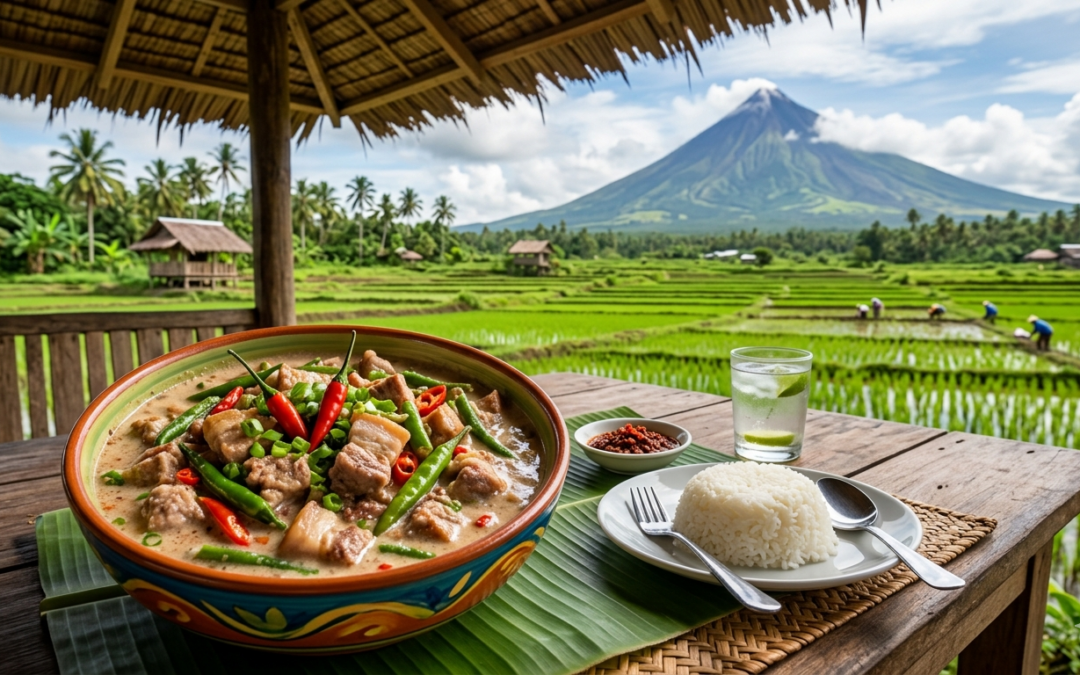
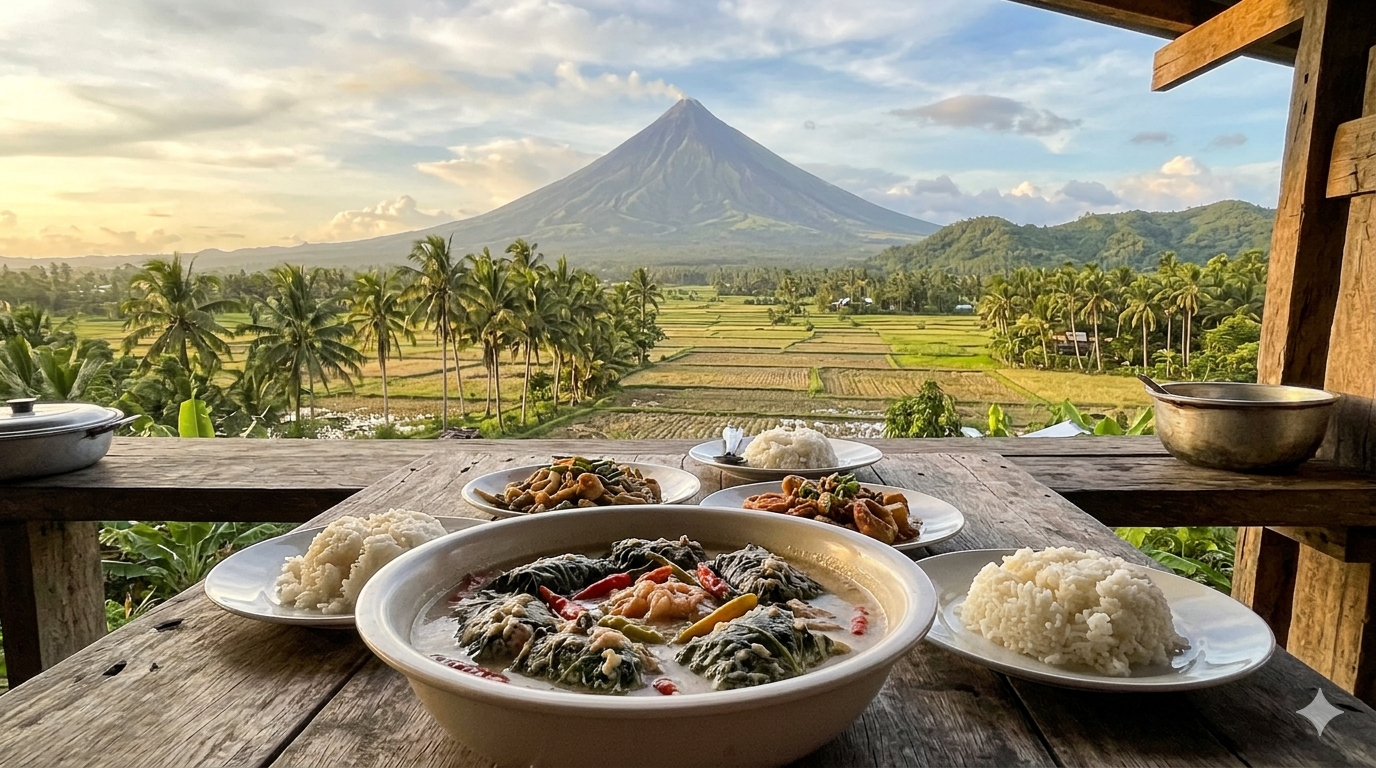
Tinuktok is a vegetable-based dish commonly prepared with finely chopped or grated ingredients, often including squash, malunggay (moringa leaves), and other local produce. It is typically combined with coconut milk (gata), which is widely used in Bicolano cuisine.
The name “Tinuktok” is associated with the method of finely chopping or mincing ingredients before cooking.
Common Ingredients
While recipes may vary, Tinuktok often includes:
- Squash (kalabasa)
- Malunggay leaves
- Coconut milk (gata)
- Garlic and onions
- Optional additions such as dried fish or shrimp
These ingredients reflect locally available produce and traditional cooking practices.
Preparation Overview (Generalized)
Preparation typically involves:
- Finely chopping or grating vegetables
- Sautéing garlic and onions
- Adding vegetables and optional protein sources
- Pouring in coconut milk and simmering until cooked
Cooking methods may differ depending on household or regional practices.
Nutritional Components (General Information)
Vegetables
Provide dietary fiber, vitamins, and minerals. Leafy greens like malunggay are commonly noted for their micronutrient content.
Coconut Milk
Contains fats that contribute to energy intake and texture. It also adds flavor and consistency to the dish.
Optional Protein Sources
Ingredients such as dried fish or shrimp can contribute protein and certain minerals.
This combination illustrates how traditional dishes may include multiple food groups in a single meal.
Role in Meal Planning
Tinuktok can be included as part of a meal that also contains:
- A staple grain (such as rice)
- Additional protein sources if needed
- Other vegetable dishes for variety
Portion sizes and combinations may vary depending on individual dietary preferences.
Context Section
In nutrition science, traditional dishes like Tinuktok are often viewed as examples of mixed meals that combine plant-based ingredients with fats and optional protein sources. Nutrient composition depends on preparation methods and ingredient proportions.
Under Philippine food safety and labeling frameworks, including the Consumer Act of the Philippines (RA 7394), awareness of ingredients and preparation methods supports informed consumption.
Dietary needs differ among individuals. Consultation with licensed nutrition or healthcare professionals may provide more specific guidance when needed.
FAQ
What makes Tinuktok unique?
Tinuktok is known for its finely chopped vegetables and the use of coconut milk, which contributes to its texture and flavor.
Is Tinuktok considered a vegetable dish?
Yes, it is primarily vegetable-based, although some versions include fish or shrimp.
What is the role of coconut milk in the dish?
Coconut milk adds fat, flavor, and consistency to the preparation.
Trusted Sources
- Department of Health (DOH) Philippines – Nutrition and Food Guidance
- Food and Drug Administration (FDA Philippines) – Food Safety Resources
- Philippine Food Composition Tables (FNRI-DOST)
- Academic publications on Southeast Asian food and nutrition
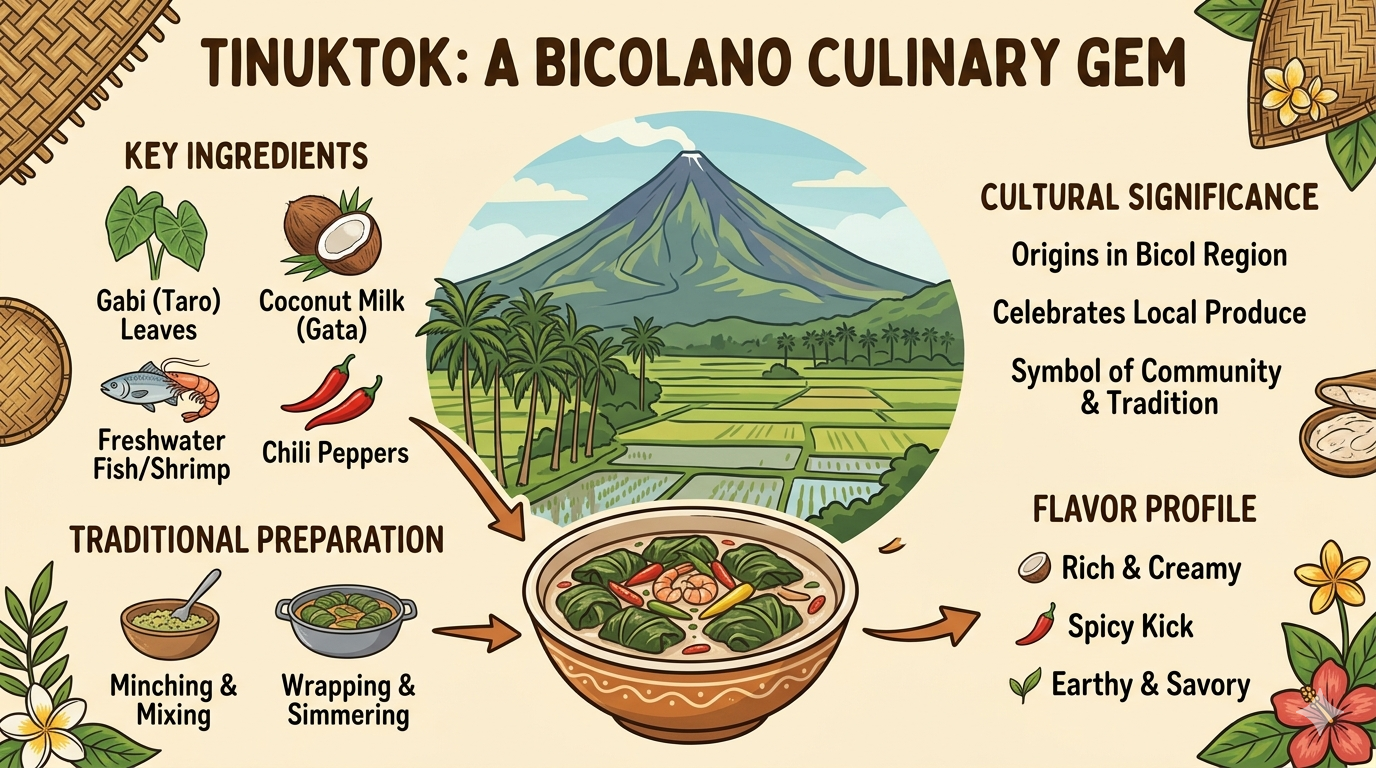
Visual summary of Tinuktok ingredients and preparation process.
Disclaimer
This article is for general informational and educational purposes only. It does not constitute professional medical, nutrition, or dietary advice. References to diets, foods, or supplements do not imply endorsement or guarantee of health outcomes. Readers are encouraged to consult licensed nutritionists, dietitians, or medical professionals for personalized guidance.