Tamilok (Woodworm) as a Food: Educational Overview
A neutral look at tamilok, its nutritional considerations, and safe consumption practices in the Philippines.
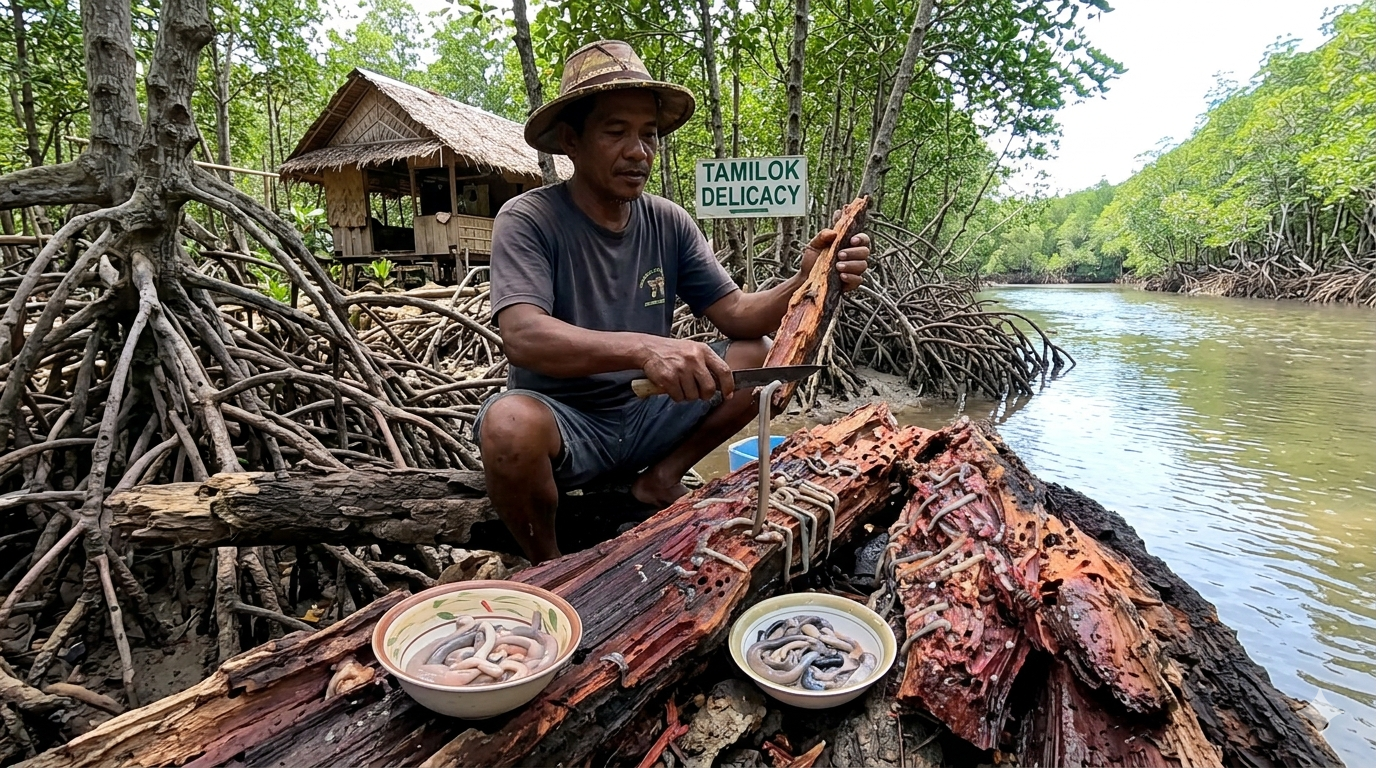
Tamilok, also known as woodworm, is a marine bivalve commonly consumed in some coastal regions of the Philippines. This article provides a factual overview of tamilok, including its nutritional profile, safe consumption practices, and relevant regulatory context under the Department of Health (DOH), Food and Drug Administration (FDA Philippines), and local food safety standards. Readers will learn about its food safety considerations, dietary nutrients, and neutral insights on consumption without claims of health benefits or weight effects.
Nutritional Profile
Tamilok is a source of protein, minerals, and certain micronutrients typical of marine invertebrates. Nutritional content may vary depending on habitat, preparation, and portion size. Common nutrients include:
- Protein – contributes to overall dietary protein intake.
- Minerals – may contain iron, zinc, and magnesium in variable amounts.
- Fat – generally low in total fat but may contain polyunsaturated fatty acids.
Tamilok is not a standardized food in official nutrient databases; values are approximate and vary by source.
Food Safety and Handling
Under Philippine food safety standards:
- Tamilok should be sourced from clean, non-polluted waters.
- Proper washing and cooking are essential to reduce microbial contamination.
- Raw consumption, common in some local practices, may increase risk of foodborne illness.
FDA Philippines and LGU guidelines recommend that shellfish and marine invertebrates be handled with care, particularly in areas prone to water pollution.
Preparation Practices
Traditional preparation methods often include:
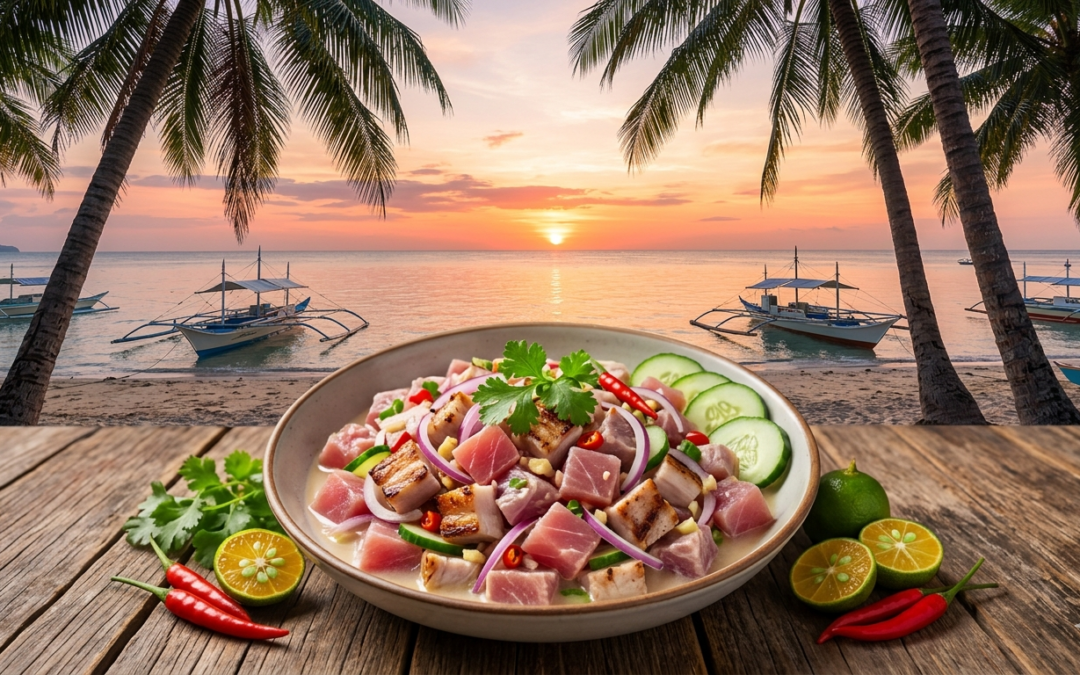
- Marination in vinegar or citrus-based liquids.
- Consumption raw with condiments (requires caution).
- Cooking methods such as boiling or grilling to reduce microbial load.
Safe food practices are critical for preventing gastrointestinal infections or other adverse effects.
Hypothetical Meal Example
A neutral, illustrative serving might include:
- 50 grams of cooked tamilok
- Accompanied by a small portion of vegetables and rice for balanced macronutrients
- Served as part of a mixed seafood appetizer (no claims on calorie or protein targets)
Context Section
In nutrition science studies, shellfish and marine invertebrates are recognized as nutrient sources but must be evaluated for microbial contamination, heavy metals, or environmental pollutants. Under consumer protection and labeling standards, seafood should be sourced from licensed suppliers and stored according to DOH and FDA guidelines.
Dietary results vary individually. For personalized advice, licensed nutritionists, dietitians, or medical professionals should be consulted.
FAQ
What is tamilok?
Tamilok is a type of woodworm, a marine invertebrate consumed in some coastal regions of the Philippines.
Is tamilok safe to eat raw?
Raw consumption carries potential food safety risks. Proper sourcing, handling, and preparation are important to reduce contamination.
What nutrients does tamilok contain?
Tamilok may provide protein, minerals such as iron and zinc, and low levels of fat. Exact content varies by source and preparation.
Trusted Sources
- Department of Health (DOH), Philippines – Food Safety Guidelines
- FDA Philippines – Food Handling and Labeling Resources
- Peer-reviewed journals on marine invertebrate nutrition (e.g., Journal of Food Composition and Analysis)
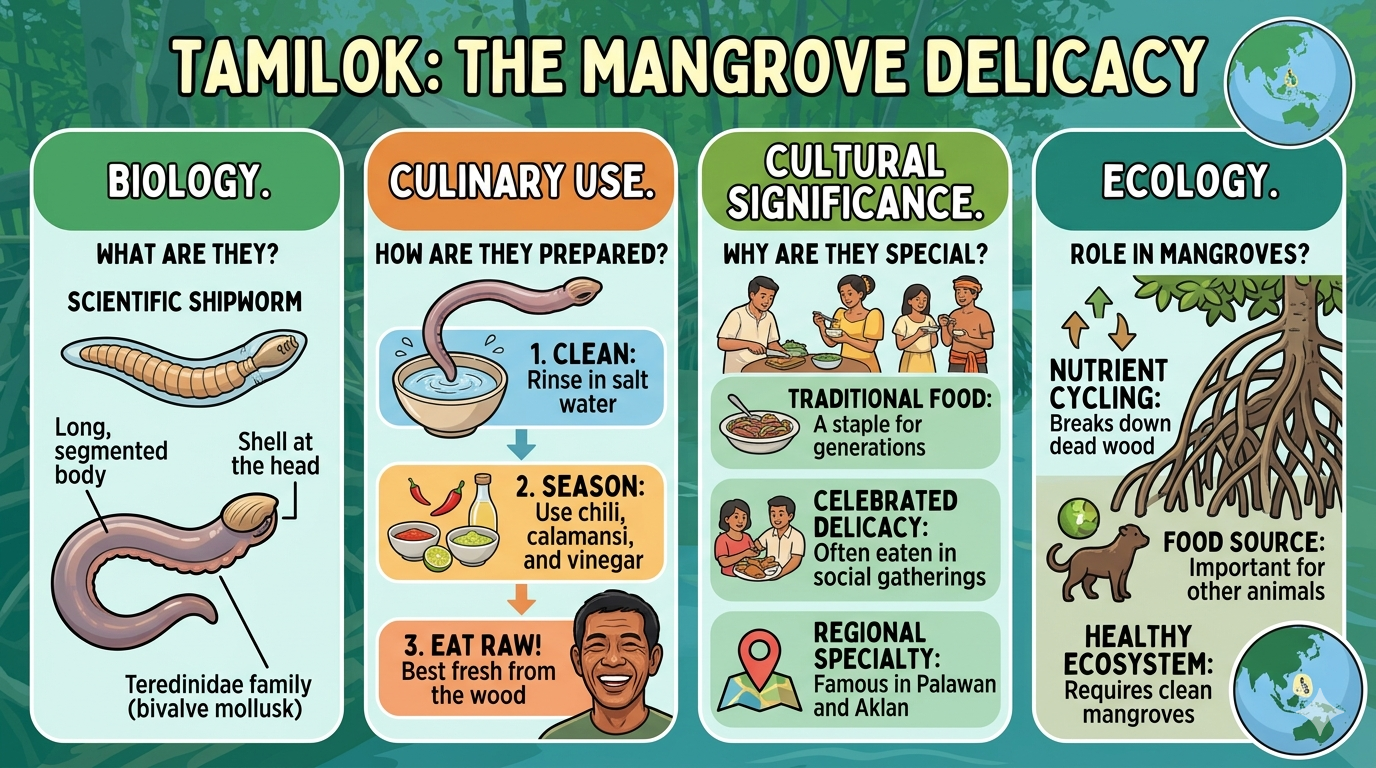
Infographic illustrating tamilok woodworm, culinary handling, and visual presentation
Disclaimer
This article is for general informational and educational purposes only. It does not constitute professional medical, nutrition, or dietary advice. References to foods or preparation practices do not imply endorsement or guarantee of health outcomes. Readers are encouraged to consult licensed nutritionists, dietitians, or medical professionals for personalized guidance.