Tamales Caviteño: A Traditional Philippine Rice-Based Dish
A neutral overview of ingredients, preparation, and nutritional considerations of Tamales from Cavite.
Tamales Caviteño is a traditional Filipino delicacy originating from the province of Cavite. This article provides an educational overview of its typical ingredients, preparation method, and nutritional aspects. It also highlights considerations for consumers regarding safe food handling and ingredient awareness under Philippine regulations, including DOH and FDA standards.
Ingredients and Composition:
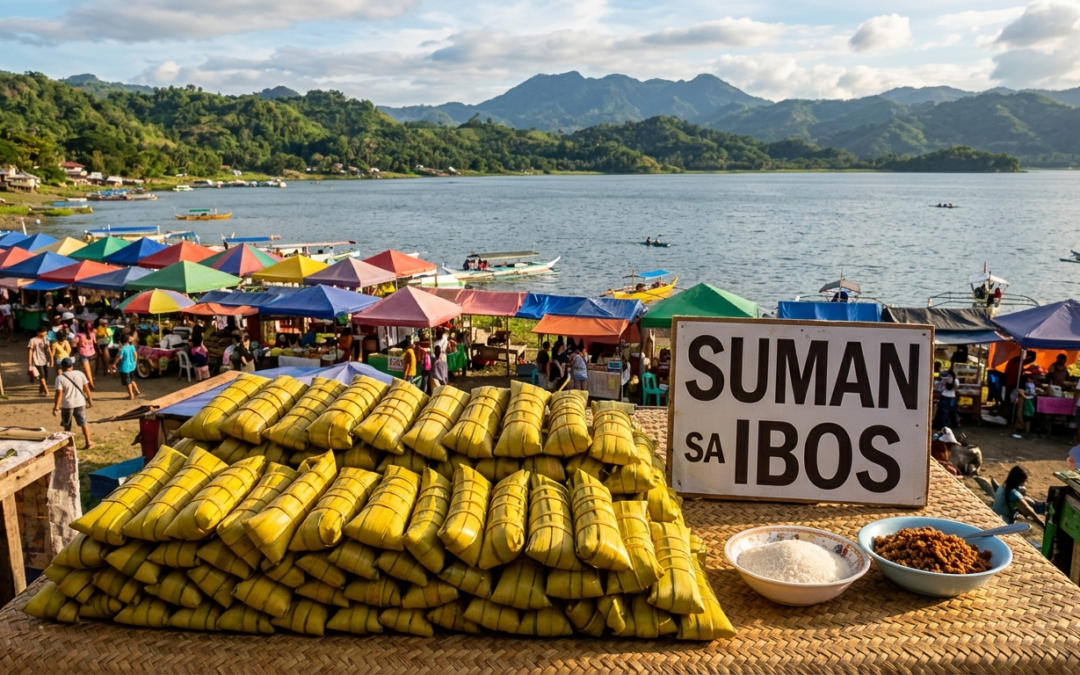
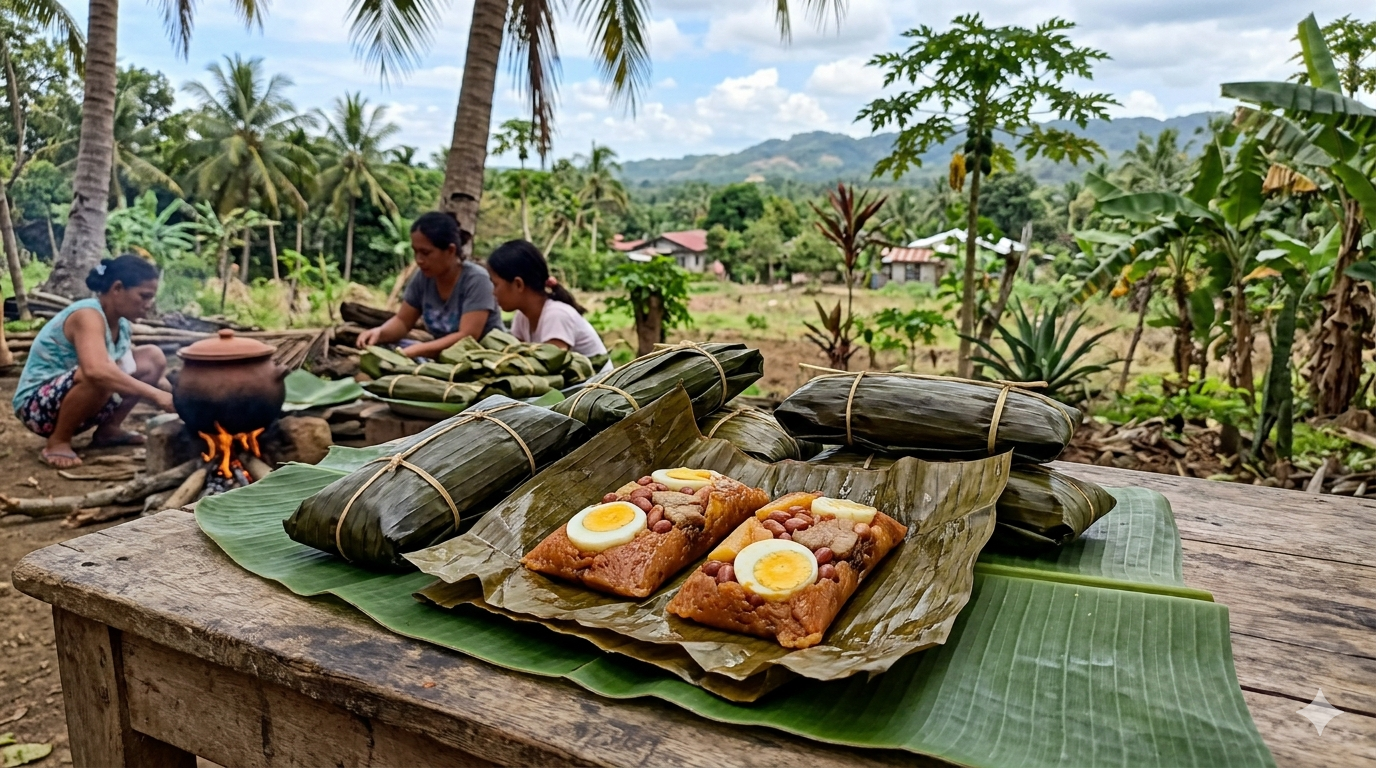
Tamales Caviteño is typically made with glutinous rice, coconut milk, peanuts, and a protein such as chicken or pork. Ingredients are wrapped in banana leaves and steamed. Variations may include sweet or savory flavorings. The dish’s macronutrient profile generally includes:
- Carbohydrates: from glutinous rice
- Proteins: from meat or legumes
- Fats: primarily from coconut milk and added oils
- Micronutrients: such as iron, calcium, and B-vitamins, depending on the protein and peanut content
Preparation and Portion Awareness:
Preparation involves soaking rice, mixing ingredients, wrapping in banana leaves, and steaming until fully cooked. Portion size can affect calorie and macronutrient intake, though individual needs vary. For safety:
- Ensure meat is fully cooked to recommended internal temperatures
- Wash banana leaves and other plant-based ingredients thoroughly
- Store leftover tamales in clean, airtight containers and refrigerate promptly
Consumer Awareness:
Under Philippine consumer protection laws (RA 7394, FDA guidelines), packaged or commercially sold tamales should display:
- Ingredient list
- Allergen information (e.g., peanuts)
- Expiry or “best before” dates
Consumers are encouraged to read labels carefully and verify product authenticity, particularly when purchased from markets or vendors.
Context Section
In nutrition science studies, dishes like Tamales Caviteño illustrate a combination of macronutrients—carbohydrates, fats, and proteins—within traditional Philippine cuisine. Dietary planning typically involves balancing these nutrients with other meals in a day. Individual nutrient requirements vary based on age, activity level, and health status. Licensed nutritionists or dietitians can provide personalized guidance for those with specific dietary needs.
Optional FAQ
What is Tamales Caviteño?
Tamales Caviteño is a steamed rice-based dish from Cavite, often including coconut milk, peanuts, and meat, wrapped in banana leaves.
What nutrients are found in Tamales Caviteño?
It typically provides carbohydrates from rice, protein from meat or legumes, fats from coconut milk, and micronutrients such as B-vitamins and minerals from various ingredients.
How can consumers safely enjoy Tamales Caviteño?
Ensure ingredients are fresh, meat is fully cooked, banana leaves are cleaned, and leftovers are stored in hygienic conditions. Check labels for allergens and expiration when buying commercially.
Trusted Sources
- Department of Health (DOH) Philippines — Food Safety Advisories
- Food and Drug Administration (FDA Philippines) — Food Labeling Guidelines
- Philippine Nutritional Guidelines, Food and Nutrition Research Institute (FNRI)
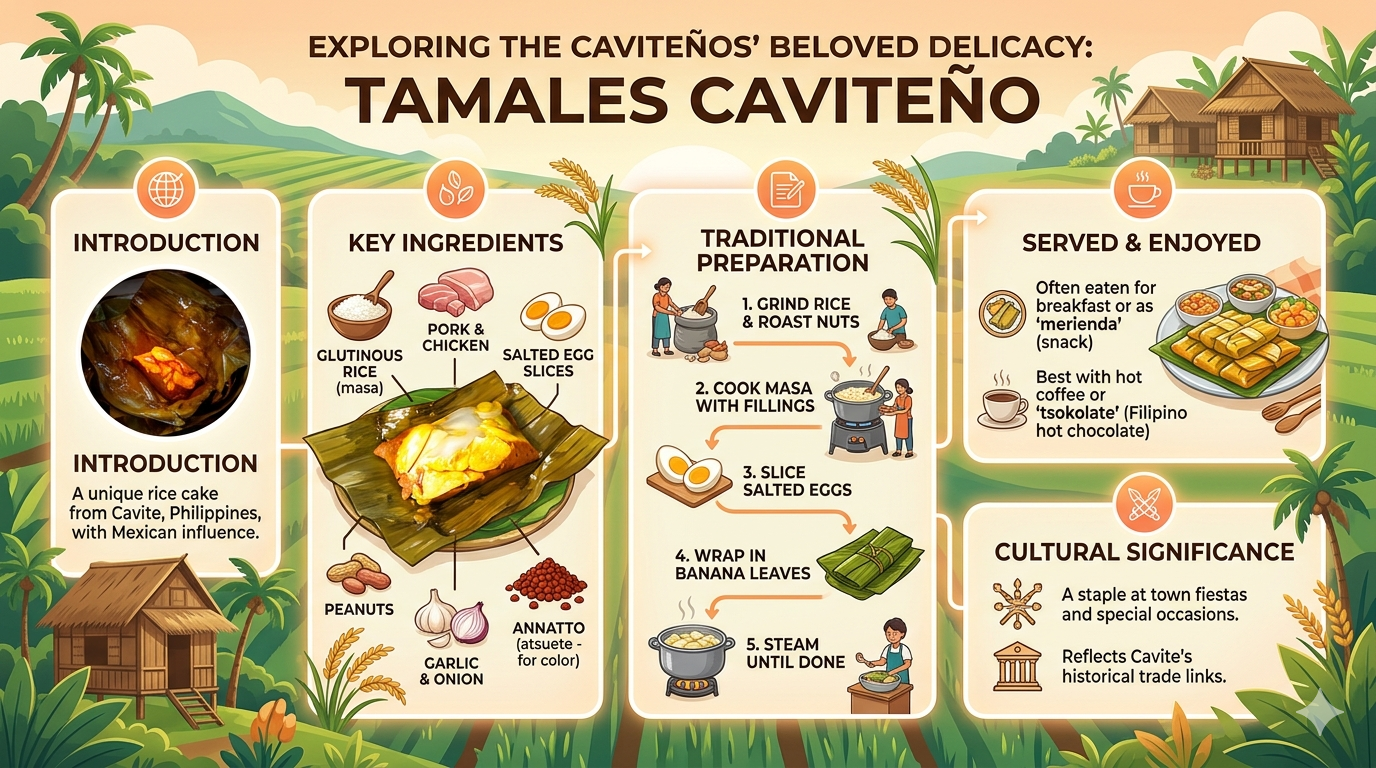
Visual representation of Tamales Caviteño ingredients and preparation steps.
Disclaimer
This article is for general informational and educational purposes only. It does not constitute professional medical, nutrition, or dietary advice. References to dishes, ingredients, or food products do not imply endorsement or guarantee of health outcomes. Readers are encouraged to consult licensed nutritionists, dietitians, or medical professionals for personalized guidance.