Tamales Caviteño — Educational Overview of a Regional Philippine Dish
What Tamales Caviteño Is
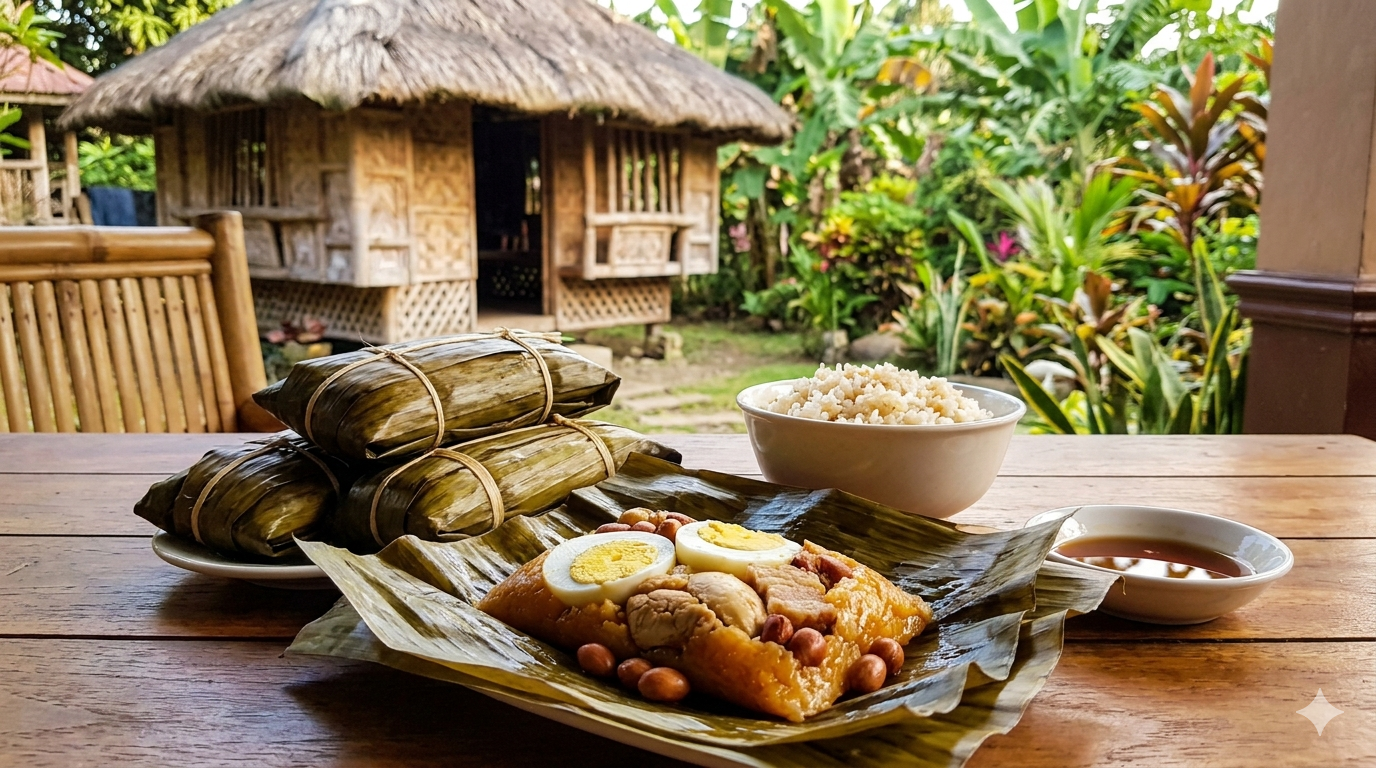
Tamales Caviteño is a traditional Filipino dish that is popular in Cavite City and parts of the CALABARZON region. It is an example of how a foreign culinary concept, originally from Latin America, was adapted in the Philippines and became part of local food culture.
Unlike the classic Mexican tamales made from corn masa (nixtamalized corn dough) wrapped in corn husks, the Caviteño version is made with a rice‑based dough and regional ingredients.
Typical Ingredients and Preparation
- Rice dough (galapong): Made from ground rice flour.
- Ground peanuts: Mixed into the rice dough for flavor and texture.
- Achuete (annatto): Used for natural color and mild flavor.
- Meats: Often includes pork and chicken pieces.
- Hard‑boiled eggs: Added for protein and texture.
- Garbanzos (chickpeas): Included in some traditional preparations.
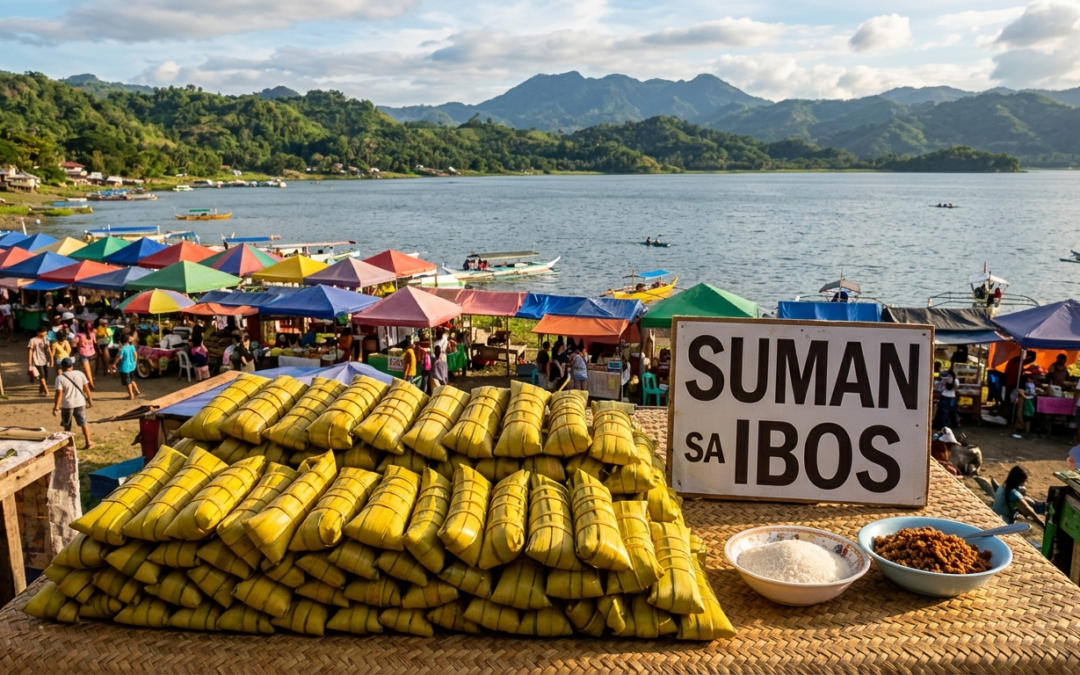
- Banana leaves: The mixture is wrapped in several layers of banana leaves and then steamed until cooked.
This labor‑intensive process is often associated with special occasions, communal cooking, or family gatherings because it takes time and coordination to prepare the layers and steaming.
Cultural Context
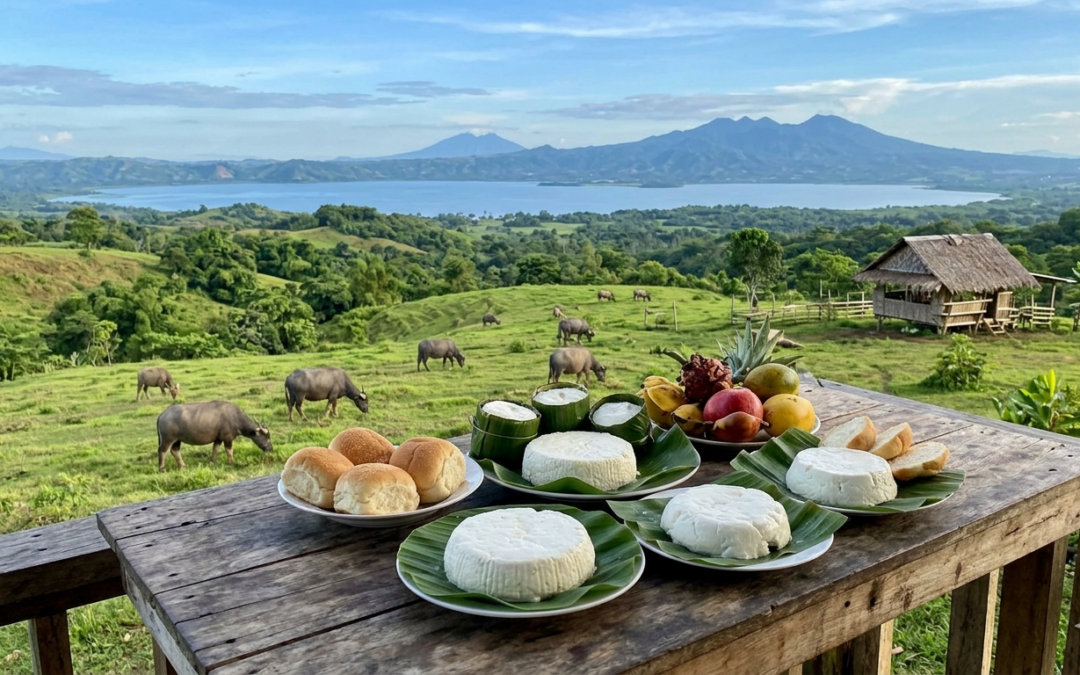
In Cavite City, tamales are considered a heritage food and are frequently sold as pasalubong (food souvenirs) or served during holidays like Noche Buena or Media Noche celebrations. They may also be paired with other local foods such as pandesal for breakfast or merienda.
Cavite’s version reflects historical influences, including Spanish and Mexican food heritage, but it has evolved with distinctly Filipino ingredients and techniques.
Nutrition Considerations (Informational)
While specific nutrient values for Caviteño tamales vary depending on the recipe and portion size, components such as rice, peanut, meat, and eggs contribute a mix of carbohydrates, protein, fats, and micronutrients typical of balanced meals. For example, rice and peanuts are sources of energy‑providing carbohydrates and fats, while chicken, pork, and eggs contribute to dietary protein.
Depending on preparation methods and portion size, the dish can be part of a varied diet. Steaming (instead of frying) may reduce added fats compared to some other cooking methods.
Context & Background
In nutrition science and Philippine food culture studies, dishes like tamales exemplify how culinary traditions adapt through trans‑regional influences and local ingredients. Filipino tamales variants can also be found in other provinces (such as Pampanga and Batangas), each with slightly different ingredient balances and flavor profiles.
Optional FAQ (Neutral Informational)
What differentiates Caviteño tamales from Mexican tamales?
Caviteño tamales use rice‑based dough with peanuts, meats, eggs, and garbanzos, wrapped in banana leaves, while Mexican tamales traditionally use corn masa and corn husks.
Is tamales a Filipino specialty?
While the concept originates from Americas, Filipino regions such as Cavite have their own traditional versions that have become part of local culinary heritage.
Trusted Sources
- Encyclopedic reference on tamales history and preparation elsewhere.
- Local culinary features discussing Cavite City tamales.
- Regional food culture descriptions in Cavite and nearby areas.
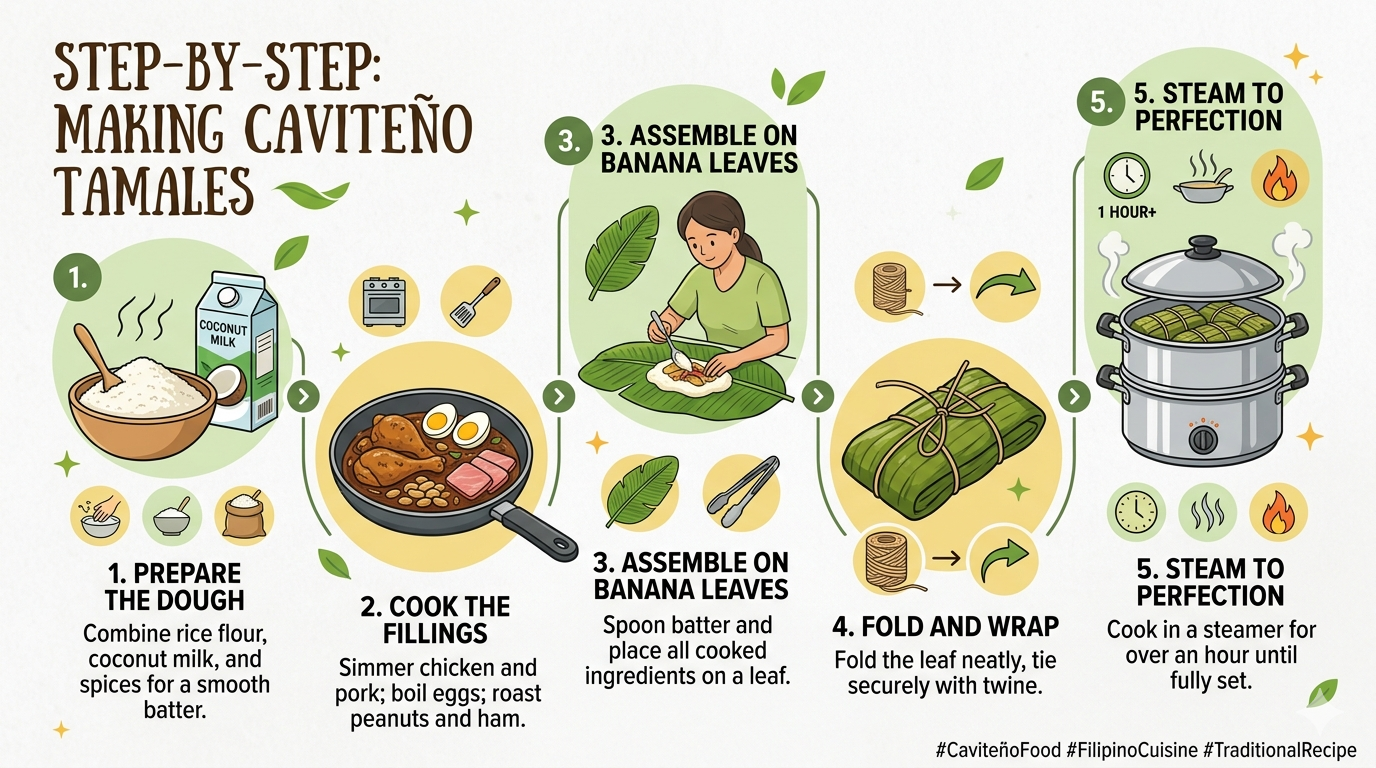
Stepwise visual representation of Caviteño tamales ingredients and preparation
Disclaimer
This overview is for general informational and educational purposes only. It does not constitute professional dietary advice. Ingredient choices, portion sizes, and meal frequency should consider individual nutrition needs. Readers are encouraged to consult licensed nutrition or medical professionals for personalized guidance.