Sun-Kissed Skin and Coral Lips: An Educational Overview of Makeup Color Techniques
A neutral explanation of cosmetic color combinations commonly referenced in makeup discussions.
In cosmetic discussions, the phrase “sun-kissed skin and coral lips” is often used to describe a color combination used in makeup application. The phrase generally refers to warm-toned complexion cosmetics paired with coral-colored lip products. These descriptions relate to pigment selection and visual color balance rather than guaranteed appearance outcomes.
Cosmetic products used for these effects fall under regulatory oversight in the Philippines through agencies such as the Food and Drug Administration Philippines, which monitors cosmetic safety and labeling under consumer protection frameworks including the Consumer Act of the Philippines (RA 7394).
This article explains the cosmetic concepts behind warm-toned complexion makeup and coral lip pigments, including the types of products and tools commonly involved.
Understanding the “Sun-Kissed Skin” Color Concept
In cosmetic terminology, “sun-kissed skin” typically refers to the use of warm-toned complexion products that add visible color variation to the face.
Products commonly associated with this effect include:
Bronzer
Bronzer is a cosmetic product containing warm pigments such as brown, copper, or golden tones. It may be applied lightly to areas of the face where light naturally reaches the skin surface, such as the forehead, cheeks, and nose.
Bronzers are manufactured in several formats:
- Pressed powder
- Cream formulas
- Liquid formulations
Highlighter
Highlighter products contain reflective pigments designed to create light-catching areas on the skin surface. These products may include fine mineral or synthetic particles that reflect ambient light.
Highlighters are often applied in small amounts using brushes or fingertip blending.
Understanding Coral Lip Color
Coral is a color category in cosmetics that combines elements of pink, orange, and red pigments. Lip products labeled with coral shades may vary in brightness and undertone depending on formulation.
Common types of coral lip cosmetics include:
- Lipstick
- Lip tint
- Lip gloss
Lip products are typically formulated with a mixture of pigments, waxes, and oils that allow the color to adhere to the lip surface during normal wear.
Tools Commonly Used in Application
Face Brushes
Face brushes are tools with soft bristles designed for distributing powder or cream cosmetics across the skin surface.
Different brush shapes may be used for:
- Bronzer application
- Blush placement
- Highlight blending
Lip Applicators
Lip cosmetics may be applied directly from the product container or with tools such as lip brushes or sponge-tip applicators. These tools help distribute product evenly on the lip surface.
Hygiene and Cosmetic Safety
Dermatology and cosmetic science sources commonly recommend several hygiene practices when using makeup products:
- Cleaning reusable brushes and sponges periodically
- Avoiding sharing lip or eye cosmetics
- Checking packaging for expiration information
- Removing makeup with cleansing products after use
These practices are often discussed in public health materials to reduce the accumulation of microorganisms on cosmetic tools and surfaces.
Context: Color Theory in Cosmetics
Color selection in makeup often draws from basic color theory principles. Warm shades, such as coral or bronze, contain pigments derived from red and orange color families.
In cosmetic formulation and product labeling, pigment combinations are regulated to ensure they meet safety standards established by authorities such as the Food and Drug Administration Philippines and other international cosmetic safety frameworks.
Historically, mineral pigments and plant-derived dyes were used to create warm tones in cosmetic preparations. Modern formulations typically rely on standardized cosmetic pigments tested for safety and stability.
FAQ
What does coral mean in makeup color descriptions?
Coral refers to a color range that blends pink and orange pigments. In cosmetics, the term commonly describes lip or cheek shades within that color family.
What is bronzer used for in makeup?
Bronzer is a cosmetic product containing warm pigments. It is applied to areas of the face to add visible color variation and dimension.
What types of products are used for lip color?
Lip cosmetics include products such as lipstick, lip tint, lip balm with pigment, and lip gloss. These products contain pigments and emollients designed for cosmetic use on the lips.
Trusted Sources
- Food and Drug Administration Philippines – Cosmetic product regulatory guidance
- Department of Health Philippines – Public health information on personal care products
- American Academy of Dermatology – Dermatology education and skin care information
- Peer-reviewed cosmetic science and dermatology publications
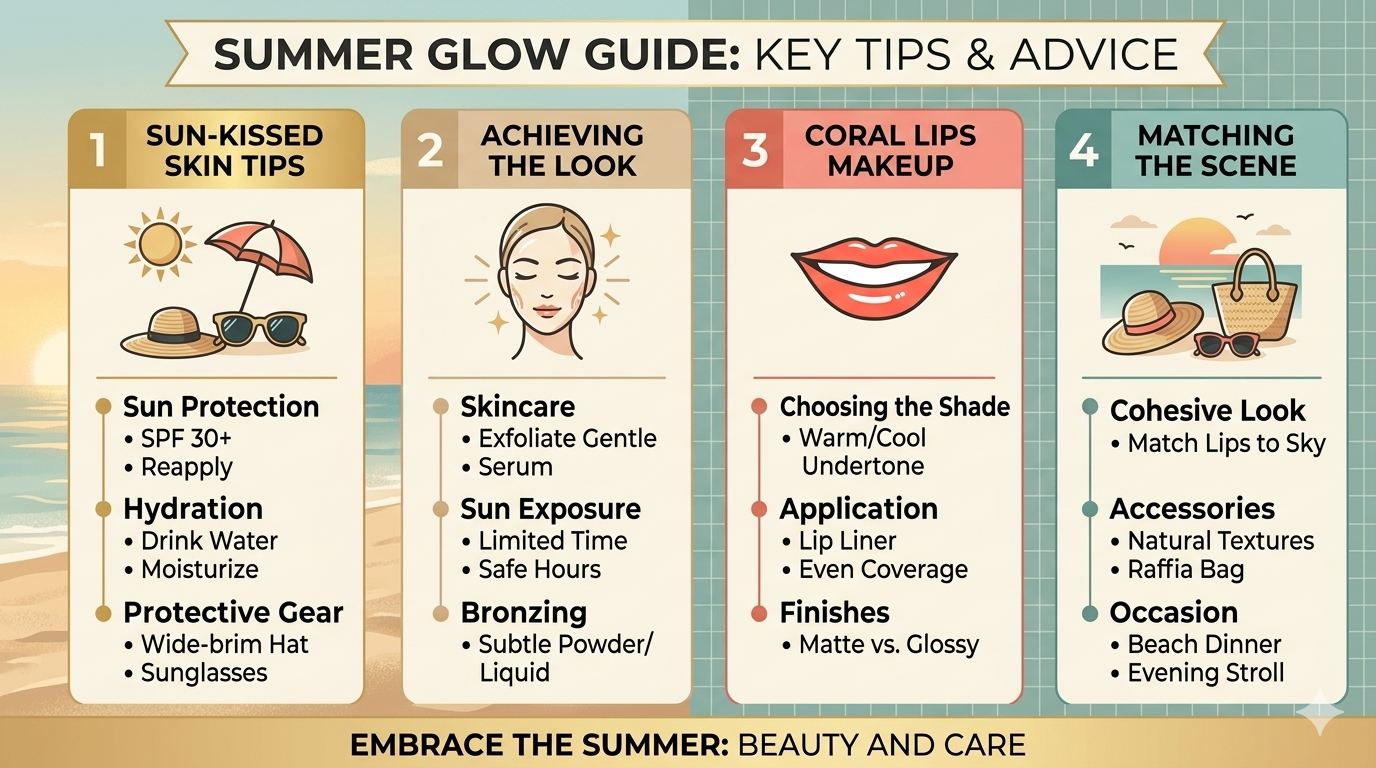
Visual presentation of cosmetic color terminology and pigment groups.
Disclaimer
This article is for general informational and educational purposes only. It does not constitute professional cosmetic, dermatological, or consumer purchasing advice. References to products, routines, or brands do not imply endorsement or guarantee of results. Readers are encouraged to consult licensed professionals and verified resources for cosmetic decisions.