Spring Detox and Lightweight Moisturizers: Educational Overview of Seasonal Skin Care Adjustments
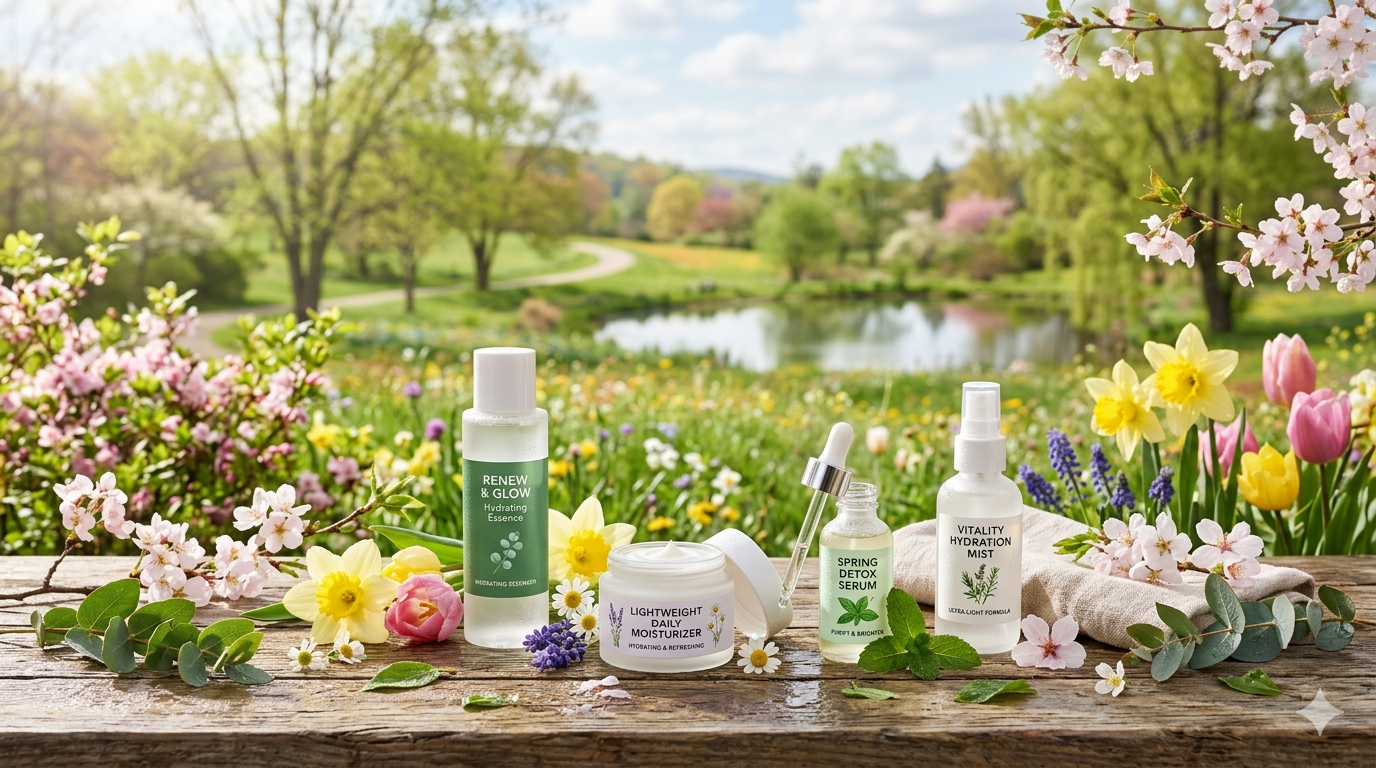
Seasonal weather changes can influence how the skin interacts with environmental conditions such as temperature, humidity, and sun exposure. As a result, individuals may notice differences in skin comfort, oiliness, or dryness throughout the year.
In skin care discussions, the term “spring detox” is sometimes used informally to describe routine adjustments after colder or drier months. However, in dermatology education, these changes are typically framed more precisely as modifications in cleansing habits, hydration levels, and product textures rather than any form of medical detoxification.
In the Philippines and other regions, consumer protection and cosmetic safety are guided by agencies such as the Department of Health (DOH) and the Food and Drug Administration (FDA Philippines). Consequently, educational resources often emphasize safe product use, awareness of ingredients, and careful evaluation of marketing claims.
This article explains how seasonal shifts may influence skin care habits. In addition, it outlines how lightweight moisturizers are described in dermatology and cosmetic science literature.
Understanding Seasonal Skin Care Changes
Skin functions as a protective barrier between the body and the environment. Because of this role, changes in humidity, temperature, and sun exposure may influence how individuals perceive hydration and overall comfort.
During warmer or more humid periods, some people choose to adjust their routines. For example, these adjustments may include:
- Using lighter product textures
- Cleansing more frequently to remove sweat and environmental residue
- Maintaining hydration through appropriate moisturizers
Although the phrase “spring detox” is widely used in consumer discussions, it does not refer to a medical detoxification process. Instead, it typically describes simplifying or reorganizing a routine in response to seasonal conditions.
What Are Lightweight Moisturizers?
Lightweight moisturizers are topical skin care products formulated with textures designed to absorb quickly into the skin’s outer layer. In cosmetic science, several common formulations are described:
- Gel moisturizers: Water-based formulations that spread easily and are often designed for quick absorption
- Lotion moisturizers: Emulsions containing water and oils in lighter ratios compared with creams
- Water-based serums: Products with concentrated ingredients dissolved in water-based solutions
These formulations are often discussed in the context of warmer weather. In particular, some individuals prefer products that feel less heavy on the skin surface during humid conditions.
Role of Moisturization in Skin Care
Moisturizers are designed to support hydration in the outermost layer of the skin, known as the stratum corneum. According to dermatology references, three main types of moisturizing ingredients are commonly identified:
- Humectants: Attract water to the skin’s surface
- Emollients: Help smooth the skin by filling gaps between surface cells
- Occlusives: Reduce water loss by forming a protective barrier
Different product textures may combine these ingredient types in varying proportions. Therefore, the choice of moisturizer often depends on personal preference and environmental conditions.
Example of Seasonal Routine Adjustment (Hypothetical)
Educational materials sometimes illustrate seasonal changes through hypothetical scenarios. For instance, an individual who used thicker cream-based moisturizers during cooler months may consider switching to a lighter lotion or gel during warmer periods.
This adjustment is typically based on comfort, humidity levels, or personal preference rather than medical necessity. Nevertheless, skin responses to seasonal changes can vary widely among individuals.
Context: Dermatology and Cosmetic Product Use
In dermatology and cosmetic science, routine skin care generally focuses on three core areas:
- Cleansing to remove environmental debris
- Moisturization to support the skin barrier
- Sun protection to reduce ultraviolet exposure
Under consumer protection standards such as the Philippine Consumer Act (RA 7394), cosmetic claims must avoid misleading statements. Similarly, organizations like the World Health Organization (WHO) provide educational information on environmental factors such as ultraviolet exposure. For this reason, consumers are encouraged to review ingredient labels and rely on verified sources.
FAQ
What does “spring detox” mean in skin care discussions?
The phrase is used informally to describe seasonal adjustments to routines. Importantly, it does not refer to a medical detoxification process.
What is a lightweight moisturizer?
A lightweight moisturizer is a topical product with a lighter texture, such as a gel or lotion, designed to spread easily and absorb into the outer skin layer.
Why do some people change skin care products with the seasons?
Seasonal changes in humidity and temperature may influence comfort and preferences. As a result, some individuals choose different product textures.
Trusted Sources
- Philippine Department of Health (DOH) public health advisories
- Food and Drug Administration Philippines (FDA) cosmetic guidance
- American Academy of Dermatology educational resources
- World Health Organization (WHO) information on ultraviolet exposure
- Peer-reviewed dermatology and cosmetic science journals
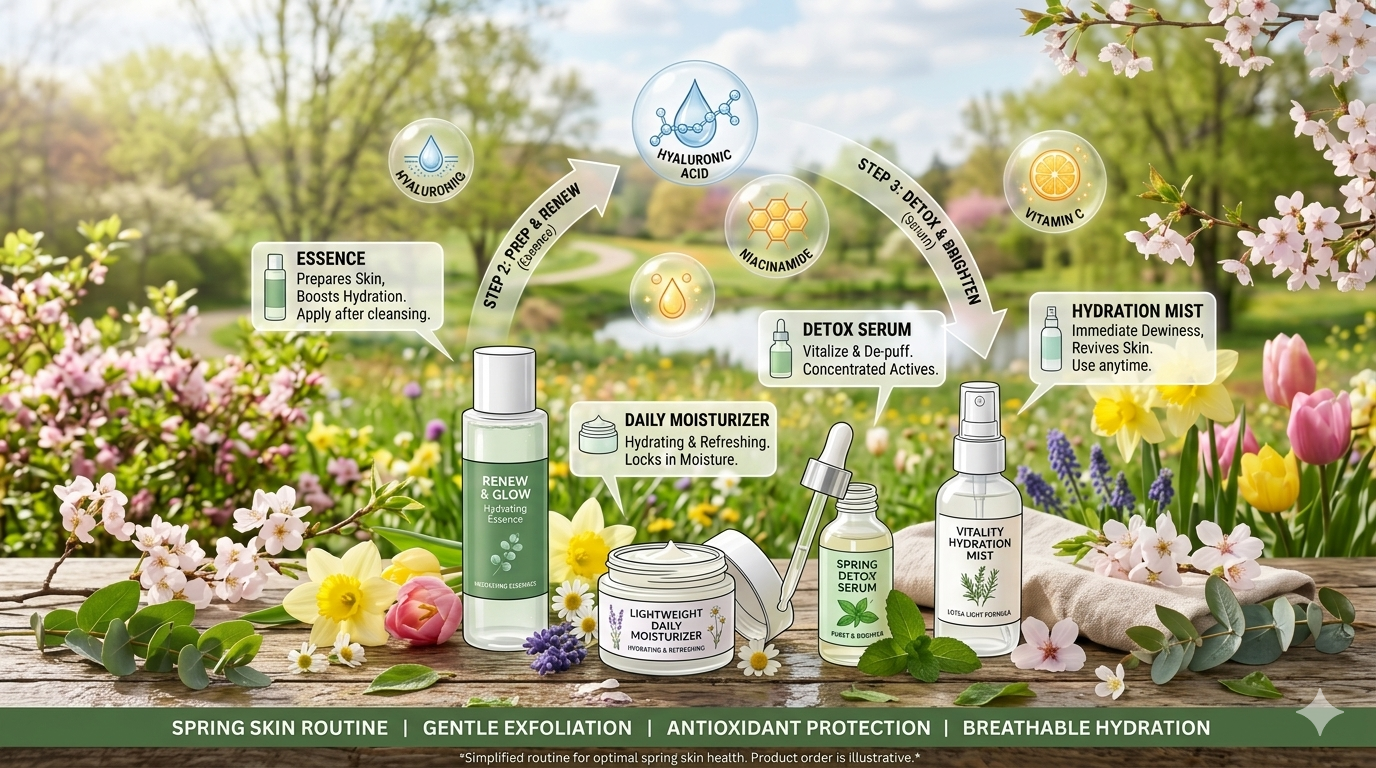
Visual chart outlining moisturizer texture categories and common seasonal routine components.
Disclaimer
This article is for general informational and educational purposes only. It does not constitute professional medical, dermatological, or consumer purchasing advice. Furthermore, references to products or routines do not imply endorsement or guaranteed results. Readers are encouraged to consult licensed dermatologists and verified resources when making skin care decisions.