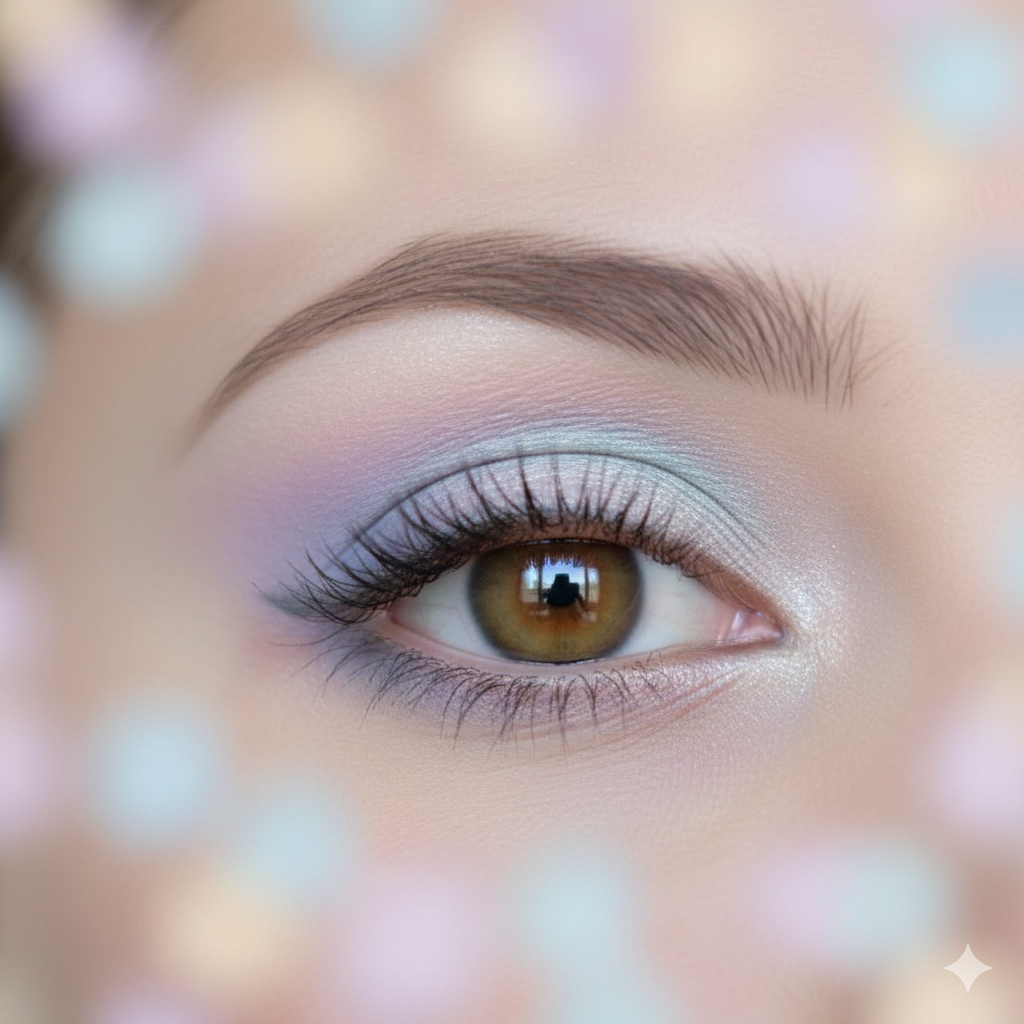
Soft Pastel Eyes and Minimal Eyeliner: An Informational Overview of a Light Eye Makeup Style
A neutral explanation of a makeup approach that uses soft color tones and subtle eyeliner placement around the eyes.
Soft pastel eye makeup and minimal eyeliner are commonly discussed in beauty and cosmetic education. The style typically uses light-toned eyeshadow shades and a subtle eyeliner line near the lash area. This article explains the general characteristics of the approach and basic considerations related to eye comfort, hygiene, and safe cosmetic use.
What Are Soft Pastel Eye Colors?
Soft pastel eye colors refer to light, muted shades of eyeshadow. These colors are often described as pale versions of standard hues. Examples include light pink, lavender, peach, mint, or soft blue.
In cosmetic practice, these tones are usually applied in thin layers on the eyelids to create a gentle color effect. Application methods vary and may involve brushes, applicators, or fingertips depending on the cosmetic product instructions.
What Is Minimal Eyeliner?
Minimal eyeliner generally refers to a thin or lightly applied line placed close to the eyelashes. The line may follow the natural contour of the eyelid.
Some individuals apply eyeliner only to the upper lash line, while others apply a small amount to the outer corner of the eye. The exact technique depends on personal preference and product instructions.
Common Cosmetic Tools Used
Several types of cosmetic products may be used when creating pastel eye looks:
- Powder or cream eyeshadow
- Eyeliner pencils or liquid liners
- Blending brushes or applicators
- Makeup remover products designed for eye areas
Cosmetic products intended for use around the eyes are typically labeled as eye-safe by the manufacturer and regulated under consumer product standards. In the Philippines, cosmetics fall under the oversight of the Food and Drug Administration (FDA Philippines).
Eye Comfort and Hygiene Considerations
When using cosmetics near the eyes, hygiene and product safety are important considerations. Basic practices commonly recommended in cosmetic safety guidance include:
- Avoiding the use of expired cosmetic products
- Cleaning brushes and applicators regularly
- Removing eye makeup before sleeping
- Avoiding sharing eye makeup products with others
These steps help reduce potential contamination of products that come into contact with sensitive eye areas.
Hypothetical Example for Understanding
A hypothetical user preparing for a casual event may apply a light peach eyeshadow across the eyelid and draw a thin eyeliner line close to the upper lash line. The approach focuses on subtle color and minimal liner thickness. Different users may adapt the style based on personal preference or cosmetic instructions.
Context Section
In cosmetic and dermatology discussions, the eye area is often described as sensitive because the skin around the eyelids is thinner than many other parts of the body. As a result, safety guidelines for eye cosmetics emphasize product labeling, hygiene, and proper removal.
Under consumer protection and cosmetic regulation standards, including oversight by the Department of Health (DOH) and FDA Philippines, cosmetic products sold in the country must comply with safety notification and labeling requirements. These regulations are intended to help consumers identify products designed for safe use.
FAQ
What are pastel eyeshadow shades?
Pastel shades are light, low-intensity versions of common colors such as pink, blue, or lavender. In cosmetics, they are typically used to create soft color effects on the eyelids.
What does minimal eyeliner mean?
Minimal eyeliner refers to a thin or subtle eyeliner application placed near the lash line. The amount and placement can vary based on personal preference.
Why is hygiene important when using eye cosmetics?
Eye cosmetics come into contact with areas close to the eyes. Cleaning tools, avoiding expired products, and removing makeup properly may help reduce contamination risks.
Trusted Sources
- Philippine Food and Drug Administration (FDA Philippines) — Cosmetic product safety and notification guidelines
- Department of Health (DOH Philippines) — Consumer health advisories
- American Academy of Ophthalmology (AAO) — Eye health and cosmetic safety resources
- Peer-reviewed ophthalmology and dermatology journals discussing eye area hygiene and cosmetic use
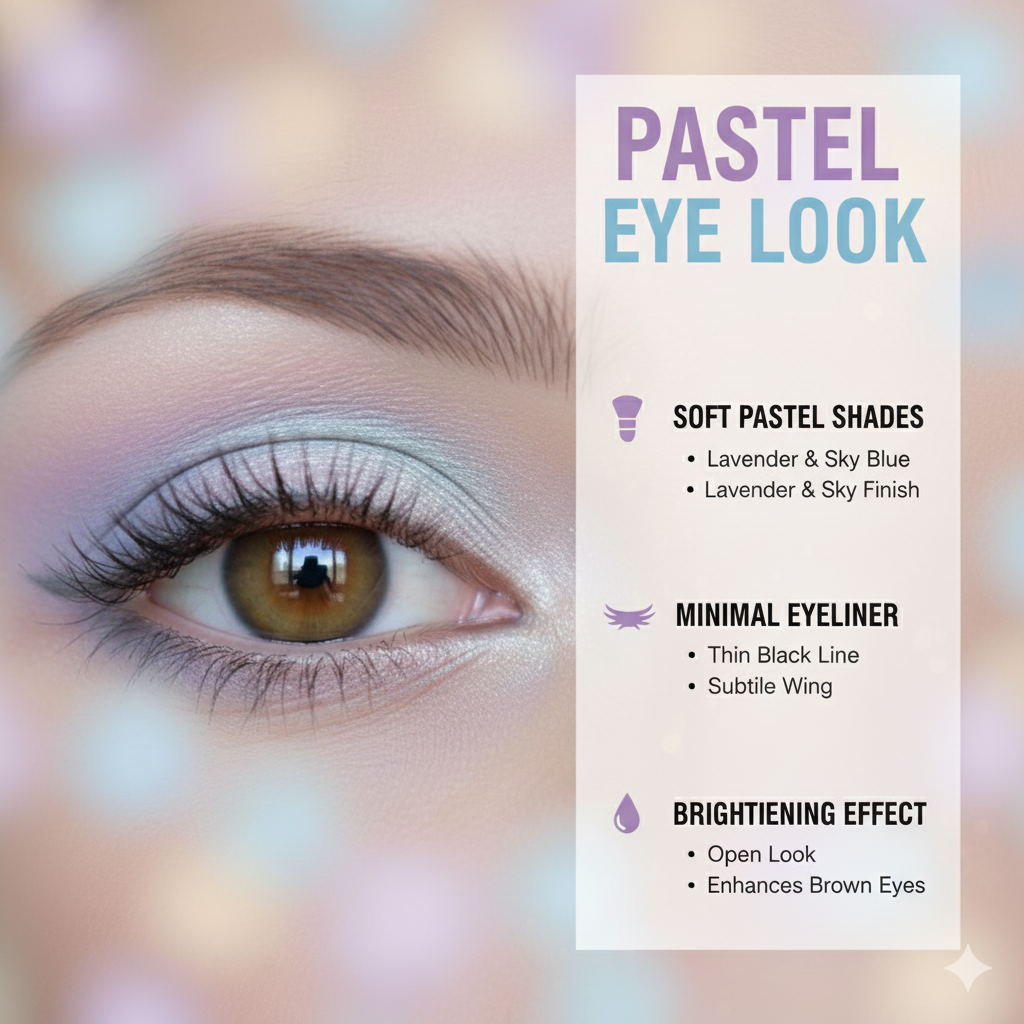
Visual layout displaying pastel eyeshadow tones and minimal eyeliner placement.
Disclaimer
This article is for general informational and educational purposes only. It does not constitute professional medical, ophthalmological, or consumer purchasing advice. References to procedures, products, or clinics do not imply endorsement or guarantee of results. Readers are encouraged to consult licensed eye care professionals and verified resources for vision health decisions.